REVIEW · KRAKOW
From Krakow: Auschwitz & Birkenau Guided Tour with Pick up
Book on GetYourGuide →Operated by Walking & talking · Bookable on GetYourGuide
Two camps in one day, and it hits hard. This Auschwitz-Birkenau tour from Kraków is built around museum-provided guidance with headsets, so you can actually follow the details without guessing. I like that the visit is structured—Auschwitz I first, then a short reset before Auschwitz II—so the day stays understandable even when it is emotionally heavy.
I also love the practical side: round-trip air-conditioned bus transport and smooth transfers between sites. Guides like Cyprian (credited in the reviews) make a real difference with clear English and a calm, professional pace.
One thing to plan for: comfort. Even with a guided route, you’ll walk a lot, and the bus can feel cold if the heater isn’t doing its job, so pack layers just in case.
In This Review
- Key highlights worth planning around
- Auschwitz I and II in one guided day that stays organized
- Kraków pickup, bus transport, and how the day actually runs
- Auschwitz I: prison blocks, personal belongings, and the gas chambers
- Transfer break: how to reset before Birkenau
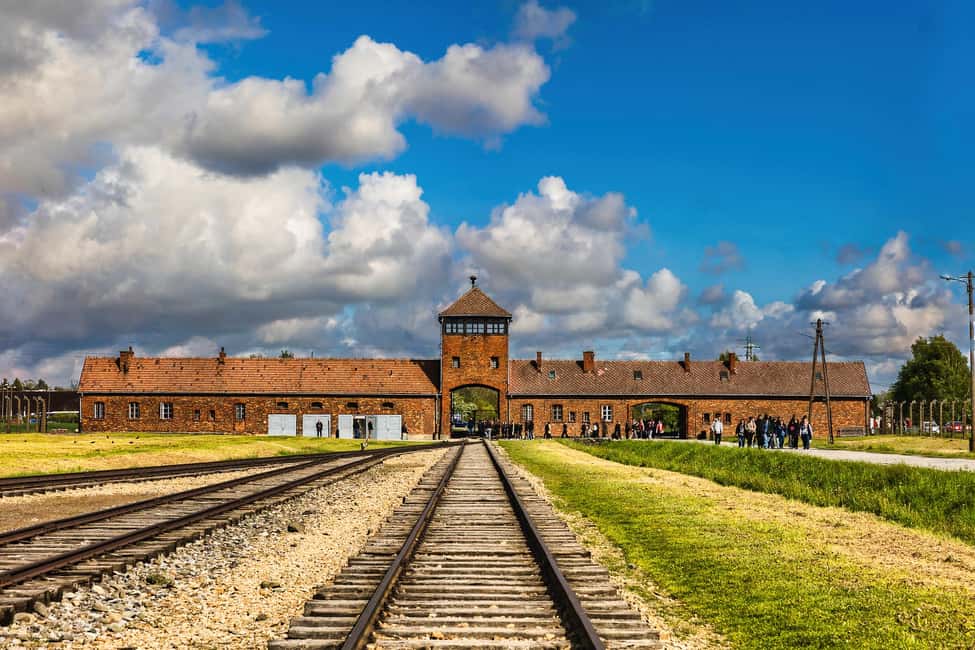
- Auschwitz II-Birkenau: railway tracks, barracks, and the ruins
- The International Memorial and the return to Kraków
- Price and value: what you’re paying for at $89
- What it’s like with a strong guide (Cyprian is a great example)
- Practical tips so your day doesn’t fall apart
- Who should book this tour, and who might not?
- Should you book this Auschwitz-Birkenau tour?
- FAQ
- What language is the tour conducted in?
- How long is the Auschwitz-Birkenau tour from Kraków?
- Is skip-the-line entry included?
- What’s included besides the guided tour?
- Do I need a passport or ID card?
- Where does pickup happen in Kraków?
- How does the tour move between Auschwitz I and Birkenau?
- Is there time for breaks?
- What should I bring for the day?
- Is the activity refundable if plans change?
Key highlights worth planning around
- Skip-the-line entry so you spend less time waiting and more time listening and looking
- Headsets included for clearer guide audio throughout the memorial grounds
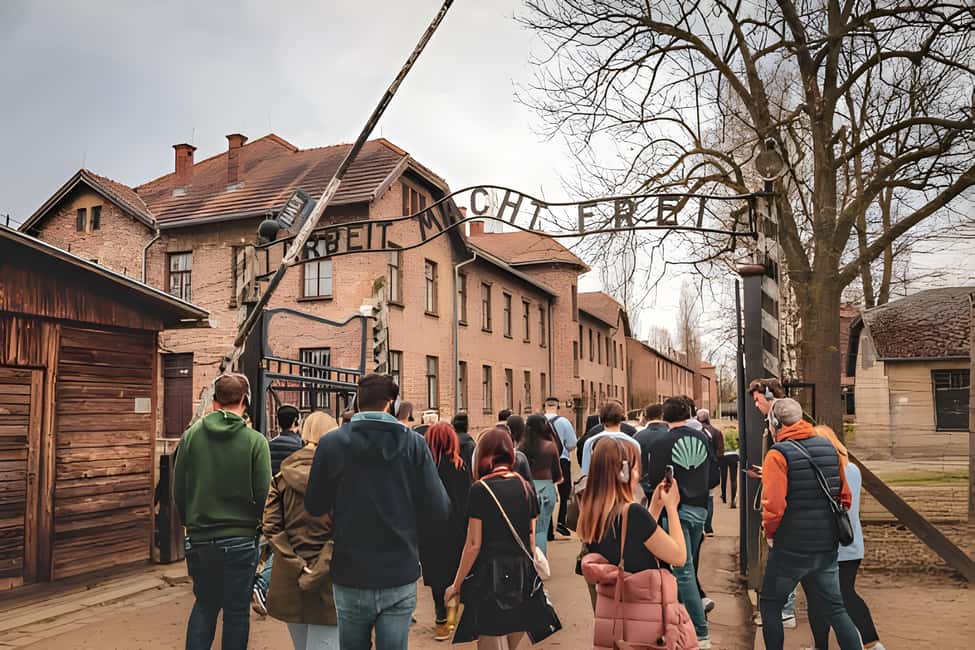
- Auschwitz I essentials like prison blocks, personal belongings, and the original gas chambers and crematorium
- Birkenau scale in full view including the railway arrival area and the unloading ramp
- Museum-led storytelling with professional guides who connect what you see to the human reality
- International Memorial stop for final remembrance before the ride back to Kraków
Auschwitz I and II in one guided day that stays organized
This is a long day, but it’s designed to feel coherent. You start with Auschwitz I, then move to Auschwitz II-Birkenau after a short break. The overall effect is powerful: you go from the prison camp system and early structures to the vast extermination camp scale, with the guide explaining what changed and why.
What makes this tour feel different from a basic ticket-and-wander visit is that you’re not piecing things together alone. You’re walking in the order that helps you understand the timeline and the purpose behind each area. You’ll also get pauses at memorial points—moments that are meant for reflection, not just sightseeing.
One more practical plus: your guide provides professional tour leadership, and you’re given a headset so you can keep your attention on what’s in front of you instead of trying to hear over crowds.
You can also read our reviews of more guided tours in Krakow
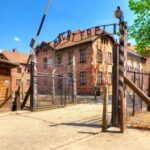
Kraków pickup, bus transport, and how the day actually runs
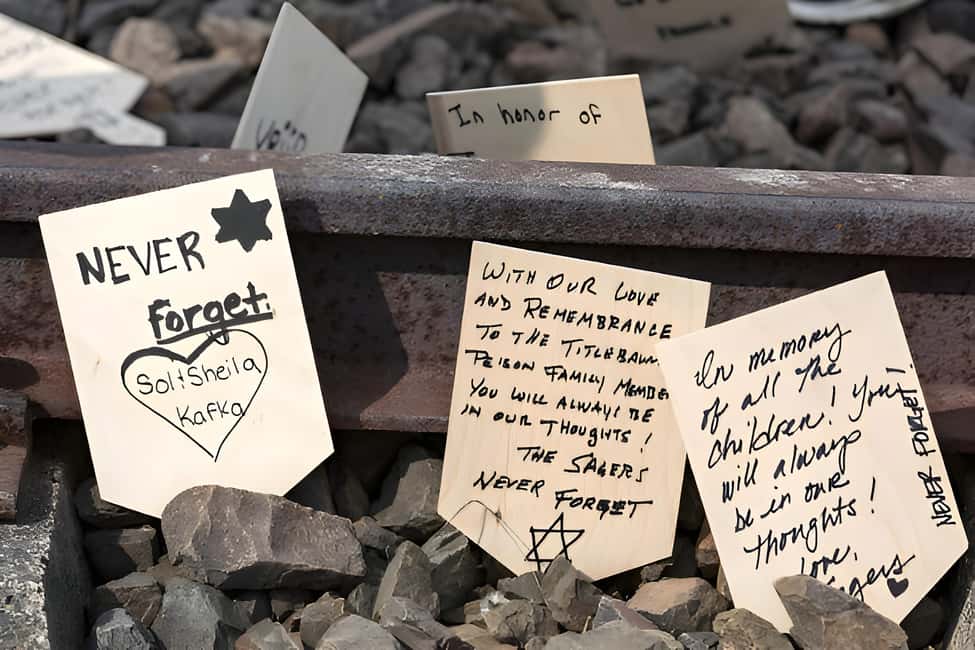
The day begins in Kraków at your pickup point. You’ll wait at the hotel lobby or by the entrance for the driver, who will have a Discover Cracow sign. It’s a simple meet-up style, but it’s worth showing up early enough to avoid being the person sprinting to the curb.
From there, you ride the coach toward the memorial area. The itinerary includes bus time in both directions, with a short transfer between Auschwitz I and Birkenau. That matters because timing at the memorial sites can be tight, and getting stuck without transport would ruin the flow.
Two timing realities to keep in mind:
- Auschwitz memorial guide availability can affect tour times, and any change is confirmed the day before.
- If timing shifts, it doesn’t come with a refund, so your schedule in Kraków should have some flexibility.
Also note: this tour is not suitable for wheelchair users. The route involves walking, and you should assume you’ll need comfortable footwear from minute one.
Auschwitz I: prison blocks, personal belongings, and the gas chambers
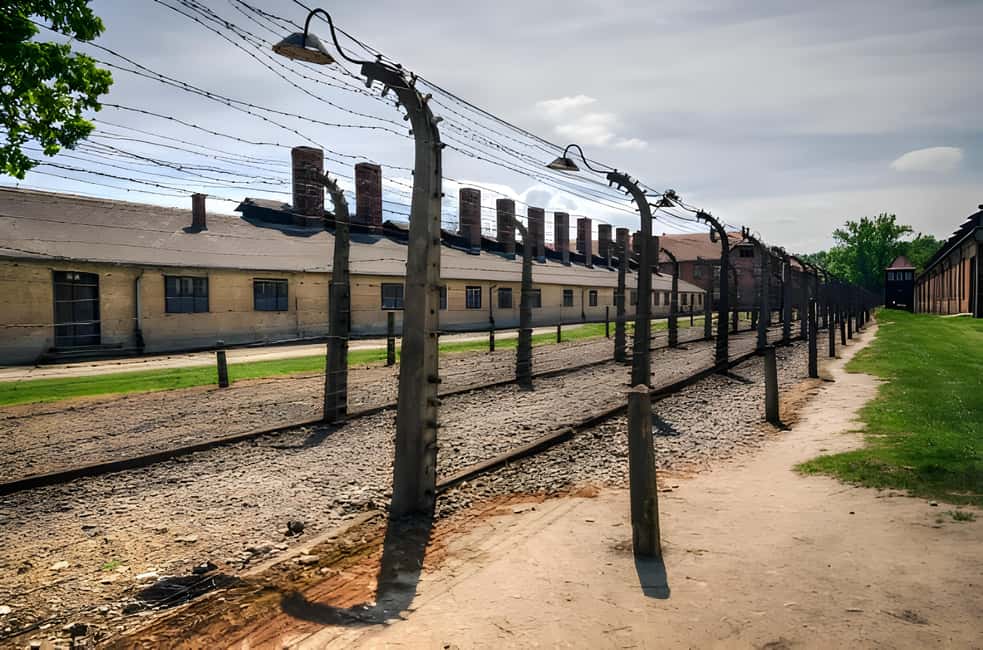
Your Auschwitz I portion is a guided walking route through several core parts of the camp. This is the area where the camp’s prison function is more directly visible. Expect brick barracks and exhibition rooms that document atrocities, plus objects connected to individual lives.
In the prison blocks, you’ll see personal belongings, photographs, and letters. That detail is more than museum material—it’s what keeps the history from becoming only numbers on a page. When the guide connects an exhibit to what happened there, the site stops feeling like a set of buildings and starts reading like a story of forced imprisonment and destruction.
The most sobering segment is the visit to the original gas chamber and crematorium. This is not the kind of place where you want to rush. Even with a headset and a planned route, you’ll likely slow down naturally as you take in what remains and what the guide is explaining.
You’ll also pause at memorial areas. These stops are built into the tour so you don’t just march through. They give you a small window to absorb what you’ve seen and remember why the memorial exists.
Transfer break: how to reset before Birkenau
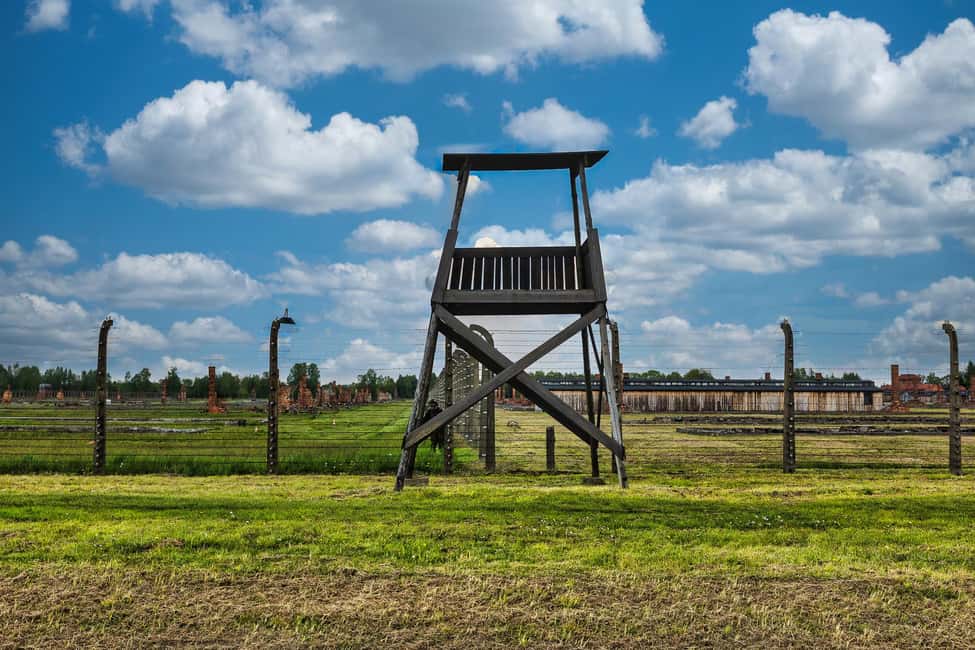
After Auschwitz I, you get a short break and then head to Birkenau, which is only a few kilometers away. That short gap is important. Auschwitz II-Birkenau is where the scale can feel overwhelming, and you’ll want a moment to regroup—water, bathroom, and a breath before the next walking segment.
It also helps to prepare mentally for a shift in what you’re seeing. Auschwitz II is described as the extermination camp where the majority of mass murders took place. Your eyes will likely look for the systems behind the horror: how arrivals worked, where people were sorted, and what daily conditions meant in practice.
Auschwitz II-Birkenau: railway tracks, barracks, and the ruins
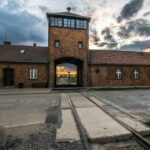
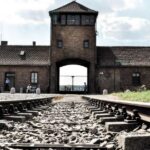
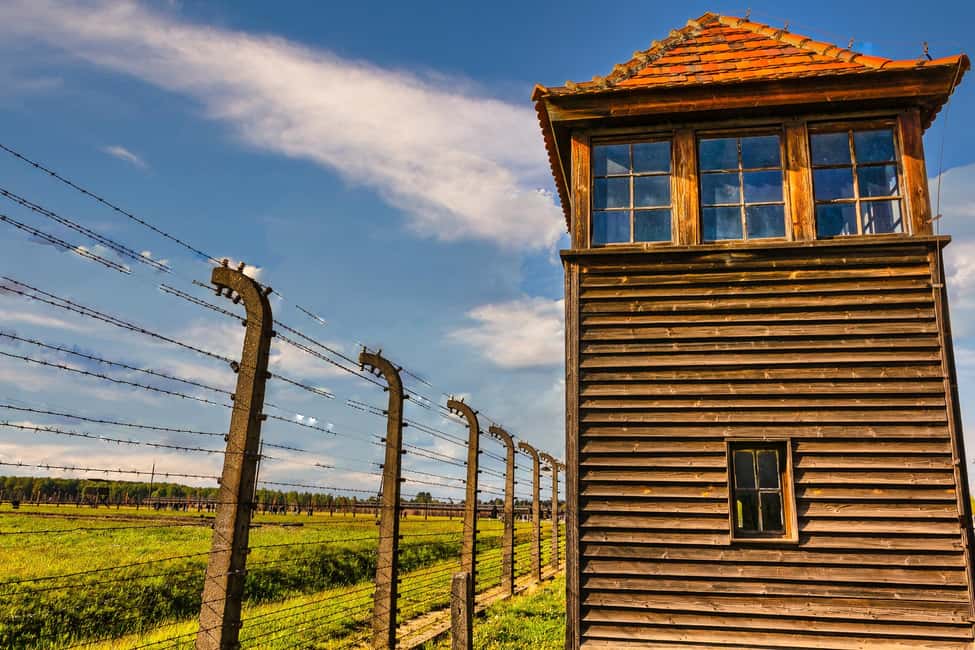
Birkenau is where the tour’s “see the system” part really clicks. The route begins at the railway tracks and the unloading ramp area, where prisoners arrived by train. This is a key point for understanding how the Nazis processed people immediately on arrival—sorting those deemed fit for forced labor and those sent directly to the gas chambers.
From there, you move through the wooden barracks where prisoners were kept in brutal conditions. The guide talks about daily life and what those conditions meant, which helps you connect the layout to human experience rather than treating the camp like a static ruin.
You’ll also view the ruins of gas chambers and crematoria, which the Nazis destroyed in an effort to cover up their crimes. Seeing those remnants with a guide’s explanation can feel especially stark because you understand both what was built and what was attempted to be erased afterward.
The pacing here tends to matter a lot. Birkenau’s size can play tricks on your sense of distance. With a structured guide route, you’re less likely to feel lost and more likely to notice the details that connect one area to the next.
The International Memorial and the return to Kraków
Your Birkenau tour ends at the International Memorial. This is a meaningful finish point, and it’s a good place to let your thoughts settle. The memorial is there to honor victims of Auschwitz-Birkenau, and your guide frames it in a way that supports remembrance rather than rushing you onward.
After that, you board the bus for the return ride to Kraków. Your itinerary includes time to absorb the impact of what you just saw, which is honest advice—this isn’t a day you can shake off quickly.
You’ll finish back in Kraków at Pawia 18b. That matters if you have dinner plans or other bookings afterward. I’d treat the rest of your evening as a slow one, not a busy one.
Price and value: what you’re paying for at $89
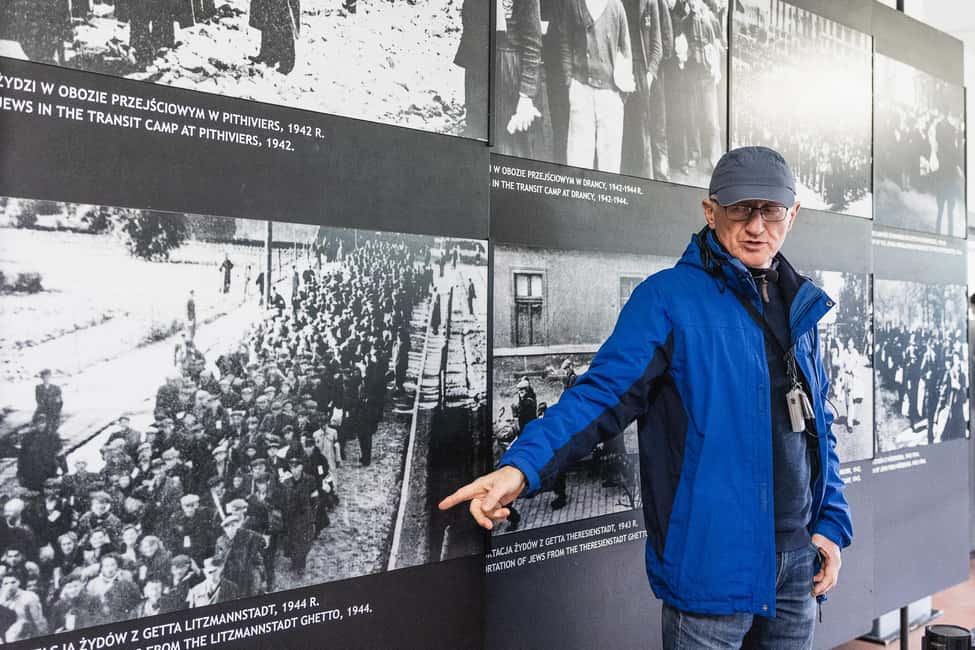
At $89 per person, this tour is priced for a guided, two-camp experience with real add-ons. You’re not just buying entry. The package includes:
- Round-trip transportation by air-conditioned bus
- Skip-the-line entry ticket to Auschwitz-Birkenau Memorial and Museum
- Headsets to hear the guide clearly
- A professional and qualified museum guide
- A tour leader to look after you
- Parking fees are not included (so plan on that if you’re comparing options)
Skip-the-line access can be a real time-saver at these sites. Headsets are another practical win because you’ll be moving and your attention needs to stay on the guide’s explanation and the site in front of you. And the museum guide matters because the tour is built around official storytelling and the areas that help you understand the camps’ functions.
In plain terms: for a day this intense, you’re paying for structure. You’re paying for someone to connect the dots so you don’t leave with only pictures and no understanding.
What it’s like with a strong guide (Cyprian is a great example)
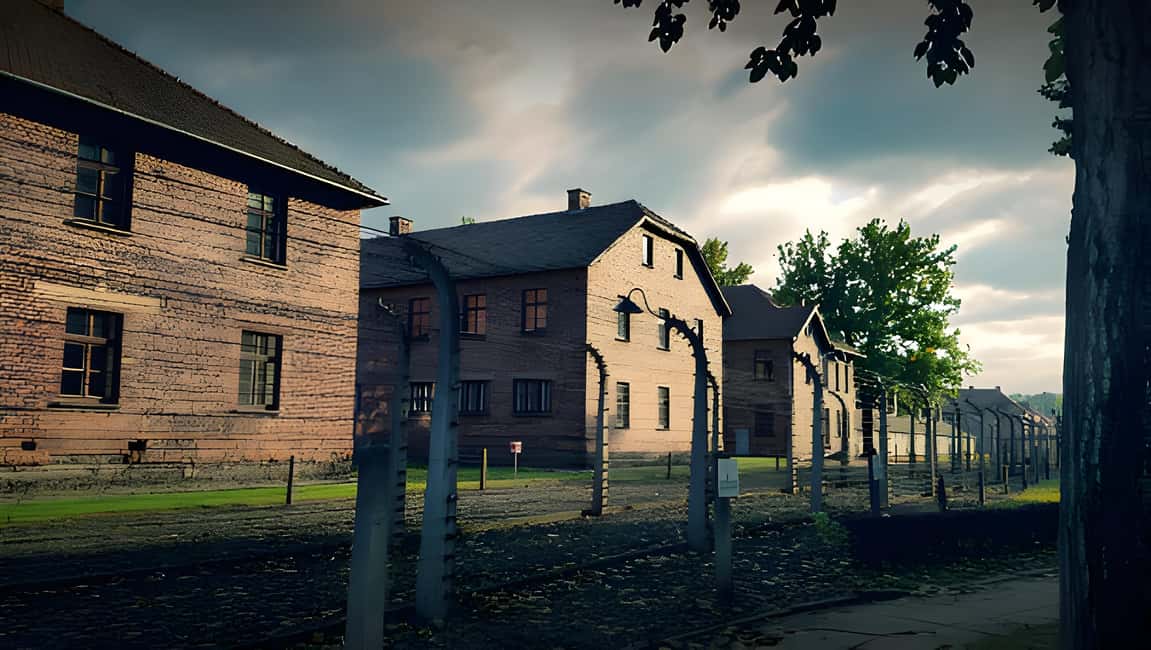
One of the most praised parts of this experience is the guide quality. Reviews highlight guides like Cyprian for going above and beyond, with excellent and professional support and English that stays clear the whole time.
That kind of guide is worth its weight here because the material is complex and emotionally brutal. You need someone who can explain what you’re seeing without turning it into a lecture you can’t follow. You also need a pace that respects the space.
If you’re worried about group tours feeling cold or overly scripted, I’d still consider this one—headsets, museum-led guidance, and memorial pacing help keep it human.
Practical tips so your day doesn’t fall apart
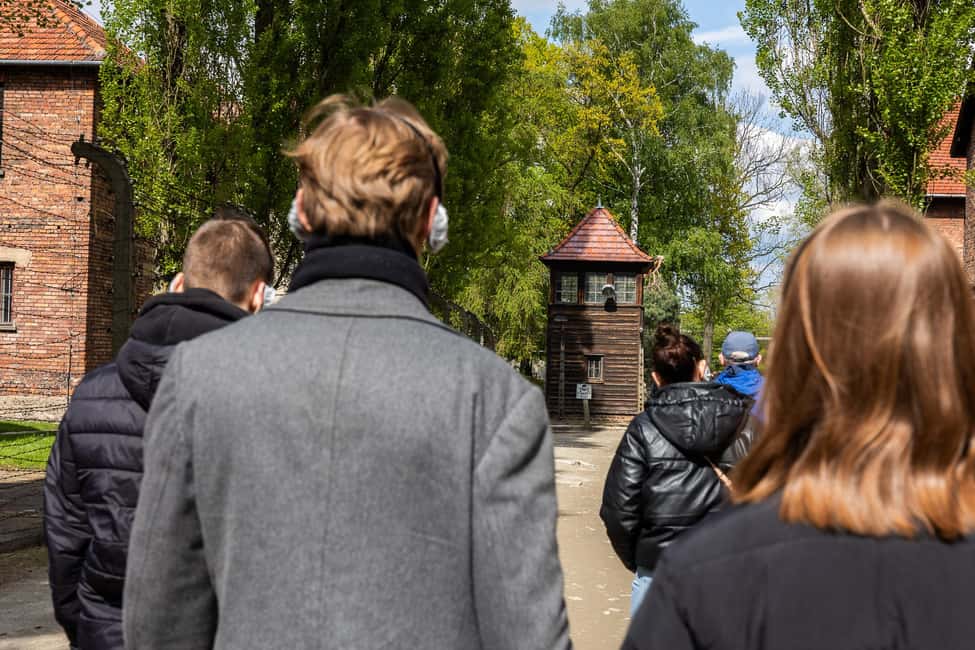
This is an easy tour to book, but you should prep like it’s a long hike with museum hours—because it is.
Bring:
- Passport or ID card (you’ll need it)
- Comfortable shoes
- Comfortable clothes
Name matching matters. You must provide your full name and contact details as part of the booking, and entrance can be refused if the name on your booking doesn’t match the name on your ID exactly. It’s not the time for typos or nickname shortcuts.
Expect these rules:
- No weapons or sharp objects
- No alcohol and drugs
Also do this:
- Call your supplier a day before to confirm pick up time
- Plan for possible tour time changes based on guide availability at the memorial
- Pack layers even if the forecast looks fine. Cold bus + long walks is a combo you want to beat, not suffer through.
Who should book this tour, and who might not?
This tour suits you if you want:
- A guided, two-camp walkthrough (Auschwitz I plus Birkenau)
- Museum-trained explanations rather than self-guided guesswork
- Skip-the-line entry plus headset support
It may not be ideal if:
- You hate long walking days
- You have limited mobility and can’t manage the grounds (it’s listed as not suitable for wheelchair users)
- Your schedule is so tight that a day-before time change would cause problems
Should you book this Auschwitz-Birkenau tour?
I’d book it if you want the structure that helps you understand what you’re seeing. The combination of museum guides, headsets, skip-the-line entry, and round-trip transport takes away a lot of stress you don’t need on a day like this.
I’d think twice only if weather comfort is a serious issue for you or you know you’ll struggle with a long, walking-heavy memorial visit. In that case, plan for layers and be ready for a cold bus possibility, or consider timing your day differently within your trip.
FAQ
What language is the tour conducted in?
The tour is conducted in English.
How long is the Auschwitz-Birkenau tour from Kraków?
It runs about 7.5 hours, though starting times can vary based on availability.
Is skip-the-line entry included?
Yes. You get skip-the-line entry to the Auschwitz-Birkenau Memorial and Museum.
What’s included besides the guided tour?
Round-trip transportation by air-conditioned bus, skip-the-line tickets, headsets to hear the guide, and professional museum guidance are included. A tour leader also helps manage the day.
Do I need a passport or ID card?
Yes. Bring your passport or ID card. Entry can be refused if the name on your booking doesn’t match the name on your ID.
Where does pickup happen in Kraków?
Pickup is included in Kraków. You wait at the hotel lobby or next to the entrance for the driver holding a Discover Cracow sign.
How does the tour move between Auschwitz I and Birkenau?
After Auschwitz I, you take a short break and transfer to Birkenau, which is a few kilometers away.
Is there time for breaks?
There is a short break after the Auschwitz I tour before heading to Auschwitz II-Birkenau.
What should I bring for the day?
Wear comfortable shoes and clothes, and bring your passport or ID card.
Is the activity refundable if plans change?
The activity is non-refundable. If the tour is canceled for reasons beyond the operator’s control, you receive a full refund. Also, tour time changes due to guide availability are not eligible for a refund.