REVIEW · KRAKOW
Auschwitz & Birkenau Museum Guided Tour from Krakow with Tickets
Book on Viator →Operated by Auschwitz Tours · Bookable on Viator
Auschwitz can feel overwhelming, so having structure helps. This tour is built for easy Krakow transport and smooth entry, with admission included so you don’t burn time standing in ticket lines. You get an English guide who explains what you’re seeing, and headphones so you can actually follow every stop instead of guessing at background details.
I especially like the small-group setup, because you hear the guide’s story without feeling like you’re getting steamrolled by a huge crowd. The one trade-off: the day can be fast-paced, and if you need extra quiet time to read every sign or pause in sensitive areas, you may wish you had more control of the timing.
In This Review
- Key highlights worth your attention
- Why This Auschwitz & Birkenau Tour Feels Easier Than DIY
- Pickup in Krakow: The Convenience You’ll Really Notice
- The Day Split: Auschwitz I First, Then Birkenau at a Human Tempo
- Auschwitz I: What the 2 Hours Is Meant to Accomplish
- Birkenau (Brzezinka) and the Reality of Walking the Scale
- Tickets, Headphones, and Why This Tour Saves More Than Cash
- Price and Value: When $120.48 Makes Sense
- Food and the Pace Problem: How to Prepare for a Short Break
- Who This Tour Suits Best (and Who Might Not Love It)
- Should You Book This Auschwitz & Birkenau Tour?
- FAQ
- What’s the duration of the Auschwitz & Birkenau guided tour from Krakow?
- How much does the tour cost per person?
- Is hotel pickup and drop-off included?
- Are tickets and admission fees included?
- Is the tour offered in English?
- Are headphones provided?
- What’s the group size?
- What’s not included in the price?
- Can I get a full refund if I cancel?
Key highlights worth your attention
- Door-to-door pickup and drop-off in Krakow: you start and end with less hassle
- Admission included for both camps: you skip long ticket lines
- English museum guide + headphones: clarity is the whole point here
- Small groups (max 25): easier listening and less chaos
- Comfortable A/C minivan transport with a licensed driver
- A focused split of time: about 2 hours at Auschwitz I and about 1.5 hours at Birkenau
Why This Auschwitz & Birkenau Tour Feels Easier Than DIY
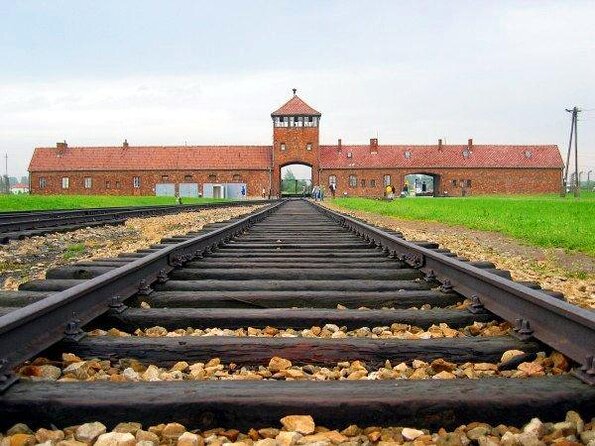
If Auschwitz is on your list, it’s not really a normal “sightseeing” day. You’re walking through a place where each building, road, and document carries weight. What makes this tour work is that it reduces the number of stressful unknowns.
You’re not left figuring out transport schedules, where to buy tickets, or how to keep track of the order of what you’re seeing. Instead, you roll from Krakow with a driver who knows the route, arrive, and then move into guided coverage with headphones. That matters because the stories behind the remains are detailed, and the guide’s job is to help you connect the dots quickly.
Two practical wins stand out. First, admission is included, which saves you time and uncertainty at the entrance. Second, you’re given headphones, so you can hear the guide clearly even as groups move around tight spaces.
The possible drawback is the pace. Even with a guide, a museum like this can’t slow down for reflection without affecting the whole group schedule. If your ideal visit is slower, you may feel rushed in certain key areas.
You can also read our reviews of more tours and experiences in Krakow


Pickup in Krakow: The Convenience You’ll Really Notice
This is a true “from your hotel” style tour. You get picked up and dropped off at your hotel, hostel, or apartment in Krakow, which means you avoid the friction of getting to a meeting point with luggage or in early morning hours.
Pickup is scheduled during a defined window: Monday–Sunday from 7:10 AM to 8:00 AM (for the operating season listed). That early start helps you get to the camps and reduces the chance of spending the whole morning stuck waiting around.
Transport is handled in a comfortable A/C minivan driven by a licensed driver. The group is kept to a maximum of 25 travelers, which tends to make the day feel more manageable than larger buses full of people trying to listen at the same time.
A small but helpful detail: you’re given a mobile ticket. That’s convenient, but it also means you’ll want your phone charged and your ticket easy to find when the group is called up.
The Day Split: Auschwitz I First, Then Birkenau at a Human Tempo
The tour is designed around two camp visits, with time carved out to match what most people need: context first, then a wider view.
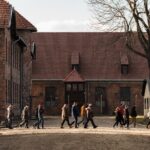
Plan for about 6 hours total (approx.). You’ll typically move from Krakow to Auschwitz I, spend around 2 hours there, then continue on to Birkenau (Brzezinka) for about 1 hour 30 minutes.
This split is important because Auschwitz I (the first camp area) helps you build the framework of what you’re looking at. Birkenau then changes the scale and layout, and it’s easy to feel lost if you haven’t been oriented. The guide’s explanations are what tie those two areas together.
A “time-saver” truth: you’re not doing this as a wandering walk where you stop every time something grabs your attention. You follow the guide’s flow, and that’s exactly why it can feel efficient—and why it can feel rushed if you’re the type who reads slowly.
Auschwitz I: What the 2 Hours Is Meant to Accomplish
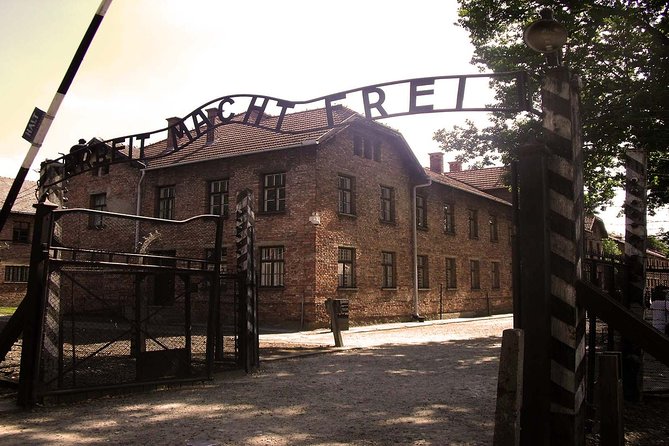
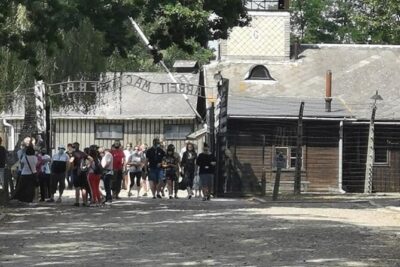
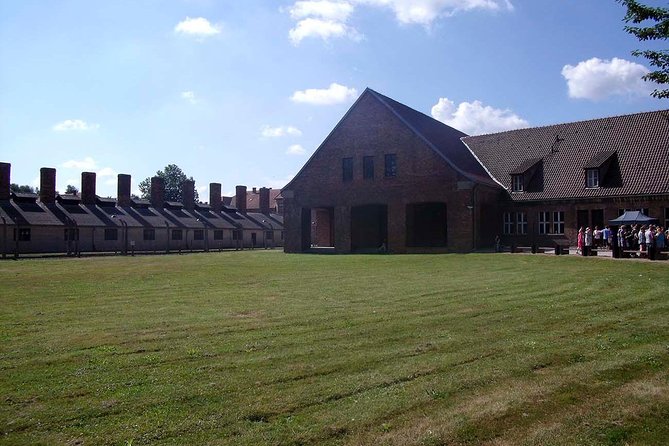
Your Auschwitz I time is about 2 hours, guided, with admission included. This is where the story becomes more specific. You’re shown key areas of the camp and given the historical context that helps the site make sense instead of just looking like ruins and fences.
In a place like this, a guide isn’t optional. Without explanation, it’s easy to miss the significance of small details—documents, structures, and the way people are processed and controlled. With a good English guide, the visit becomes clearer: you start recognizing what each section is meant to represent.
Headphones help here more than people expect. You’ll likely be moving through multiple areas where background noise and crowd levels change. With audio delivered directly to you, you’re less likely to lose the narrative when you step aside for a moment to read.
One practical note for your expectations: if you’re sensitive to pace, Auschwitz I can still move quickly. Some areas may feel like you’re passing through them to stay on schedule. That can reduce your time to stand still and absorb what’s in front of you, even if the guide is excellent.
Birkenau (Brzezinka) and the Reality of Walking the Scale
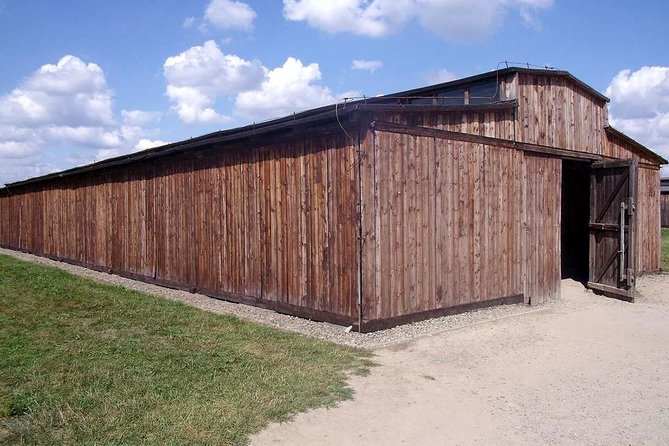
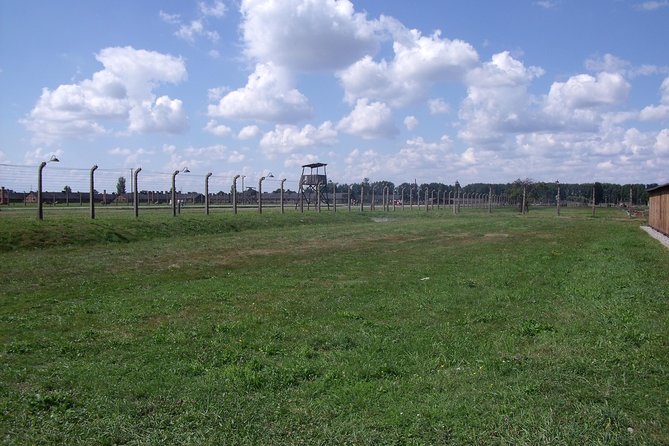
After Auschwitz I, you head to Brzezinka, which is where Auschwitz II–Birkenau is located. Your guided time here is about 1 hour 30 minutes, and admissions are included.
Birkenau is where many visitors feel the scale most strongly. The layout stretches out, and the camp’s openness can be emotionally disorienting. This is also where the guide’s role becomes critical: without explanations, it’s hard to connect how the different sections functioned together.
Your group’s movement will likely be at the guide’s pace. The advantage is that you’re less likely to get lost or miss the parts that matter most for understanding. The trade-off is the same as all structured tours here: if you want to linger longer at specific spots, you may feel time pressure.
It’s still worth understanding what the time window means for you. About an hour and a half is enough to cover the essential guided highlights, but it’s not enough to read every available sign slowly, stop frequently, and take your time in rooms that ask for silence. If you want a more self-paced experience, you can make that choice—but you’d be trading off the “no confusion” value of a guide.
You can also read our reviews of more guided tours in Krakow

Tickets, Headphones, and Why This Tour Saves More Than Cash
At a place like Auschwitz, the “value” isn’t only about price. It’s about what you avoid: waiting, scrambling, and missing context.
This tour handles admission for both camps, which means you skip the long ticket line problem that can otherwise eat up your morning. It also helps you keep your schedule intact, since the guided portion depends on getting into the site on time.
The headphones are another quiet-value win. A lot of people think they just want a guide. What they actually want is the guide’s words clearly, in the moment, over the noise of moving crowds. Rental of the headphones is included, so you aren’t dealing with last-minute add-ons.
English is covered as part of the experience. The guide provides English commentary, and even the drivers are described as friendly and helpful. In at least one account, the driver is named Lukasz, and the guide Symon is praised for thoughtful, careful explanations. In another account, a driver named Adam is highlighted for the smooth door-to-door experience. You can’t guarantee the exact people, but it gives you a good signal: the human element is part of the quality.
Price and Value: When $120.48 Makes Sense
The price is listed at $120.48 per person, with a total duration of about 6 hours. For many people, that number looks high until you break down what’s included.
Here’s what you’re paying for that you’d otherwise need to solve yourself:
- Transportation between Auschwitz I and Auschwitz II–Birkenau, not just one-way transit
- Pickup and drop-off from your Krakow location
- Museum local guide services with English commentary
- Headphones rental
- Admission included for both camps
- The cost side of parking, fuel, and total transport expenses
- Insurance coverage (included)
If you’re traveling without a car, the time and stress of arranging reliable transport, coordinating entrance times, and finding a guide can quickly add up. Even if you manage DIY transport, you still face the “meaning” gap without interpretation—unless you plan carefully and you’re comfortable self-guiding through a heavy site.
So does the price make sense for you? Usually, yes, if you want a structured day that removes friction and you value hearing context in English through headphones.
If you’re the type who needs lots of silent time to read slowly and reflect, you might get better value by exploring independently at your own speed. The tour’s format is designed for guided clarity, not total freedom.
Food and the Pace Problem: How to Prepare for a Short Break
Food and drinks are not included. That’s common on day tours, but for Auschwitz it matters because you’ll likely want something quick that won’t upset your day rhythm.
One account describes a brief lunch stop around the parking area while traveling between segments. Because the tour runs on a fixed schedule, breaks can be short. If you don’t want to spend time searching for food on the spot, plan ahead with snacks or a packed lunch.
Also, think about the emotional rhythm. This isn’t the kind of day where you can just “power through” and feel fine. If you know you’ll want time to pause in certain places, build that into your expectations. The guide may move the group on, and you may not control the timing of every moment.
If you want to handle the pace better, I recommend bringing your own coping tools: a bottle of water, tissues, and something simple to keep your hands busy during waiting moments. It’s not about distraction. It’s about staying steady so you can take things in.
Who This Tour Suits Best (and Who Might Not Love It)
This tour is a strong fit if you want:
- Door-to-door convenience from Krakow
- Admission handled so you don’t lose time at ticket lines
- An English guide to connect what you’re seeing to what it means
- Headphones for clearer listening
- A small group capped at 25 people
It can be a less perfect fit if you strongly prefer self-paced visiting. A guided schedule can feel limiting in a place where you might want more time at each section. The time split—about 2 hours then 1.5 hours—works for most people, but it’s still a compressed visit compared to what you might do on your own.
I also think it works especially well for first-time visitors. If it’s your first time in these sites, you benefit from orientation and narrative. If you already know the background and want total control, DIY may feel more comfortable.
Should You Book This Auschwitz & Birkenau Tour?
Book it if you want a low-stress, English-guided day with admissions included and headphones—and you’re okay with a structured pace. For many visitors, the value is less about the dollar figure and more about avoiding time-wasting logistics and getting the explanations you’d otherwise have to research on your own.
Skip it (or consider another format) if you need lots of time to read, pause, and reflect without group movement. In that case, you may prefer a more self-directed approach where the schedule belongs to you.
If you do book, go in with realistic expectations: you’ll see major areas in a guided flow, but you won’t control every minute. The trade-off is that you’ll walk out with a clearer understanding of what you saw, not just a list of stops.
FAQ
What’s the duration of the Auschwitz & Birkenau guided tour from Krakow?
The tour runs for about 6 hours (approx.).
How much does the tour cost per person?
The price is listed at $120.48 per person.
Is hotel pickup and drop-off included?
Yes. Pickup and drop-off from your hotel/hostel/apartment in Krakow are included.
Are tickets and admission fees included?
Yes. Admission is included for both Auschwitz I and Auschwitz II–Birkenau.
Is the tour offered in English?
Yes. The tour is offered with an English guide.
Are headphones provided?
Yes. Headphones are included (rental cost is part of what’s included).
What’s the group size?
The tour has a maximum group size of 25 travelers.
What’s not included in the price?
Food and drinks are not included.
Can I get a full refund if I cancel?
Yes. You can cancel up to 24 hours in advance for a full refund if you cancel at least 24 hours before the experience’s start time.