REVIEW · KRAKOW
Auschwitz-Birkenau Guided Shared Tour from Krakow
Book on Viator →Operated by Auschwitz & Salt Mine tour to Krakow Discovery · Bookable on Viator
This day starts before sunrise. You’ll ride out of Krakow in comfort, meet a museum guide on site, and visit Auschwitz-Birkenau with headphones and a skip-the-line promise. It’s a long, heavy day—but it’s also one of the most organized ways to do both camps in one go.
What I really like is the structure: round-trip transport, timed museum access, and expert guidance that helps the story make sense as you move from place to place. And you’re not stuck figuring out logistics on your own while you’re trying to absorb something enormous.
One possible drawback: this is a shared group tour, and some past guests felt the pace could feel rushed in crowded areas, especially if you need extra time to read or move slowly.
Guides credited in feedback include Magda, Anna, Barbara, and Igor—names that came up repeatedly for compassionate, respectful explanations.
In This Review
- Key points worth knowing
- Early Pickup From Krakow: Why the Morning Timing Matters
- The Ride Out: 1h15 Each Way and What to Bring
- Auschwitz-Birkenau: The Emotional Site You’re Visiting
- Stop 1 at Auschwitz I: What the 2-Hour Visit Really Covers
- Stop 2 in Birkenau (Brzezinka): Seeing the Scale Without Getting Lost
- Drivers, Small Groups, and Why Skip-the-Line Can Matter
- Price and Value: What $36.28 Buys You in Real Terms
- Time on the Clock: How to Mentally Prepare for a 7-Hour Day
- Food and Breaks: Don’t Forget the Practical Stuff
- Who This Tour Fits Best (and Who Should Rethink It)
- Should You Book This Auschwitz-Birkenau Shared Tour from Krakow?
- FAQ
- What time does the pickup window start in Krakow?
- How long is the Auschwitz-Birkenau guided shared tour?
- Is hotel pickup and drop-off included?
- Are admission tickets included?
- Is the tour offered in English?
- Does the tour include headphones?
- What documents should I bring for the visit?
- Is there a luggage size limit?
- Is food included?
Key points worth knowing
- Hotel pickup and drop-off from central Krakow makes the trip easy even if you’re not great with early mornings.
- Air-conditioned shared transfer plus a small vehicle size helps you arrive less frazzled.
- Headphones mean you’re more likely to hear the guide clearly through crowds.
- Skip-the-line access reduces waiting time at one of the busiest places in the region.
- A museum-focused route covers both Auschwitz I and Birkenau so you don’t end up missing the key areas.
Early Pickup From Krakow: Why the Morning Timing Matters
Plan on leaving Krakow very early. Pickup runs roughly between 06:10 and 07:30, depending on your exact location and your reconfirmed time message. That early start isn’t just for show. It helps you beat the worst lines and gives you a better chance of moving through the sites without constantly losing time to crowd surges.
You’ll also get a clear rhythm to the day: one drive out, two guided camp segments, and then the return to Krakow after you’re done. The whole experience is listed at about 7 hours, and it feels like a full-day commitment because Auschwitz-Birkenau isn’t the kind of place you can skim.
You can also read our reviews of more guided tours in Krakow
The Ride Out: 1h15 Each Way and What to Bring
The drive from Krakow to Auschwitz-Birkenau takes about 1 hour 15 minutes each way. You’ll travel in a shared, air-conditioned minivan, and the tour caps group size (with “max 14 people in a car” mentioned, and a separate maximum traveler limit for the overall tour).
That matters because comfort affects your concentration. This isn’t sightseeing where you can zone out; you’ll want your head clear and your body ready for long walking. Bring a light layer—mornings can feel cool even in warmer seasons, and vehicle air-conditioning can be strong.
Pack smart for the museum too. The maximum bag size allowed is listed at 30 x 20 x 10 cm. If you show up with something larger, you may have to leave it with staff or in the vehicle. One practical tip that comes up in feedback: keep your bag within the limit so you don’t waste time sorting belongings at the gate.
Also, plan to carry an ID. Tickets at Auschwitz-Birkenau are registered, and you’re told to bring something like an ID card, passport, or credit card.
Auschwitz-Birkenau: The Emotional Site You’re Visiting
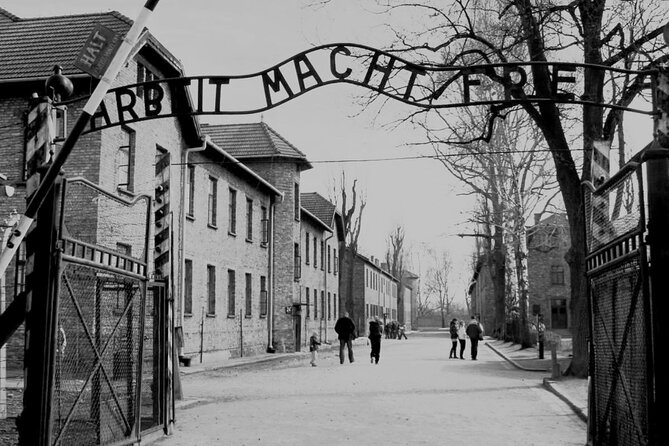
This is one of the hardest places to visit in Europe, and it’s also one of the most important. Auschwitz-Birkenau is described as a symbol of terror, genocide, and the Holocaust. It began as a Nazi camp system in 1940 in the outskirts of Oswiecim, and later became a state museum. You’ll see it presented as a memorial site—so the tone is serious, and the pace is intentionally focused.
The tour information gives the scale: about 1.5 million people from 28 countries perished, including nearly 1 million Jews. The site is also described as the world’s largest cemetery. That’s a lot to take in, and it’s why a guided visit is such a value: it helps you connect dates, policies, and daily mechanisms of persecution to what you’re seeing on the ground.
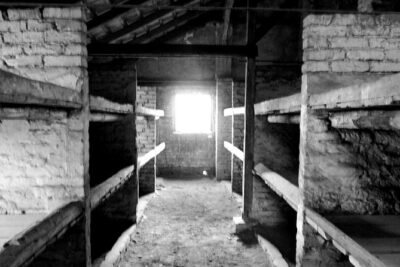
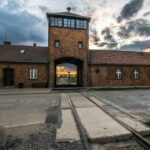
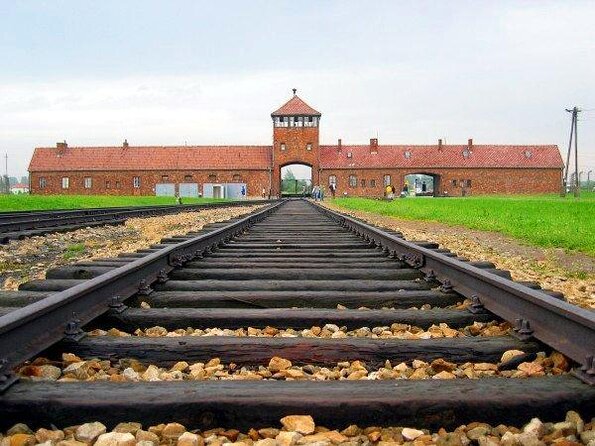
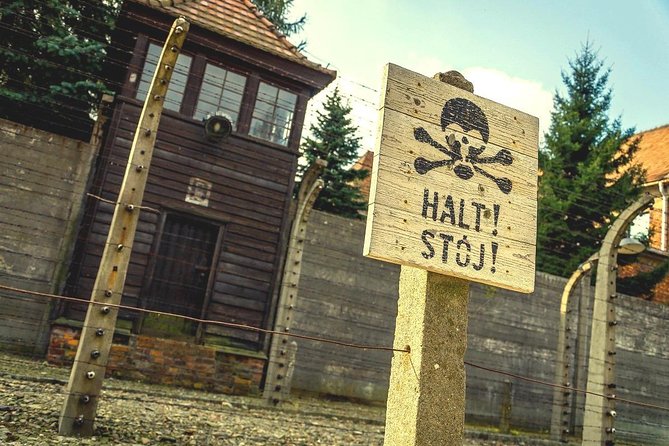
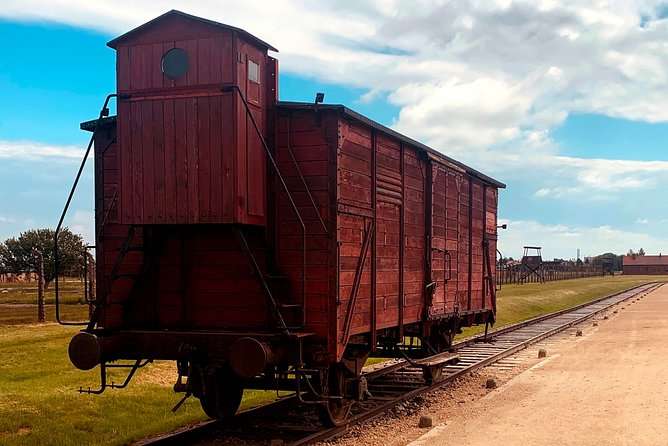
You’ll also encounter the major surviving features that tell how the camp functioned, including gas chambers and crematoria, the Death Wall, the railway ramp, mass graves, prisoner barracks and blocks, and miles of barbed wire and watchtowers. Seeing these elements in order—rather than randomly—helps your brain build a coherent picture.
Stop 1 at Auschwitz I: What the 2-Hour Visit Really Covers
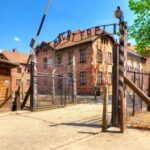
Auschwitz I (Panstwowe Muzeum Auschwitz-Birkenau) is where the story starts to feel concrete and close. Your first guided segment lasts about 2 hours, and admission is included.
You’ll join with the local museum guide provided with the tour, and you’ll move through key Auschwitz areas that are meant to function like exhibits in place. The information you’ll receive is designed to connect the timeline of Nazi terror with the physical reality of the camp: where people were processed, how incarceration was organized, and what the infrastructure was built to do.
Headphones matter here. Even if you’re sitting near the front, the museum areas can get loud and crowded. The tour includes headphones so you can hear the guide clearly, rather than constantly turning your head or guessing at important details.
A couple practical notes from the experience’s reality: the grounds are large, and there’s a lot to read. Some visitors reported that, in busier moments, you can feel a bit rushed and unable to stop long enough to fully absorb display boards. If you already know you like to pause and read slowly, I’d treat this as the “guided essentials” version rather than the “read every label” version.
Stop 2 in Birkenau (Brzezinka): Seeing the Scale Without Getting Lost
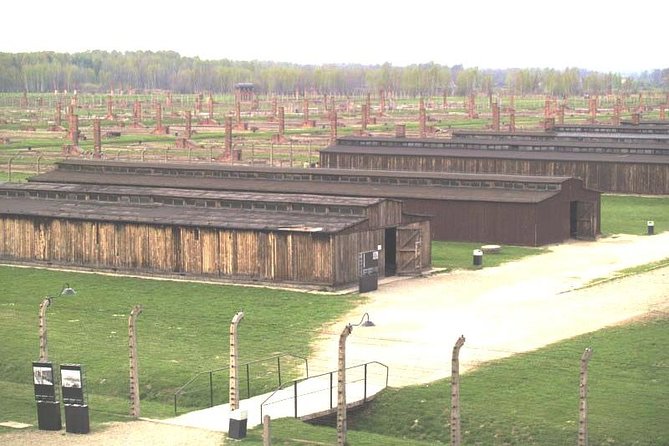
The second camp stop is Birkenau (Brzezinka), and it’s built around the idea of scale. Your guide-led time there is about 1 hour, with admission included.
Birkenau is where the landscape (again, literal here) can overwhelm you. The camp described in tour materials includes a vast system of fences, watchtowers, and sites of mass imprisonment and killing. The goal of the Birkenau portion is to help you understand not just individual horrors, but how the Nazi system operated at enormous capacity.
Because this part can feel visually sprawling, hearing and timing become especially important. If the group is moving and the guide is explaining the next point, it can be tough to stare at everything at once. That’s also where I see the best reason to have a guide in the first place: the guide gives you handles for what you’re seeing—so your brain doesn’t just float from one shock to another.
If you’re hoping for a slow, quiet walk where you control every pause, the shared format might not fit your style. One review pointed out difficulty for guests with disabilities who couldn’t keep up with the guide’s pace at multiple points. If that’s you—if you need frequent breaks or extra time—consider a private option if you can.
Drivers, Small Groups, and Why Skip-the-Line Can Matter
Two big things push this tour above “just book the train and figure it out”:
First, you’re traveling in an organized schedule with professional English guidance. The tour includes headphones and a local museum guide for the museum parts, and the experience is offered in English.
Second, skip-the-line is part of the pitch, and that can be a big deal at Auschwitz-Birkenau. Even if you’re comfortable in crowds, waiting outdoors in early hours is exhausting. Reducing wait time keeps you from burning energy before you even enter.
On the human side, the drivers and organization show up strongly in the feedback names like Igor, Konrad, Michał, Andrew, and Slawek. The consistent theme is that many people found the transfer smooth and the drivers helpful and caring, including in how they handled timing and getting you back to Krakow reliably.
That said, one caution shows up too: a review mentioned hazardous driving in bad weather. You can’t control weather, but you can plan for it—wear sturdy shoes, expect conditions to affect how smooth the ride feels, and don’t overpack your day with extra activities afterward.
Price and Value: What $36.28 Buys You in Real Terms
At about $36.28 per person, this is priced like a budget-friendly “do it right” package. What you’re paying for isn’t just transportation. It’s the combination of:
- Hotel pickup and drop-off
- A shared, air-conditioned minivan
- Professional English guiding during the museum visits
- Headphones
- Admission ticket coverage for the camp entries
- Skip-the-line access
For many visitors, the biggest value is avoiding the mental load. Auschwitz-Birkenau is not the place to also troubleshoot ticket times, transport schedules, and language gaps. This tour handles the flow for you. Even if you’re a careful planner, you’ll spend less time stressing and more time paying attention.
And because it’s a shared group, you’re not paying for a private guide and private vehicle. You do give up some flexibility, but you gain affordability and structure.
Time on the Clock: How to Mentally Prepare for a 7-Hour Day
You should expect the day to feel long even if parts of it are only 1–2 hours. The driving time adds up: about 1 hour 15 minutes each way, plus waiting and shifting between camp zones.
Also, the morning schedule can move faster than you expect. One guest said pickup moved earlier than originally expected, which created confusion and made the day start significantly sooner. That’s not something you can fully control, but you can handle it by staying alert to reconfirmation messages and having a flexible morning plan.
If you’re traveling with a partner or in a small group, build in quiet time later. This experience isn’t just informational—it’s emotionally draining.
Food and Breaks: Don’t Forget the Practical Stuff
Food and drinks are not included. That matters because you’ll want energy for walking and absorbing details. One piece of advice that shows up in feedback: bring a lunch if you can, since you may not be able to take it into the museum areas, but you can often eat between segments—like in the bus—depending on the day’s flow and rules.
Because you’re limited by bag size, think compact: something you can carry easily within the allowed dimensions. Water can also be useful, but you’ll want to keep it simple and follow any site guidelines.
Who This Tour Fits Best (and Who Should Rethink It)
This shared Auschwitz-Birkenau guided day is a strong fit if you want:
- Pickup from your Krakow hotel or apartment
- A guided route that covers both Auschwitz I and Birkenau in one day
- English explanations with headphones so you don’t miss details
- A lower-cost option that still handles transport and admissions
It may be less ideal if you need a slower pace, lots of extra reading time, or frequent mobility breaks. One review mentioned that people with disabilities had trouble keeping up with the group pace, which suggests the shared format may not suit every need.
Also, if you’re the kind of visitor who reads every board and wants uninterrupted time in each area, you might feel you’re being rushed. In that case, a private or smaller-group alternative could be worth the extra cost.
Should You Book This Auschwitz-Birkenau Shared Tour from Krakow?
I’d book it if you want a clear, organized way to do both camps with guidance and fewer logistical headaches. The strongest reasons are the combo of hotel pickup, headphones, and skip-the-line access—plus admission handled for you. It’s also priced low enough that you can still choose it without stretching your budget.
I’d hesitate if you know you’ll struggle with group pacing. In that case, consider whether you truly benefit from a tight schedule, or whether you’d prefer a format that gives you more control over how long you pause in each area.
If you do go with this tour, go in ready: bring your ID, keep your bag within the allowed size, wear good shoes, and accept that this day will stay with you long after you’re back in Krakow.
FAQ
What time does the pickup window start in Krakow?
Pickup is typically scheduled between 06:10 and 07:30 am, and you’ll get the exact pickup time one or two days before your trip by message.
How long is the Auschwitz-Birkenau guided shared tour?
The duration is listed at about 7 hours (approx.), including round-trip travel time and time at both camps.
Is hotel pickup and drop-off included?
Yes. Hotel pickup and drop-off are included, with pickup from your hotel or apartment in Krakow.
Are admission tickets included?
Yes. Admission ticket access is included for the Auschwitz-Birkenau museum areas covered on the tour.
Is the tour offered in English?
Yes. The tour is offered in English.
Does the tour include headphones?
Yes. Headphones are included so you can hear the guide clearly.
What documents should I bring for the visit?
You should bring a document such as an ID card, passport, or credit card, since tickets are registered with participant details.
Is there a luggage size limit?
Yes. The maximum size of backpacks or handbags allowed into the museum is 30 x 20 x 10 cm.
Is food included?
No. Food and drinks are not included on this tour.