REVIEW · KRAKOW
Schindler’s Factory Small-Group Guided Tour
Book on Viator →Operated by Intercrac Sp. z o.o. · Bookable on Viator
Schindler’s Enamel Factory isn’t a simple history stop; it’s a guided walk through multimedia scenes that explain what life looked like under Nazi rule, with an expert guide setting the context as you go. I especially liked the way the tour explains the exhibition as a whole and how it connects ordinary places like a hairdresser, photographer, and tram ride to the wider story of occupation. One heads-up: it’s not a Schindler biography museum, so if you’re hunting for factory machinery and a deep focus on Schindler the man, your expectations may need a tune-up.
The good news for planning is that it runs about 1 hour 30 minutes (often closer to 2 with questions), and the ticket is included. You meet at Lipowa 4 in Krakow, and the group stays small, capped at 25 people, which keeps the pace human and the questions coming.
In This Review
- Key highlights I think you’ll care about
- Schindler’s Enamel Factory: what you’re really walking into
- Price and value: is $45.38 worth it?
- Meeting at Lipowa 4 and how the small-group pace helps
- Entering the Occupation 1939–1945 exhibition (and what to expect)
- The story-walk through daily life: hairdresser, photographer, photoplasticon
- Riding a tram and watching Kraków on screen
- The ghetto labyrinth and a Jewish apartment room
- How the narrative moves toward Płaszów
- Photos, questions, and why the guide’s role is so important
- Who this tour fits best (and who might want a different option)
- Booking timing and cancellation basics, in plain terms
- Should you book Schindler’s Factory small-group guided tour?
- FAQ
- How long is Schindler’s Factory Small-Group Guided Tour?
- Is the museum ticket included in the price?
- Where does the tour start?
- How much does the tour cost?
- How big is the group?
- Is it a biographical museum about Oskar Schindler?
- Are children allowed?
- How flexible is cancellation?
- Is it near public transportation?
Key highlights I think you’ll care about
- A guided exhibition centered on Kraków under Nazi occupation (1939–1945), not a life story of Schindler
- Multimedia history moments, including places like a photoplasticon setup and a tram-with-film segment
- A focused path through ghetto spaces, including a Jewish apartment room setting
- Płaszów is included in the narrative, linking what you see to what happened next
- Small-group feel, max 25, which makes it easier to ask questions and get your bearings
Schindler’s Enamel Factory: what you’re really walking into
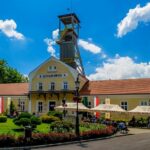
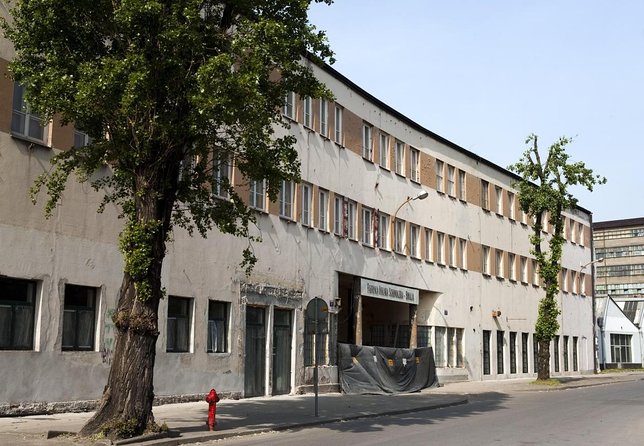
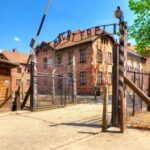
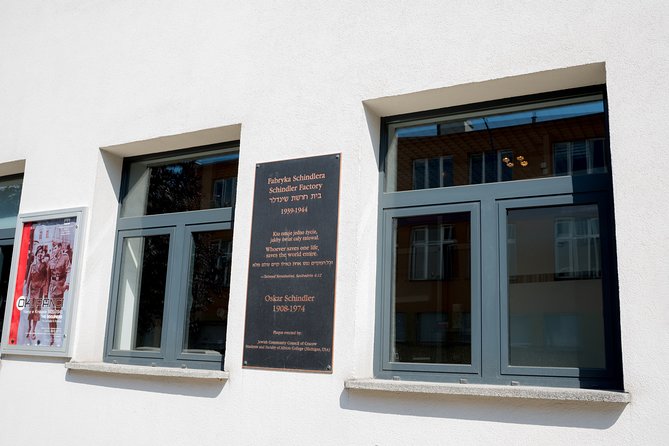
This tour takes place in Schindler’s Enamel Factory museum spaces in Krakow, at 4 Lipowa Street. The main exhibition theme is the story of Kraków under Nazi Occupation 1939–1945, set in the former administrative building linked to the factory.
Here’s the big idea: you’re not touring a “Schindler worked here” tribute. You’re touring a museum that uses the factory setting to talk about the people of Kraków—Polish and Jewish—under German occupation, and the choices and events that shaped survival and suffering during the war.
One practical note from on-site experience: what you see is a mix of preserved and museum-adapted spaces. In particular, the office is described as the only original interior part, while other areas function as exhibit rooms. That doesn’t make the visit less meaningful; it just helps you expect a historical narrative experience more than a factory-production walkthrough.
You can also read our reviews of more guided tours in Krakow
Price and value: is $45.38 worth it?
At $45.38 per person, the price lands in the “this is a serious museum, not a quick stop” category. The value comes from two things: you’re getting a guided explanation tied to the exhibition, and the admission ticket is included for the museum experience.
Also, the duration matters. With an advertised time of about 1.5 hours, you’re likely spending enough time to absorb context without burning half your day. In real life, expect it to stretch toward around 2 hours when the guide builds in explanations and gives you time to ask questions.
If you like museums where a good guide turns a set of rooms into a story with clear cause-and-effect, you’ll usually feel satisfied with this one. If you came hoping for factory machinery details and a “Schindler’s life in chronological order” format, you may feel the money is buying a different focus than you expected.
Meeting at Lipowa 4 and how the small-group pace helps
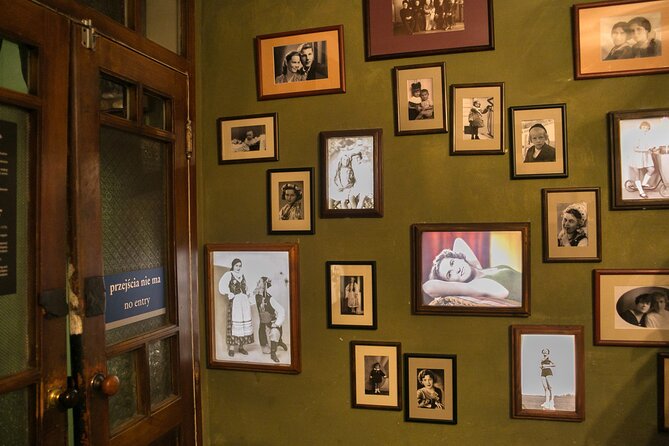
The meeting point is Lipowa 4, 32-051 Kraków. The tour ends back at the same place, which keeps your logistics simple and avoids that last-mile “how do we get back?” feeling.
You’ll want to show up a little early because this is a small-group tour (up to 25 people). That cap isn’t just a comfort feature—it affects the experience. Smaller groups tend to mean your guide can actually pause, answer questions, and keep the flow of the exhibition coherent.
It also helps that the site is near public transportation, so you can pair it with other parts of Krakow without stressing your schedule. And if you’re traveling with kids, the requirement is straightforward: children must be accompanied by an adult.
One more practical comfort: confirmation is received at booking time, which reduces the “wait and hope” feeling that sometimes comes with city tours. And yes, you get the ticket included as part of the experience.
Entering the Occupation 1939–1945 exhibition (and what to expect)
The heart of the experience is the exhibition titled Kraków under Nazi Occupation 1939–1945, located in the former administrative building tied to Schindler’s Enamel Factory. The guide helps you understand not just what the displays show, but what the exhibition is trying to communicate about daily life, control, fear, and survival.
A key expectation to set early: this is dedicated to occupied Krakow, including the fate of Polish and Jewish inhabitants. The story includes Germans as occupiers and Oskar Schindler, but the museum’s center of gravity is the occupation itself—not a purely biographical journey through Schindler’s career.
In other words, you’ll learn how occupation shaped ordinary spaces. The guide’s job is to connect the rooms to a bigger picture so you don’t just read labels—you understand the why behind each scene.
The story-walk through daily life: hairdresser, photographer, photoplasticon
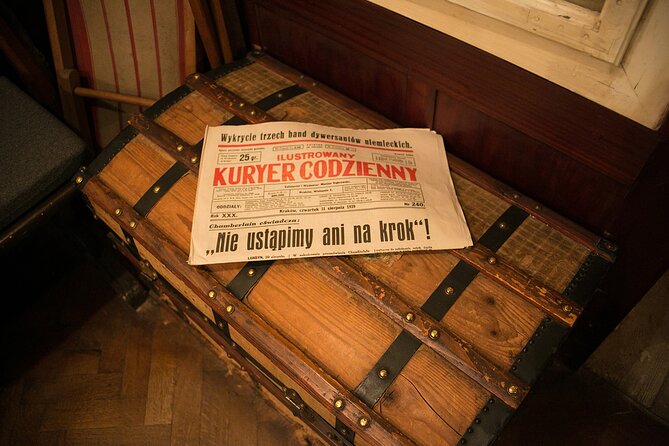
One reason this tour can feel more than “just museum viewing” is the way it stages the world you’d otherwise only read about. As you move through the exhibition, you encounter settings like a hairdresser, a photographer, and an authentic photoplasticon (a reconstructed or preserved phototelling device used in the era).
These details matter because they translate history from abstract facts into a lived environment. You can walk from one setup to the next and see how control and propaganda worked through everyday routines, not only through grand speeches or obvious violence.
If you’re the kind of person who wants the history to feel concrete, this part helps. If you’re expecting only documents and timelines, you may still enjoy it, but you’ll want to pay attention to the guide’s explanation so the multimedia and staged rooms don’t blur together.
Riding a tram and watching Kraków on screen
Another distinctive segment is the tram experience. You get into a tram-style setting where you can view a film about the life of the city through the windows.
This is a smart storytelling tool. Instead of stopping at a frozen “before and after,” it uses movement and visuals to show how the city functioned—then how that normal life was disrupted by occupation realities. It’s also a break from reading-only exhibits, which can help you stay focused during a heavy subject.
You don’t need to be a film fan to appreciate the logic here: the guide uses the tram moment as a bridge so the exhibition feels like a connected journey rather than a sequence of separate rooms.
The ghetto labyrinth and a Jewish apartment room
The tour then moves toward the ghetto section, described as a narrow labyrinth with a Jewish apartment setting inside. This is one of those moments where you can feel the exhibit trying to put you in the position of someone navigating cramped, constrained space under horrific conditions.
What I like about this approach is the way it forces attention to scale and atmosphere. You’re not just learning that people were forced into ghettos—you’re also experiencing how hard it is to think clearly when space, safety, and privacy are stripped away.
The guide matters most here. With the right explanations, the room turns into context: what the apartment represents, what daily life meant, and how the ghetto fits into the larger timeline of occupation and persecution.
How the narrative moves toward Płaszów
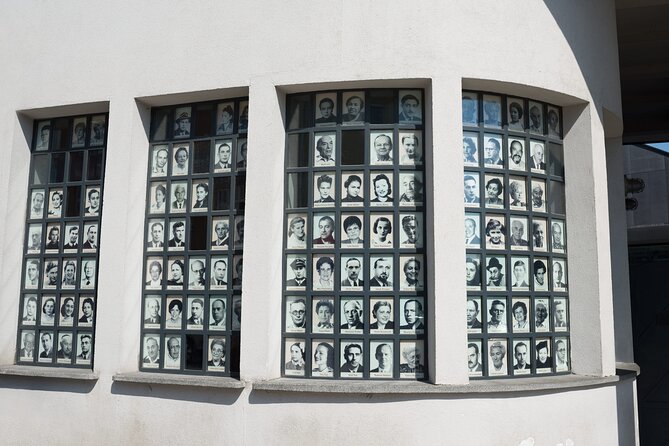
The final portion of the story path follows the people from the ghetto environment toward the camp in Płaszów. The exhibition frames this as continuation of the fate of inhabitants, with the guide connecting what you saw in the preceding rooms to what happened next.
This is one of the reasons the tour works well for people who know the basic story but want a clearer structure. The museum doesn’t just say “this happened.” With guidance, it builds the chain so you can understand the progression from occupied city life to ghetto containment and then to camp reality.
Just keep your expectations aligned with the museum’s format. It’s guided multimedia and staged environments as much as it is factual presentation. If you prefer a strictly archival/document approach, you may want to pair this tour with some time on your own in Krakow’s broader historical resources.
Photos, questions, and why the guide’s role is so important
The best part of this tour, based on how the experience is described, is the guide’s ability to set the scene and keep you oriented. You’re not left wandering room-to-room hoping the labels connect.
Another practical bonus: there are frequent opportunities to take photos and to ask questions during the walk. That’s a real advantage in a museum like this, where you may want clarification on why a display is built a certain way or what a specific reference means.
Group size helps here again. With a cap of 25, you’re less likely to feel rushed or ignored when you have questions.
Who this tour fits best (and who might want a different option)
This is a strong match if you want:
- A guided explanation that turns a serious exhibition into a coherent story
- Multimedia settings that make occupation feel real and specific
- A museum visit that covers the fate of Kraków’s Polish and Jewish inhabitants during 1939–1945
It’s less ideal if your priority is:
- A purely biographical focus on Oskar Schindler (the museum is not presented that way)
- A hands-on factory-operations tour centered on machines and workers as a labor-history walkthrough
A quick way to decide: if you’ve seen the film and you want the museum to tell the bigger occupation story behind the story you already know, this tour tends to work. If you want “more factory, less occupation,” you’ll likely feel the mismatch.
Booking timing and cancellation basics, in plain terms
This experience is typically booked about 29 days in advance on average, so it’s smart to reserve ahead if your dates are fixed. The tour includes the ticket, and it’s run by Intercrac Sp. z o.o.
If your plans might change, cancellation is offered with free cancellation up to 24 hours before the start time. If you cancel inside that window, the refund doesn’t apply, so check your schedule before you click confirm.
Should you book Schindler’s Factory small-group guided tour?
Yes—book it if you want a guided, room-by-room narrative inside Schindler’s Enamel Factory museum focused on occupied Kraków from 1939 to 1945. The best payoff is the combination of multimedia staging (tram, photoplasticon, and ghetto apartment spaces) plus a guide who keeps the story understandable and connected.
Skip or consider another approach if what you most want is factory machinery detail or a Schindler-centered biography. This tour’s strength is how it explains occupation life and the fate of residents, not how it profiles Schindler’s personal story.
If you’re balancing one museum with one guided walk in Krakow, this is a serious pick with clear direction and a small-group format that makes the time feel efficient.
FAQ
How long is Schindler’s Factory Small-Group Guided Tour?
The tour is listed at about 1 hour 30 minutes, though it may take around 2 hours depending on pace and questions.
Is the museum ticket included in the price?
Yes. Admission ticket is included as part of the experience.
Where does the tour start?
Meet at Lipowa 4, 32-051 Kraków, Poland.
How much does the tour cost?
The price is listed as $45.38 per person.
How big is the group?
This tour has a maximum of 25 travelers.
Is it a biographical museum about Oskar Schindler?
No. The museum is dedicated to occupied Kraków from 1939–1945, with Schindler included as part of the broader context rather than as a purely biographical focus.
Are children allowed?
Children can participate, but they must be accompanied by an adult.
How flexible is cancellation?
You can cancel up to 24 hours in advance for a full refund. If you cancel less than 24 hours before the start time, you won’t receive a refund.
Is it near public transportation?
Yes, it’s listed as near public transportation.