REVIEW · KRAKOW
Krakow: Schindler’s Factory & Ghetto & Plaszow Camp Guided Tour
Book on Viator →Operated by Hello Cracow · Bookable on Viator
Kraków gets painfully real on this route. You’ll link Schindler’s Enamel Factory to the ghetto sites and then to Plaszow Concentration Camp, with a guide who helps the place names turn into a story you can actually follow. I love that the first stop is museum time with an exhibition focused on occupied Kraków, not just a biography. I also love that the tour uses real, physical remnants like a 12-metre fragment of the original ghetto wall and a striking memorial of metal chairs.
One thing to consider: this is a heavy subject day with a lot of walking, including uneven ground at Plaszow, so good shoes matter more than you’d think.
In This Review
- Key things to know before you go
- How this tour tells the story of occupied Kraków
- Price and what you’re really paying for
- Meeting at Lipowa 4 and pacing your way through 5 hours
- Stop 1: Schindler’s Enamel Factory at Lipowa 4
- Stop 2: The ghetto wall fragment and its plaque
- Stop 3: Ghetto Heroes Square and the 70 chairs
- Stop 4: Plaszow Concentration Camp area, Liban Quarry, and views
- Museum + sites: what the included ticket gets you
- Who this tour is best for (and who might skip it)
- Making your visit smoother in real life
- Should you book this Kraków Schindler’s Factory and Ghetto/Plaszow tour?
- FAQ
- How long is the tour?
- What is the price per person?
- What’s included in the tour price?
- What is not included?
- Is the Schindler’s Factory Museum ticket included?
- Do I need tickets for the ghetto wall fragment or Ghetto Heroes Square?
- Is there an admission ticket for Plaszow?
- Where does the tour start and end?
- How big is the group?
- Is it okay to participate if I’m not an experienced walker?
Key things to know before you go
- Schindler’s Factory is about Kraków under Nazi occupation: the museum is not a biography, so you’ll learn through the wider system and everyday impact on people.
- You’ll cover multiple sites in 5 hours: the schedule moves from museum to ghetto remnants to Plaszow without feeling like a long slog.
- The ghetto wall and Heroes Square are short stops: plan to stay mentally present even when you’re only there 15 minutes.
- Plaszow includes terrain and a viewpoint climb: expect hills and take comfortable footwear.
- Group size stays small (max 25): you’ll get more human-scale pacing than big-bus tours.
- You skip the museum line for individual visitors: that time-saving matters in Kraków, especially in busy seasons.
How this tour tells the story of occupied Kraków
This tour works because it does not treat World War II in Kraków as separate “attractions.” You start with the occupation context, then you step into the ghetto’s physical footprint, then you move to Plaszow, where forced labor and mass deportation realities took shape.
That flow matters. When you first see the exhibits at Schindler’s Enamel Factory, you’re setting the frame: how Nazi rule changed daily life, how the ghetto system functioned, and how Kraków was reorganized around persecution. Then, the tour shifts to places where you can stand close enough to feel the scale of what happened—even if much of the original infrastructure is gone.
The result is a day that’s less about checking boxes and more about building a clear mental map. If you like tours that turn a city break into a guided understanding of places, you’ll probably enjoy this format.
You can also read our reviews of more guided tours in Krakow
Price and what you’re really paying for
At $76.33 per person for roughly 5 hours, the value comes from two practical things:
First, the tour includes a professional guide plus the entrance ticket to Schindler’s Factory Museum. That museum stop is the “anchor” of the day, and the ticket inclusion saves you time and hassle.
Second, you’re paying for guided sequencing. The ghetto wall fragment and Heroes Square can be meaningful, but they’re also easy to misunderstand if you’re reading them as stand-alone monuments. With a guide, you get the connections between the occupation timeline, the ghetto’s role, and Plaszow’s function.
One small cost note: tram/public transport tickets are not included, so if you’re using transit to get around, budget for that.
Meeting at Lipowa 4 and pacing your way through 5 hours
You meet at Lipowa 4 (the tour start is right by the Schindler’s Factory area), then the tour ends at Henryka Kamieńskiego 57. It’s designed so you can tackle the day without constantly backtracking across town.
The pacing is roughly:
- Schindler’s Factory: about 1 hour 30 minutes
- Ghetto wall fragment: about 15 minutes
- Ghetto Heroes Square: about 15 minutes
- Plaszow camp area: about 1 hour 30 minutes
Plus time for walking and moving between stops.
This is not a sit-everywhere tour. I’d treat it as an active 5-hour outing: you’ll be on your feet more than you might expect from the short “time at each site” numbers.
Also, group size tops out at 25 people, which usually helps with hearing the guide clearly and keeping the pace from turning into a stampede—especially important on memorial sites where silence and attention matter.
Stop 1: Schindler’s Enamel Factory at Lipowa 4
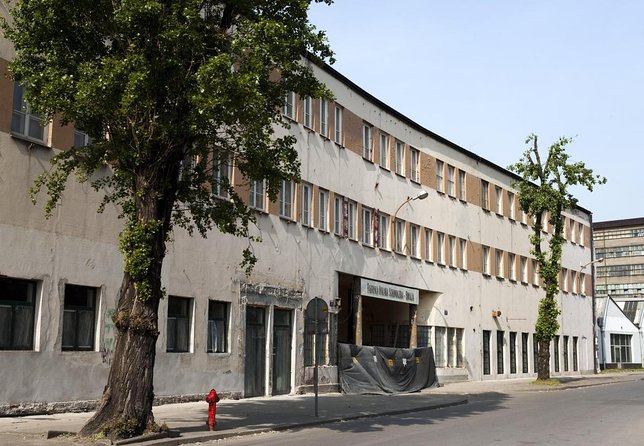
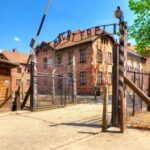
Your day begins at Fabryka Emalia Oskara Schindlera, which is part of Kraków’s Historical Museum. The key detail is right in the way the museum is set up: it’s not a biography museum.
Instead, the main exhibition is titled Kraków under Nazi Occupation 1939–1945. That’s a big deal for how you’ll experience the stop. If you’re expecting a timeline solely focused on Oskar Schindler’s personal story, you may find the emphasis is broader than you thought. But if you want to understand the system that surrounded decisions—how occupation life worked, how persecution intensified, and how the ghetto fit into the bigger structure—this format gives you a grounded starting point.
Practical expectations:
- Plan to spend about 1.5 hours inside.
- The tour gives you context before and after, which helps you not just look at objects but understand what they represent.
- This is also where you benefit from the included ticket and the ability to skip the long line that individual visitors can face.
If you care about making your visit feel coherent, start here and let the museum do the heavy lifting of background.
Stop 2: The ghetto wall fragment and its plaque
Next you visit a 12-metre stretch of the original ghetto wall. It’s one of the most prominent physical remnants of the ghetto in Kraków, and it’s exactly the kind of place where being in front of something real beats reading a paragraph later.
A commemorative plaque was raised in 1983, and the message is in Hebrew and Polish. The wording (about those who lived, suffered, and died, and the final journey to death camps) is meant to fix the wall in memory—not as a curiosity, but as a marker of suffering and deportation.
This stop is short—about 15 minutes—but don’t let that fool you. It’s the kind of place where you’ll likely want a minute to look, then a minute to listen, then a minute to let it settle. A guide helps keep the moment from turning into a rushed photo stop.
If you tend to get emotionally overloaded at memorials, go slowly here. The tour doesn’t ask you to sprint through feelings; it asks you to understand why this fragment is so important.
Stop 3: Ghetto Heroes Square and the 70 chairs
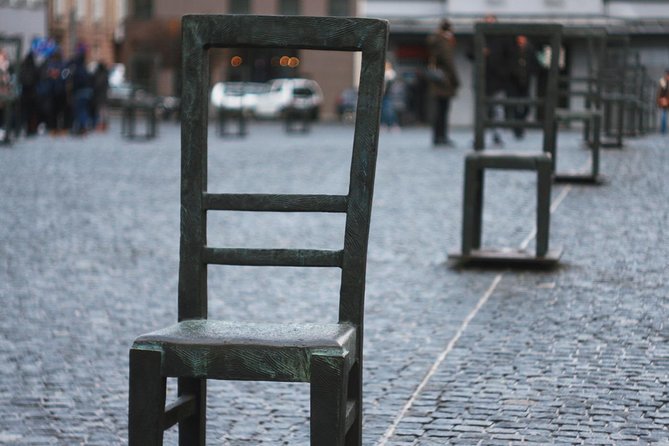
Plac Bohaterów Getta (Ghetto Heroes Square) sits in the Podgórze district. During 1941–1943, it was inside the ghetto area. Today, the square holds a memorial that is hard to forget: dozens of cast-iron chairs set up individually.
The highlight that matters for your visit is what the chairs symbolize: property and belongings of Kraków Jews scattered on the streets after the ghetto was liquidated.
The chairs are unusual, which makes them a strong entry point for a tour like this. They don’t show bodies or graphic scenes. They show absence and loss in a way that’s almost too quiet. And that quiet is part of the point: the Holocaust wasn’t only violence—it was also theft, erasure, and the tearing apart of everyday life.
You’ll spend about 15 minutes here. Use that time to notice details: the spacing, how the chairs sit, how the monument interacts with open space. The guide should connect the symbol to what you just learned at the wall.
Stop 4: Plaszow Concentration Camp area, Liban Quarry, and views
Plaszow is the day’s most sobering part. It’s a Nazi concentration camp in Kraków’s southern suburbs, founded after the German invasion of Poland.
What your guide will likely emphasize is how quickly the camp changed. It opened in 1940 as a forced labor camp plan, then was expanded in 1941 and converted into a concentration camp. From October 28, 1942, deportations of Jews from the Kraków ghetto began.
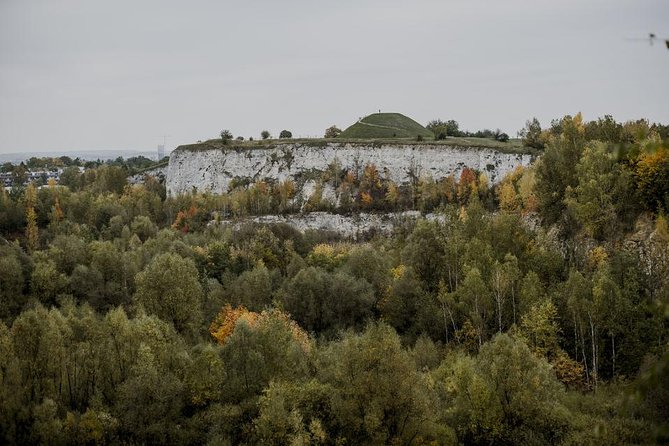
You’ll also hear how Plaszow functioned in practice. It was known for supplying labor to military factories and for work connected to a quarry—specifically mentioned here as Liban Quarry.
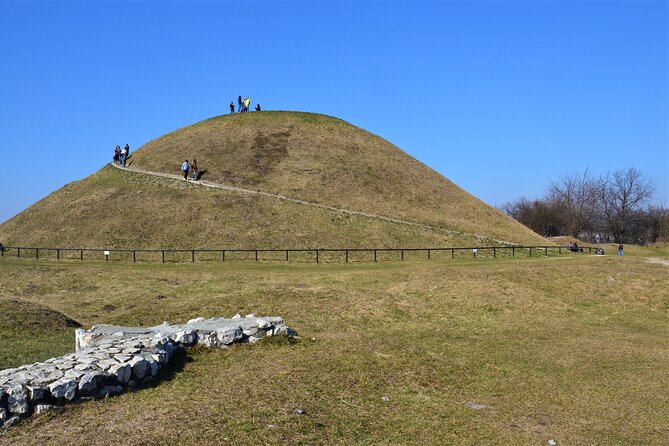
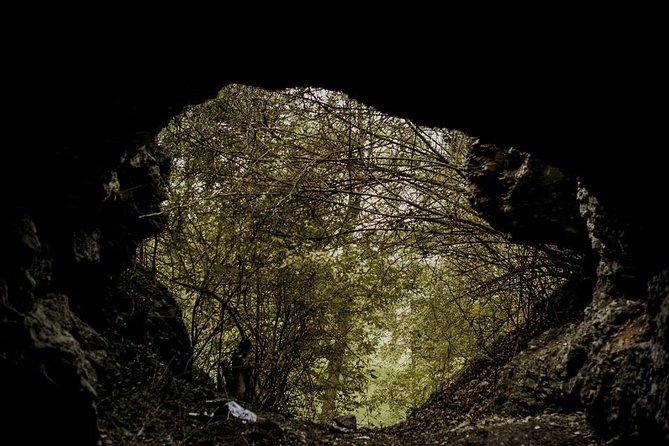
Here’s the part that affects your day physically: you’re not just “looking at a map.” You’ll also have time for a climb up to Krakus Mound as part of this segment. The combination of camp-site walking and a viewpoint climb means you should expect uneven ground. One review tip that makes sense: wear comfortable shoes, because the area can be hilly and muddy in places.
A few more practical details that help:
- The camp entry is listed as free.
- Plan about 1 hour 30 minutes on this portion.
- If the history is emotionally heavy for you, don’t force extra sightseeing right after. Let your brain process before dinner.
This is also where a strong guide can make the difference between “I saw the place” and “I understand what this place meant.” Past guests specifically praised guides by name for clarity in explaining operations of the ghetto and Plaszow. If you’re lucky enough to get a guide like Dominika or Matthew, you’ll probably get a careful, place-based narration rather than broad generalities.
Museum + sites: what the included ticket gets you
Only one thing is included as an entry ticket: Schindler’s Factory Museum. The ghetto wall fragment has an admission ticket that is listed as not included, and the ghetto heroes chairs stop also lists tickets not included. Plaszow itself is free.
So your mental model should be:
- The tour covers the guide and gets you inside Schindler’s Factory without extra fuss.
- The remaining stops are structured so you still visit major memorial elements, but you may not have tickets pre-paid for every element.
Even so, the biggest time value is still at the museum: the tour helps you avoid the long line individual visitors can face.
Who this tour is best for (and who might skip it)
This is a great match if you:
- want history tied to specific Kraków locations rather than lecture-only content
- care about understanding how the occupation machinery worked in Kraków
- like off-the-main-district stops, not just the headline names
It may not be the best fit if you:
- want a light, relaxed city break with minimal walking
- want only Schindler-focused biography (this museum is not biographical)
- get overwhelmed easily by Holocaust-related content
But if you can handle a serious theme and you’re willing to walk a bit, you’ll likely find the day’s structure helps you connect the dots fast.
Making your visit smoother in real life
A few practical tips that matter for this exact route:
- Bring good footwear. Plaszow can be uneven and muddy; comfortable shoes are not optional comfort here.
- Plan for a mentally heavy day. You’re moving from museum context to memorial remnants and a camp area. Give yourself time to absorb, not just photograph.
- Stay present at the short stops. The wall fragment and Heroes Square are only about 15 minutes each. If you treat them as quick photo breaks, you’ll miss the meaning.
- Use the guide time wisely. In the camp segment especially, the value is in interpretation. Ask yourself what question you want answered before the guide starts speaking, then listen for it.
Also, weather can change how the day feels. Some visitors noted tours running in inclement conditions, and having a guide who keeps you moving at a steady pace makes a difference.
Should you book this Kraków Schindler’s Factory and Ghetto/Plaszow tour?
I’d recommend booking if you want an organized, guided route that connects occupied Kraków to the ghetto’s physical remnants and then to Plaszow’s wartime role. The inclusion of the Schindler’s Factory ticket, the skip-the-line benefit, and the small group size make it a solid value for a serious subject.
I’d skip it only if you want an easy day, or if you’re strictly hunting for a purely biographical Schindler story. The museum’s focus is broader than that, and the tour includes real walking time.
If your goal is to leave Kraków with a clear map in your head and a deeper understanding of what these places meant, this tour does that job well.
FAQ
How long is the tour?
The tour runs for about 5 hours.
What is the price per person?
The price is $76.33 per person.
What’s included in the tour price?
You get a professional guide and the entrance ticket to Schindler’s Factory Museum.
What is not included?
A tram/public transportation ticket is not included.
Is the Schindler’s Factory Museum ticket included?
Yes. Entrance to Schindler’s Factory Museum is included.
Do I need tickets for the ghetto wall fragment or Ghetto Heroes Square?
The admission ticket for the ghetto wall fragment and the Ghetto Heroes Square stop is listed as not included.
Is there an admission ticket for Plaszow?
Plaszow entry is listed as free.
Where does the tour start and end?
It starts at Lipowa 4, 32-051 Kraków, Poland and ends at Henryka Kamieńskiego 57, 30-644 Kraków, Poland.
How big is the group?
The maximum group size is 25 travelers.
Is it okay to participate if I’m not an experienced walker?
Most travelers can participate, but the Plaszow area can be hilly and muddy, so you should wear comfortable shoes.