REVIEW · KRAKOW
Krakow: Schindler’s Factory & Ghetto Guided Tour
Book on GetYourGuide →Operated by EVENTS MANAGEMENT Sp z o.o. · Bookable on GetYourGuide
Krakow hits hard, in the best way. This 3-hour tour pairs Schindler’s Factory with a guided walk through Podgórze, so you see how Nazi occupation reshaped daily life and how Krakow remembers it today. I love the way the experience moves from the museum story to the real streets afterward, and I really like that the commentary is delivered with a headphone system that keeps everyone hearing clearly. One thing to consider: it’s a focused, heavy subject, and you’ll spend real time looking at preserved traces of what happened, so it helps to mentally prepare.
The guide experience matters here. You’ll get a professional, live guide (English and other languages) who helps you connect the museum’s timeline to what you’ll see outside, including the ghetto wall remnants and key landmarks in Podgórze. The walking portion complements the exhibition well, but it’s still a set route, so if you want hours of free time for wandering, you may feel a little boxed in by the 3-hour structure.
In This Review
- Quick hits before you go
- Schindler’s Factory and Podgórze: how this tour tells the whole story
- Where you meet and how the 3 hours are paced
- Inside Schindler’s Factory: what you’ll actually see in the exhibition
- The headphone system is more than comfort
- Podgórze streets on the guided walk: seeing history at walking speed
- A reminder: this is not casual sightseeing
- Ghetto wall remnants and real-world constraints
- Pod Orłem pharmacy: why one historic shop matters
- Heroes’ Square and the Empty Chair Monument with 68 chairs
- Guides who make it click: named voices you may hear
- Price and value: is $58 worth it?
- Language options and what that means for your comfort
- Practical tips so you don’t miss anything
- Who this tour is best for
- Should you book Schindler’s Factory and the Podgórze ghetto walk?
- FAQ
- How long is the tour?
- Where do I meet the guide?
- What’s included in the price?
- What is not included?
- Is there a skip-the-line benefit?
- Do I need to bring identification?
- Are the start times guaranteed?
- What languages are available for the guided tour?
Quick hits before you go
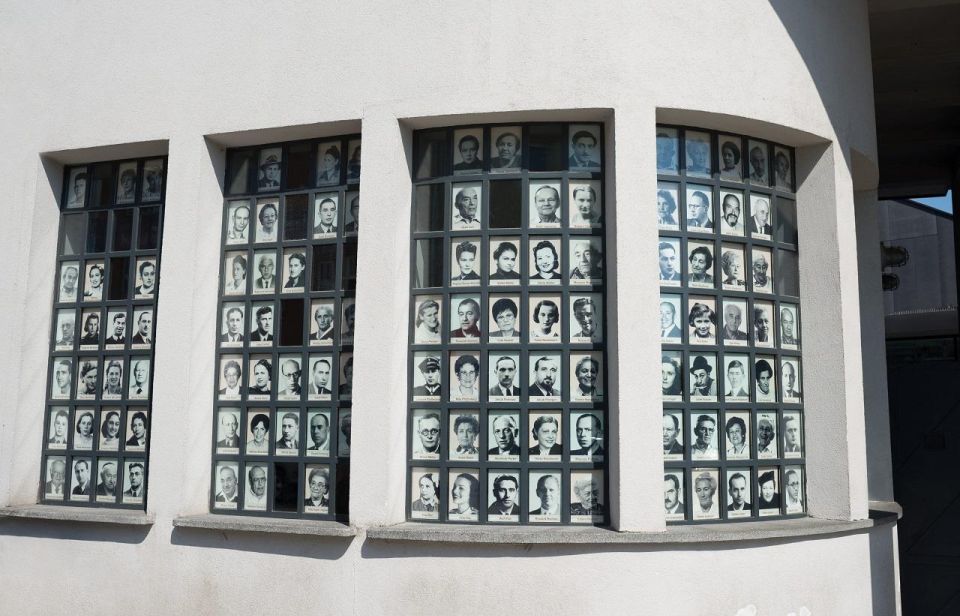
- Schindler’s Factory skip-the-ticket-line entry plus a guided visit
- Krakow Under Nazi Occupation is framed as a chronological story, not random exhibits
- Podgórze on foot includes ghetto wall remnants and surviving structures
- Pod Orłem pharmacy adds a tangible, everyday setting to the wartime story
- Heroes’ Square Empty Chair Monument shows the symbolic 68 chairs in context
- Headphone-guided commentary helps you catch every detail while walking
Schindler’s Factory and Podgórze: how this tour tells the whole story
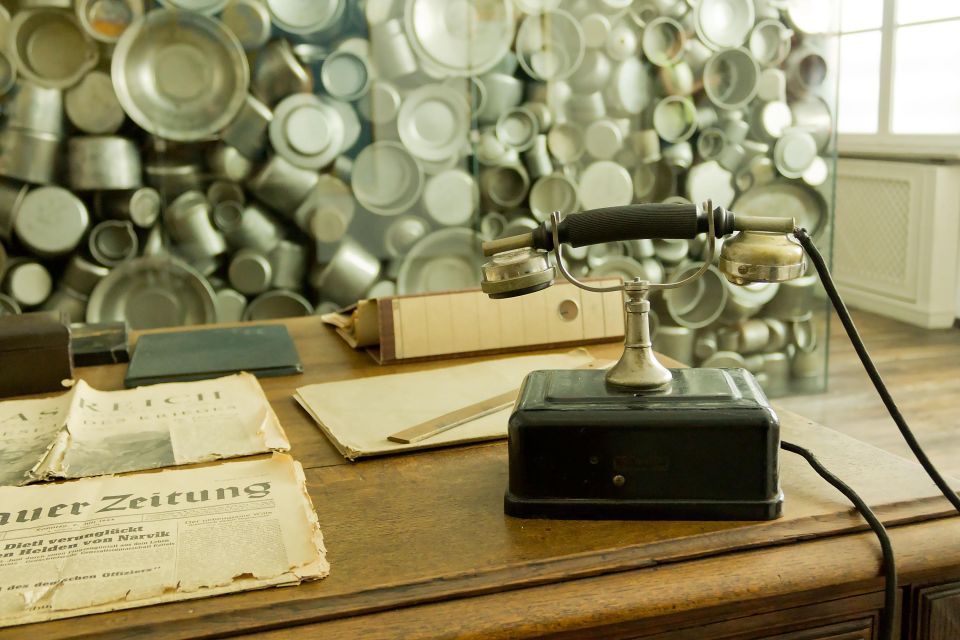
This tour is built like a cause-and-effect lesson. First you step inside Oskar Schindler’s Factory, where you follow the exhibition account of Krakow under Nazi occupation. Then you walk out into Podgórze and see surviving reminders—buildings, walls, and memorials—that help the museum story land in a physical place.
That pairing is the big value. A museum visit alone can feel like information. A street walk alone can feel like locations. Together, you get context you can actually remember: how events unfolded, who was affected, and what was left behind.
You can also read our reviews of more guided tours in Krakow
Where you meet and how the 3 hours are paced
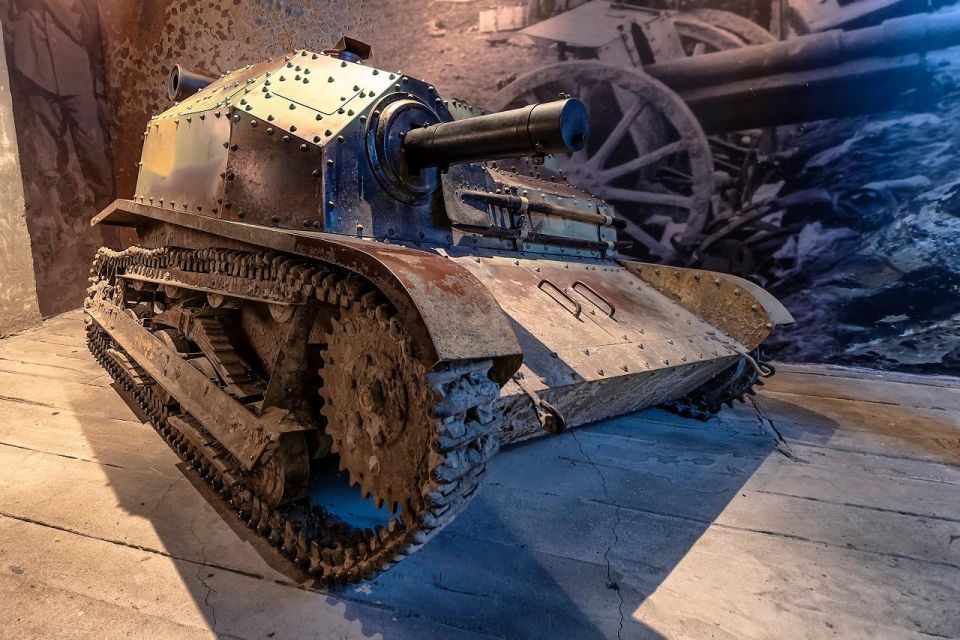
You meet at the main entrance to Schindler’s Factory Museum, in front of the entrance with the excursions.city sign. From there, your guide takes you through the museum and then continues with the Podgórze walking portion.
The whole experience runs about 3 hours. In practice, it’s long enough to cover the main museum narrative and several meaningful stops outside, but it’s not so long that you lose the thread. If you like a structured format—get the key story, then move to the street context—this timing works well.
One logistics note to plan around: for January 1, 2026, museum scheduling may shift timing, and the start times are approximate. The tour still follows a plan, but exact timing isn’t guaranteed.
Inside Schindler’s Factory: what you’ll actually see in the exhibition
Your museum visit focuses on the exhibition Krakow Under Nazi Occupation. The guide’s job is to help you follow the sequence: how occupation changed daily life, how persecution tightened, and how Oskar Schindler’s role fits into the wider picture.
The best part of this museum section is not just the artifacts. It’s the way the story is handled as a timeline, so you can track how conditions worsened step by step instead of absorbing everything as separate facts. This matters because the wartime period can otherwise feel confusing—dates blur, and people forget what came first.
You also have real practical perks. You get tickets included and the tour includes skip-the-ticket-line entry, which helps you avoid wasting your time staring at lines while your energy is still fresh.
The headphone system is more than comfort
In a tour like this, audio clarity is everything. This one uses a headphone system to relay the guide’s commentary. That sounds like a small detail until you’re standing in rooms with other visitors or walking through streets where you’d otherwise strain to hear. It’s a simple way to make sure you catch what your guide is explaining.
Podgórze streets on the guided walk: seeing history at walking speed
After the museum, you move into Podgórze, and that’s where the experience becomes more grounded. The guide takes you through parts of the area associated with wartime displacement, so you don’t just hear about the ghetto—you walk past the kind of spaces where people lived.
Expect stops that include:
- remnants of the ghetto wall
- dwellings where thousands of displaced Jews once lived
- streets that help you understand how limited space and control affected everyday movement
This street segment is powerful because you can measure scale. In a museum room, everything is framed and controlled. On the street, your body understands distance: how close things are, how far you’d have to move, and how visibility could shape safety or danger.

A reminder: this is not casual sightseeing
You’ll be looking at evidence of a brutal system. The tone of the walk is not light. I’d treat this like a serious cultural and historical visit, not a quick stop between coffee and dinner.
Ghetto wall remnants and real-world constraints
Seeing sections of the ghetto wall makes the past feel less abstract. You start to understand that the persecution wasn’t only in documents—it was in the layout of streets, barriers, and forced boundaries.
Your guide helps connect these structures to what people faced daily. That’s the key. The wall is physical. The suffering is human. The tour’s value is bridging those two, so you’re not staring at stones without knowing what that stone meant for someone’s life.
If you’re the type who likes to “read” a city with your eyes—looking for how places shape behavior—this section gives you plenty to work with.
Pod Orłem pharmacy: why one historic shop matters
One of the walk stops is the historic Pod Orłem pharmacy. It’s an ordinary sort of building in a normal city story—until you place it in the occupation-era setting.
This is where you’ll likely feel the most shift in perspective. Wartime history can sometimes turn into numbers, systems, and big dates. A recognizable location like a pharmacy brings the story back to everyday needs: health, supplies, care, and the strange tension between normal services and abnormal reality.
The guide’s framing helps you see why this stop isn’t random. It’s a way to give the story a human scale.
Heroes’ Square and the Empty Chair Monument with 68 chairs
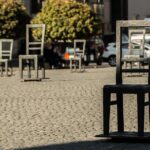
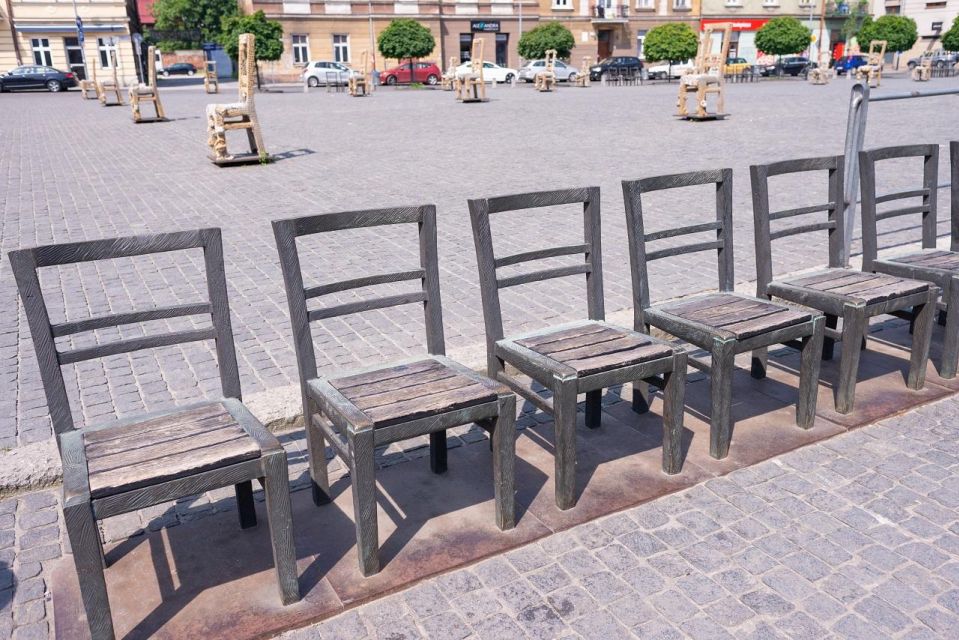
The walk ends at Heroes’ Square, with the Empty Chair Monument. It features a symbolic set of 68 chairs, and the guide connects that symbolism to the people the memorial represents.
What makes this stop hit is that it’s not inside a museum case. You’re outdoors, looking at a constructed space of remembrance. The guide’s explanation makes the chairs feel like a language, not just an installation.
If you want a clear “final note” after the heavier street content, this monument gives you that sense of closure without turning the subject into sentiment.
Guides who make it click: named voices you may hear
What really comes through is the quality of the live guide. In recent experiences, guides such as Hannah and Helen/Helena have been praised for strong background and engaging storytelling, and one German-language guide, Frau Weßling, has been highlighted for impressive command and smooth delivery.
Even if you don’t get the same guide, the pattern is consistent: you should expect a guide who talks through the why behind what you’re seeing, not just what it is.
Price and value: is $58 worth it?
At $58 per person for about 3 hours, this tour is priced like more than a basic walking experience. You’re paying for:
- museum tickets to Schindler’s Factory
- a professional guide
- a guided walking route through Podgórze
- skip-the-ticket-line entry
- live commentary in multiple languages
If you compare it to piecing it together yourself—buying museum entry, figuring out route logic, and then hiring or joining a guided explanation—the guided structure becomes the value. You’re not just paying to get in. You’re paying to understand.
The other value is time. With a set duration and a planned sequence, you can spend your limited Krakow hours in a way that’s easier to follow and harder to misinterpret.
Language options and what that means for your comfort
The tour offers live guides in German, Italian, French, Spanish, and English. That matters because the content is specific and emotionally heavy. You’ll get the full benefit only if you understand the explanation without guessing.
If you’re comfortable in English (or another supported language), you’ll likely appreciate how the guide links the museum narrative to the walking stops.
Practical tips so you don’t miss anything
This tour works best when you come prepared to pay attention. A few practical ideas:
- Wear shoes you can walk in for a sustained street segment.
- Give yourself a minute before the tour starts to orient yourself at the museum entrance.
- During the headphone commentary, keep your gear settled so you’re not fiddling with it while walking.
- Mentally pace yourself. The museum section is focused, then the street walk continues the tone without much break.
If you get the “tour fatigue” feeling on busy days, this one is still worth it—but I’d avoid stacking it with another major museum right before or after.
Who this tour is best for
This is ideal if you want:
- a structured, guided understanding of Krakow under Nazi occupation
- a combination of museum learning plus street-level context
- a tour that uses explanations (headphones and live guidance) to keep the story clear
It’s also a good fit for first-time visitors to Krakow who want to spend their limited sightseeing time wisely. And if you plan to visit other memorials around the city, this gives you a foundation for understanding what you’ll be seeing.
Should you book Schindler’s Factory and the Podgórze ghetto walk?
Yes, if you want a guided experience that connects places to meaning. The mix of Schindler’s Factory and the Podgórze walking segment makes the story easier to follow, and the headphone system helps you actually hear the details instead of struggling through noise.
I’d especially recommend it if you care about context and want the route to do some of the thinking for you. If you’d rather skim, linger, and self-explore without a tight structure, you might find the 3-hour format a bit planned.
If your goal is to leave Krakow with a clearer understanding of what happened here—and what remains visible today—this is a strong booking.
FAQ
How long is the tour?
The tour lasts about 3 hours.
Where do I meet the guide?
Meet the guide in front of the main entrance to Schindler’s Factory Museum, with the excursions.city sign.
What’s included in the price?
The package includes tickets to Schindler’s Factory Museum, a walking tour, and a professional tour guide.
What is not included?
Food and drinks, and hotel pickup/drop-off are not included.
Is there a skip-the-line benefit?
Yes. Tickets include skip-the-ticket-line entry.
Do I need to bring identification?
For entry to Schindler’s Factory Museum, you must bring a passport or ID, and reservations require full names of all participants.
Are the start times guaranteed?
Times are approximate and may change due to Schindler’s Factory Museum scheduling. You can choose a preferred time, but the exact time is not guaranteed.
What languages are available for the guided tour?
The tour is offered with live guides in German, Italian, French, Spanish, and English.