REVIEW · KRAKOW
Krakow: Oskar Schindler’s Factory Guided Tour&Pickup Options
Book on GetYourGuide →Operated by GLUZINSKI CITY TOUR KRAKOW SP. Z.O.O · Bookable on GetYourGuide
Dark history, guided with care. I love the skip-the-line entry and how the guide lays out the story with a clear timeline, so Nazi-occupied Kraków makes sense fast.
Here’s the thing to consider before you book: this tour is built around the broader exhibition on life during the occupation, not only a tour of Schindler’s business. If you’re mainly hoping for factory details, plan to absorb the wider Kraków story too.
In This Review
- Key highlights worth your time
- Schindler’s Enamel Factory Museum: what you’re walking into
- The 90-minute story of 1939–1945 in Kraków
- Skip-the-line entry, headsets, and meeting outside the museum
- Kraków under Nazi Occupation exhibits: artifacts, photos, and fear in the lighting
- Schindler’s factory as refuge, and why individuals mattered
- Guide quality in real terms: timeline, pacing, and emotional accuracy
- Is $55 good value for Schindler’s Factory?
- Who should book this tour (and who might rethink it)
- Should you book this tour?
- FAQ
- How long is the Schindler’s Factory guided tour?
- Where is the meeting point?
- Does the price include skip-the-line admission?
- What’s included in the tour?
- Is the tour offered in English and other languages?
- Do I need to bring ID or a passport?
- Is the tour wheelchair accessible?
- Is there free cancellation?
- Can I reserve and pay later?
- FAQ (continued)
- Are the tour times exact?
Key highlights worth your time
- Skip-the-line admission that saves you from ticket chaos outside a major site
- A licensed expert guide who explains the occupation with structure and sensitivity
- Kraków under Nazi Occupation 1939–1945 as your backbone storyline
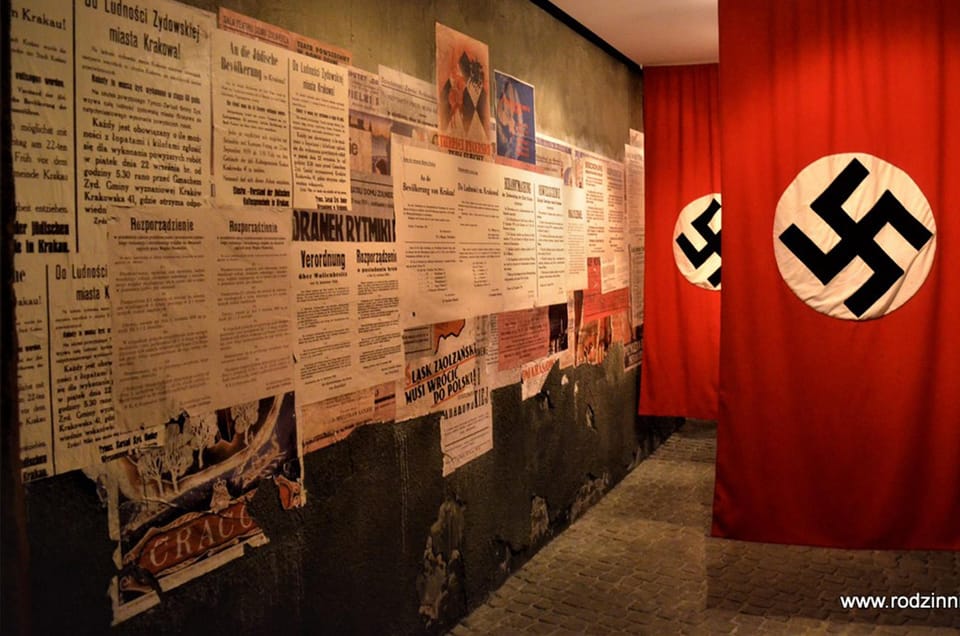
- Atmospheric rooms with narrow layouts and dim lighting that match the subject
- Schindler’s factory as refuge for over a thousand Jewish workers
- Headsets for larger groups (15+), so you don’t have to lean and strain
Schindler’s Enamel Factory Museum: what you’re walking into
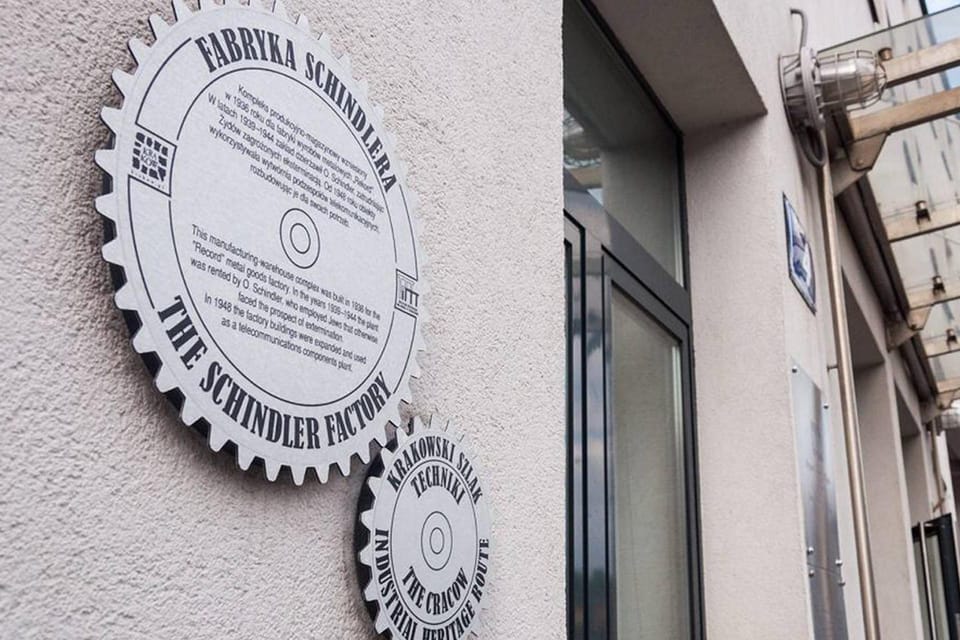
Schindler’s Factory in Krakow is not a dusty stop you rush through. You’re entering Oskar Schindler’s former enamel workshop site, now turned into one of the city’s most visited museums. The museum’s power comes from how it mixes Schindler’s story with the everyday reality of a city under Nazi rule.
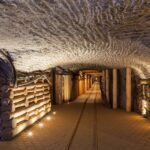
You’ll spend your time in galleries shaped to feel tense and constrained. Many rooms are intentionally narrow and dimly lit. That sounds like a design choice, but it matters for your understanding: it helps you “get” the emotional atmosphere of living with fear and uncertainty, not just memorize dates.
The main exhibition you’ll follow is called Kraków under Nazi Occupation 1939–1945. That title is practical. It tells you the tour’s scope: from the invasion and occupation period through the consequences for Krakow’s residents, including the destruction of the Jewish community there.
Also, this is a licensed guided experience. You’re not left to interpret symbols alone. The guide is there to connect the dots—between artifacts, photos, and the larger historical events—and to keep the chronology clear.
One more practical note: the meeting point is directly in front of the Museum Oskar Schindler’s Factory entrance. If you’re trying to coordinate with other plans, build in a few minutes buffer so you’re not sprinting in at the last second.
You can also read our reviews of more guided tours in Krakow
The 90-minute story of 1939–1945 in Kraków
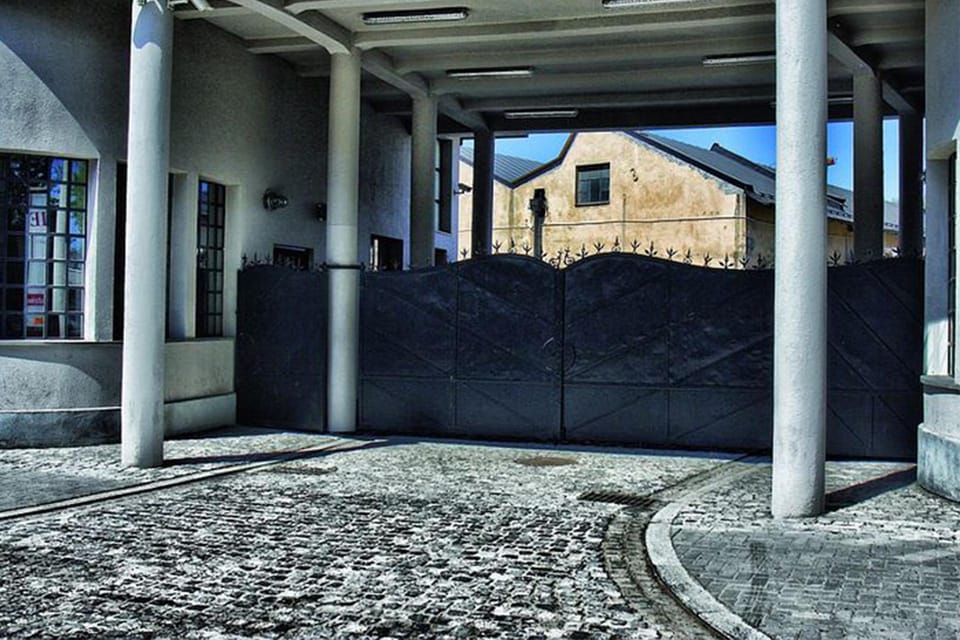
The tour is about 90 minutes. That’s just enough time to get oriented, follow the occupation timeline, and come away with a real understanding of what happened—without turning it into a marathon.
What you can expect as you move through is a guided path through multiple themes:
- how the occupation changed Krakow’s daily life
- what persecution looked like on the ground
- how deportations and destruction unfolded
- how individuals—Jewish and non-Jewish—responded in different ways
A detail I really like about this kind of structured museum tour is that it prevents the “random museum syndrome.” Instead of you bouncing between rooms, you’re guided to see how each section supports the next. One review highlighted the value of a timeline, and that’s exactly what you want here. With so much tragedy and so many names and dates, pacing is everything.
Also, the way the museum rooms are staged means you won’t feel like you’re in a normal classroom. Expect the experience to be emotional. It’s not shock-for-shock’s-sake. The setting and lighting are designed to make the story feel immediate.
If you’re the type who likes to take photos, you’ll likely find plenty of moments worth documenting. But be mindful: in museums like this, some exhibits may be more sensitive than others, so follow the guidance of your guide and museum rules on-site.
Skip-the-line entry, headsets, and meeting outside the museum
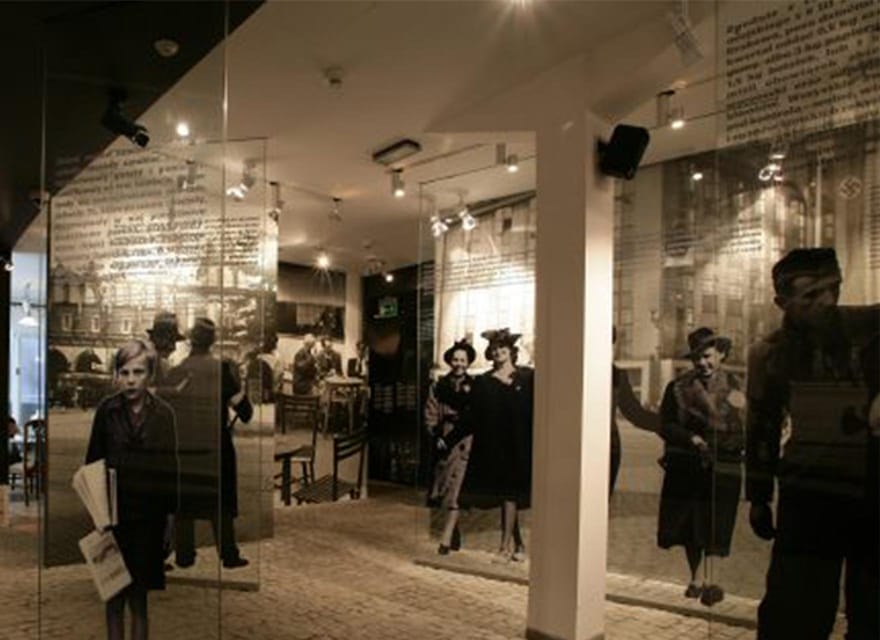
The “skip the lines” part is not marketing fluff. Schindler’s Factory is a top Krakow attraction, and normal entry lines can eat up your energy. By booking this guided option with skip-the-line admission, you get into the museum without wasting your morning standing around.
You meet right in front of the museum entrance. That’s great for first-timers because you don’t need a scavenger hunt. Just aim to arrive a bit early, especially if your day includes other timed tickets.
Communication is also handled. If your group has 15 or more participants, you’ll receive headsets. That small detail is big in practice. Museums can be loud with movement, and guides need to be audible without shouting. Headsets keep the experience clear so you can actually follow the story.
About pickup options: the title mentions pickup, but the practical info you have here centers on the meeting point at the museum entrance. So if you’re relying on pickup, confirm the pickup details when you book. Otherwise, plan on showing up at the museum front.
Finally, English, French, German, Spanish, and Italian are offered. If you’re not comfortable in English, you’ll likely have options that fit you without needing to translate in your head.
Kraków under Nazi Occupation exhibits: artifacts, photos, and fear in the lighting
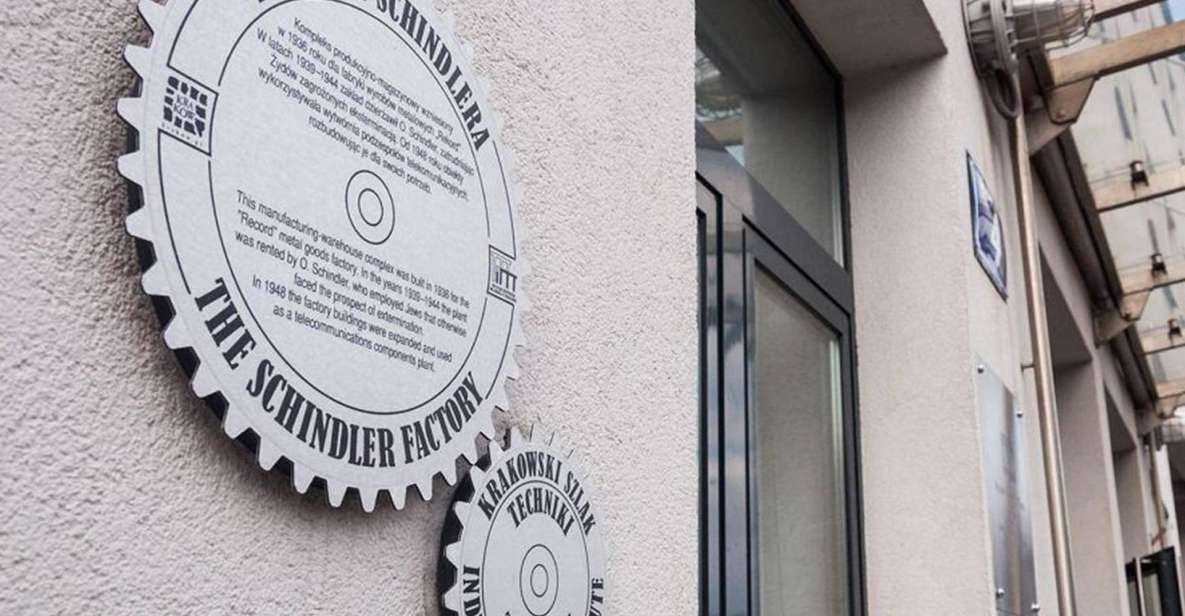
This tour’s spine is the exhibition Kraków under Nazi Occupation 1939–1945. It’s designed to show how the war transformed the city and the lives of both Jewish and non-Jewish residents.
As you walk through, you’ll encounter:
- authentic artifacts
- historical photographs
- reconstructions meant to create an accurate sense of what life and fear could feel like
The museum uses design like narrow, dim rooms to reflect uncertainty and tension. That isn’t just mood-setting. It’s the museum’s way of reminding you that this wasn’t a backdrop. People were trapped inside these conditions.
What you’ll likely appreciate most is how the guide connects the display material to the bigger events. A couple of reviews praised guides for emotional, competent delivery, and that matches what makes museum history tours work. You need more than facts. You need explanation that helps you understand scale, cause and effect, and why certain details mattered.
One caution comes from feedback suggesting that the tour focus can feel heavier on the broader occupation story than on Oskar Schindler’s personal involvement. That doesn’t mean the Schindler elements vanish, but it’s worth calibrating your expectations:
- If you want a Schindler-focused biography tour, you may want to check that your guide’s route and emphasis aligns with what you’re seeking.
- If you want the context of Nazi-occupied Krakow—and how Schindler’s factory fit into that world—this format is exactly on target.
Schindler’s factory as refuge, and why individuals mattered
Oskar Schindler’s story is central to why this site exists. In the tour, you’ll learn how his enamel factory became a place of refuge for more than a thousand Jewish workers. That’s the heart of the “Schindler’s factory” idea: not just a business location, but a narrow, dangerous window where survival could sometimes be fought for.
Still, the tour doesn’t treat Schindler like a lone hero in a vacuum. One review specifically mentioned appreciation for recognizing the efforts of many individuals, not just one famous name. That’s important. In real life, rescue and resistance were rarely clean or simple. People helped in different ways, under different risks, and often with limited power.
What you’ll take away, if you let the guide do the connecting work, is how the museum frames the tragedy’s scale while keeping human choices visible. You’ll see how persecution, deportations, and destruction reshaped the city. And then you’ll see how—inside that darkness—some people acted with courage.
This is also a tour that makes you think about what “memory” means in a place like this. It isn’t only about the past. It’s about how a city teaches future generations what happened.
If you want the most meaningful experience, keep your attention on the structure of the story rather than only hunting for specific names. The museum works best when you follow the timeline and let the guide connect the dots.

Guide quality in real terms: timeline, pacing, and emotional accuracy
The guide is the difference between a forgettable museum visit and a tour that sticks with you. In feedback, guides were praised for being excellent, competent, and emotionally respectful. That matters here because the material is heavy. You want a guide who can hold the subject without turning it into a lecture.
One review singled out a guide named Anna for personalizing the experience and using a timeline effectively. That’s exactly the skill you want for Kraków under Nazi Occupation. Without timeline pacing, visitors can lose the thread—especially when the museum includes many themes and moving parts.
Another review mentioned the invasion presentation made the impact feel real, and that Schindler’s efforts weren’t minimized. That suggests the guides aim to balance:
- the occupation’s broad transformation of Krakow
- the particular role Schindler’s factory played
- the wider network of people who tried to help
You should also expect good organization. One review called the organizational side perfect. In practice, that usually means the group moves smoothly, the guide keeps everyone together, and you don’t spend half your time waiting at the next doorway.
Finally, headset use for groups of 15+ helps the guide stay audible, which in turn improves your ability to follow the story and ask questions if the format allows it.
Is $55 good value for Schindler’s Factory?
At $55 per person for roughly 90 minutes, you’re paying mainly for two things:
1) the licensed expert guide
2) skip-the-line admission, which protects your time and reduces stress
If you were to visit independently, you’d still get the museum’s content, but you’d likely miss the connective tissue—how the chronology, objects, and themes fit together. In a museum like this, that connective tissue is the difference between seeing displays and understanding the full story.
The price also includes headsets for larger groups (15+), which you don’t usually get with a basic ticket. That keeps the experience accessible and comfortable, even when the museum is busy.
So does $55 feel “worth it”? For me, yes—if you value guided context and a time-saving entry process. It’s especially worth it if you only have a limited window in Krakow and you want your history time to count.
If you’re traveling with someone who prefers to move at their own pace, or if you already know the story well and want maximum independent freedom, you might compare options before booking. But for most first-time visitors, the guided format delivers strong value.
Who should book this tour (and who might rethink it)
You’ll love this tour if you:
- want a structured understanding of Kraków during 1939–1945
- care about expert guidance more than fast browsing
- prefer a museum visit that’s paced with a timeline
- want the emotional atmosphere handled with context, not just shock
It may be less ideal if you:
- want a purely Schindler-centered walkthrough with deep factory specifics
- expect the tour to function like a business history of the enamel operation
- need a light, casual museum day (this is not that)
One more practical match: the tour is wheelchair accessible, which is a genuine positive if mobility access is a key factor for you.
If you’re deciding between this and another Krakow history stop, treat Schindler’s Factory as your anchor for occupation-era context. Then pair it with other sites based on your interests—Jewish heritage, wartime geography, or the city’s postwar recovery.
Should you book this tour?
I think you should book if you want the best possible chance of understanding what happened and why it matters. The skip-the-line entry protects your schedule, and the guide is the core of the experience—especially with timeline pacing and emotionally careful explanation.
Book it with the right expectations too. This tour is about Kraków under Nazi occupation, with Schindler’s factory and his role as a crucial thread through that story. If you’re okay with that balance, it’s an intensely meaningful use of 90 minutes.
FAQ
How long is the Schindler’s Factory guided tour?
The tour lasts about 90 minutes.
Where is the meeting point?
You meet directly in front of the Museum Oskar Schindler’s Factory entrance.
Does the price include skip-the-line admission?
Yes. Skip-the-line admission to Schindler’s Factory is included.
What’s included in the tour?
Included are a licensed expert guide, skip-the-line admission, the 1.5-hour guided tour, and headsets for groups of 15+ participants.
Is the tour offered in English and other languages?
Yes. Live tour guide options are available in English, French, German, Spanish, and Italian.
Do I need to bring ID or a passport?
Yes. You must bring a passport or ID card for entry to Schindler’s Factory Museum, and full names are required when reserving.
Is the tour wheelchair accessible?
Yes, the tour is wheelchair accessible.
Is there free cancellation?
Yes. Free cancellation is available up to 24 hours in advance for a full refund.
Can I reserve and pay later?
Yes. You can reserve now and pay later.
FAQ (continued)
Are the tour times exact?
Starting times are approximate and may change due to Schindler’s Factory Museum scheduling, so the exact time is not guaranteed.