REVIEW · KRAKOW
Krakow: Oskar Schindler’s Factory Entry and Guided Tour
Book on GetYourGuide →Operated by Poland Active Krakow · Bookable on GetYourGuide
Schindler’s enamel factory hits hard, fast. In about 1.5 hours, you’ll see Krakow under Nazi occupation (1939–1945) through photographs, eyewitness accounts, films, and dramatic recreations that make the history feel close and specific.
I love how the exhibition frames the war as a story of Poles and Jews as well as the Nazi occupiers who tore apart centuries of local life. I also like that you get a professional guide who helps connect the objects—like the preserved office of Oskar Schindler and the Survivor’s Ark built from enamel pots—to what they meant on the ground.
One possible drawback: the tour can move through rooms and corridors that feel crowded, so if you’re easily distracted by groups or tight spacing, you’ll want to plan how early you arrive and where you stand during explanations.
In This Review
- Key highlights you’ll remember
- Why Schindler’s Factory is worth your time in Krakow
- Lipowa 4 meet-up: find the guide fast
- Stop 2: stepping into the former enamel factory
- Schindler’s office and the Survivor’s Ark of enamel pots
- Life in Krakow under occupation: scenes, artifacts, and context
- Typical Jewish apartment scene: understanding the domestic reality
- The tram documentary and why the tour uses built scenes
- The Hall of Choices: ethics you can’t side-step
- Price and value: what you get for about $45
- How to get the most out of the tour (without rushing it)
- Who should book this guided tour?
- Should you book Oskar Schindler’s Factory Guided Tour?
- FAQ
- How long is the guided tour?
- Where does the tour start?
- How do I find the guide?
- What’s included in the price?
- Does it include a skip-the-line ticket?
- What languages are available?
- Is there a cancellation option?
- What should I expect to see during the tour?
Key highlights you’ll remember
- Skip-the-line entry so you start seeing the museum right away
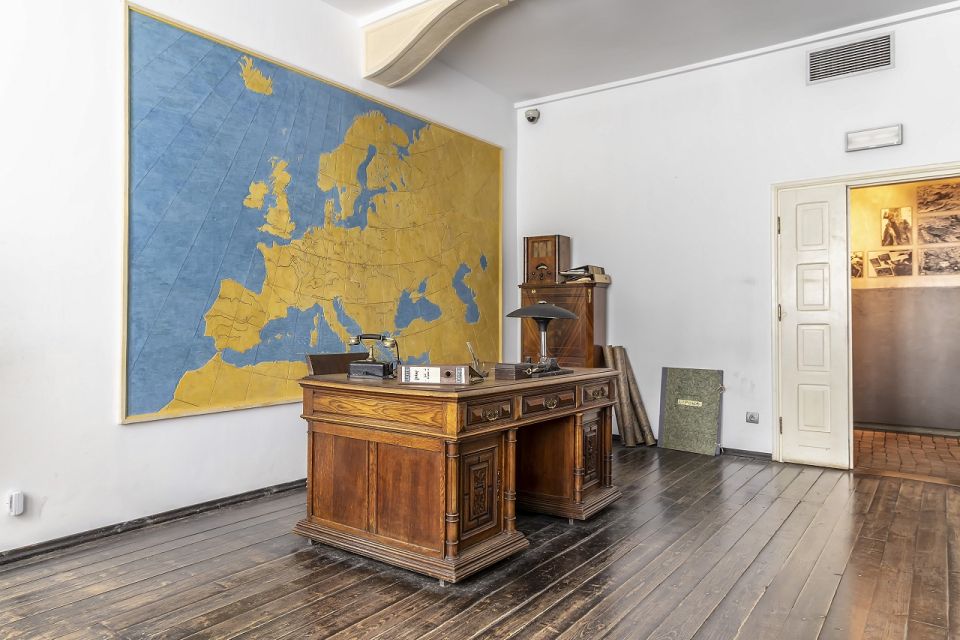
- Schindler’s preserved office inside the factory’s administrative building
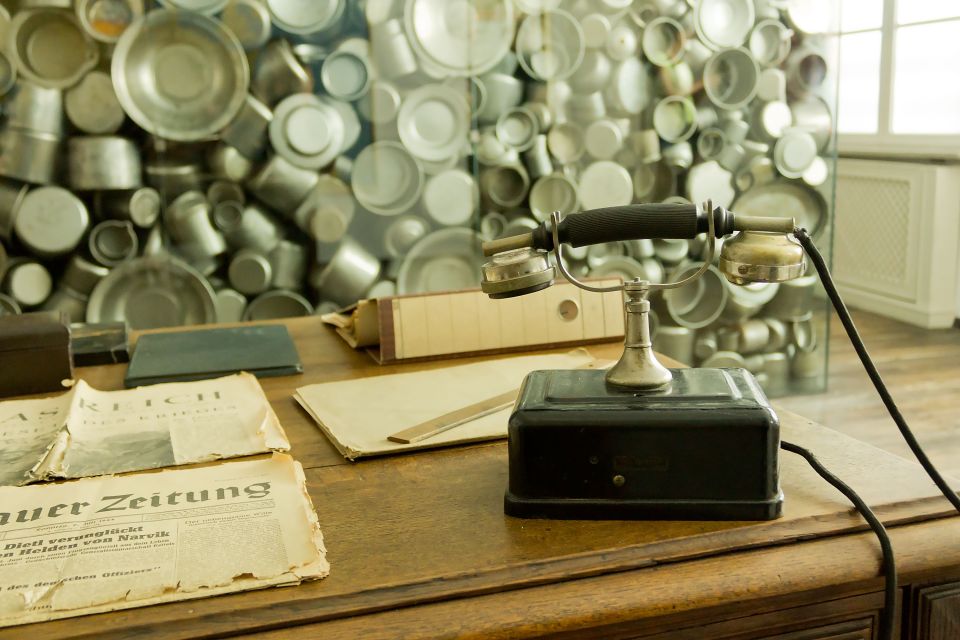
- The Survivor’s Ark made from thousands of enamel pots
- A theatrical “day-in-the-life” route that includes a tram ride recreation
- A typical Jewish apartment scene plus artifacts connected to the Plazów camp
- The Hall of Choices, a sculptural installation focused on ethical dilemmas
Why Schindler’s Factory is worth your time in Krakow
If you care about Krakow during World War II, this stop is hard to beat. It’s not just walls of text. It’s a museum built around a real industrial space—the former enamel factory—so the history comes at you through objects, documentation, and built scenes in a way that feels rooted.
You’ll learn about everyday life in Krakow from 1939 to 1945, and the story keeps returning to how ordinary routines were crushed and reshaped. You’ll also see how the war disrupted Polish-Jewish relations, and how different people were pulled into impossible decisions.
A big part of the value here is the framing: the exhibits aren’t presented only as one group’s experience. You’ll encounter the lives of Poles and Jews, alongside the brutal presence and policies of the Nazi occupiers. That gives you a more complete picture of what the occupation did to an entire city, not just to one category of victims.
You can also read our reviews of more guided tours in Krakow
Lipowa 4 meet-up: find the guide fast
The tour starts at Lipowa 4. You’ll wait at the front of the main entrance of the museum, and the guide will be holding an excursions.city sign.
This sounds small, but it matters. When you’re headed to a popular World War II site, a smooth meeting point saves stress and keeps the group on schedule. If you show up a bit early, you’ll have time to orient yourself and avoid that last-minute scramble.
The tour duration is about 1.5 hours, and it runs on set starting times (so check availability for the slot that fits your day). The meeting point and the end point are the same—back at Lipowa 4—so you won’t have to plan a complicated connection afterward.
Stop 2: stepping into the former enamel factory
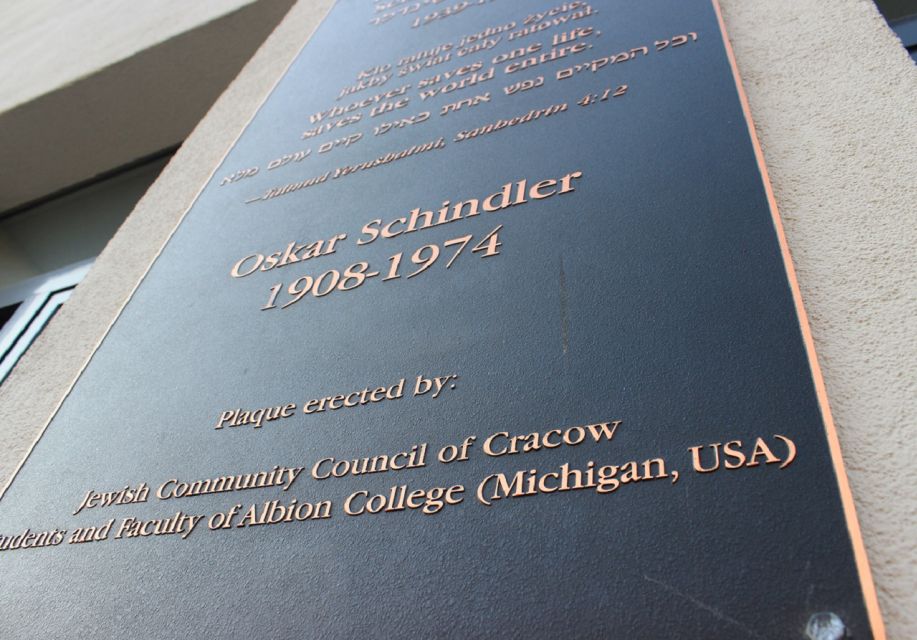
Your guided portion begins inside Oskar Schindler’s Factory, housed in the building that once served the enamel business. The tour works because it makes a link you might otherwise miss: industrial work wasn’t separate from the war. Here, the factory is part of the narrative.
You’ll tour the museum’s moving permanent collection and follow a guided storyline built from multiple media types: photographs, documentary materials, eyewitness accounts, and multimedia presentations. That mix helps if you learn better by seeing and hearing rather than only reading labels.
One thing I appreciate about this format is that the guide is your “translator.” With so many details—dates, names, places, and survival choices—it’s easy to get lost if you go alone. A good guide helps you notice what the museum wants you to notice.
Schindler’s office and the Survivor’s Ark of enamel pots
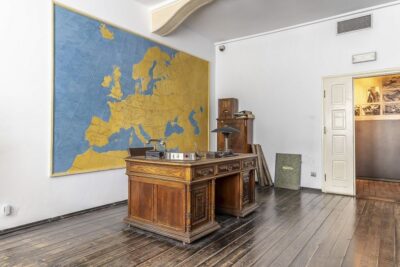
One of the most memorable parts is Oskar Schindler’s office, preserved within the administrative building. Even if you know the Schindler story from film, standing in the preserved space helps you understand the museum’s emphasis: this wasn’t a vague rescue myth—it was tied to specific decisions, paperwork, and relationships.
Then comes a standout visual: the Survivor’s Ark, made from thousands of enamel pots similar to those produced in the factory. It’s the kind of exhibit that hits quickly because your brain recognizes the objects as everyday things, then gets forced to confront what they represent in this context.
This is also where the guided tour really earns its price. Without explanation, it can be easy to see the display and move on. With a guide, you get the meaning behind the materials and why the museum built a physical “ark” out of industrial goods.
Life in Krakow under occupation: scenes, artifacts, and context
As the tour moves forward, you’ll learn about day-to-day life during the Nazi occupation from 1939 to 1945. The museum doesn’t treat the war as only a sequence of major events. It shows how occupation affected ordinary rhythms—work, housing, public life, and safety.
A big part of what you’ll see is a theatrical recreation of historical city space. The aim isn’t to “pretend” history in a frivolous way. It helps you understand how people would have experienced the city in real time—what it looked and felt like when life was restricted and controlled.
You’ll board a tram as part of the experience and watch a documentary portraying everyday life of the city. If you like context you can “feel” rather than only read, this is a strong moment. It also breaks up the pacing so you don’t end up staring at one wall of text after another.

Typical Jewish apartment scene: understanding the domestic reality
The tour includes a visit to a typical Jewish apartment. That detail matters. It pushes the narrative into living space—where people cooked, slept, and tried to maintain some sense of normal life even as persecution tightened.
Domestic scenes are powerful because they’re specific. They remind you that these were not abstract victims. They were families and neighbors trying to live through terror.
You’ll also encounter artifacts connected to the Plazów camp. That addition helps you connect the Krakow story to the wider system of camps and deportations tied to Nazi rule. It’s not the only layer, but it strengthens the timeline and the cause-and-effect logic of what happened next.
The tram documentary and why the tour uses built scenes
Recreations can be a mixed bag in museums—sometimes they feel like Hollywood. Here, the purpose is more practical. The guided tour uses built scenes and media to help you track multiple themes without losing your footing.
The tram segment, for example, gives you a moving “view” of Krakow’s everyday life. It’s an efficient way to connect the city’s culture and routines to the occupation period you’re studying.
If you tend to learn best when your eyes and ears share the workload, you’ll likely appreciate the pacing. It’s not only objects; it’s also narration, film, and staged spaces designed to keep the story coherent over the full 1.5 hours.
The Hall of Choices: ethics you can’t side-step
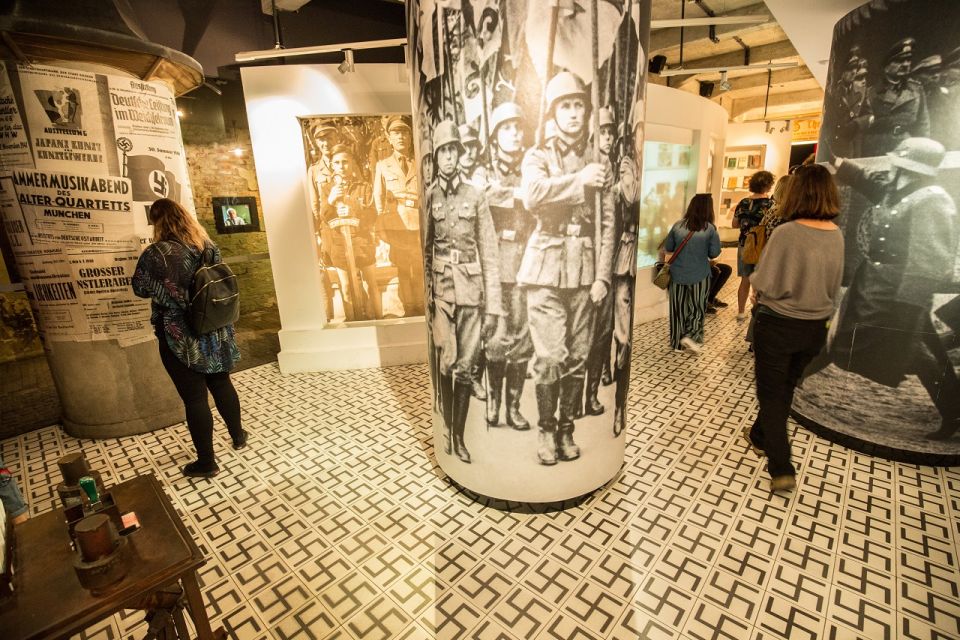
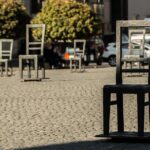
One of the most striking elements is the Hall of Choices, a sculptural installation that symbolizes the ethical dilemmas people faced during the war. This is different from the documentary parts and the historical displays because it asks you to think about responsibility, pressure, and the impossible constraints placed on real people.
The point isn’t to hand out easy answers. It’s to show that survival and morality were tangled, and that the same situation could lead people down very different paths depending on risk, power, and opportunity.
If you’re the type who likes to leave a museum with something to think about on the walk back to dinner, this is one of the best reasons to book the guided version. A guide can keep you focused on what the installation is meant to represent, instead of just passing through it as another room.
Price and value: what you get for about $45
At $45 per person for an approximately 1.5-hour guided tour, this sits in the “serious museum stop” price category. The value is in three places:
- Skip-the-line entry, so you don’t waste time waiting when you could be seeing the museum
- A professional guide, which helps the exhibits make sense as a connected story
- A focused route that includes multiple exhibit types—photos, eyewitness accounts, films, recreated scenes, and signature installations
If you were planning to do this museum alone, you’d likely spend the same time in the building and still feel like you missed links between sections. Here, the structure is doing the heavy lifting for you. You’re paying to have the timeline and meaning explained while you’re actually in front of the objects.
Also, the tour supports multiple languages (English, French, German, Italian, Spanish, Polish), which is a real-world value if you’re traveling with people who want to understand everything directly.
How to get the most out of the tour (without rushing it)
This museum touches heavy material, so I’d treat it like a focused hour-and-a-half, not a quick checklist stop. Go in with a plan: you don’t have to read every label. Instead, follow what the guide is pointing you toward.
A practical tip: if you’re sensitive to crowded interiors, pay attention during explanations. The group can feel tight in narrow walkways, and that can affect how easy it is to see and hear. Arriving early helps you settle your position before the tour tightens up around you.
One more smart move: if you love museums, plan extra time after the tour to look around at your own speed. The guided route is designed to keep the story moving; your personal walk-through can fill in the sections that stayed interesting to you.
Who should book this guided tour?
Book it if you want:
- A guided path through Krakow during World War II, 1939–1945
- A museum experience that links real objects (like enamel production artifacts) to documentary evidence
- Key set pieces, including Schindler’s office, Survivor’s Ark, and the Hall of Choices
- A structured way to understand the city’s occupation through both Jewish and Polish experiences
It’s also a good fit if you like guided storytelling more than self-guided wandering. The museum’s subject is complex, and a guide keeps the connections clear.
If you strongly dislike tight groups or you need a lot of personal space to learn, you should consider your comfort level with crowded spaces and how you handle audio/visibility in group settings.
Should you book Oskar Schindler’s Factory Guided Tour?
Yes, if you’re looking for the best “meaning per hour” at one of Krakow’s most important sites. The skip-the-line entry, the professional guide, and the tour’s blend of exhibits plus recreated scenes make this more than a quick pass through a museum.
I’d especially recommend it if you want help understanding how the story fits together—from preserved spaces like Schindler’s office to the enamel pot symbolism of the Survivor’s Ark, to the Hall of Choices that forces you to think about moral dilemmas.
If you’re traveling with limited time, this guided version is a strong choice. If you have extra time and love exploring museums slowly, you’ll still enjoy it—just leave room afterward for your own follow-up browsing.
FAQ
How long is the guided tour?
The tour lasts about 1.5 hours.
Where does the tour start?
It starts at Lipowa 4. You meet at the front of the main entrance of the museum.
How do I find the guide?
The guide will be holding an excursions.city sign at the meeting point.
What’s included in the price?
The price includes entrance fees and a professional live tour guide.
Does it include a skip-the-line ticket?
Yes, you skip the ticket line.
What languages are available?
The live guide is available in English, French, German, Italian, Spanish, and Polish.
Is there a cancellation option?
Yes. You can cancel up to 24 hours in advance for a full refund.
What should I expect to see during the tour?
You’ll see the permanent museum collection, including Schindler’s office, the Survivor’s Ark made of enamel pots, a recreated historical Krakow space with a tram ride, a typical Jewish apartment, artifacts related to the Plazów camp, and the Hall of Choices.