REVIEW · KRAKOW
Krakow Kazimierz and Jewish Ghetto Tour with Synagogues
Book on Viator →Operated by Rosotravel - Wawel Castle and other Tours · Bookable on Viator
Krakow’s Jewish history comes into sharp focus fast. This private tour pairs the lively Kazimierz streets with former ghetto landmarks and synagogue interiors. I love how it stays human, not just architectural, and how your guide ties details together in plain language (including locations made famous by Schindler’s List). One thing to consider: not every ticketed stop is included in every time option, so check which synagogues and museums match the version you book.
Two highlights I really like: you get exclusive, private pacing for your group, and you can choose how deep you want to go with different hour-length options. The longer route is especially good if you want the full synagogue + cemetery experience, with Remuh Synagogue and the Old Jewish Cemetery.
If you’re visiting on days when Jewish heritage sites close for the Sabbath, holidays, or prayer, your tour may need to work around that. Also, a couple of stops have optional entry that isn’t included, so budget a bit for tickets if you’re interested in the museum content.
In This Review
- Key things to know before you go
- Kazimierz to the ghetto walls: what you’re really walking through
- Private pacing and guide quality: why this feels worth the money
- Picking the right length: 2, 3, or 4 hours
- The 2-hour option (fast and focused)
- The 3-hour option (more synagogue time)
- The 4-hour option (the full emotional arc)
- Stop-by-stop walkthrough: what each place contributes
- 1) Kazmierz: the former Jewish district that shaped culture
- 2) Schindler’s enamel factory exhibit: 1939 to 1945 context
- 3) Plac Bohaterow Getta: empty chairs and remembrance
- 4) The bridge with padlocks over the Vistula
- 5) Stara Synagoga (Old Synagogue): Gothic synagogue + Jewish Museum
- 6) Galicia Jewish Museum: different angle, request-based entry
- 7) Ghetto walls: the physical reminder
- 8) Remuh Synagogue: a smaller Renaissance space still in use
- 9) Tempel Synagogue: ornate interior + a Schindler’s List scene
- 10) New Jewish Cemetery: remembrance through quiet continuity
- 11) Izaak Synagogue and High Synagogue: request-based extras
- 12) New Square: the everyday Krakow payoff
- Logistics that affect your experience (and how to handle them)
- Value for money: where $97.21 really goes
- Who this tour is best for
- Quick practical tips before you book
- Should you book this Krakow Kazimierz and Jewish Ghetto Tour?
- FAQ
- How long is the Krakow Kazimierz and Jewish Ghetto tour?
- How much does the tour cost?
- Is this a private tour?
- Which synagogues are included depending on the option?
- Are tickets included for all stops?
- Where does the tour start and end?
- What should I know about synagogue and heritage site closures?
- Will I need to check anything after booking?
- Can I cancel for a full refund?
Key things to know before you go
- Private tour setup: It’s just your party, so questions and slower walking are actually possible.
- Synagogue depth depends on time option: Tempel and Old Synagogue are included on longer tours, while Remuh + Old Jewish Cemetery come with the 4-hour option.
- Schindler’s List touchpoints: You’ll see sites connected to the film, including the Schindler-era factory exhibition stop.
- Kazimierz is both history and neighborhood: Expect modern streets and café life right alongside layered Jewish heritage.
- Timing matters for worship hours: Synagogues and heritage sites close on Saturdays, holidays, and during prayer time.
- Licensed guide language: You’ll travel with a 5-star licensed guide fluent in the language you choose when booking.
Kazimierz to the ghetto walls: what you’re really walking through
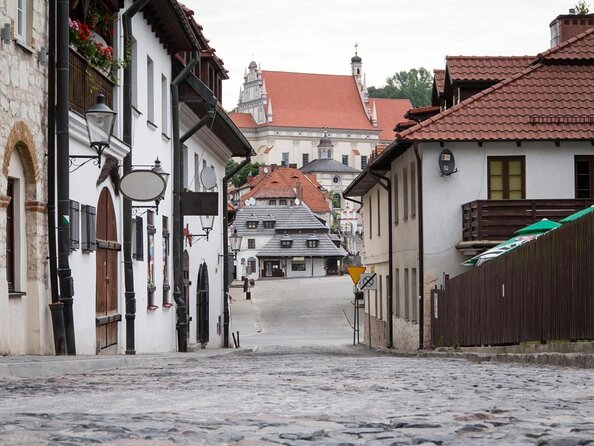
Kazimierz is one of those places where you can feel time stacking up. You start in the Kazimierz district, which drew a sizable Jewish population at the end of the 15th century and became a major cultural center for Polish Jews. Today, it’s trendy. That contrast is part of the point: you’re not just looking at ruins. You’re seeing how a neighborhood that once carried daily Jewish life now carries a new rhythm—while older landmarks still anchor the story.
The tour is designed as a walking thread, so the change in atmosphere makes sense. It’s not a random checklist. Your guide helps you connect why certain streets, squares, and buildings mattered, and what was lost. You’ll also get a clearer picture of Jewish community life in Krakow across different eras, including the Nazi occupation period.
And yes, the movie connections are real here. You’ll visit key locations associated with Schindler’s List, so the film scenes aren’t floating in memory—they’re attached to actual buildings, streets, and interiors.
You can also read our reviews of more tours and experiences in Krakow.
Private pacing and guide quality: why this feels worth the money
At $97.21 per person, the price can look like a lot until you factor in what you’re buying: a private tour (only your group), a licensed guide, and built-in site access where tickets are included for specific options.
This kind of tour works best when the guide can steer you through emotional material with clarity. One of the strongest signals from prior guest feedback is the quality of the guiding—especially the combination of deep knowledge and personable storytelling. In one standout case, the guide Helena was praised as incredibly knowledgeable and personable, with stories focused on resilience and strength, not just dates and facts.
That matters because this subject is heavy. A guide who can explain without rushing keeps the walk from feeling like a lecture marathon. It also helps you ask questions as you go, which is how you actually remember what you see.
Picking the right length: 2, 3, or 4 hours
The tour comes in different time options, and that changes what’s included. The easiest way to choose is to decide how much synagogue interior time and cemetery time you want.
The 2-hour option (fast and focused)
In the 2-hour version, you still get the walk through Kazimierz and the former ghetto area highlights, including free viewing stops like Plac Bohaterow Getta and exterior elements like the ghetto walls. But synagogue ticketing is limited here.
If you want the essentials and you’re also trying to fit in other Krakow sights, the 2-hour option is a good way to get orientation and context without losing the day.
The 3-hour option (more synagogue time)
On the extended 3-hour tour, you’re included for tickets to one synagogue: either Tempel Synagogue or Stara Synagoga (the Old Synagogue). Which one you visit depends on your sightseeing preferences and the synagogue’s opening hours.
This is a nice middle ground if you want at least one interior space and deeper context, but don’t need the cemetery portion.
The 4-hour option (the full emotional arc)
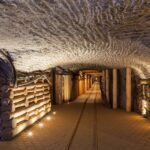
The 4-hour option is the most complete. In addition to the synagogue tickets you’ll have on longer routes, you also get Remuh Synagogue plus the Old Jewish Cemetery. Remuh is still connected to the living community and still holds regular services for a smaller Jewish community in Krakow.
If you care about how history continues into present-day worship and remembrance, this is the option to pick.
Stop-by-stop walkthrough: what each place contributes
The best way to understand this tour is to see what each stop is doing for you. Some are about atmosphere. Some are about survival and documentation. Some are about art and architecture. Here’s how it generally plays out.
1) Kazmierz: the former Jewish district that shaped culture
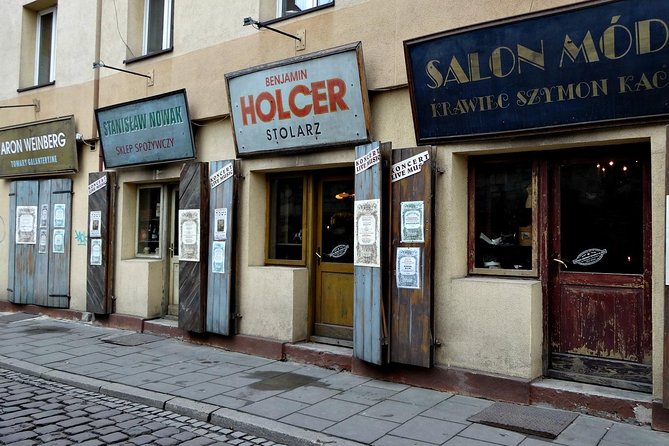
You begin in Kazimierz, where Jews moved in significant numbers beginning in the late 15th century. Your guide sets the stage for why this district became a major cultural center for Polish Jewry for centuries. You’re not just hearing a lesson—you’re walking in streets that show the neighborhood’s evolution.
The practical upside: you get early grounding. Without this start, the ghetto area later can feel like an abrupt change. With it, the contrasts land harder—in a good way.
2) Schindler’s enamel factory exhibit: 1939 to 1945 context
Next up is Fabryka Emalia Oskara Schindlera, specifically the exhibition called Kraków under Nazi Occupation 1939–1945. It’s located in a former administrative building of Oskar Schindler’s enamel factory. Entry is possible by request, and admission isn’t included.
This stop is especially valuable if you want the occupation story attached to real locations. It’s also a helpful bridge between the film reference and the broader historic reality.
Consideration: because entry isn’t included, you may need to decide on the spot whether you want to take the time for that exhibit portion.
3) Plac Bohaterow Getta: empty chairs and remembrance
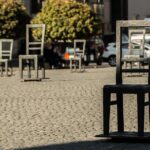
Plac Bohaterow Getta is a powerful square tied to Jewish memory in Krakow. It’s known for the effect of empty chairs and a memorial to the heroes of the Krakow Ghetto.
This is where the tour shifts from neighborhood history into direct remembrance. You’ll want a moment here to slow down. The square’s design does a lot of emotional work for you.
4) The bridge with padlocks over the Vistula
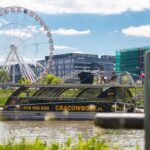
You’ll also see the bridge over the Vistula River between Kazimierz and Podgorze, decorated with padlocks attached by people from around the world.
This might sound like a fun photo stop, and it is—but it also creates an interesting contrast. You’re literally crossing a boundary between neighborhoods while remembering that those boundaries weren’t always voluntary. Your guide can help you frame that contrast so it doesn’t feel like a joke.
5) Stara Synagoga (Old Synagogue): Gothic synagogue + Jewish Museum
The tour includes Muzeum Krakowa – Stara Synagoga, one of the two surviving Gothic synagogues in the world (the other is in Prague). Restored after World War II, it now houses a Jewish Museum. Admission is included on the longer options where this stop appears as part of the sequence.
This stop is valuable because it connects architecture to lived community life and then to preservation and museum interpretation. If you like buildings with strong character, you’ll enjoy the way it feels both old and protected.
6) Galicia Jewish Museum: different angle, request-based entry
You may also stop at the Galicia Jewish Museum. It exists to commemorate Holocaust victims and also to celebrate Jewish culture of Polish Galicia, presenting Jewish history from a new perspective. Entry is possible by request, and admission isn’t included.
If this museum theme appeals to you, plan to add time or confirm access. If not, it’s still useful context—because it shows that Polish Jewish history isn’t one single story.
7) Ghetto walls: the physical reminder
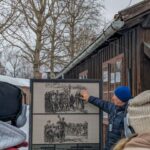
You’ll see the old walls of the ghetto, described as showing poignant pictures of Jewish life years ago. This is one of those stops where there’s not much to “do” besides look and take it in. That’s a feature, not a bug.
8) Remuh Synagogue: a smaller Renaissance space still in use
On the 4-hour itinerary, you’ll visit Remuh Synagogue (Synagoga Remuh). It’s a small Renaissance synagogue from around 1557, named after Moses Isserles (also known as Rabbi Remu’h). It’s still used for regular services by the local Jewish community.
Admission is included on the 4-hour option. This is a meaningful stop because it’s not just memorial space. It’s active religious life—and that changes how you understand the history.
9) Tempel Synagogue: ornate interior + a Schindler’s List scene
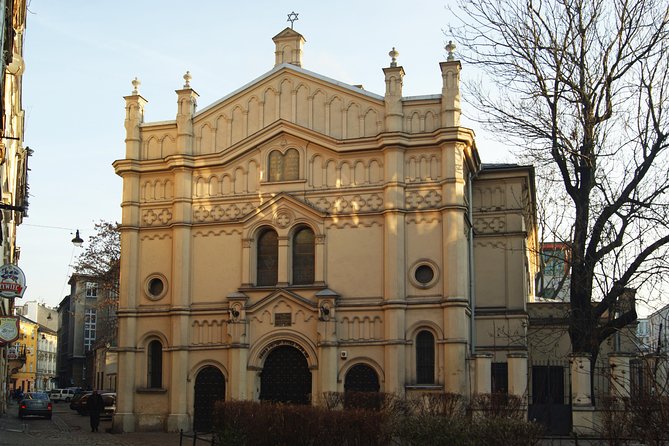
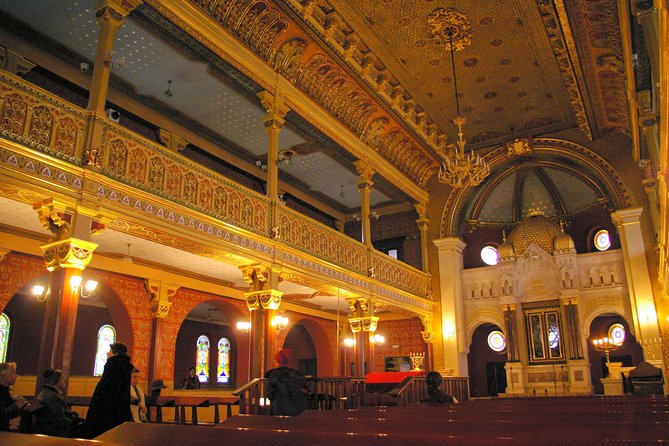
Tempel Synagogue is described as small but stunning inside, with stained glass windows and ornate gold etching. Admission is included on the appropriate longer options.
You’ll also connect it to one of the most disturbing and moving scenes in Steven Spielberg’s film Schindler’s List. Even if you know the scene, seeing the interior and hearing context helps the scene make emotional sense in a new way.
10) New Jewish Cemetery: remembrance through quiet continuity
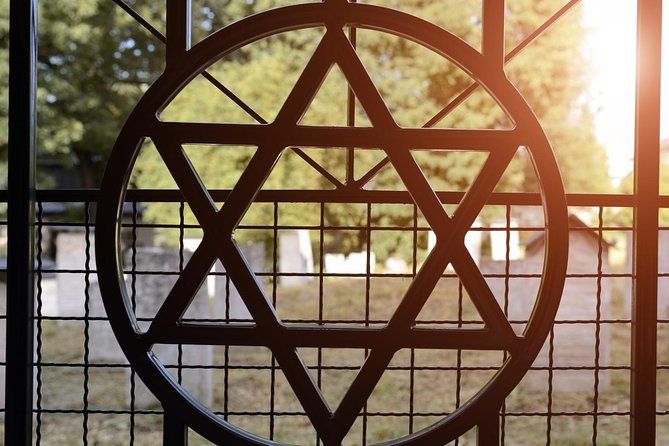
The New Jewish Cemetery stop (included on the options that feature it) is timed for a longer look, about an hour. The setting is meant to feel peaceful, with a strong sense of the flow of Jewish history through the markers and the space itself.
This stop can be emotionally intense, but in the best way: it slows you down and gives the story room to settle.
11) Izaak Synagogue and High Synagogue: request-based extras
You might also be able to see the Izaak Synagogue (mid-17th century Judaic-Baroque style) and High Synagogue, but admission is listed as possible by request and not included. The High Synagogue was renovated during the 1970s and now serves as a workshop for the conservation of historical monuments.
Think of these as possible add-ons. If you’re the type who loves architectural specifics, ask your guide what’s realistic during your visit.
12) New Square: the everyday Krakow payoff
Some tour versions also include time in New Square, where the atmosphere is full of life, charm, and good food. It’s not just a break. It’s a reminder that Kazimierz today is a neighborhood people actually live in.
Logistics that affect your experience (and how to handle them)
The meeting point is Hotel Kazimierz, Iiodowa 16, 31-055 Kraków. The tour ends back there.
Most travelers can participate, and service animals are allowed. It’s also near public transportation, which is handy because you’ll be switching between zones and streets.
The biggest “gotcha” is timing. Jewish heritage sites and synagogues close on Saturdays, Jewish holidays, and during prayer time. If you’re visiting during one of those periods, don’t assume you’ll see everything. Your best move is to pick an option and a day when sites are open, then let your guide handle the routing changes.
Value for money: where $97.21 really goes
This is not just a walking tour with talking. You’re paying for:
- Private group time (fewer crowds, more questions)
- A licensed guide fluent in your chosen language
- Tickets included on longer options for key synagogue interiors and cemetery time
- A structured narrative that connects Kazimierz culture to ghetto memory and synagogue architecture
If you book the 2-hour option, you may want to treat synagogue interiors and museum stops as partial adds depending on the schedule and included ticket coverage. If you book the 4-hour option, the included access to Remuh and the Old Jewish Cemetery tends to justify the extra time because those are the stops you can’t easily replicate on your own without planning synagogue hours and ticket timing.
Who this tour is best for
This tour is a great fit if you:
- want a clear, guided story of Krakow’s Jewish history rather than self-guided wandering
- care about synagogue interiors and not just outdoor markers
- like film-connected context (especially Schindler’s List) but want it anchored in real locations
- appreciate a guide who can balance facts with human resilience themes (Helena-style storytelling is a standout example from feedback)
It may be less ideal if you:
- prefer to move at a very slow, unstructured pace without stopping for memorial-design moments
- don’t want any schedule constraints tied to synagogue opening hours
Quick practical tips before you book
- Bring a small amount of patience for solemn stops. This is the kind of tour where a quiet minute is part of the experience.
- If you’re selecting between synagogues, choose based on what you want more: Tempel Synagogue’s stained glass and ornate interior feel, or Stara Synagoga’s Gothic architecture and museum setting.
- If you’re interested in the Schindler factory exhibit or the Galicia Jewish Museum, plan for the fact that entry may be possible by request and admission is not included.
Should you book this Krakow Kazimierz and Jewish Ghetto Tour?
Yes—if you want a guided, well-paced way to understand Krakow’s Jewish past while seeing iconic synagogue spaces and ghetto memorial landmarks. This is especially worth it when you choose the 3-hour or 4-hour option, because the included synagogue access and, for the 4-hour version, Remuh Synagogue and the Old Jewish Cemetery add real depth.
Book it if you like stories told with care and you want the film connections explained in context, not just pointed out. If your dates fall on Saturdays, Jewish holidays, or prayer-time closures, consider shifting to a different day or choosing the option that best matches what’s likely to be open.
FAQ
How long is the Krakow Kazimierz and Jewish Ghetto tour?
The tour runs about 2 to 4 hours, depending on the option you select.
How much does the tour cost?
The price listed is $97.21 per person.
Is this a private tour?
Yes. It’s a private tour/activity, and only your group participates.
Which synagogues are included depending on the option?
For the 3-hour and 4-hour options, tickets to either the Tempel Synagogue or the Old Synagogue (Stara Synagoga) are included. For the 4-hour option, tickets to Remuh Synagogue and the Old Jewish Cemetery are also included.
Are tickets included for all stops?
Not all stops include admission. Tickets are included for specific synagogues and the cemetery depending on the time option, while other sites like the Schindler factory exhibition and the Galicia Jewish Museum list admission as not included or entry as possible by request.
Where does the tour start and end?
The tour starts at Hotel Kazimierz, Iiodowa 16, 31-055 Kraków, Poland, and ends back at the meeting point.
What should I know about synagogue and heritage site closures?
Jewish heritage sites and synagogues are closed on Saturdays, Jewish holidays, and during prayer time.
Will I need to check anything after booking?
Yes. You should check your email the day before the tour to receive important information.
Can I cancel for a full refund?
Free cancellation is available. You can cancel up to 24 hours in advance for a full refund; within 24 hours, the amount paid is not refunded.