REVIEW · KRAKOW
Krakow: Jewish Quarter Kazimierz & Schindler’s Factory Tour
Book on GetYourGuide →Operated by Kraków Explorers · Bookable on GetYourGuide
History walks with you in Krakow. Kazimierz makes it easy to see centuries of Jewish life in one neighborhood, and Schindler’s Factory turns WWII history into a story you can actually picture. I especially like how the tour moves from older Jewish institutions to the lively, modern cafe-and-art side of the district, and then lands on Schindler’s role and legacy. One thing to plan for: your Schindler’s Factory time can shift a bit, and from January 1, 2026 you must provide full names and bring a passport or ID for entry.
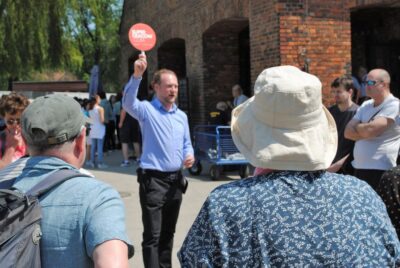
The meeting point is simple: the steps of the Old Synagogue, where your guide holds a sign that says excursions.city. You’ll also have a live guide in English plus French, Italian, German, and Spanish, which helps if you want clear explanations without decoding a museum map on your own.
If you’re trying to get a strong context for modern Krakow without turning it into a checklist, this 210-minute format is a good fit. Still, because food and drinks are not included, I suggest planning a snack stop before or after so the tour doesn’t leave you hungry.
In This Review
- Key highlights you’ll care about
- Kazimierz’s Jewish Quarter: more than a museum neighborhood
- From the 14th century to the 19th: how the neighborhood evolved
- Traditional Jewish institutions you can still locate
- The WWII section at a human scale: Krakow’s tragedies explained
- Schindler’s Factory Museum: why the visit hits harder in person
- What the 210 minutes feels like on the ground
- Price and value: is $69 a smart use of your Krakow day?
- Who should book this tour
- Before you go: the small details that prevent big headaches
- Should you book Krakow: Kazimierz & Schindler’s Factory?
- FAQ
- How long is the tour?
- What does the price include?
- What isn’t included in the tour price?
- Where do I meet the guide?
- What languages are available for the live guide?
- Will the Schindler’s Factory time be exact?
- What do I need for Schindler’s Factory entry in 2026?
- Can I change my plans and cancel?
- Can I reserve without paying right away?
Key highlights you’ll care about
- Kazimierz, UNESCO area focus: You’ll learn how the district changed over time, from early settlements through later centuries.
- Synagogues and old cemeteries as living landmarks: The tour points out where traditional Jewish institutions still exist.
- Modern Kazimierz atmosphere: You’ll notice today’s fashionable shops and cafes, not just old stones.
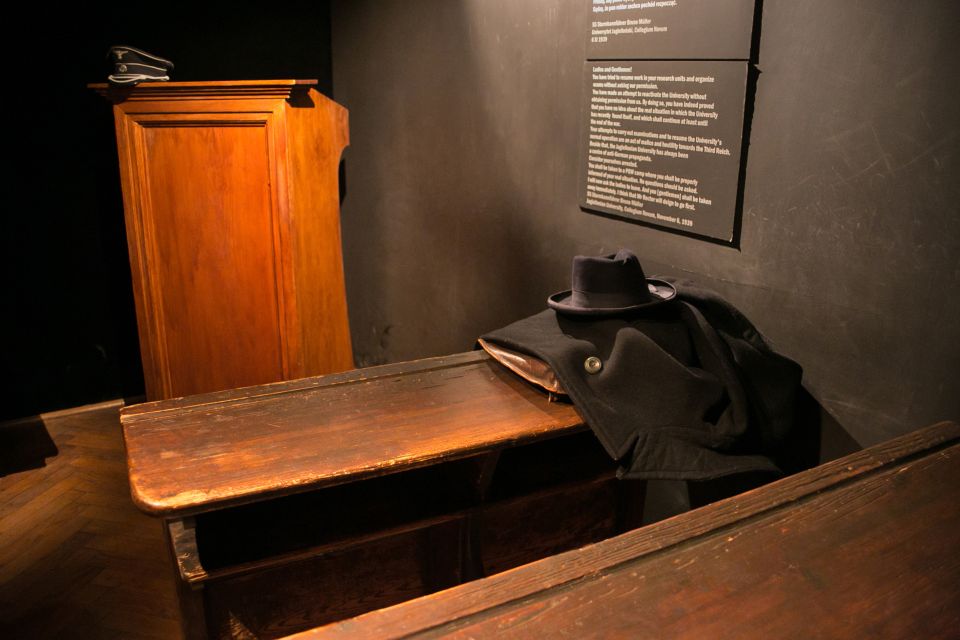
- Schindler’s Factory exhibition style: It’s described as modern and unique, with WWII history tied to Krakow.
- The Schindler’s List connection: You’ll hear how the story inspired Spielberg’s Oscar-winning film.
Kazimierz’s Jewish Quarter: more than a museum neighborhood
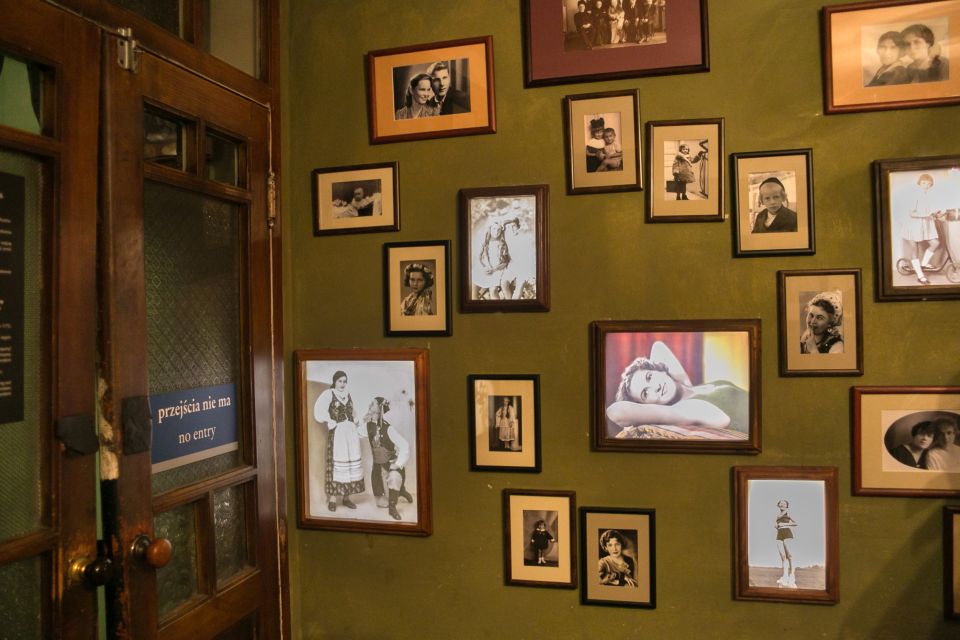
Kazimierz is one of those places where the past doesn’t sit behind glass. It’s right there in streets, buildings, and the way the neighborhood functions now. On this tour, you’re not just looking at sights—you’re building a timeline in your head, starting with the district’s early Jewish settlement history and ending with what Kazimierz feels like today.
What I like most is that the storytelling covers real change, not only tragedy. You’ll hear about the closed life of early communities, then about assimilation during the 19th century. That matters because it explains why Jewish Krakow wasn’t static; it evolved with the city around it.
And yes, Kazimierz is also a modern hangout. You’ll pick up the beatnik vibe people associate with the area—fashionable shops, cafes, and a creative feel—so you understand the neighborhood as a living part of Krakow, not just a historical backdrop.
You can also read our reviews of more tours and experiences in Krakow.
From the 14th century to the 19th: how the neighborhood evolved
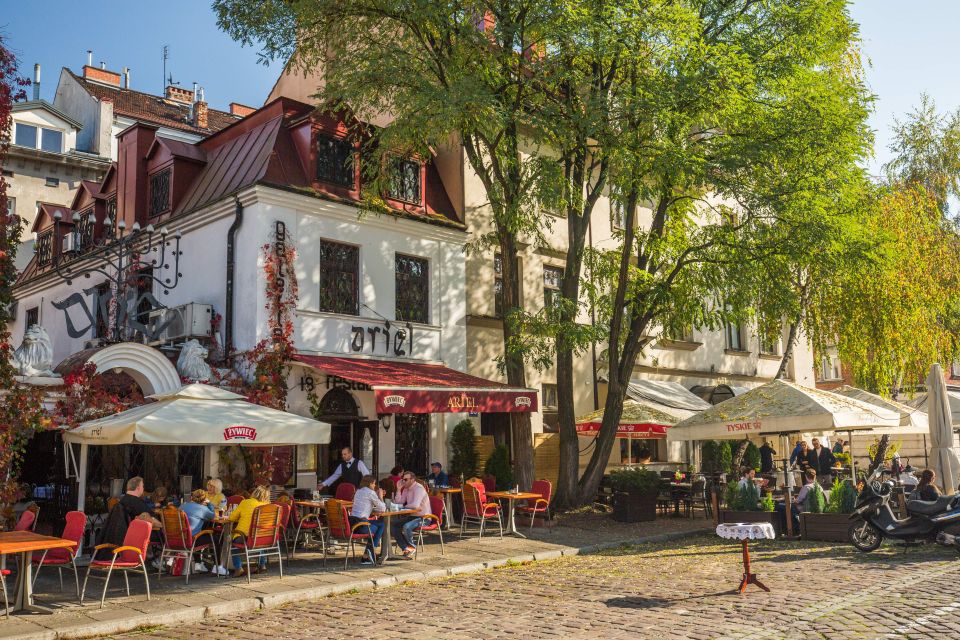
A good Kazimierz visit connects dates to everyday life. This tour does that by walking you through the district’s shift from its early settlement period into later eras. You’ll learn about the closed life of the first settlements, which helps you understand why community spaces mattered so much—religion, education, social structure, and local institutions were all tightly linked.
Then you move to the 19th century and assimilation. Even if you don’t know Polish Jewish history going in, the tour frames assimilation as a turning point: people weren’t simply disappearing, they were changing how they fit into wider society. That context makes later events feel less like a random catastrophe and more like the result of escalating pressures that hit specific communities.
You don’t need to be a history expert to follow. The tour guide approach is designed for clarity—one of the biggest strengths noted in feedback is how informative the guide is without turning the experience into a lecture. In at least one recent tour, the guide Anna was praised for explaining the material in depth while keeping it engaging and not boring.
Traditional Jewish institutions you can still locate
Kazimierz is famous for its Jewish heritage sites, but the value here is in navigation by meaning. You’ll explore where traditional institutions such as synagogues and old cemeteries still stand. That’s important, because these places help you see what the community built and protected over generations.
When you’re on foot, you start noticing patterns: how religious buildings sit within the neighborhood fabric, and how cemeteries function as quiet anchors to the past. This is one of those experiences where you may not memorize every detail, but you leave with a stronger sense of place—what mattered to people and why those locations still carry weight.
A practical note: because the tour is structured around these sites, you’ll likely do a fair amount of walking on uneven streets. Comfortable shoes are not optional here.
The WWII section at a human scale: Krakow’s tragedies explained
Kazimierz’s history inevitably reaches the Second World War, and the tour uses that shift to focus on what happened in Krakow. You’ll hear about the tragedies that struck the district, and the guide’s job is to connect the historical overview to the places you’ve been looking at.
This is where the experience becomes heavier, but also more grounded. Instead of treating WWII as generic European history, the tour ties events to Krakow and to the Jewish community the neighborhood represents.
If you’re coming from other WWII sites in Europe, the framing still feels specific. You’re not repeating a script—you’re seeing how Krakow’s Jewish neighborhood story connects to one particular survivor narrative you’ll hear at the next stop.
Schindler’s Factory Museum: why the visit hits harder in person
Schindler’s Factory Museum is the second major half of the tour, and it’s presented as a unique, modern exhibition. That combination matters. The museum experience isn’t only about reading panels; it’s designed to make the story feel immediate, with Krakow-focused WWII content and the impact of what happened there.
You’ll gain deeper knowledge of tragic events that took place in Krakow during the Second World War. The guide also explains the story of the German entrepreneur who tried to save many Jews. That effort is the thread that links the museum to a broader international awareness of the Holocaust—and to the story that inspired Stephen Spielberg’s Oscar-winning film Schindler’s List.
This is one of the reasons I think the tour is worth doing as a guided experience. Without context, it’s easy to get lost in facts. With a guide, you can keep a clearer picture of the cause-and-effect chain: the environment that allowed persecution, the human choices inside it, and the lasting cultural impact.
Also, you’ll skip the ticket line. That’s a real time-saver for museum visits, and it helps you avoid arriving and waiting right when you want to start absorbing the content.
What the 210 minutes feels like on the ground
The tour runs for about 210 minutes. That’s long enough to cover two very different moods—Kazimierz’s old-and-new neighborhood story, then Schindler’s Factory’s concentrated WWII focus—without dragging for hours and hours.
In practice, the pacing is usually what makes this kind of tour work. You’ll spend time moving through Kazimierz, taking in historical institutions and neighborhood atmosphere, and then you switch gears at the factory museum. It’s a thoughtful rhythm: first you understand the community’s identity over time, then you understand how the war broke it.
One small consideration: from January 1, 2026, museum scheduling is personalized and tour times are approximate. You can choose a preferred time when booking, but the exact time is not guaranteed, because Schindler’s Factory scheduling can affect it. If your day is tightly planned (like a train ticket later that you can’t miss), give yourself buffer time.
Price and value: is $69 a smart use of your Krakow day?
At $69 per person for 210 minutes, you’re paying for three main things: a live guide, skip-the-ticket-line entry to Oscar Schindler’s Factory, and a structured narrative that connects Kazimierz to WWII events. You’re not just buying museum access; you’re buying explanation.
Food and drinks aren’t included, so factor in the cost of a snack or a drink before or after. But compared to paying for individual museum tickets plus relying on self-guided interpretation, the package tends to feel like good value—especially if your priority is understanding rather than collecting photos.
If you’re the type of traveler who wants to leave with names, dates, and a clear story, the guide component is where the money earns its keep. If you mainly want to stroll for sights and you already know the history well, you might question the price—but for most people, the guided structure makes the time worth it.
Who should book this tour
This tour is a strong match for you if:
- You want the Kazimierz Jewish Quarter story in a logical timeline, from early settlement through WWII.
- You prefer walking + explanation over reading alone.
- You want Schindler’s Factory context tied specifically to Krakow.
- You like modern neighborhood reality too, not just monuments.
It’s also a good option if you’re short on time in Krakow. 210 minutes is manageable, and you’ll hit both the neighborhood and the museum with one coordinated guide.
If you’re traveling with kids or someone who struggles with heavy WWII topics, this may still work, but you should expect a serious tone at the factory museum.
Before you go: the small details that prevent big headaches
From January 1, 2026, Schindler’s Factory requires personalized tickets. When reserving, you must provide full names of all participants, and you must bring a passport or ID for entry. Without that, entry may be denied. If your travel plans are close to 2026, double-check spelling on the reservation.
You’ll meet on the steps of the Old Synagogue. Bring your ID paperwork for the museum day, wear shoes you can handle on the street, and plan to eat outside the tour window because food and drinks are not included.
Should you book Krakow: Kazimierz & Schindler’s Factory?
I’d book this tour if you want two essential Krakow experiences connected by story: the Jewish Quarter’s evolution in Kazimierz and the WWII impact explained at Schindler’s Factory. The strongest selling point is the guided clarity people praise—like the guide Anna’s ability to explain history in depth without making it dull.
Skip it only if you know you won’t want a structured narrative, or if you strongly dislike guided museum visits where the value is in interpretation rather than free wandering.
If you’re aiming for a meaningful day in Krakow—one that respects the past while showing you what Kazimierz looks like now—this is a very practical choice.
FAQ
How long is the tour?
The tour duration is 210 minutes.
What does the price include?
It includes a guide and an entrance ticket to Oscar Schindler’s Factory, with skip-the-ticket-line entry.
What isn’t included in the tour price?
Food and drinks are not included.
Where do I meet the guide?
Meet on the steps of the Old Synagogue, and look for your guide holding a sign that says excursions.city.
What languages are available for the live guide?
The live tour guide is available in French, Italian, German, Spanish, and English.
Will the Schindler’s Factory time be exact?
Times are approximate and may change due to Schindler’s Factory Museum scheduling.
What do I need for Schindler’s Factory entry in 2026?
From January 1, 2026, you must provide full names of all participants when reserving and bring a passport or ID for entry to Schindler’s Factory Museum.
Can I change my plans and cancel?
You can cancel up to 24 hours in advance for a full refund.
Can I reserve without paying right away?
Yes. You can reserve now & pay later, with no payment required today.