REVIEW · KRAKOW
Krakow Jewish District Private Tour. Kazimierz and Jewish Ghetto
Book on Viator →Operated by Krzysztof Blaszczyk Hussar Travel · Bookable on Viator
Jewish Krakow tells its story in footsteps. This private walking tour in Kraków links Kazimierz synagogues to the Jewish Ghetto’s most important remnants, with a local guide keeping the facts clear and human. You also get options like pickup and a mobile ticket, so the trip starts smoothly.
I especially like the tour’s detailed, on-the-ground explanations. You move past key names and places in a way that makes World War II history feel specific, not vague—and you’re not stuck listening to an audio track.
One thing to think about: parts of the route are spent looking from outside (even when stops are major). If you’re hoping for lots of time inside buildings, you’ll want to set expectations for a walking-and-looking format.
In This Review
- Key Things To Know Before You Go
- Why Kazimierz and the Krakow Ghetto Are Walked Together
- Private Guide, Straightforward Timing, and What You Pay For
- Wolf Popper Synagogue: Starting With a Community Anchor
- Szeroka Street: The Long Walk That Puts You in the Old Quarter
- Remuh, Old Synagogue, Plac Nowy, and the Cluster of “From Outside” Stops
- Mrs. Dresner Courtyard (Schindler’s List Movie Site) and the WWII Weight
- Ghetto Wall Fragment: Reading the City’s Physical Scar
- Ghetto Heroes Square: Turning Sites Into Human Memory
- Practical Tips to Make the Walk Better
- Should You Book This Kazimierz and Jewish Ghetto Tour?
- FAQ
- How long is the Krakow Jewish District private tour?
- How much does the tour cost?
- Is this a private tour or a shared group tour?
- Does the tour include pickup?
- What languages is the tour offered in?
- What stops are included on the route?
- Are there entrance fees for synagogues?
- Is the tour mainly walking?
- Are service animals allowed?
- What is the cancellation policy?
Key Things To Know Before You Go
- Private tour setup: Only your group joins, so questions don’t get squeezed out.
- Covers both Kazimierz and the ghetto: You see how the city’s Jewish life connects to the wartime past.
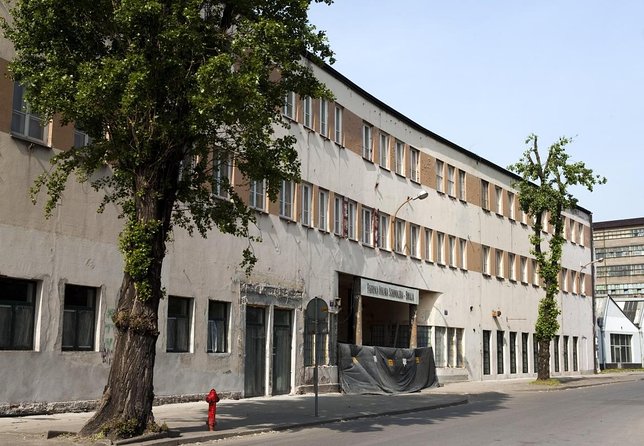
- Schindler’s List location included: Mrs. Dresner courtyard and stairs are part of the walk.
- Major landmarks at a walkable pace: Szeroka Street takes about 45 minutes for real street-level context.
- Synagogues and squares, mostly with outside viewing: Several stops are “from outside” with short explanations.
- Local guide, not audio: The experience is led by a licensed guide with live interpretation.
Why Kazimierz and the Krakow Ghetto Are Walked Together
Kazimierz isn’t just a pretty district name—it’s where daily Jewish life gathered, shaped, and then fractured under catastrophe. That’s why I like that this tour connects Kazimierz landmarks with ghetto remnants instead of treating them like separate chapters.
You’ll spend time on streets and squares where you can actually picture routines: walking, shopping, meeting, praying. Then, the route turns toward the ghetto’s physical traces—wall fragments and memorial-type stops—so the story lands with weight.
This is a good match if you want history that’s tied to location. And it’s also a good match if you prefer a guided pace over trying to decode the area on your own.
You can also read our reviews of more private tours in Krakow


Private Guide, Straightforward Timing, and What You Pay For
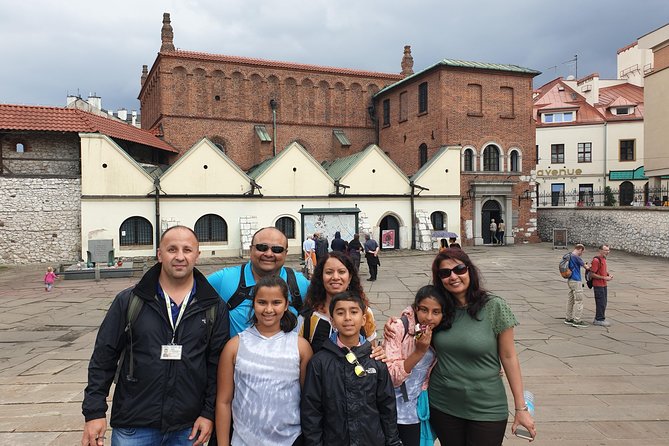
At $96.11 per person for about 2.5 hours, this isn’t a budget bus tour. What justifies the price is the private, licensed local guide service and the fact that you’re walking a dense stretch of sites without “search time.”
The timing matters too. The tour is long enough to make Szeroka Street meaningful, but short enough that you can finish the day without feeling like you’ve been on your feet forever. Comfortable shoes are strongly suggested, and you’ll want them.
You also get practical extras: pickup is offered, the tour includes a mobile ticket, and group discounts are available. If you’re traveling in English, that’s covered as well—this is offered in English.
One small but real value point: some tours rely on prepared recordings. This one is built around a guide’s explanations, which means you can ask for context when something clicks—or when it feels like too much.
Wolf Popper Synagogue: Starting With a Community Anchor
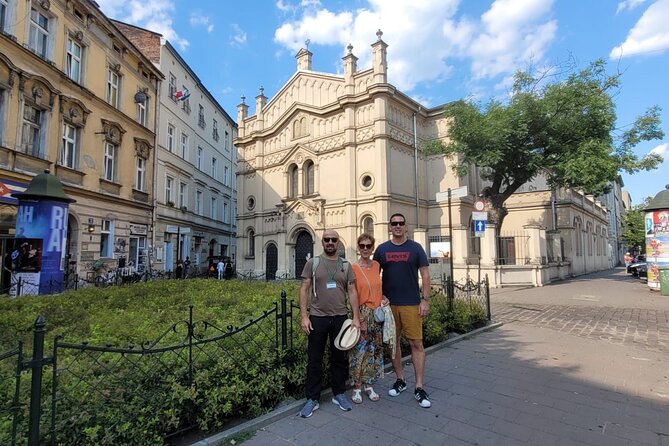
The walk begins at Wolf Popper Synagogue. You get around 10 minutes of explanation there, and admission is listed as free for that stop.
Even with a short first touch, this matters. Starting at a synagogue gives you a reference point for what you’re about to see next. It’s a reminder that this wasn’t only about monuments. It was about organized community life, religious practice, and people building culture in one place.
If you’re the type who likes to understand the “why” before the “what,” this opening works. And if you’re not, it still sets the tone fast.
Szeroka Street: The Long Walk That Puts You in the Old Quarter
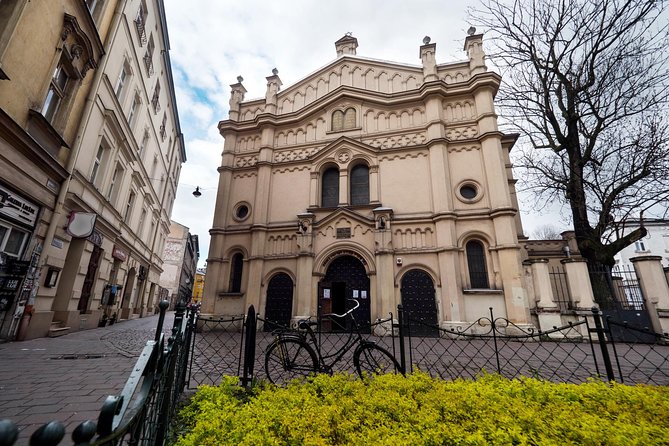
Szeroka Street is where you slow down and get street-level context. Plan on about 45 minutes here, with the guide walking you along the oldest part of Kraków’s Jewish quarter.
This is a highlight because a street is the best classroom for this kind of history. Buildings and institutions aren’t just names on a map—they’re neighbors. When you walk the length of Szeroka, you can start to connect how the quarter functioned as a lived-in space.
You’ll also appreciate the pacing. Almost every other stop after this is shorter—often around 10 to 15 minutes—so that longer stretch gives the tour a rhythm instead of turning into a series of quick photo stops.
And there’s a practical bonus: if you’ve already walked a lot that day, you’ll still have a clear reason to keep moving here. You’re not just passing time—you’re gathering context.
Remuh, Old Synagogue, Plac Nowy, and the Cluster of “From Outside” Stops
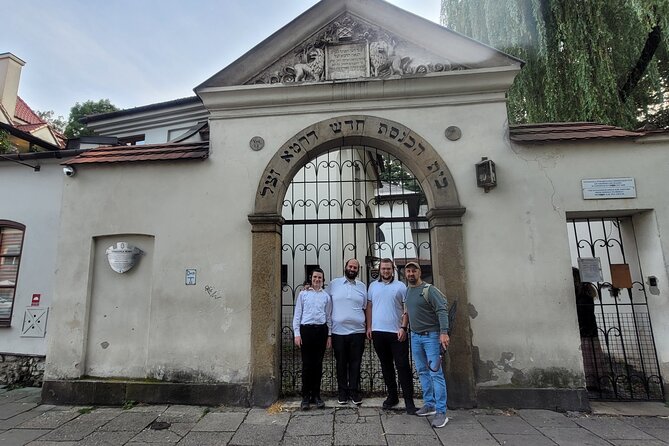
After Szeroka Street, you’ll make a series of short stops focused on major sites, including Remuh Synagogue from outside, the Old Synagogue from outside, and the Jewish Community Center. You’ll also see several synagogues from outside: a 17th Century Synagogue, the Reformed Synagogue, the 17th Century Izaak Synagogue, and a 16th Century Synagogue.
You’ll also reach Plac Nowy, which gives you an open moment in the route. The tour segments here are typically timed in short bursts—many around 10 minutes or less—so you don’t get stuck in one spot for too long.
Here’s the key thing to understand: “from outside” doesn’t mean “no substance.” It means your guide spends time interpreting what you can see—how these institutions relate to the neighborhood, and how different synagogues reflect changing community identity over time.
It’s a format that works well when you want to cover many landmarks without turning the day into a ticket-queue marathon. The trade-off is obvious: you won’t get the same inside access you might get on a specialty synagogue visit.
If you come expecting that, you’ll enjoy it more. Treat it like a guided city read, not a museum tour.

Mrs. Dresner Courtyard (Schindler’s List Movie Site) and the WWII Weight
One of the most emotionally heavy stops is the Mrs. Dresner courtyard and stairs, tied to Schindler’s List as a movie site. You’ll get about 10 minutes of explanation there, and the admission is listed as free.
This is exactly the kind of location where context matters. A guide can help you connect what you see to what happened here, without making the moment feel like a trivia stop. The pacing is short enough to keep it respectful, but it’s long enough that the story doesn’t feel like a quick “and here’s the spot.”
If you’ve seen the film, you’ll likely recognize the setting quickly. If you haven’t, it still works, because the guide’s goal is to connect place to history, not to trigger movie nostalgia.
This is where the tour’s strongest “moving” element tends to land: the history becomes specific, and you understand why these spaces still matter.
Ghetto Wall Fragment: Reading the City’s Physical Scar
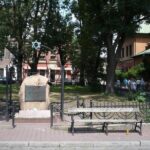
Next comes the Ghetto Wall Fragment, with about 10 minutes of explanation. This is one of those stops where you get to see a physical remnant and let your guide do the interpretation work.
A wall fragment is small compared to what it once represented, but that’s part of the impact. You’re standing with a surviving piece of the boundary that shaped lives. Your guide’s job is to help you understand what that boundary meant—how it changed movement, safety, and daily reality.
I like how brief this stop is. You don’t get dragged into a long pause. Instead, you take in what’s there, get the explanation, and then you move on with the story still intact.
Ghetto Heroes Square: Turning Sites Into Human Memory
Ghetto Heroes Square is next, with about 20 minutes on site and explanation. This stop is longer than some of the others, which tells you where the tour wants you to slow down.
The square format matters because it creates space for reflection. You’re not pressed up against a wall or squeezed between buildings. You can take in the idea that history isn’t only dates and facts—it’s people, names, and lives.
This part of the tour also benefits from the earlier Kazimierz context. When you understand the community side first, the ghetto story feels more tragic and more real.
By the time you reach the square, you’re not just collecting sights. You’re assembling meaning.
Practical Tips to Make the Walk Better
A few simple things will make this tour feel easier and more enjoyable:
- Wear comfortable shoes. The route is a walking tour and the district streets can be uneven.
- Bring a water bottle if you’re visiting in warmer months. Short explanations add up to a longer time on your feet.
- Plan your day so you’re not rushing. This tour works best when you can absorb details between stops.
- Use the pickup option if it saves you hassle. Fewer logistics tasks means more attention for the story.
- If service animals are part of your group, they’re allowed.
Also, the tour is designed for most people to join. If you’re someone who needs frequent breaks, you’ll still have a guide to manage the pace since it’s private. That private setup helps.
Should You Book This Kazimierz and Jewish Ghetto Tour?
Yes—if you want a high-value guided walk through the places that connect Kazimierz Jewish life to the ghetto story. The strongest reasons to book are the detailed live explanations and the way the route covers major landmarks without turning into a scavenger hunt.
I’d skip it only if you specifically want long inside visits to many synagogues or you prefer audio-guided tours with lots of self-paced control. This tour is about walking with a licensed local guide, taking in the city read by an expert, and letting the history land in sequence.
If your goal is understanding over collecting photos, this is a very solid choice.
FAQ
How long is the Krakow Jewish District private tour?
It’s about 2 hours 30 minutes (approx.).
How much does the tour cost?
The price is $96.11 per person.
Is this a private tour or a shared group tour?
It’s a private tour/activity, so only your group will participate.
Does the tour include pickup?
Yes, pickup is offered.
What languages is the tour offered in?
It’s offered in English.
What stops are included on the route?
Key stops include Wolf Popper Synagogue, Szeroka Street, Remuh Synagogue (from outside), Old Synagogue (from outside), the Jewish Community Center, multiple 16th and 17th-century synagogues (mostly from outside), Plac Nowy, Mrs. Dresner courtyard and stairs (Schindler’s List movie site), a Ghetto Wall Fragment, and Ghetto Heroes Square.
Are there entrance fees for synagogues?
Admission is listed as free for the Wolf Popper Synagogue stop, and many other synagogues on the route are viewed from outside.
Is the tour mainly walking?
Yes. It’s a walking tour through Kazimierz and the Jewish Ghetto area, so comfortable shoes help a lot.
Are service animals allowed?
Yes, service animals are allowed.
What is the cancellation policy?
Free cancellation is available. You can cancel up to 24 hours in advance for a full refund.