REVIEW · KRAKOW
Krakow: Guided Auschwitz Birkenau Tour
Book on GetYourGuide →Operated by Unlimited Krakow · Bookable on GetYourGuide
This is the kind of site that demands context. What makes this tour worth your time is the two-camp guided route plus skip-the-line entry, so you spend more of the day actually seeing and understanding instead of waiting. I especially like the way the guide keeps the history moving in a clear, respectful way, and I like the practical logistics: pickup options in Krakow, an air-conditioned coach, and a return to the same meeting point. One consideration: the day is long and the pace is set by the memorial itself, so you may sometimes feel you’re moving faster than you’d like.
Guides can really make or break this kind of visit. In past departures, I’ve seen people mention guides like Konrad on the coach and staff such as Jan or Martin coordinating the day, and the consistent theme is clear instruction and good question-handling. Still, the museum controls timing, groups can feel a bit “in flow,” and you should plan for walking and time spent in security and museum procedures.
In This Review
- Key highlights to watch for
- Why this Auschwitz-Birkenau day trip from Krakow works
- The long day starts with the Straszewskiego 14 meeting point
- Getting through entry: skip-the-line, but not “no lines”
- Auschwitz I: how the first camp visit is set up
- The transfer between Auschwitz I and Birkenau
- Auschwitz II Birkenau: the scale hits differently
- Comfort, timing, and the “do we have enough time?” reality
- Price and value: is $69 really fair?
- What to bring (and what to leave at home)
- Language options and what happens if your language is unavailable
- Who this tour suits best
- Quick tips for a more meaningful visit
- Should you book this Krakow-Auschwitz Birkenau tour?
- FAQ
- Where is the meeting point?
- How long is the tour?
- Does the tour include skip-the-line entry?
- What do I see during the guided portion?
- Is transportation included?
- What languages are available for the guide?
- What should I bring?
- Is there a luggage limit?
- Are food and drinks included?
- Is the tour suitable for everyone?
- Can the start time change?
Key highlights to watch for
- Skip-the-line tickets help you get in faster, though you’ll still go through security checks
- A live guide for both camps helps turn what you see into something you can actually understand
- Two different camp areas with different layouts and purposes, not just one long stop
- Headset-style guidance in the camps can make it easier to hear the explanation as you walk
- Round-trip coach from Krakow keeps the day focused and reduces stress
- No food included, so plan snacks or you’ll be hungry during the long stretch
Why this Auschwitz-Birkenau day trip from Krakow works
If you’re doing Auschwitz from Krakow, you’re really buying two things at once: transportation and explanation. Without guidance, it’s easy to get lost in buildings and dates. With a guide, the place starts to make sense—what you’re looking at, why it mattered, and how the camps evolved over time.
This specific format is also practical. You get pick-up at Straszewskiego 14 in Krakow (with options depending on what you booked), then a direct transfer to Oświęcim. You then get a structured visit with a local guide for the key segments: Auschwitz I and Auschwitz II Birkenau, plus museum exhibitions in remaining blocks. You end the day back at the same Krakow meeting point, which is exactly what you want after a heavy day.
The price—$69 per person—is often what pulls people in. The real value isn’t just the dollar amount. It’s that you’re paying for a full day package that includes transportation, a live guide, and skip-the-line museum entry. You’re also paying for smoother timing: in a place where visitor flow matters, being handled by a tour operator reduces chaos.
You can also read our reviews of more guided tours in Krakow
The long day starts with the Straszewskiego 14 meeting point
Your day begins at 14 Straszewskiego Street. Depending on your selected option, your meeting point can vary (for example, parking at Floriana Straszewskiego 14 or a visitors-service location), but the important part is this: you’ll start in Krakow and you’ll return to the same area afterward.
From there, the tour runs on coach time. Expect roughly 1.5 hours on the way to Oświęcim. The coach ride itself matters more than you’d think. People doing Auschwitz are usually carrying backpacks, nerves, and time pressure. Having a comfortable bus ride (some departures are described as air-conditioned) helps you arrive steadier.
Also, watch your start time. The tour uses the memorial’s scheduled service, and museum start times can shift. So if you’ve planned a dinner reservation right after, don’t. Save your whole day.
Getting through entry: skip-the-line, but not “no lines”
The tour includes skip-the-line tickets, which helps with the biggest bottleneck: access into the visitor process. That said, Auschwitz still runs security and entry procedures. Even with skip-the-line, you can expect some waiting while groups are processed.
One practical note: the memorial requires an ID for every participant. If the name on your booking doesn’t match the name on your ID, entry can be refused. This is not a “bring a passport for safety” situation. It’s required.
You also need to travel light. The tour specifies that you can’t bring luggage or large bags. Your hand luggage has a maximum size of 12x8x4 inches (30x20x10 cm), and larger luggage must be left on the bus during the visit.
Before you leave Krakow, do a quick packing check:
- ID/passport in your pocket or a quick-access pouch
- Comfortable clothes you can tolerate for hours of walking
- Closed-toe shoes
- Only small items in your hand luggage
And one more rule: no drinking alcohol during the tour.
Auschwitz I: how the first camp visit is set up
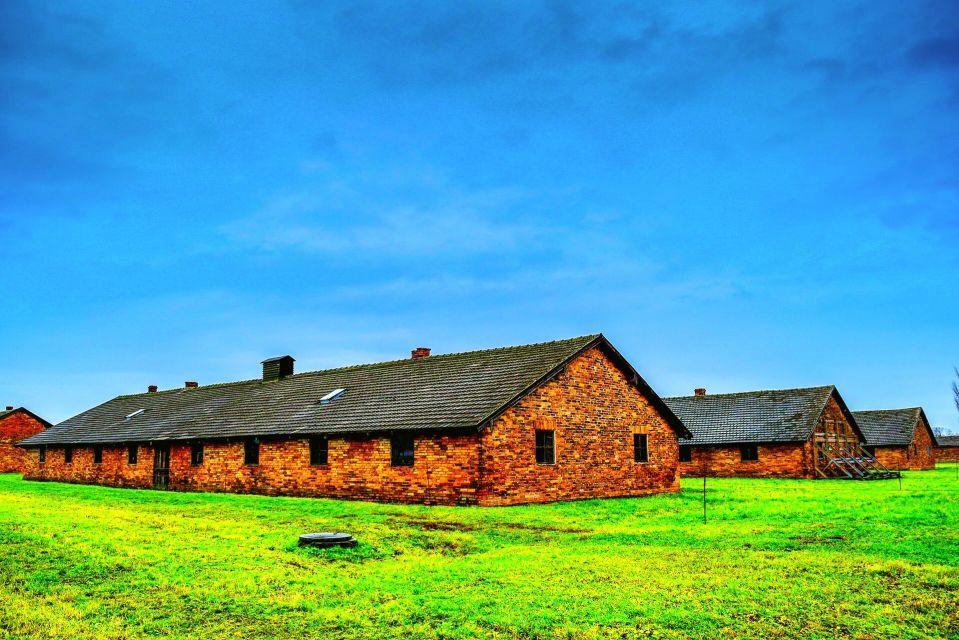
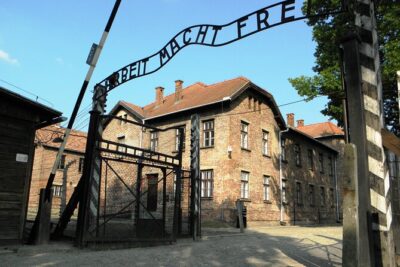
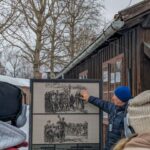
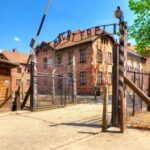
The first major stop is Auschwitz I (the main camp). In this tour format, you get about 2 hours here with a guided component that also includes museum exhibitions in remaining prison blocks.
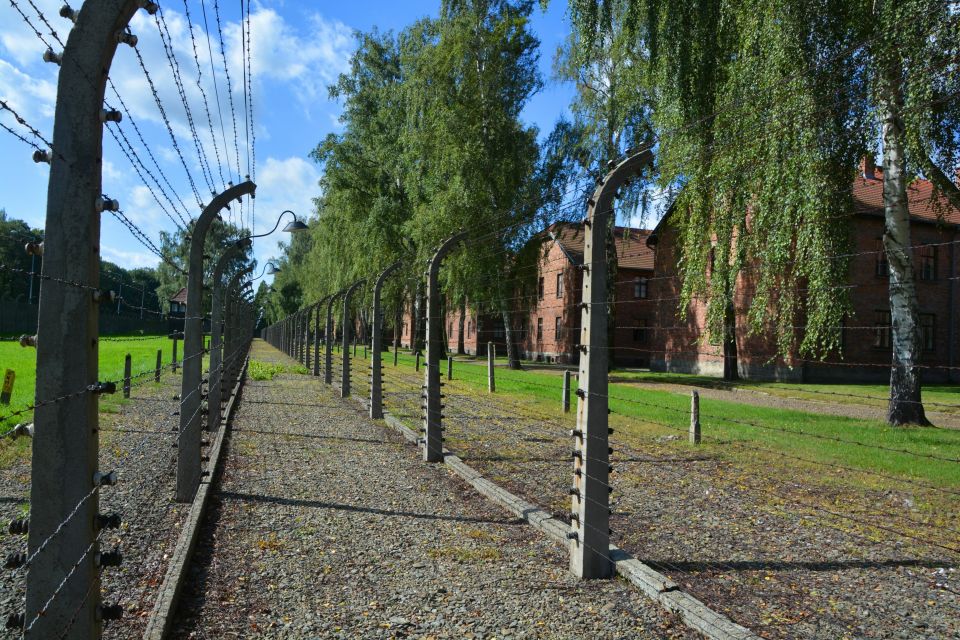
This part is often the most “dense” historically, because it focuses on the core infrastructure of the camp system. You’ll see preserved and remaining areas and exhibitions in blocks, as well as specific, significant features that help explain the camp’s daily reality and the mechanisms of persecution.
Based on the tour structure, expect to walk through:
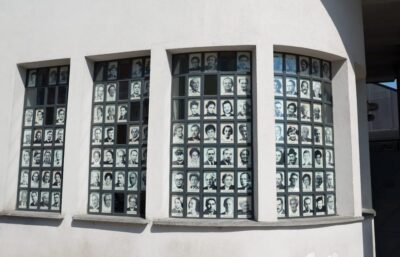
- Exhibitions in remaining prison blocks
- Prisoner rooms
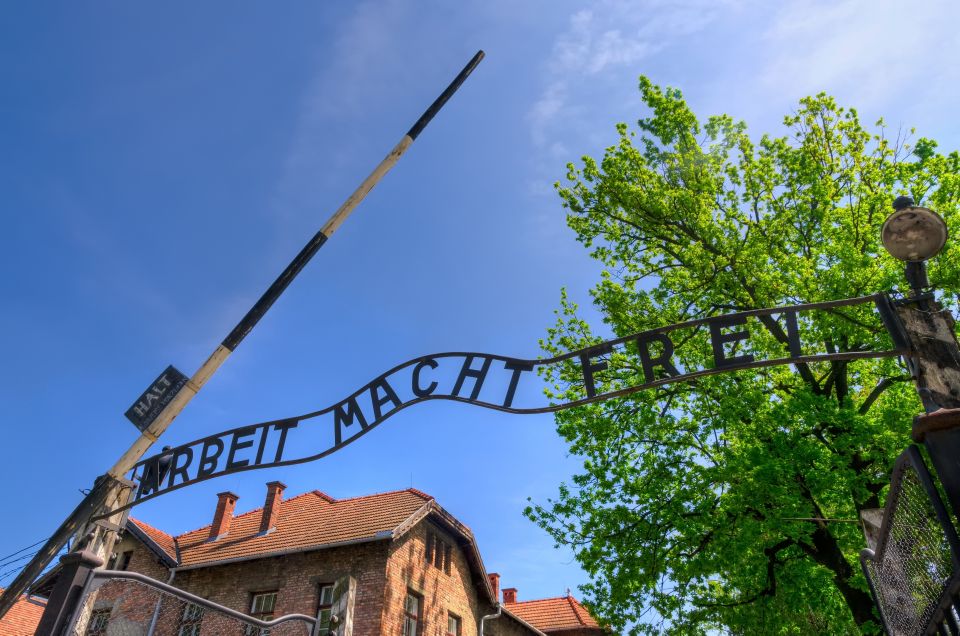
- The death wall
- Gas chamber and crematoria buildings (as included in the visit route)
- Remaining barracks and other original objects tied to day-to-day camp life
Why this matters for you: Auschwitz I is where many visitors start to grasp the machinery of control—how people were processed, held, and brutalized inside a highly organized system. If you only do Birkenau, you can still learn a lot, but Auschwitz I gives the foundation.
A possible drawback: museum pacing matters. The memorial visitor service controls how much time you get, and you may feel like your group is moving to the next point before your brain has fully absorbed the last one. If you want slow reflection, build a little breathing space into your own behavior: pause for a moment before each major stop, then move with the group.
The transfer between Auschwitz I and Birkenau
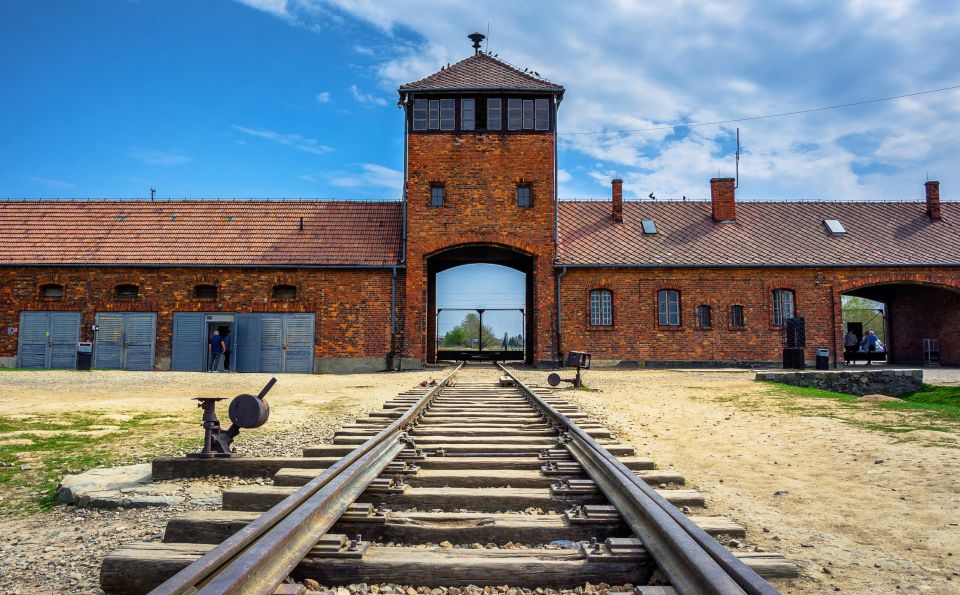
Between camps, there’s a short coach transfer—about 15 minutes in this itinerary format. This isn’t just “travel time.” It’s a mental reset.
Use it to:
- adjust your footwear and clothing
- take a small water break if you brought something (the tour doesn’t include food or drinks)
- prepare for a more open layout at Birkenau
Also, keep an eye on your group meeting point and timing. In a place like this, the goal is simple: don’t lose your spot. The tour is designed so the guide manages the transitions efficiently.
Auschwitz II Birkenau: the scale hits differently
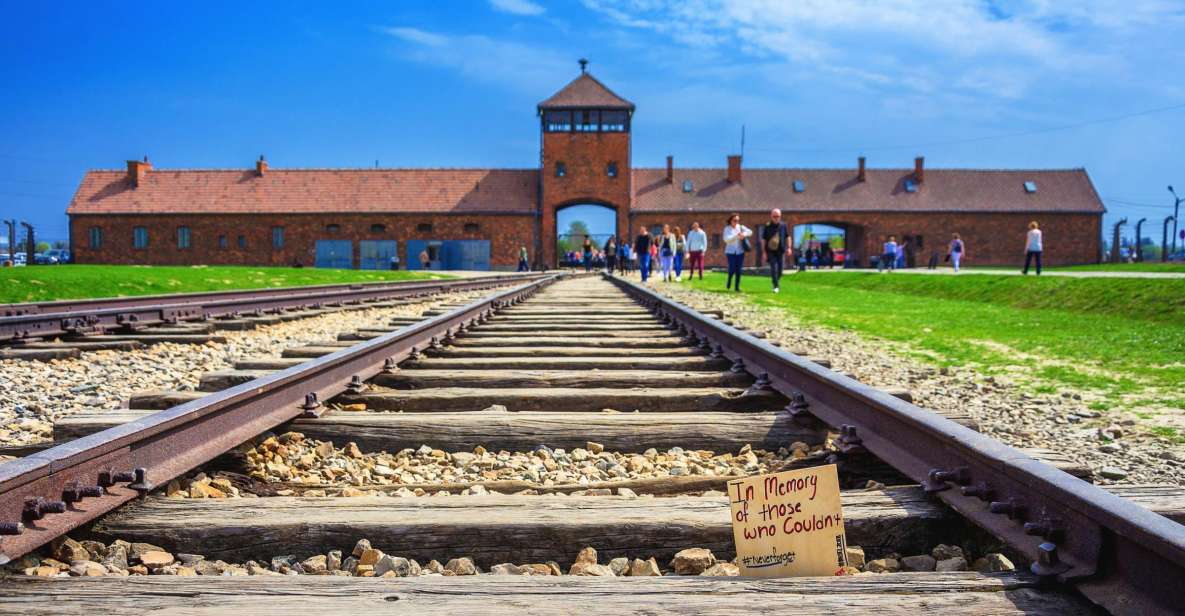
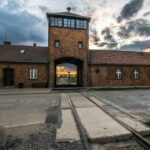
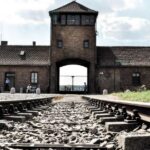
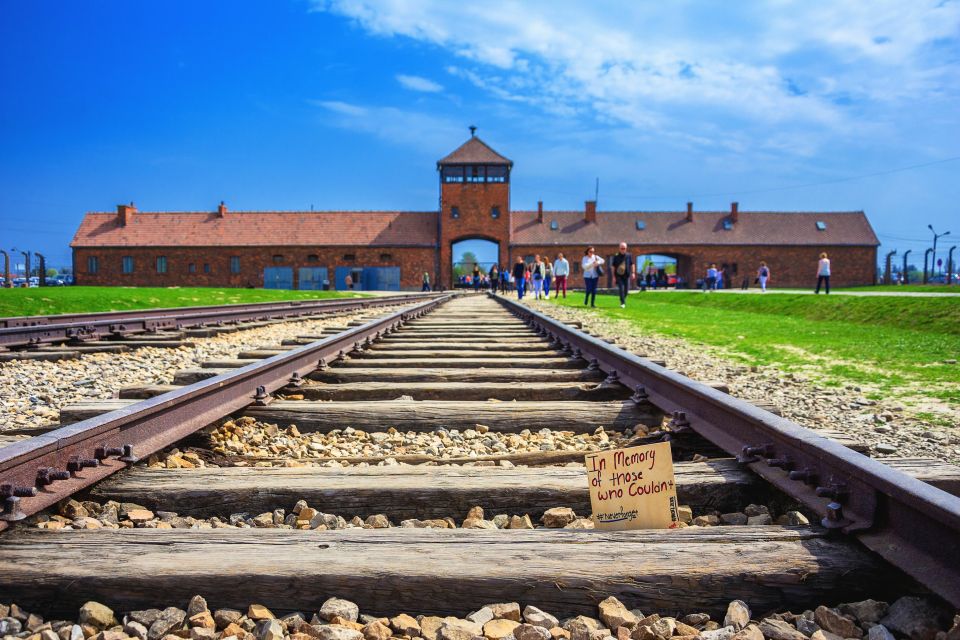
Next comes Auschwitz II–Birkenau, where the visit is about 1.5 hours guided. Birkenau has a different feel from Auschwitz I. It’s larger, more open in parts, and the physical layout can be startling in how it shows scale.
Your guided route includes major elements tied to the camp’s function:
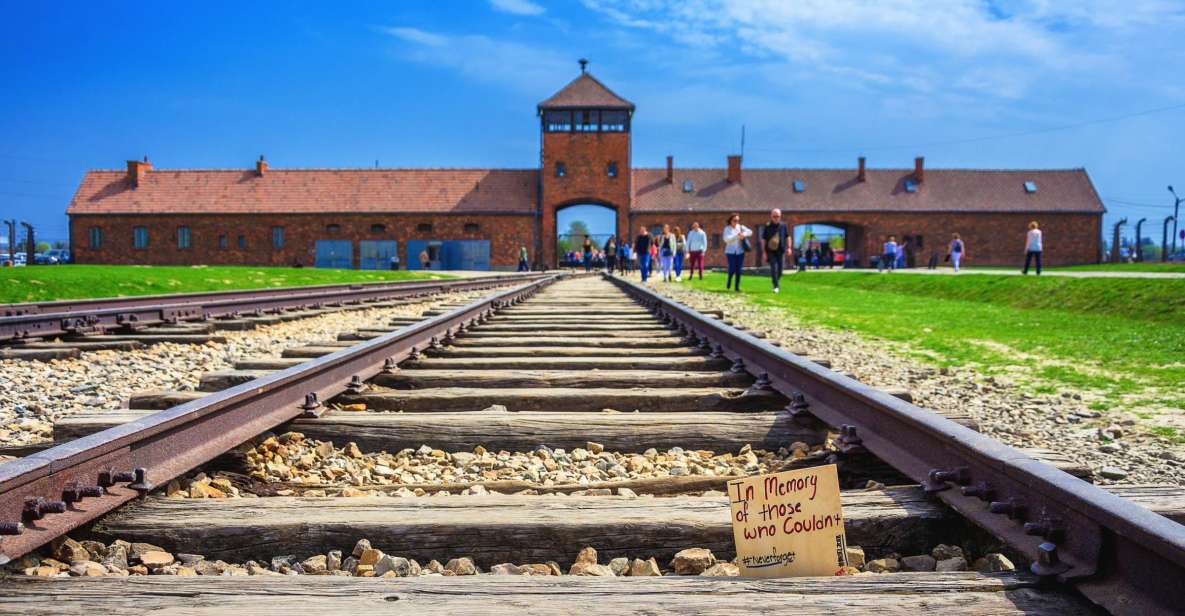
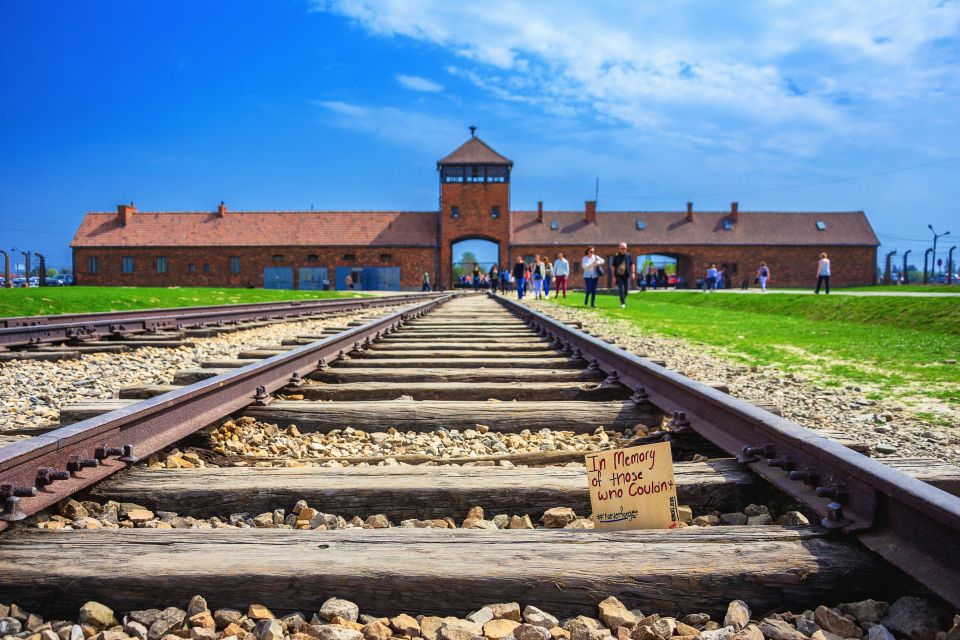
- the railway ramp in Birkenau
- original objects and remaining barracks
- other areas that present everyday camp reality and the treatment of imprisoned people
You’ll also be guided through the path of what happened, not just what existed. That’s where interpretation matters. Standing at Birkenau without explanation can turn into guessing. With a guide, you start to connect the dots—how the rail access, barracks layout, and forced movement all fit together.
One detail worth knowing: some groups are guided in a way that’s easier to hear throughout the walking portions. People have described guidance with headphones inside the camps, which helps if the group splits by a few steps or if sound is limited.
Comfort, timing, and the “do we have enough time?” reality
This tour is built to fit the memorial’s schedule into a workable day trip. In total, the experience runs from roughly 210 minutes up to around 7 hours, depending on tour time and how the memorial sets your slots.
That range is a clue: your time is not entirely under tour-operator control. The memorial decides pacing and start timing. The practical implication for you is to treat this as a full-day commitment—especially since you’re also traveling to and from Krakow.
A common experience pattern is:
- you spend real time on site
- you also spend time moving between sites and following group flow
- you may not get a long “wander and think” block
Some visitors describe feeling like they were often moving to keep up with the guide. That doesn’t mean the tour is bad—it means you should adjust your expectations. If you want a very slow, reflective visit, you might feel constrained by group timing.
If you want a balance, you can still find your moments: stand still at key points, look closely, and ask your guide questions when there’s a pause opportunity. The best guides handle questions with care and clarity.
Price and value: is $69 really fair?
Let’s talk money with your head, not your emotions.
For $69 per person, you typically receive:
- skip-the-line tickets
- round-trip transportation from Krakow (if you choose the pickup/transfer option)
- a local guide for the camp visits in your chosen language (or English if minimum numbers aren’t met)
- an English-speaking driver/tour leader
- pickup from the Krakow meeting point option you selected
The value is strongest if you’re traveling without a car and you don’t want to manage entry timing. You also get the advantage of someone organizing the transitions between Auschwitz I and Birkenau. In a place this structured, organization is comfort—and comfort helps you stay present.
What you should factor in:
- food and drinks are not included
- you may end up buying a snack on your own or planning what you bring (you can bring small personal items, but you can’t bring large luggage)
- the day is long, so you’ll feel it physically even if the coach is comfortable
If you’re the type who learns by reading, a solo visit might seem tempting. But Auschwitz is one of those places where a guide often feels like the difference between looking at a site and understanding a system.
What to bring (and what to leave at home)
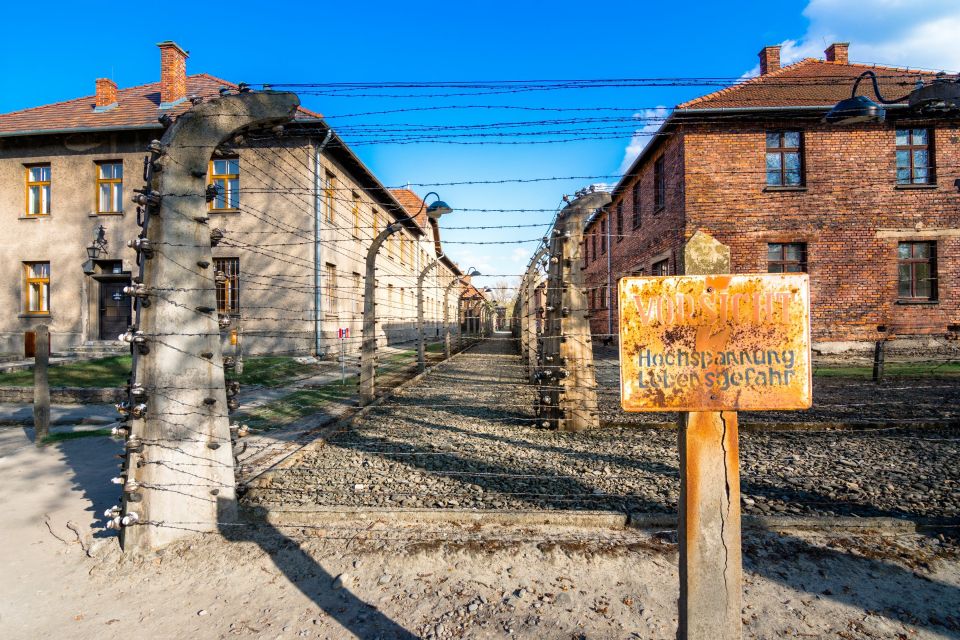
Based on the tour rules, pack like you’re going to a secure museum with walking.
Bring:
- Passport or ID card
- comfortable clothes and shoes for walking
- only small hand luggage within 30x20x10 cm (12x8x4 inches)
Don’t bring:
- luggage or large bags (leave larger items on the bus)
- anything that violates museum rules
And remember the emotional context. This is not a day for drinking. The tour states that alcohol is forbidden, and that’s exactly the right tone for the place you’re visiting.
Language options and what happens if your language is unavailable
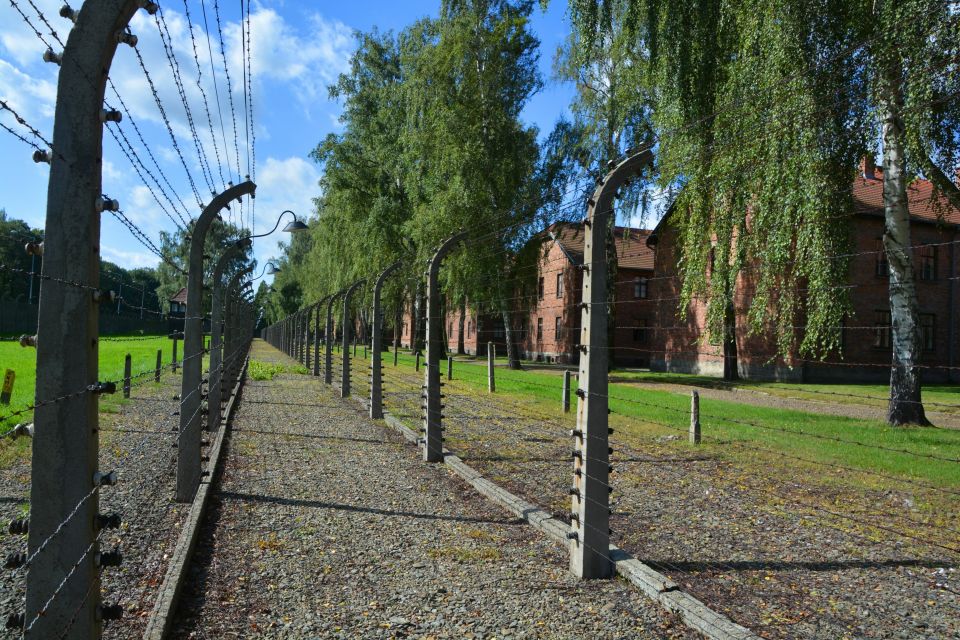
This tour offers live guide languages including English, Polish, French, Italian, German, and Spanish.
If the minimum group size in your selected language isn’t met, you’ll be given the tour in English. That’s a big deal for planning. If you prefer a specific language, book early enough to improve the odds, but don’t panic—English is provided if the group doesn’t meet minimums.
In past departures, guides have also been praised for speaking clearly and slowly enough for everyone to follow, even while people asked questions.
Who this tour suits best
This experience fits best if you want:
- a structured route that covers both key sites
- expert-style interpretation from a local guide
- an easier day plan with coach transport and skip-the-line entry
It’s less suitable if you:
- have mobility impairments (the tour notes it isn’t suitable for people with mobility impairments)
- want a very flexible, self-paced schedule
Also, consider your expectations about time. You’ll see a lot in a single day, but you won’t control the museum’s visitor timing.
Quick tips for a more meaningful visit
You’ll get the most out of this tour if you prepare your brain a little before you arrive.
Try this:
- Ask one good question early, then let the guide’s explanations guide your pacing.
- Don’t sprint through the big areas. Even a brief stop helps your memory stick.
- Use the coach time to mentally switch modes: this is a history and testimony day, not a sightseeing day.
- Plan food separately. Since food and drinks aren’t included, bring or buy something small so hunger doesn’t steal your focus.
If your schedule allows, buy any books or materials at the museum area. Some visitors appreciate having time to look at books after the guided portion, and you may also find short add-on stops depending on the day’s flow.
Should you book this Krakow-Auschwitz Birkenau tour?
Yes, you should book it if you want a clear, guided, two-camp Auschwitz experience without the stress of planning transport and entry timing. The combination of live guide + skip-the-line + return coach is strong value, especially for a first-time visitor coming from Krakow.
I’d think twice only if you strongly prefer solo pacing and you’re already comfortable interpreting what you see without a guide. In that case, you might prefer a self-guided plan. But for most people, the guide is the difference between facts and understanding.
If you do book, treat it like a full-day commitment. Bring your ID, travel light, wear good shoes, and give yourself permission to feel what you’re seeing—then let the guide help you put it in context.
FAQ
Where is the meeting point?
Your meeting point is 14 Straszewskiego Street in Krakow (with exact meeting points that may vary depending on the option you book).
How long is the tour?
It runs 210 minutes to about 7 hours, depending on the starting time and schedule.
Does the tour include skip-the-line entry?
Yes. Skip-the-line tickets are included.
What do I see during the guided portion?
You visit Auschwitz I and Auschwitz II–Birkenau, including exhibitions in remaining prison blocks and key camp features such as the death wall, gas chambers, crematoria buildings, barracks areas, and the Birkenau railway ramp.
Is transportation included?
Round-trip transportation from your Krakow meeting point is included if you select the pickup/transport option.
What languages are available for the guide?
Live tour guide languages include English, Polish, French, Italian, German, and Spanish. If minimum numbers aren’t met for your language, the tour will be in English.
What should I bring?
Bring your passport or ID card and comfortable clothes.
Is there a luggage limit?
Yes. You cannot bring luggage or large bags. Hand luggage must be no larger than 12x8x4 inches (30x20x10 cm). Larger luggage must be left on the bus.
Are food and drinks included?
No. Food and drinks are not included.
Is the tour suitable for everyone?
The tour is not suitable for people with mobility impairments, according to the activity information.
Can the start time change?
Yes. The tour start time may change based on the Auschwitz Museum’s decision, and the activity advises you to save the whole day.