REVIEW · KRAKOW
Krakow: City Tour by Electric Golf Cart
Book on GetYourGuide →Operated by See Cracow Tours · Bookable on GetYourGuide
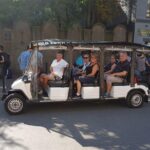
Krakow’s highlights come fast from a warm cart. I love the ease of an electric golf cart that cuts the walking without losing the main sights, and I love the 28-language audio guide that keeps the story moving even when you’re focusing on the streets. One drawback to plan for: you’re covering a lot in 90 minutes, so you’re not doing slow, in-depth time at every site.
This is also a tour where the drive can feel like a guided conversation. People call out guides by name—like Valentino and Paulina—for making the history clear and answering questions on the spot. If you want a smart first pass through Krakow (and a nudge toward what to see next), this tour is built for that.
In This Review
- Key things I’d circle on this Krakow cart tour
- Why an electric golf cart is a smart way to start Krakow
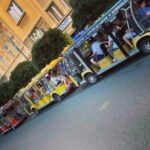
- Meeting point and how the ride actually works
- Old Town and the Royal Route: from Market Square toward Wawel
- Kazimierz: seeing the Jewish Quarter without treating it like a checklist
- Podgórze and the ghetto landmarks: Ghetto Heroes Square to Eagle Pharmacy
- Oskar Schindler’s Factory: a short stop that points you to the next level
- How the guidance is delivered: live English plus audio in 28 languages
- Comfort and value: what $36 really buys you in Krakow
- Who should book this Krakow electric cart tour
- Should you book this tour or do it on your own?
- FAQ
- How long is the Krakow city tour by electric golf cart?
- How much does the tour cost?
- Where do I meet the driver-guide?
- Will I be dropped off somewhere else after the tour?
- Is there an audio guide, and what languages are available?
- Do I need to bring food or drinks?
- Is luggage allowed on the tour?
- Is there free cancellation or reserve-and-pay-later options?
Key things I’d circle on this Krakow cart tour
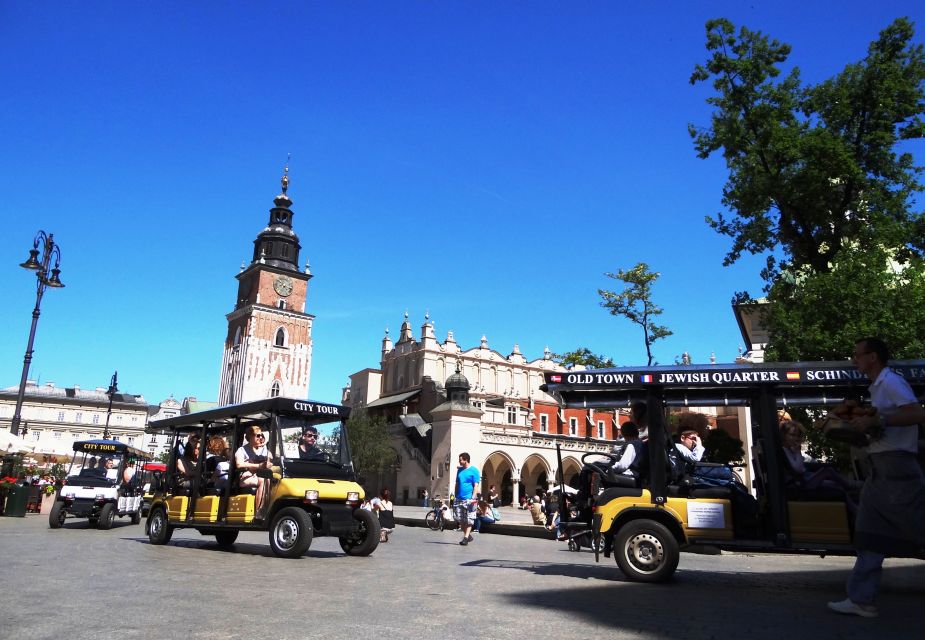
- 1.5 hours that protects your energy while still hitting the city’s biggest sections
- Old Town views from the Royal Route, with stops tied to key landmarks like Wawel and Jagiellonian University
- Kazimierz walk-through feeling as the cart rolls through synagogues, old cemeteries, and atmospheric streets
- Podgórze ghetto stops at places like Ghetto Heroes Square and Eagle Pharmacy
- Schindler’s Factory included for the WWII thread that connects the whole route
- Live driver-guidance plus audio in 28 languages (English offered, with many other options)
Why an electric golf cart is a smart way to start Krakow
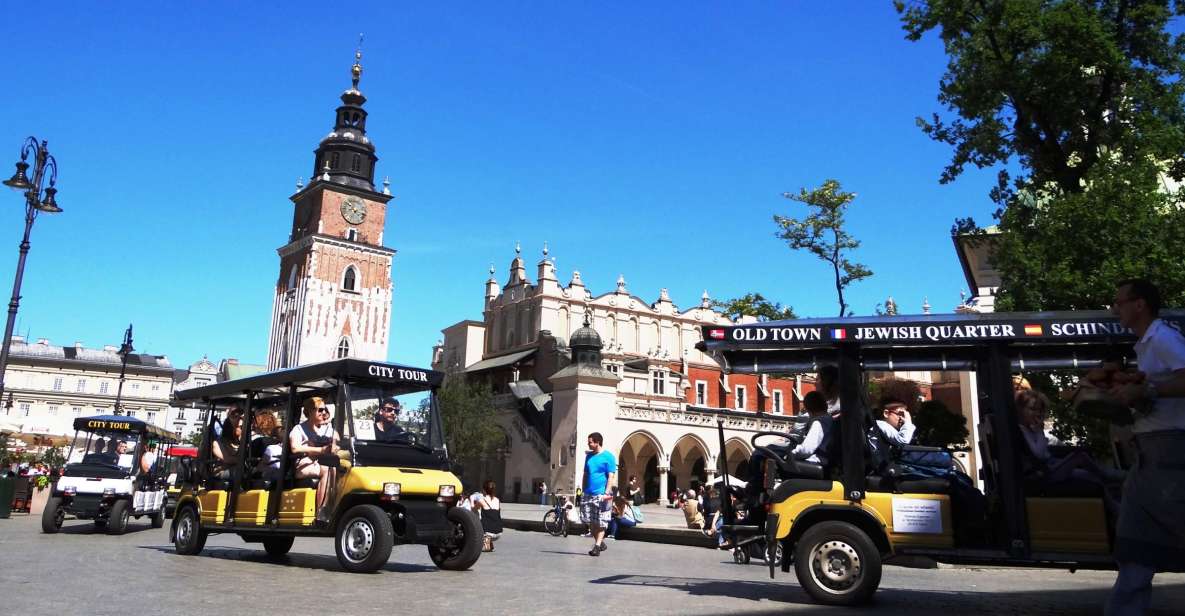
Krakow is walkable, but it’s also hilly in places, and Old Town can feel like a lot in one day. I like that this tour turns the “first day shuffle” into something calmer: you ride, look, and learn while your legs stay fresh for later.
The cart format also helps you read the city. When you move along the Royal Route and toward Wawel, you’re not just spotting buildings—you’re seeing how Krakow is stitched together. That’s valuable when you later return on foot and want to know where you are and why the streets feel the way they do.
You can also read our reviews of more city tours in Krakow
Meeting point and how the ride actually works
You meet at the tourist bus stop labeled K+R BUS at Kraków, Plac Jana Matejki 3. The tour starts from a central area, which matters in Krakow because you’ll spend less time crossing the city just to begin.
The ride is designed as a guided loop. You stop for sightseeing at major areas, then you’re returned to the meeting point or dropped off in the city center. That flexibility is handy if your next plan is nearby and you don’t want to backtrack.
A practical note: large bags and luggage aren’t allowed, so travel light if you can. Good for you, honestly—less fuss, less congestion, and more time looking out at the sights.
Old Town and the Royal Route: from Market Square toward Wawel
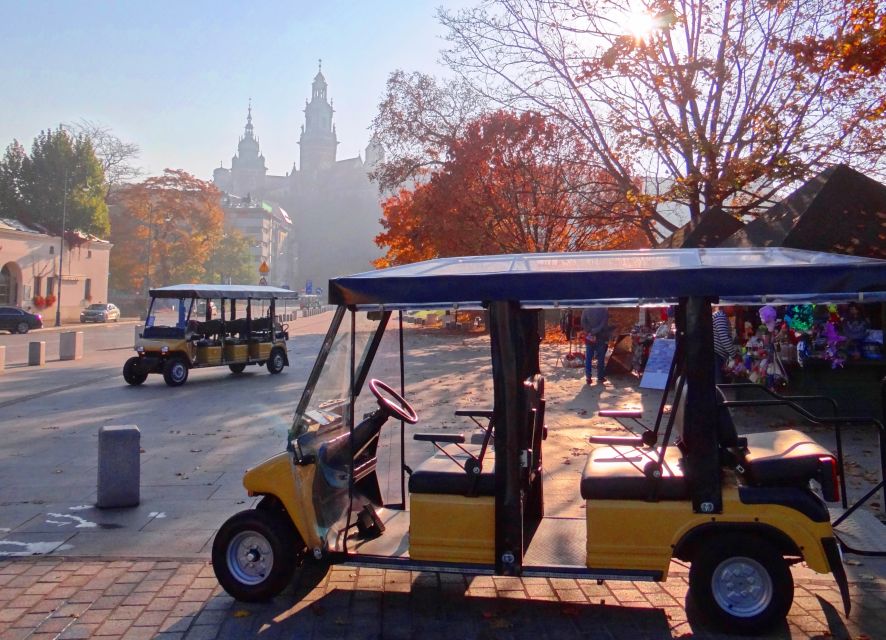
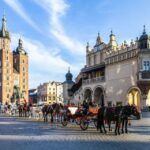
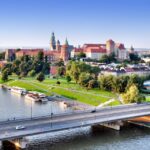
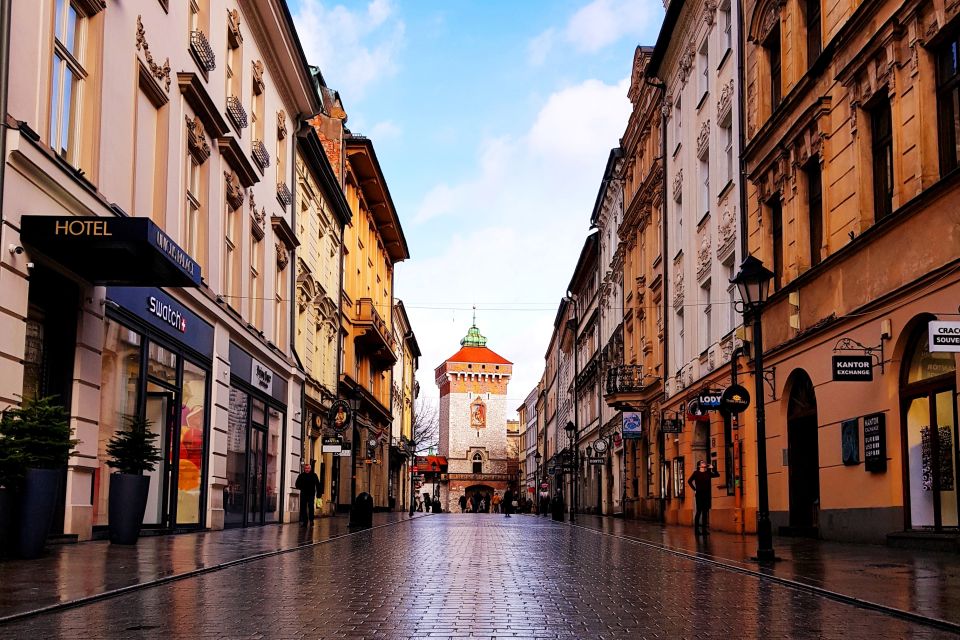
The Old Town portion is your orientation booster. You start with the area around the medieval Main Market Square, known for being the largest of its kind in Europe. Even if you’re not going inside every building, being there by cart gives you the big-picture layout fast.
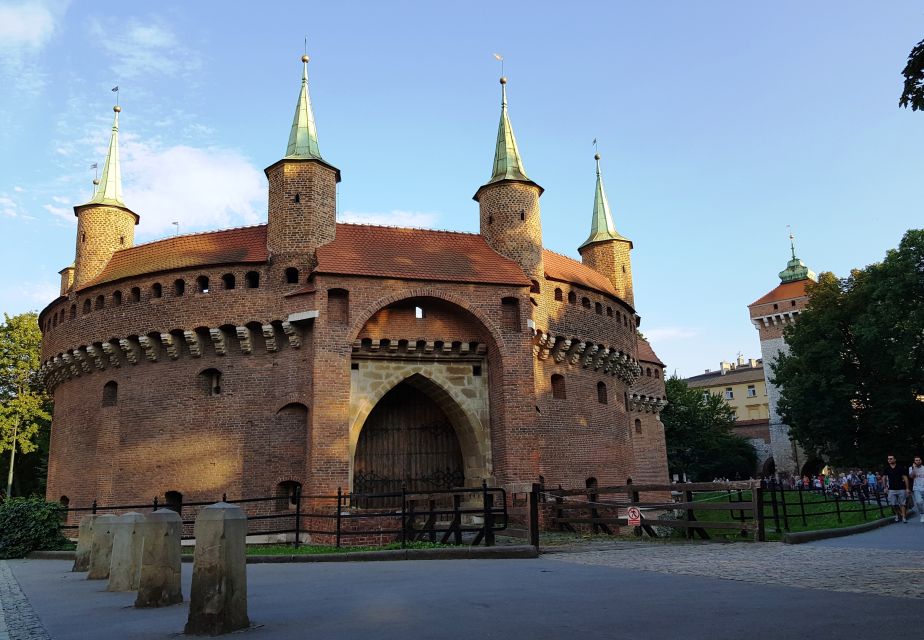
From there, the route follows the Royal Route and takes you past defensive walls and fortifications. This is one of the quiet advantages of a ride like this: you can actually see how the city used to protect itself, rather than only reading about it later.
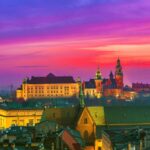
Along the way you’ll spot important landmarks from outside the gates and streets where crowds can slow you down, including Jagiellonian University, Słowacki Theater, and Wawel Castle. You’re not being asked to climb, queue, or sprint between points. You’re being shown the geography so your later wandering makes sense.
Kazimierz: seeing the Jewish Quarter without treating it like a checklist
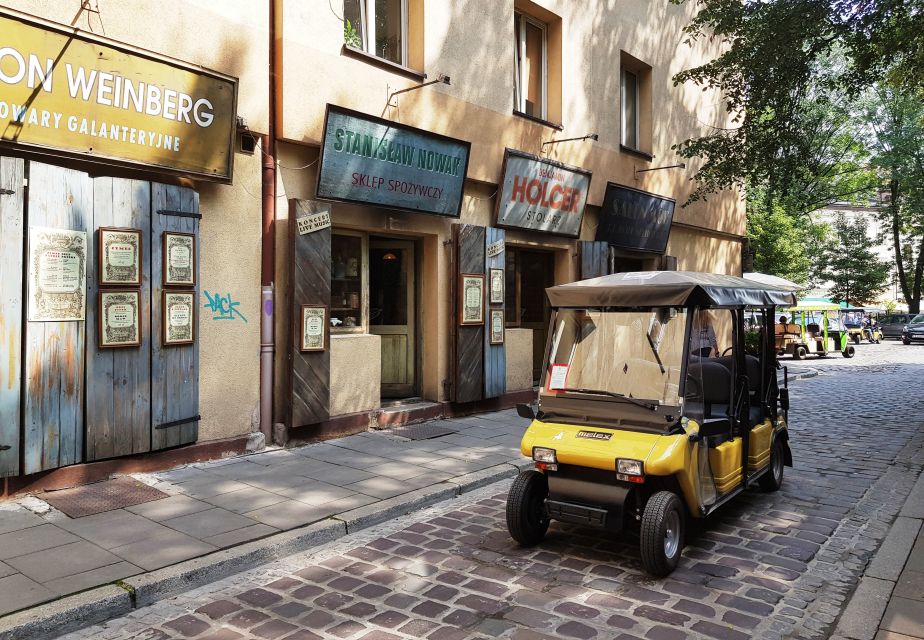
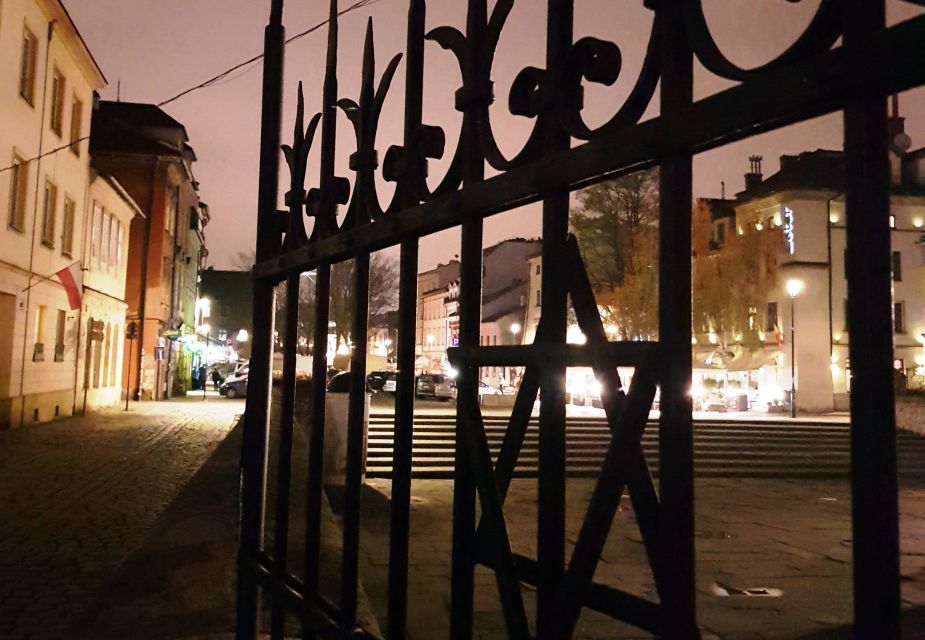
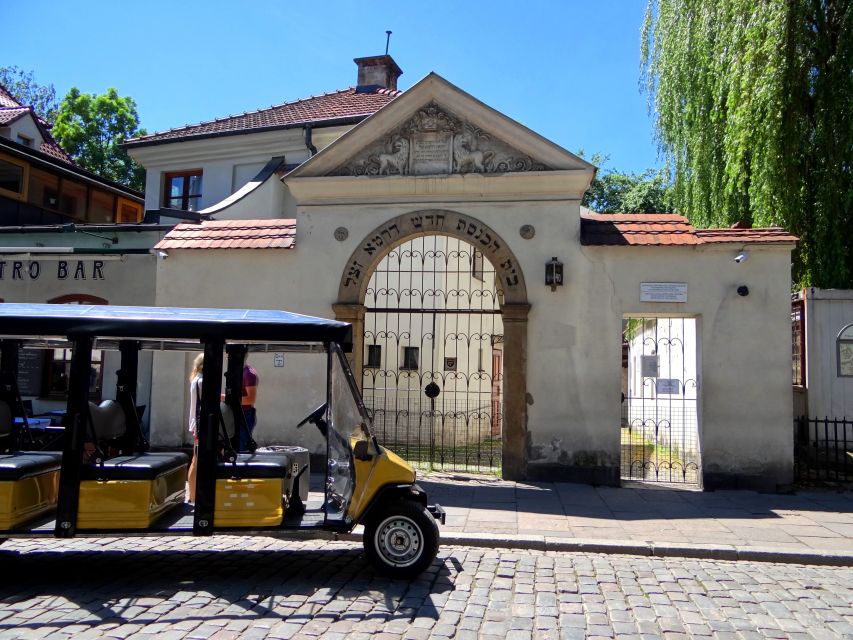
Kazimierz is where Krakow’s atmosphere changes. This part of the tour is built around the feeling of the Jewish Quarter—synagogues, old cemeteries, and the look of streets and squares as you pass through.
I like this approach because it keeps you from turning Kazimierz into a “photo only” zone. The narration you hear while moving helps you connect what you see—streets, buildings, and public spaces—to what those places meant over time.
It also helps to pace this part. You’re spending about the same time here as in Old Town, but you’ll likely notice that it feels different. Old Town is about scale and central power; Kazimierz feels more human and local, even from the cart seat.
Podgórze and the ghetto landmarks: Ghetto Heroes Square to Eagle Pharmacy
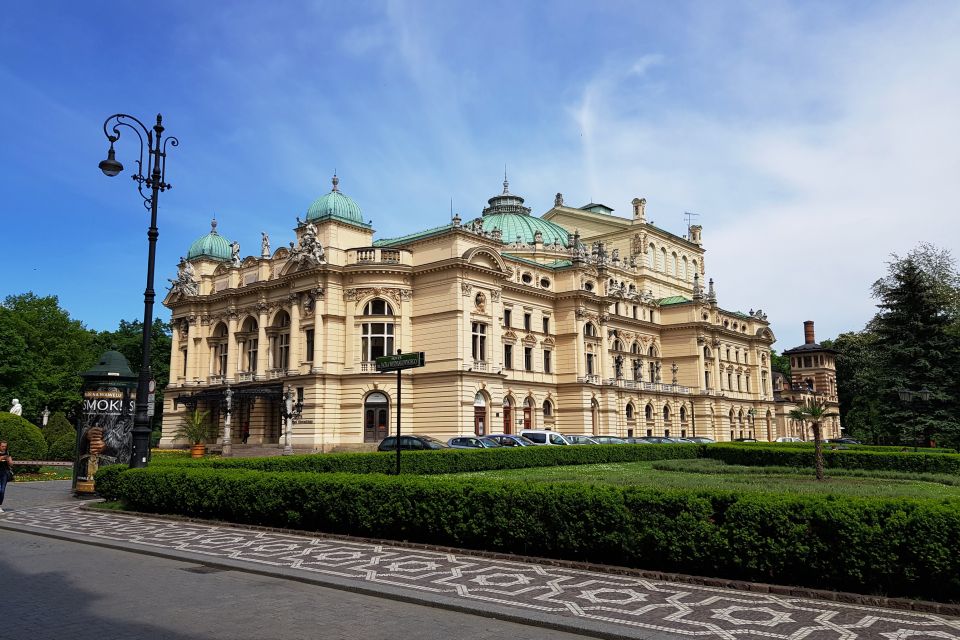
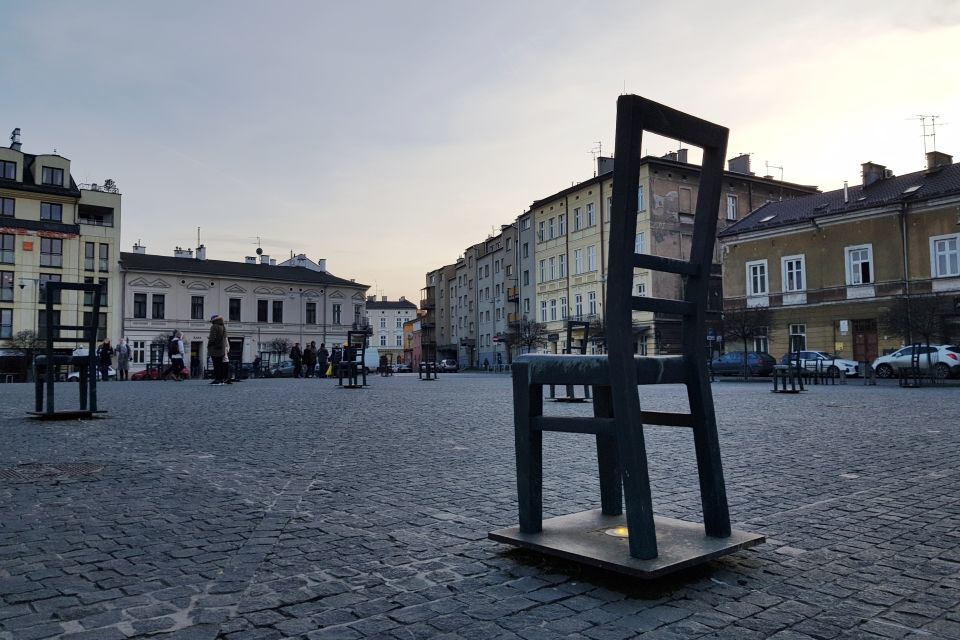
Podgórze is where the tour shifts tone. You stop at Ghetto Heroes Square, then head toward places tied to the day-to-day reality of WWII confinement, including the Eagle Pharmacy and remnants of former ghetto walls.
This section matters because it ties the city’s visible streets to what happened here. The tour is explicit about the tragic history of the Jewish community during World War II, and it gives you names and locations so you can later make sense of what you read or see in the museums.
One thing I appreciate: you’re given quick, pinpoint stops. You don’t need hours to understand the layout and learn the key reference points. Later, when you choose where to spend more time, you’ll already know what you’re looking for.
Oskar Schindler’s Factory: a short stop that points you to the next level
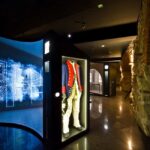
The final sightseeing stop is Oskar Schindler’s Factory, with time set aside for a focused look. Even in a short window, this stop gives you the WWII thread that connects back to the ghetto landmarks.
The tour frames the factory as a place where many lives were saved. That context matters, because it changes how you interpret the industrial setting. You’re not just looking at a landmark—you’re looking at a turning point in the story.
If you want to go deeper after the cart tour, this is the perfect place to do it. This visit works like a guided doorway: you’ll leave with enough context to plan a proper follow-up on your own time.
How the guidance is delivered: live English plus audio in 28 languages
You get a live English-speaking driver, and the tour includes an audio guide in 28 languages. English is available, and so are options like German, French, Italian, Spanish, Dutch, Norwegian, Finnish, Danish, Russian, Ukrainian, Czech, Slovak, Hungarian, Greek, Hebrew, Arabic, and many others.
In practice, I like this “both modes” setup. When you’re riding between stops, the audio keeps the narration consistent. When you’re listening to the live guide, you can get answers and extra context in real time.
One consideration: audio quality and clarity can vary depending on the language track. If you choose a less common language, bring realistic expectations about how smoothly it sounds over car audio systems.
Comfort and value: what $36 really buys you in Krakow
At $36 per person for about 90 minutes, the value here isn’t only the transportation. You’re paying for three things at once: a low-effort way to cover multiple districts, guided context for big sites, and audio narration that can run in many languages.
That bundle is especially worth it if you have limited time in Krakow. This tour is built to help you decide what to see next. Many people use it early in their trip to get oriented, then return to pick the best matches—places you’ll actually want to spend longer on.
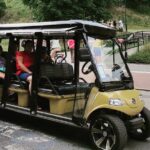
Comfort also shows up in how people describe the carts in cold weather. While you shouldn’t assume every single departure is identical, the electric cart setup is generally a better fit for winter than doing all of Krakow by foot. Warm seating and covered rides are a huge morale boost when temperatures dip.
Also keep in mind the trade-off: you’re touring at an overview pace. If your idea of travel is slow and solitary, you may want to spend more time on a second day in the spots that grabbed you most.
Who should book this Krakow electric cart tour
This tour is a great fit if you want:
- A first-day overview that helps you plan the rest of your time
- A way to see Old Town and Kazimierz without burning your legs
- Clear, location-based context for the WWII ghetto landmarks
- A comfortable format for mixed weather
It may not be ideal if you prefer long museum time during a single outing, or if you want to choose only one neighborhood and linger there. This tour is designed for coverage and context, not extended immersion at each stop.
Should you book this tour or do it on your own?
Book it if you want a fast, guided orientation that stitches Old Town, Kazimierz, and Podgórze into one coherent route. This is the kind of tour that helps you stop guessing where everything is, and it steers you toward the exact places worth more time.
Skip it only if you already know Krakow well and plan to focus deeply on just one area. If that’s you, walking or a single-area tour might suit your pace better.
For most visitors, I’d call this a smart use of 90 minutes—especially early in your trip—because it turns “I’m in Krakow” into “I know what to prioritize next.”
FAQ
How long is the Krakow city tour by electric golf cart?
The tour lasts 90 minutes (about 1.5 hours).
How much does the tour cost?
The price is listed at $36 per person.
Where do I meet the driver-guide?
Meet at the tourist bus stop (K+R BUS) at Kraków, Plac Jana Matejki 3.
Will I be dropped off somewhere else after the tour?
Yes. You’ll be dropped off back at the meeting point or any location in the city center.
Is there an audio guide, and what languages are available?
Yes. The audio guide is included and is available in 28 languages, with English and many others listed (including Polish, German, French, Spanish, Italian, Dutch, and more).
Do I need to bring food or drinks?
Food and drinks are not included, so you’ll want to handle that on your own.
Is luggage allowed on the tour?
No—luggage or large bags are not allowed.
Is there free cancellation or reserve-and-pay-later options?
There is free cancellation up to 24 hours in advance for a full refund, and you can reserve now and pay later.