REVIEW · OSWIECIM
Auschwitz-Birkenau: Museum Entry Ticket with Guided Tour
Book on GetYourGuide →Operated by LegendaryKrakow · Bookable on GetYourGuide
Crossing the gates changes how you see history. I love the skip-the-line setup (so you start sooner), and I love that the guide uses headsets so you can actually hear the story while you walk. The one drawback to plan for: the visit can feel a bit rushed, because the memorial sets the pace.
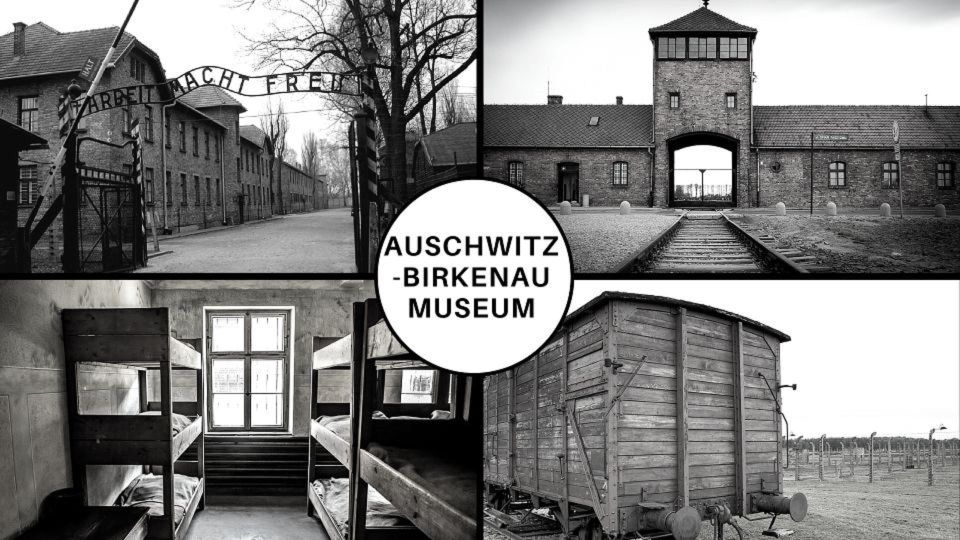
You’ll follow a structured route that takes you from the former camp Auschwitz I to Auschwitz II-Birkenau, including the entrance gate, barracks, and the railway platform. It’s heavy, emotional work, but having a live English guide helps you keep your bearings fast and understand what you’re looking at—without guessing.
In This Review
- Key highlights worth knowing before you go
- Meeting at the Auschwitz Birkenau Visitor Center and getting your bearings
- Auschwitz I: walking the former camp with real-time narration
- The exhibitions and barracks: how the story becomes specific
- Free time at the memorial: a short pause you can actually use
- Auschwitz II-Birkenau: the railway walk and the ruins that define the place
- Price and value: why $52 can still be a smart choice here
- What to wear and pack so your entry doesn’t get awkward
- Pacing, language, and group dynamics: how to make it feel manageable
- Who this guided tour suits best (and who should reconsider)
- Should you book this Auschwitz-Birkenau guided tour with skip-the-line entry?
- FAQ
- How long is the Auschwitz-Birkenau museum entry with guided tour?
- What is included in the tour price?
- What language is the live guide?
- Where do I meet the guide?
- Can I bring luggage or a large backpack?
- Are there clothing restrictions?
- Is the tour suitable for children or for mobility needs?
- What if my plans change after booking?
Key highlights worth knowing before you go
- Skip-the-line entry so you don’t lose precious time at the start
- Live English guide with headsets that cut through distance and group noise
- Auschwitz I walking route through the former camp area built in 1940
- Birkenau railway walk tied to how people were transported within the camp
- Gas chamber ruins you’ll see up close as part of the memorial’s story
- A short free-time window to absorb what hits you hardest
Meeting at the Auschwitz Birkenau Visitor Center and getting your bearings
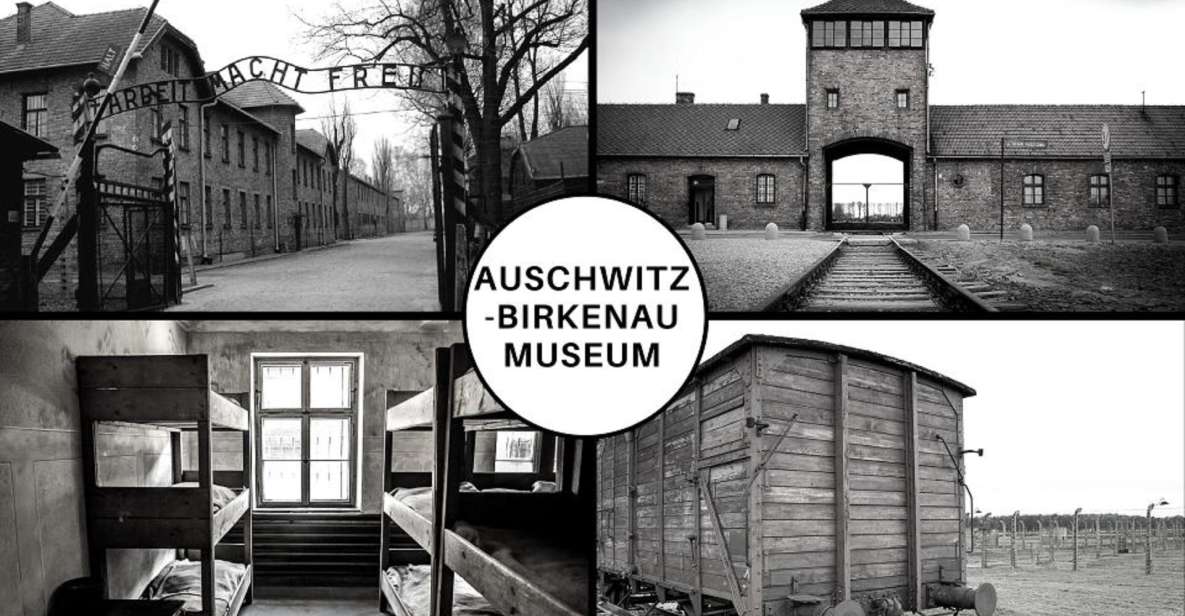
Your tour starts at the Auschwitz-Birkenau Memorial and Museum visitor area, at the Centrum Obsługi Odwiedzających Muzeum Auschwitz-Birkenau. You meet your authorised, live guide right by the gate leading to the parking, and you’ll spot the meeting area with information boards nearby.
Arrive with comfortable shoes and a clear plan for ID checks. You’ll need a passport or ID card, and your name must match your booking exactly—if your spelling doesn’t match your ID, entrance can be refused. That’s not a reason to panic, but it is a reason to double-check your booking details before you leave your hotel.
Also, the exact start time is not set in stone. The time you’re given is approximate and can change up to 4 hours, and the memorial controls the pace and duration. So I’d treat this like a fixed appointment, not a flexible suggestion.
You can also read our reviews of more tours and experiences in Oswiecim



Auschwitz I: walking the former camp with real-time narration
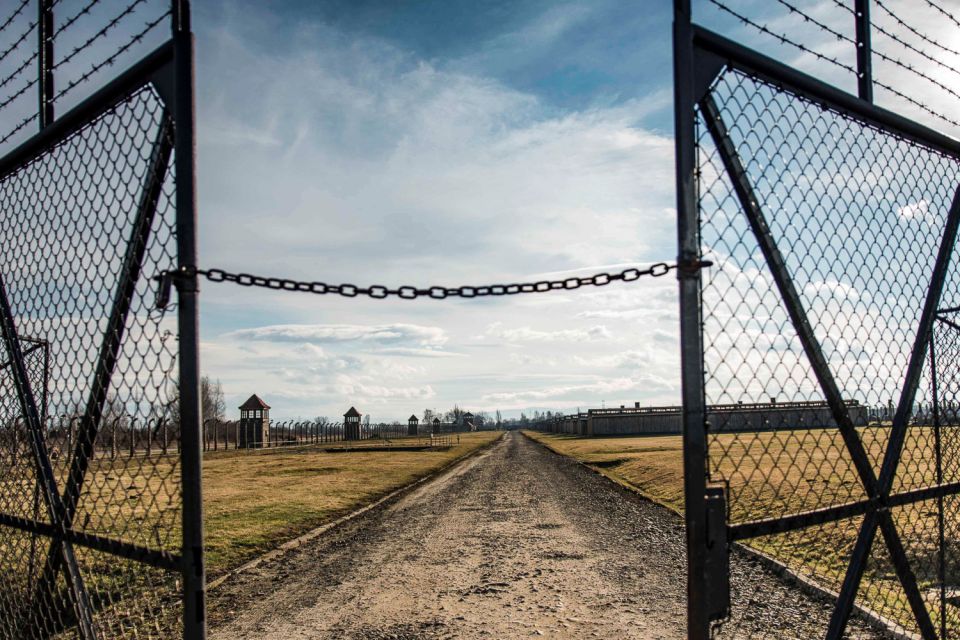
After meeting your guide, you head into Auschwitz I for about 105 minutes of guided walking and on-site exploration. This is the original camp area, built in 1940 in the suburbs of Oświęcim, and it sets the historical tone for everything that comes next.
What makes this stop valuable is the way the guide connects space to purpose. You’ll walk on the ground of the former camp and then move through barracks and exhibitions presented in buildings where people were kept. It’s not just a photo stop—your attention stays on what happened there and who was affected, including the fact that deaths are estimated at over 1.5 million people and that nearly 90% were Jews, with people from 28 nationalities represented.
The headsets matter more than you might think. Groups can stretch out, and Auschwitz I is not designed for whispering tours. With the headset, you can hear the guide clearly even when the group spreads out or you’re a few steps back, which keeps your experience more coherent and less confusing.
A practical consideration: some visitors report feeling it can be a bit rushed. Even when you do everything right, you’re still moving through a set route with a set pace. My advice is to mentally pick two or three places you want to linger (even if you only get a minute), because that helps you avoid spending the whole time feeling like you missed something.
The exhibitions and barracks: how the story becomes specific
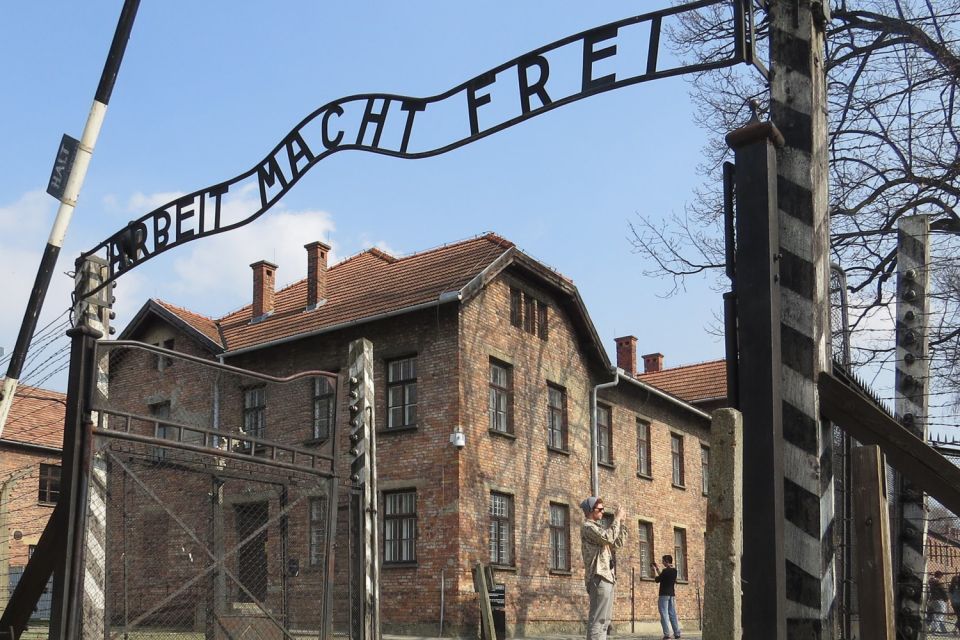
Once you’re inside Auschwitz I, you’ll see exhibitions presented in the barracks where people used to live. That detail matters. It turns the site from an abstract concept into a physical record of daily life under the camp’s rules—what the buildings were like, how space was used, and how confinement shaped everything.
This is also where a good guide earns their pay. Even though you’re walking, the explanation keeps you from reducing the place to a list of atrocities. Instead, you start noticing the pattern: how the camp system worked, how people were processed, and how the memorial explains each area’s meaning.
If English isn’t your strongest language, consider this carefully before booking. The tour is listed as English, and while the headset helps you hear clearly, it doesn’t translate the guide’s language. If your group has a mix of languages, you’ll still be hearing the full narration in English, so you’ll want to be comfortable following that.
Free time at the memorial: a short pause you can actually use
After Auschwitz I, you get free time for about 30 minutes before moving on. This break is short, but it gives you a chance to slow down and process without the guide talking non-stop.
Use this time with intention. If you want to read signage, now is when you’ll feel less rushed. If what you’re seeing hits you emotionally, this is also when you can step back, take a breath, and re-enter the next area with steadier focus.
The big tip here: don’t plan to do everything. You’re in a memorial site with strict rules and limited time, and you’ll want your energy for Auschwitz II-Birkenau right afterward. A 30-minute pause works best when you choose what matters most to you—one area to revisit, or one topic signage to read closely.
Auschwitz II-Birkenau: the railway walk and the ruins that define the place
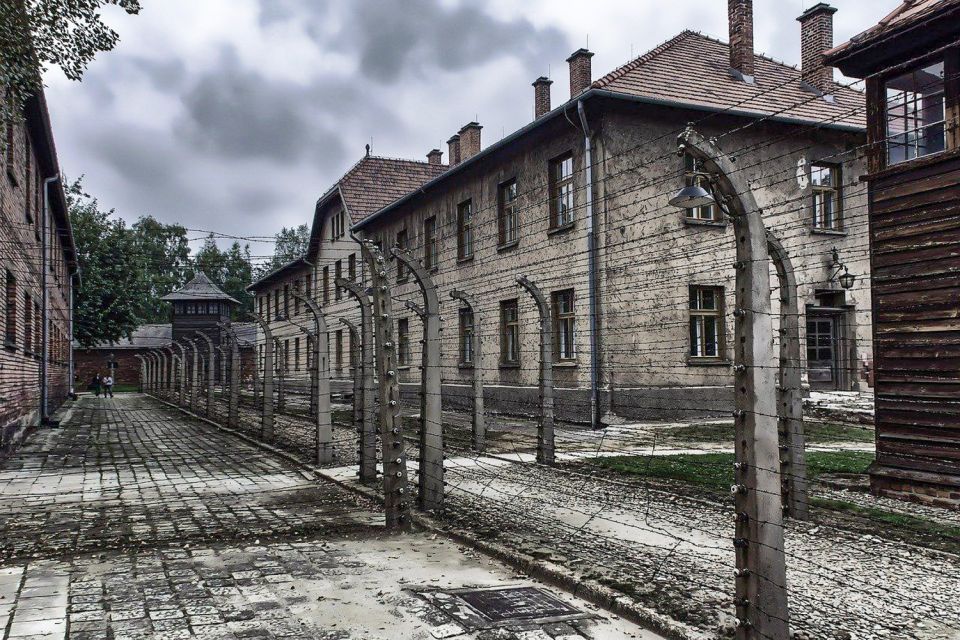
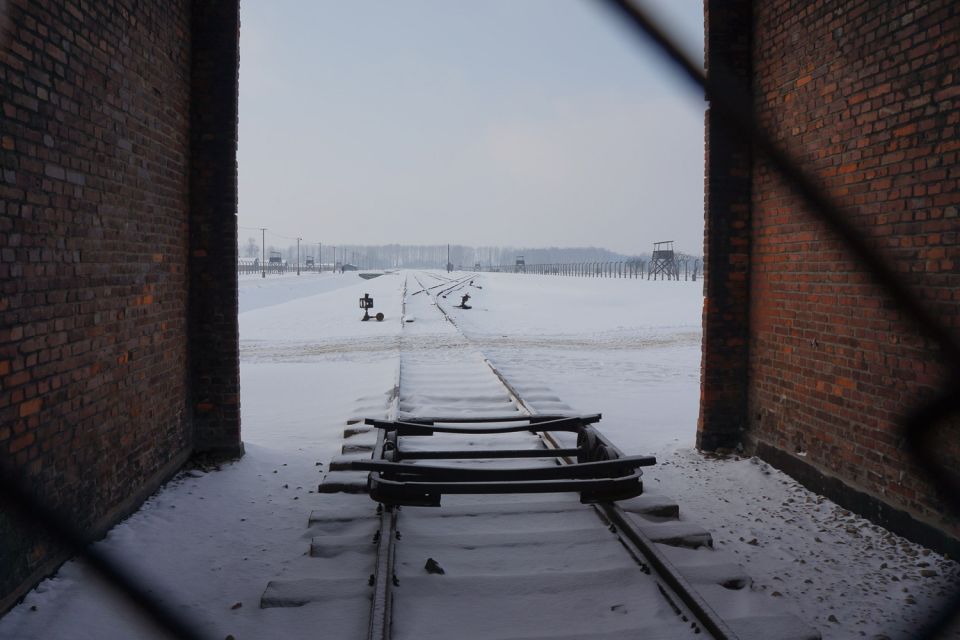
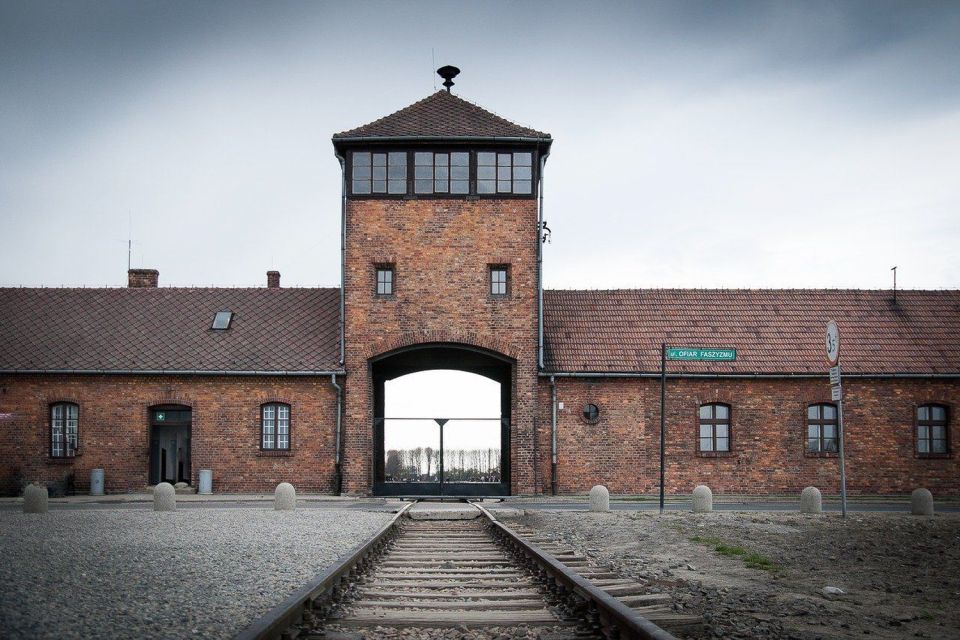
Next comes Auschwitz II-Birkenau, with about 75 minutes of guided time plus walking. This is the larger camp area, and the route is built around how people were transported to the other part of the camp—so you’ll walk along the railway that facilitated those arrivals.
This stop is powerful because it changes your scale. Auschwitz I can feel like a concentrated introduction; Birkenau stretches wider, showing how the camp system operated across space. You’ll also see the ruins of gas chambers, described by the memorial in the context of people being killed on a mass scale.
Because you’re walking a lot on-site, practical readiness becomes part of respect. Comfortable shoes are a simple but important choice, since you’ll be on the move through different outdoor surfaces and paths. If you’re tempted to wear something restrictive, skip it—shorts and sleeveless shirts are not allowed, so plan outfits that follow the rules and still feel wearable for walking.
Also remember that this is not a sightseeing route. The guide’s narration is what keeps the visit anchored, so don’t let your attention drift into autopilot. If you feel overwhelmed, it’s okay to step back slightly, but keep track of the group so you don’t get separated.
You can also read our reviews of more guided tours in Oswiecim

Price and value: why $52 can still be a smart choice here
At about $52 per person, this tour costs more than the price of a basic ticket would. The value comes from what you’re buying: an authorised, live English guide, headset equipment so you hear clearly during the walk, and a skip-the-line entry arrangement.
If you’re going on a tight schedule, skip-the-line can be a bigger deal than it sounds. In a place like this, every minute you save at the start helps you get to the story sooner and reduces stress. Stress matters here because it steals attention, and attention is what you need to absorb meaning.
The second value driver is guidance. Auschwitz is not laid out like a museum you can easily explore on your own without missing context. A guided route helps you understand why you’re seeing each gate, barracks area, and railway platform—and how the memorial frames what happened.
One more value point: timing. You’re looking at around 210 minutes total. That’s long enough for a real guided experience across Auschwitz I and Auschwitz II, but not so long that you’re stuck in the same place for hours with no change of focus. If you’re trying to fit this into a day that also includes other Kraków-area stops, this structure can be workable.
What to wear and pack so your entry doesn’t get awkward
Before you go, treat rules like part of the experience. You’ll need passport or ID, and your name must match what you used to book. You’ll also deal with limits on what you can bring.
Not allowed items include weapons or sharp objects, luggage or large bags. There’s also a maximum bag size of 30x20x10 cm for any luggage/bag/purse/backpack. If you’re carrying a larger bag, plan to leave it somewhere you can securely store it before you arrive.
Dress codes are also straightforward: no shorts and no sleeveless shirts. This can be a comfort issue, especially in warm weather, so choose breathable long pants and sleeves when possible.
Finally, bring comfortable shoes. It sounds obvious, but walking through both camp areas means you’ll want your feet to be ready for a sustained on-your-feet day.
Pacing, language, and group dynamics: how to make it feel manageable
This tour is guided, headset-supported, and structured, but the memorial determines the pace and duration. Given that, I recommend mentally preparing for a compressed rhythm: you’ll see a lot, learn a lot, and still feel like you wish you had more time in certain spots.
Some visitors have noted it can feel crowded or brisk depending on the time slot. If your start time is one of the busier ones, arrive a little earlier than you think you need, and keep your own expectations flexible. You’ll get the most from the tour if you’re focused on following the guide and taking in the key areas rather than trying to read every sign line-by-line.
Language is another practical factor. The tour is English only. Headsets help you hear, but you still need enough English comprehension to track the guide’s explanation as you move.
Who this guided tour suits best (and who should reconsider)
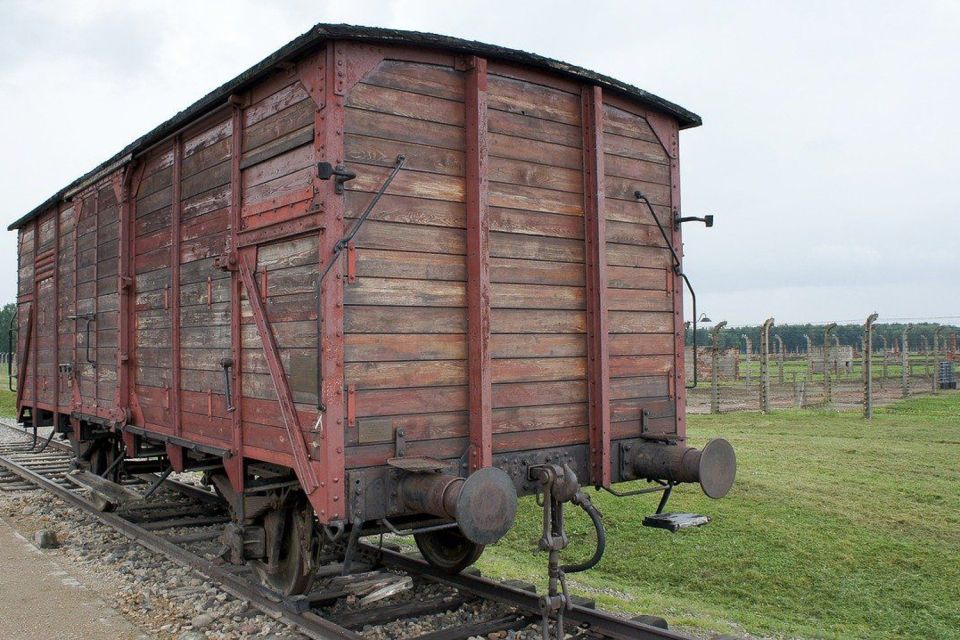
This is a strong fit if you want a guided route that covers both Auschwitz I and Auschwitz II-Birkenau, including the railway platform and gas chamber ruins, with a live English guide and headsets. It’s also a good fit if you’re okay with a set schedule and want skip-the-line support so you can focus on the experience rather than logistics.
It’s not suitable for children under 14, and it’s not suitable for people with mobility impairments based on the activity details provided. If that affects you, it’s worth looking for an alternative that better matches your needs.
If your main goal is quiet wandering, you might find the structured pacing less satisfying. On the other hand, if your goal is clarity—knowing what you’re seeing and why—this format helps a lot.
Should you book this Auschwitz-Birkenau guided tour with skip-the-line entry?
I’d book it if you want the clearest guided experience across both Auschwitz I and Auschwitz II-Birkenau, and you value hearing a live explanation while you walk. The headsets and skip-the-line entry are practical upgrades that reduce stress and help you stay present.
I’d pause and reconsider if English comprehension will be a struggle for you, or if a set, guided pace will feel too tight. Also, plan ahead: since new guidelines went into effect from March 2020, booking well in advance is generally the only way to ensure you can visit, and the memorial’s visitor service controls the visit’s pace.
If you can handle a structured, emotional day and you want context as you see the entrance gate, barracks, railway platform, and gas chamber ruins, this tour is a solid, respectful way to do it.
FAQ
How long is the Auschwitz-Birkenau museum entry with guided tour?
The total duration is about 210 minutes.
What is included in the tour price?
You get skip-the-line entry, a guided group tour, and headsets so you can hear the guide clearly.
What language is the live guide?
The guided tour is offered in English.
Where do I meet the guide?
Meet your guide at the Auschwitz Birkenau Museum Visitor’s Center, by the gate leading to the parking where the information boards are located.
Can I bring luggage or a large backpack?
No. Luggage or large bags are not allowed, and any bag/purse/backpack size is limited to 30x20x10 cm.
Are there clothing restrictions?
Yes. Shorts and sleeveless shirts are not allowed.
Is the tour suitable for children or for mobility needs?
It is not suitable for children under 14, and it is not suitable for people with mobility impairments.
What if my plans change after booking?
The activity is non-refundable. The start time you receive is approximate and may change up to 4 hours, and you can generally change your ticket date and time after purchase by contacting the local partner.