REVIEW · KRAKOW
Guided Tour of the Wawel Castle & Cathedral in Cracow
Book on GetYourGuide →Operated by Hello Cracow · Bookable on GetYourGuide
Wawel hill turns history into something you can walk. This guided tour gives you clear, story-driven explanations of Polish monarchy and art, with time focused on the Cathedral and the tower. Two standouts for me were the well-paced walk through the royal interiors and the moment you get to touch the Sigismund Bell. The main catch: there’s a strict dress code in places of worship, so plan your outfit and arrive early enough to join on time.
In just 2 hours, you’re guided through Wawel’s two biggest “must-see” sites: the State Rooms of the Royal Castle (now a museum) and the Gothic Wawel Cathedral, the ceremonial heart of Poland’s kings. Group tours run with a licensed local specialist (provider: Hello Cracow), and the pace stays tight, which is great if you like structure and not great if you want to linger.
In This Review
- Key highlights worth prioritizing
- Why Wawel Castle and Cathedral work as one tour
- Entering smoothly: timing, meeting point, and group rules
- Wawel Castle State Rooms: Renaissance décor, court life, and art you can actually see
- Lanckoroński and Italian art: a highlight if you like art history
- Porcelain, arms, Eastern artifacts, and Ottoman tents: the Castle surprises people
- Wawel Cathedral: coronations, gilded details, and chapels with meaning
- The tower stop and the Sigismund Bell: views plus a bit of legend
- Royal crypts: the final resting place behind the grandeur
- Price and value: what you’re really paying for at $58
- Who this tour is best for (and who should look elsewhere)
- Should you book this Wawel Castle & Cathedral tour?
- FAQ
- How long is the guided tour?
- What’s included in the price?
- Is there skip-the-line access?
- Where does the tour meet?
- What languages are available?
- What is the group size limit?
- Is the Sigismund Bell included?
- Do I have to climb stairs?
- Is there a dress code?
- What if I’m late to the meeting point?
- Note
Key highlights worth prioritizing
- Fast-track style entry to one permanent castle exhibition (subject to availability)
- Royal interiors with Renaissance décor, tapestries, and the Lanckoroński collection of Italian art
- A surprising art-and-history mix, including arms, porcelain, Eastern artifacts, and Europe’s largest set of Ottoman tents
- Cathedral focus on richly decorated chapels, gilded domes, and the details you’d miss on your own
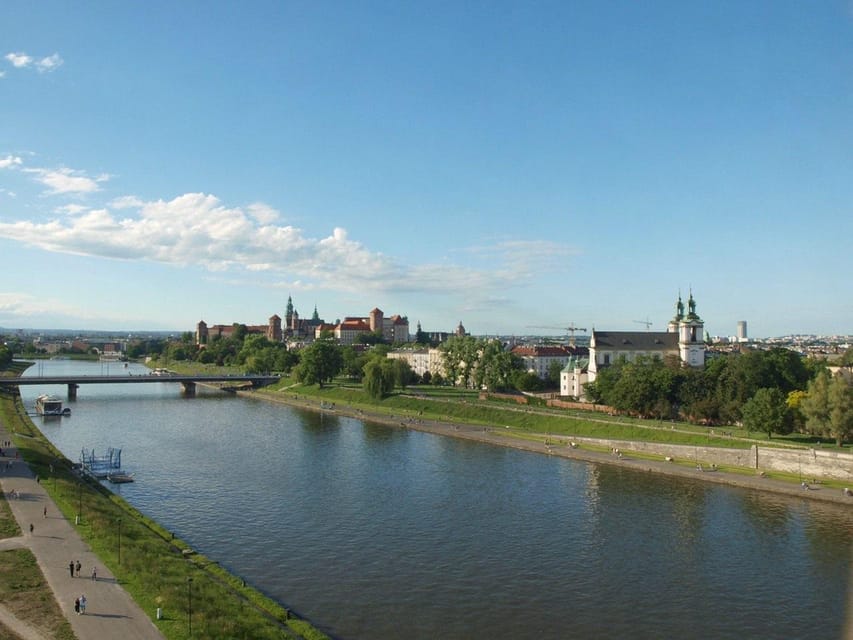
- Sigismund Bell moment plus a tower stop for sweeping views of Kraków
- Royal crypts visit tied to the last resting places of Poland’s most eminent rulers and visionaries
Why Wawel Castle and Cathedral work as one tour
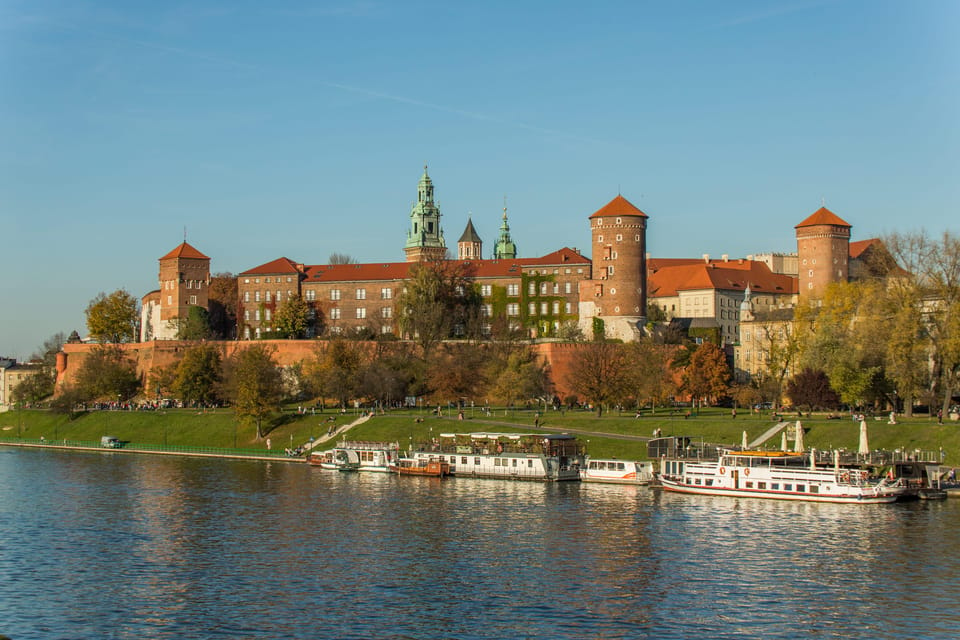
Wawel isn’t just one famous building. It’s a whole political and cultural “system” perched above Kraków. On this tour, you see that in the simplest way possible: you start with the royal world of the Castle, then step into the religious and ceremonial world of the Cathedral.
What I like about the pairing is how your guide can connect themes. One minute you’re looking at court-era art and the objects of royal life. The next minute you’re inside the Cathedral where coronations and monarchy become ritual and legend. If you care about history that has a human face—who ruled, how they were honored, what they prized—this combo is strong.
You can also read our reviews of more guided tours in Krakow

Entering smoothly: timing, meeting point, and group rules
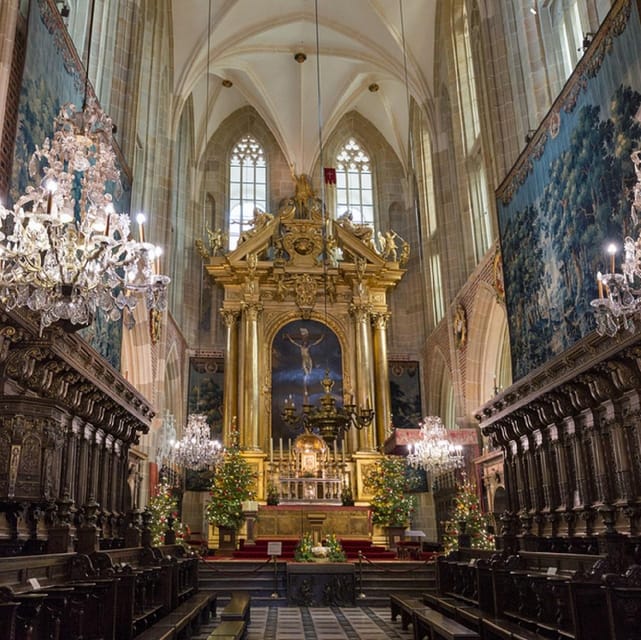
This is a small, capped experience (maximum 30 people), and that matters because you move together through secure areas on a set schedule. Plan to be at the meeting point at least 10 minutes early. Once your group has entered, you can’t join late, and tickets are non-refundable.
One detail that trips people up: the meeting point is not on Wawel Hill. The exact location is on your voucher, so check it before you leave. Also note that the tour operates in a single language chosen at booking, so make sure you booked the one you actually want.
Practical tip: since you’ll do about 2 hours of guided walking across the castle grounds, wear shoes you trust. The route is outdoors for stretches, and you don’t want to waste attention on aching feet.
Wawel Castle State Rooms: Renaissance décor, court life, and art you can actually see
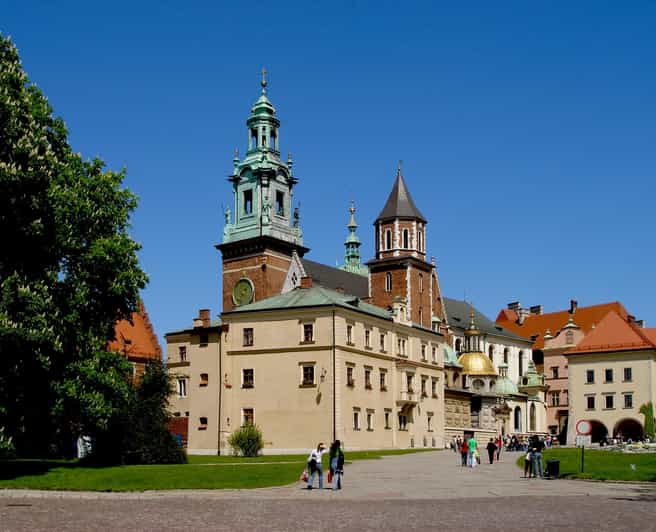
The tour begins in the Castle with licensed guidance through the State Rooms of the Royal Castle, which today function as a major museum. This is where the story of monarchy becomes visual: refined rooms, historic chapels, and standout art collections.
You’ll spend time admiring the Renaissance décor and impressive tapestries. Those aren’t just decorative background. They help explain how power looked and how the court presented itself—through luxury, craftsmanship, and a carefully chosen aesthetic.
What you’ll also notice is how your guide turns the room-to-room flow into a narrative. Instead of treating each exhibit like a random display, you get connected explanations about what the objects meant and how Poland’s rulers represented themselves.
A note on expectations: there’s a skip-the-line benefit, but it’s specifically for entry to one permanent exhibition at the Castle (subject to availability). That’s still useful time saved, but it doesn’t mean you’ll see every gallery without limits.
Lanckoroński and Italian art: a highlight if you like art history
One of the most praised parts of this tour is the way guides handle the Cathedral and tower, but the Castle also has a serious art anchor. In the royal interiors, you’ll see the Lanckoroński collection of Italian art.
If you like art that has clear origins—artists, schools, and cultural exchange—this is a strong stop. It gives you a specific name and collection focus rather than just a general “there’s a lot of art here.” You can leave knowing you spent time on something concrete.
And because you’re in a royal setting, the art feels placed with intention. It’s not only about beauty; it’s also about status, collecting, and what Poland’s elites wanted to bring into their world.
Porcelain, arms, Eastern artifacts, and Ottoman tents: the Castle surprises people
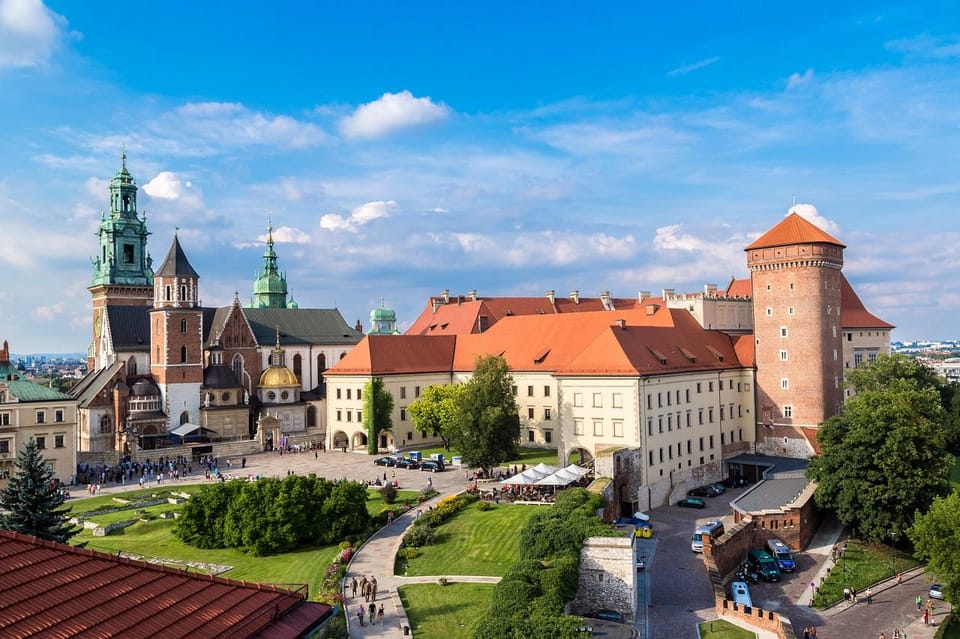
Wawel Castle isn’t only portraits and royal furniture. The museum displays connect Poland to wider trade and conflict networks.
Expect time with displays of porcelain, arms, and Eastern artifacts. One detail that makes this tour memorable is the mention of Europe’s largest set of Ottoman tents. Whether you’re a history nerd or just a curious visitor, this kind of exhibit changes your mental map of the region. It’s a reminder that Polish history wasn’t sealed off inside one storyline.
The value for you: when a guide points out why an object is here and how it fits Poland’s past, the collection stops being a checklist. It becomes a way to understand relationships between cultures.

Wawel Cathedral: coronations, gilded details, and chapels with meaning
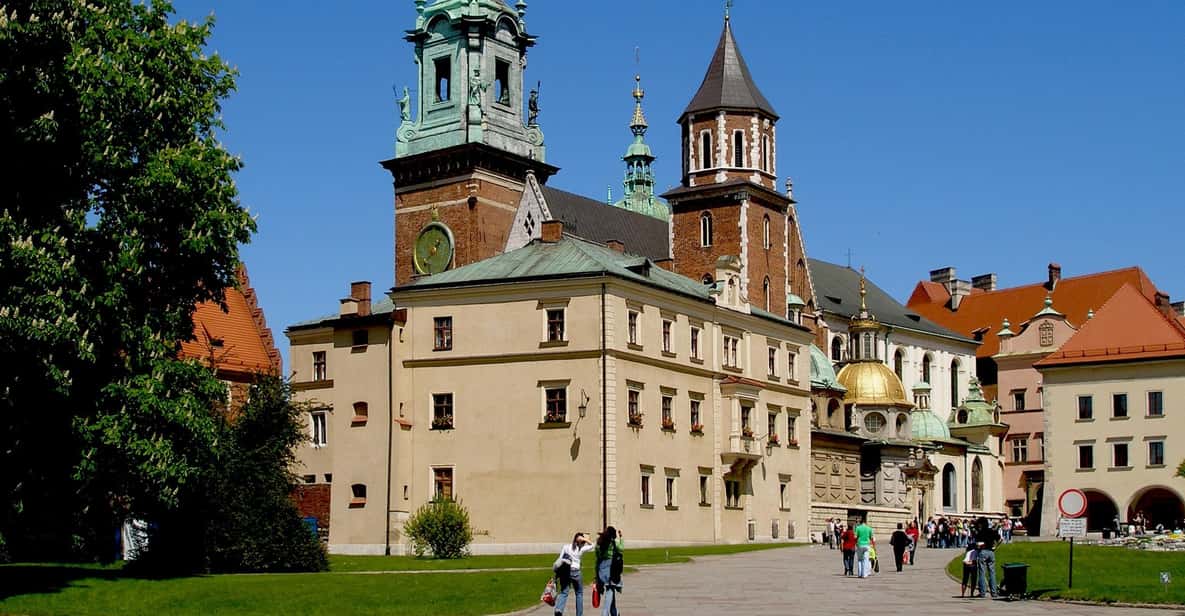
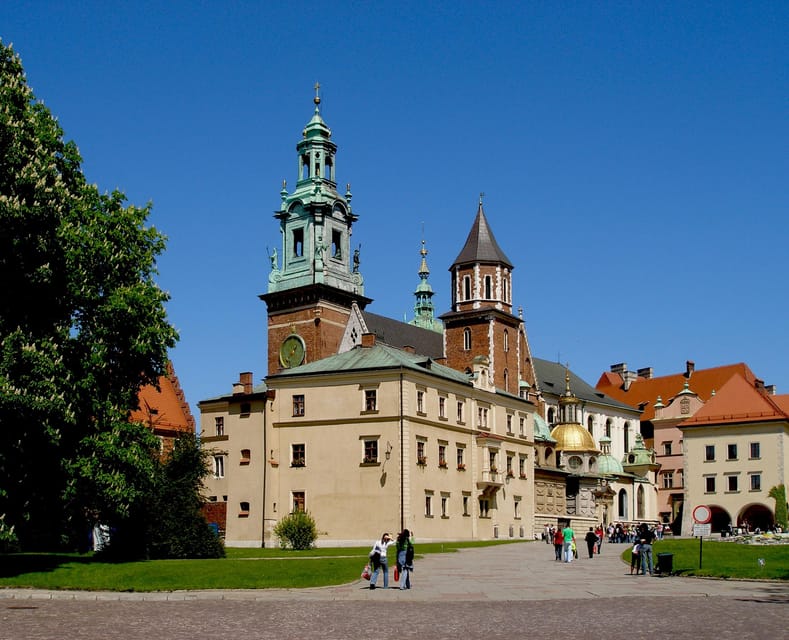
Then you move into the Wawel Cathedral, and the tone changes right away. This is the ceremonial heart of the Polish monarchy—so the Cathedral is where stories of kings and nationhood get physically anchored.
Inside, expect richly decorated chapels and masterful details. You’ll see gilded domes and ornate elements that can feel overwhelming if you’re wandering alone. With a guide, you’re not just looking—you’re learning what you’re looking at, and why it matters.
This part is one of the most highly praised pieces of the tour experience. The Cathedral stop is where the explanations click for many visitors, and you get time to understand how the space connects to coronations and national legends.
If you want a confident sense of place and meaning, prioritize this segment. It’s the one you’ll remember even if you forget some names.
The tower stop and the Sigismund Bell: views plus a bit of legend
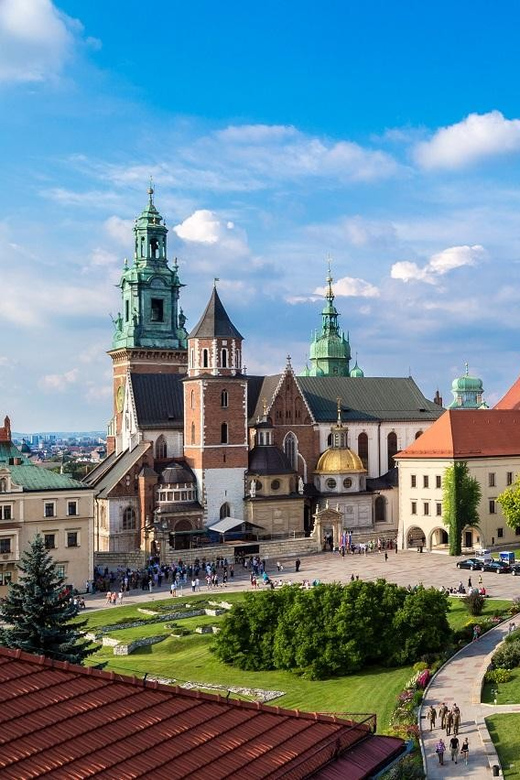
After the Cathedral’s interior highlights, you go up the tower for sweeping views of Kraków. This is practical travel value: you get orientation over the city, and Wawel’s position becomes obvious in a way photos can’t fully replicate.
Then comes the Sigismund Bell moment. You’ll have the opportunity to touch the bell for good fortune. That’s also one of those small cultural cues that makes a landmark feel personal, not just monumental.
There’s one more reason this stop works: the tower is where the tour balances reverence with perspective. You move from ornate space to open horizon, so your brain resets. It makes the rest of the visit feel more digestible.
Royal crypts: the final resting place behind the grandeur
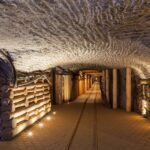
The tour doesn’t end with the view. You also descend to the royal crypts, the final resting place of Poland’s most eminent rulers and visionaries.
This is a quieter, heavier part of the experience. It’s still valuable even if you’re not an “every tomb” person, because it ties the earlier monarchy stories to something tangible: legacy, mortality, and continuity.
For me, this section is what turns the visit from sightseeing into understanding. You see the symbols, then you see the aftermath—how a nation remembers its leaders.
Price and value: what you’re really paying for at $58
At about $58 per person for a 2-hour guided experience, you’re paying for three things:
- A licensed local specialist who can connect buildings, art, and monarchy stories
- Included entry to the Cathedral
- Skip-the-line entry to one permanent castle exhibition (subject to availability)
If you were to go solo, you’d still pay for your entrances, and you’d still face the time cost of lines and the mental cost of figuring out what matters. This tour compresses all of that into a focused route.
Is it the cheapest option? Probably not. But if your time in Kraków is limited—or you want the kind of explanation that makes architecture and art stop being “stuff to look at”—the value is solid.
One more detail that helps the experience feel smoother: audio headsets are included for groups of 9 participants or more. That’s a small tech thing, but it keeps you from straining your voice across stone corridors.
Who this tour is best for (and who should look elsewhere)
This tour suits you if you like history with structure and you want someone to show you what to notice. It’s also a good fit if you’re short on time and want the highest-impact combination: Castle interiors plus Cathedral coronation spaces in one go.
You might want a different plan if:
- You hate group schedules and prefer wandering slowly on your own.
- You’re not comfortable with a dress code that requires shoulders and knees covered (no shorts or sleeveless tops in worship areas and selected museums).
- You expect to cover every single corner of Wawel without any time pressure. The tour is about targeted highlights across castle grounds, not an all-day museum marathon.
Should you book this Wawel Castle & Cathedral tour?
If you want a guided, high-impact look at Kraków’s most important landmark complex, I’d book it. The best parts for me are the guide-led clarity—especially in the Cathedral and tower—and the way the Castle collections feel connected rather than random.
If your outfit meets the dress code and you can arrive 10 minutes early, you’ll get a smooth experience that’s worth the money. For $58, you’re buying time saved, key entrances included, and the kind of context that turns Wawel from famous to meaningful.
FAQ
How long is the guided tour?
The tour lasts about 2 hours.
What’s included in the price?
You get a guided experience with a licensed local specialist, skip-the-line entry to one permanent exhibition at Wawel Castle (subject to availability), admission to Wawel Cathedral, and about 2 hours of guided walking across the castle grounds. Audio headsets are included for groups of 9 participants or more.
Is there skip-the-line access?
Yes, there is skip-the-line entry to one permanent exhibition at Wawel Castle, depending on availability.
Where does the tour meet?
The meeting point may vary by option booked. The exact location is provided on your voucher, and it is not on Wawel Hill.
What languages are available?
The tour guide is available in German, Polish, Italian, Spanish, French, and English, and the group tour is conducted in a single language chosen at the time of booking.
What is the group size limit?
Group size is limited to a maximum of 30 participants.
Is the Sigismund Bell included?
Yes. The tour includes an opportunity to touch the Sigismund Bell.
Do I have to climb stairs?
The tour includes a tower ascent in the Cathedral area for sweeping views of Kraków.
Is there a dress code?
Yes. In places of worship and selected museums, your clothing must cover shoulders and knees. Shorts and sleeveless tops are not permitted.
What if I’m late to the meeting point?
Be at the meeting point at least 10 minutes early. After the group has entered, you cannot join late, and tickets are non-refundable.
Note
If you want, tell me your travel dates and which language you prefer, and I’ll help you plan the cleanest timing for pairing this with the rest of your Kraków day.