REVIEW · KRAKOW
Guided Tour of Plaszow Concentration Camp, Kraków
Book on GetYourGuide →Operated by Hello Cracow · Bookable on GetYourGuide
Walking Plaszow changes how you see history. A licensed guide leads you across the remaining footprints of the camp—Grey House, the roll-call square, and key memorials—while also tying in the Schindler’s List filming locations and the real-life role of Oskar Schindler.
I especially liked the reflection-paced route, built for thinking rather than rushing. I also liked how smoothly the guide turns scattered remnants into a clear picture of how the camp functioned and how prisoners were organized, with time to ask questions.
One possible drawback: Plaszow has few intact buildings, so if you’re expecting a fully preserved site, you’ll need to accept an experience built from open ground, silence, and memory.
In This Review
- Key highlights you should know before you go
- Plaszow’s setting: an imposed camp carved into Kraków
- The guided walk that turns fragments into a map
- Memorials at Plaszow: what to do with the silence
- Schindler’s List locations: when movie geography meets real names
- How the tour feels in 2 hours: enough depth, not overload
- Price and value: what $29 buys you at Plaszow
- Who should book this tour (and who might feel better elsewhere)
- A quick heads-up on meeting point and timing
- Should you book Plaszow with Hello Cracow?
- FAQ
- How long is the Plaszow guided tour?
- What language is the tour offered in?
- Where do I meet the guide?
- What is included with the ticket?
- Is the tour wheelchair accessible?
- What timing should I plan for on the day?
Key highlights you should know before you go
- Grey House and pre-burial hall ruins: see how the camp’s space was shaped for control and processing
- Roll-call square: understand how daily routine was enforced
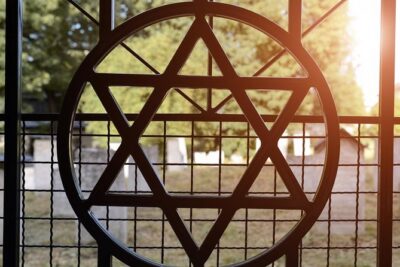
- Traces of Jewish cemeteries: learn what the camp replaced and why that matters
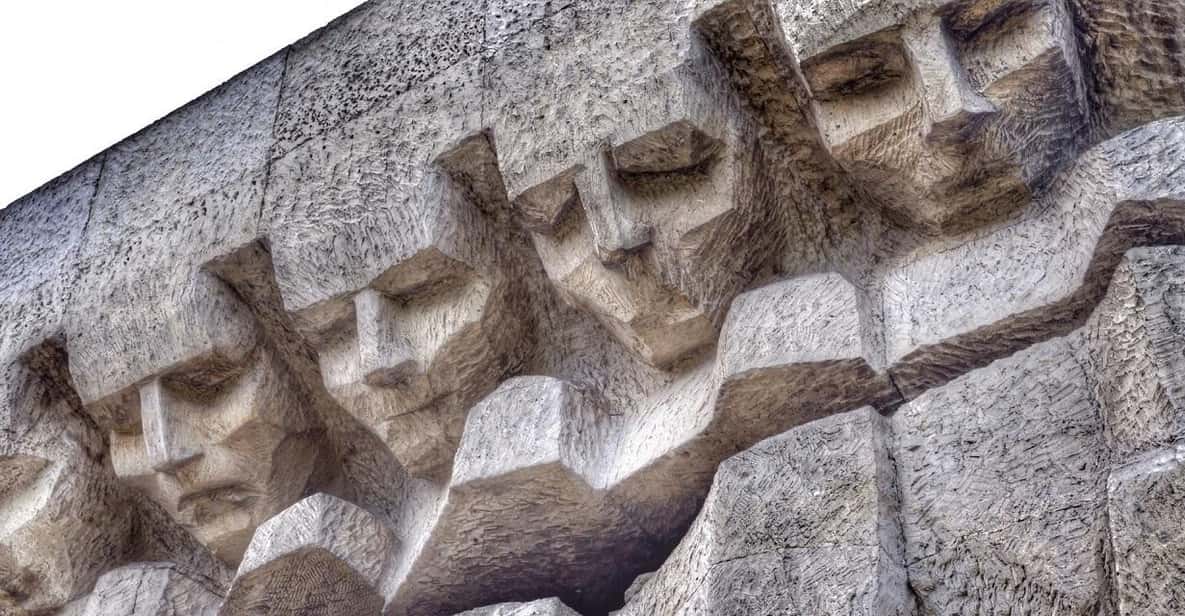
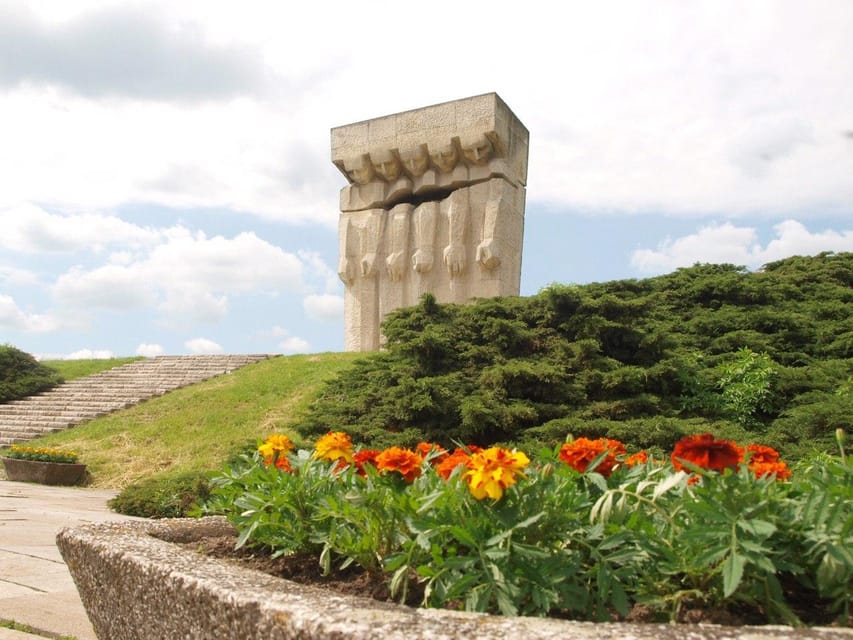
- Monument of Torn-Out Hearts: a major memorial moment focused on loss and identity
- Schindler’s List filming locations: connect the movie’s settings to the real geography
- Schindler’s life-saving transfers: follow how work permits and transfers helped shield people from deportations
Plaszow’s setting: an imposed camp carved into Kraków
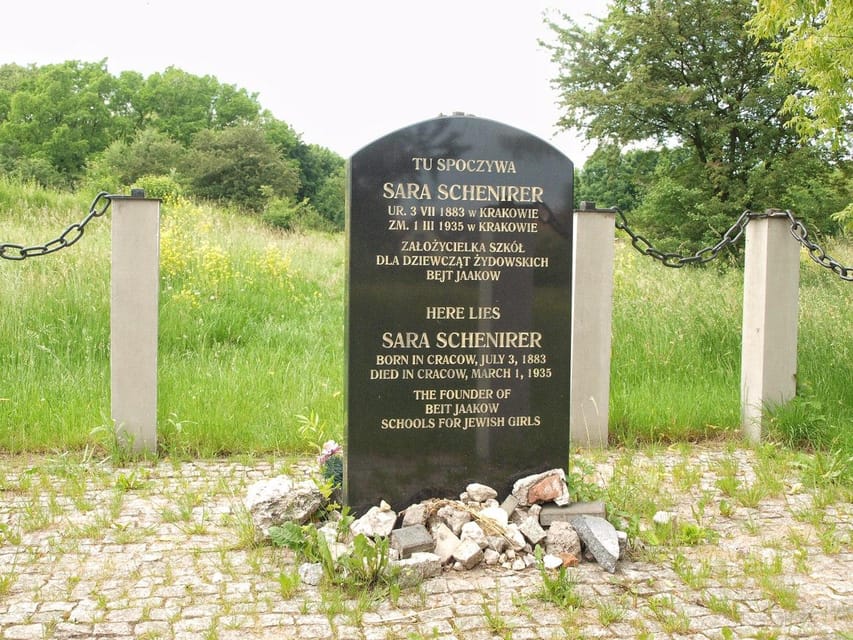
Plaszow Concentration Camp was established in October 1942 by Nazi German occupiers on the grounds of two Jewish cemeteries in Kraków. That detail is not just background—it shapes how the whole visit feels. You’re not looking at a random site. You’re walking where a Jewish community was already marked by burial, grief, and belonging, and where that history was overwritten.
The camp started as a forced-labor camp for Jews from the liquidated Kraków Ghetto. From July 1943, it also held Poles in a penal-labor section. Then in January 1944 it was redesignated as a concentration camp. Later, it even functioned as a transit stop for Hungarian Jews being sent onward to Auschwitz. Over its existence, more than 35,000 people were imprisoned here, and about 6,000 were murdered. When you hear those numbers while walking through open areas, it’s harder to mentally shrink the scale.
You can also read our reviews of more guided tours in Krakow
The guided walk that turns fragments into a map
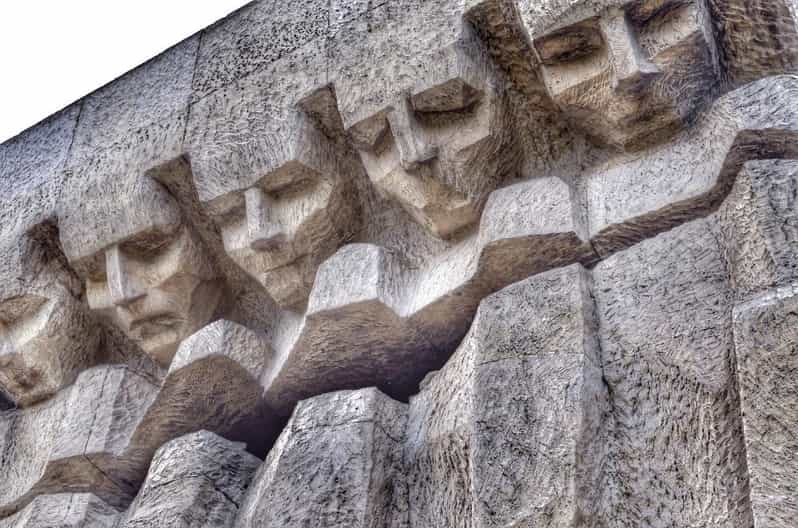
Plaszow doesn’t give you lots of buildings to point at. What it gives you are traces—ruins, remnants, and memory anchors—and that’s exactly why a good guide matters.
The walk typically builds the camp piece by piece. You’ll hear about the Grey House, which helps you understand the camp’s administrative and operational side. You’ll also see the ruins of the pre-burial hall and learn what that space meant within the brutal camp process. It’s one of those stops where the guide’s job is not to sensationalize. It’s to explain how places were used, step by step, so your mind can place the events in the right order.
Another key focus is the roll-call square. Even without preserved structures, the guide helps you grasp the role of roll-call as a mechanism of control—something repeated, something visible, something meant to keep people under constant scrutiny.
You’ll also follow paths that were once paved with fragments of gravestones. That’s a heavy detail, but it’s also the kind of specific, grounded reality that makes the site feel honest. Instead of turning history into abstractions, the tour brings it back to material evidence: what was taken, repurposed, and left behind.
Finally, your guide connects the surviving layout to how the camp was organized into distinct areas: living, hospital, administrative, and industrial sections. For me, this is one of the most valuable parts of the visit. It helps you understand that the camp wasn’t just a single holding pen. It was a system—designed to categorize people and to keep labor running.
Memorials at Plaszow: what to do with the silence
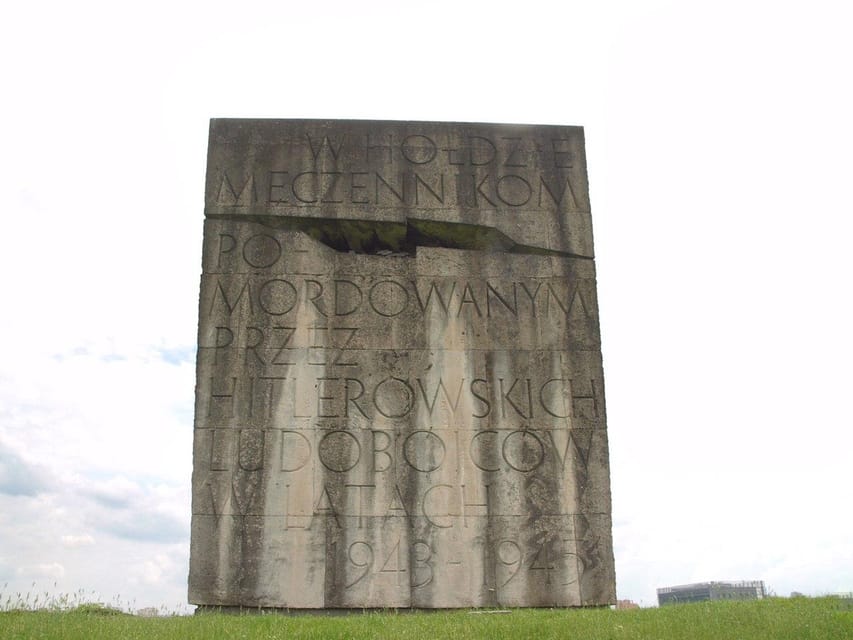
Because Plaszow has open ground and limited physical remains, memorials become the emotional “chapters” of the tour. You’ll pause at major sites, including the Monument of Torn-Out Hearts. It’s the kind of memorial that doesn’t try to explain away grief. It forces you to face it.
Mass graves and memorial markers are part of the grounds today, reflecting executions carried out at several places inside the camp. You’ll learn this context during the walk, so the stops aren’t random. They’re placed to show what happened and where memory now lives.
What I like here is the way the experience is paced. The tour route is designed for reflection, not a rush. That matters because an environment like this doesn’t reward speed. You need a moment to absorb the guide’s facts, then another moment to process what those facts mean when they’re tied to real space.
If you’re the type who likes to take in the details quietly before you ask questions, this pacing helps. If you’re more conversational, it still works—one reason guides earn such strong praise is that they make time for questions without turning the tour into a lecture that never stops.
Schindler’s List locations: when movie geography meets real names
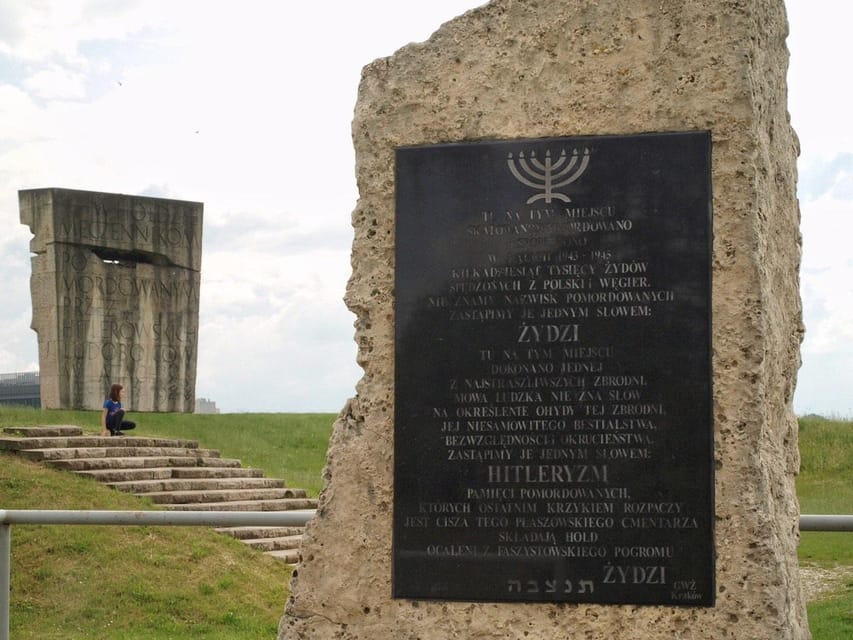
One reason this tour stands out is the connection to the filming locations of Schindler’s List. Your guide doesn’t treat the movie like a shortcut. They use it as a way to make the geography legible.
The story of Oskar Schindler is explained as part of Plaszow’s reality, not as a separate storyline. Through his enamelware enterprise, Schindler obtained work permits for Jewish prisoners who were registered through Plaszow. In practical terms, that meant some people could be shielded from further transports. Later, he organized their transfer to his wartime plant in Brünnlitz.
I find that crucial for visitors. It’s easy to remember Schindler’s name and feel the story is over. This tour instead shows how his actions were connected to the camp’s processes—permits, registrations, and the administrative machinery that could either doom people or, in rare cases, buy time. It also reminds you that saving lives took work, paperwork, and timing inside a system designed to destroy.
When the guide points out Schindler’s List locations, the effect is grounded. You’re not just looking at a set; you’re learning how the real layout and real decisions shaped the survival outcomes that history remembers.
How the tour feels in 2 hours: enough depth, not overload
A 2-hour duration is a smart choice for this subject. Plaszow’s story is complex—forced labor, penal labor for Poles, redesignation, transit functions, and multiple execution areas. You could spend a whole day here. But you also need time after the tour to think, sit, and let the facts land.
Within the 2 hours, the guide pieces together what remains: Grey House, pre-burial hall ruins, traces of Jewish cemeteries, roll-call square, memorials like Torn-Out Hearts, and the key idea of how the camp was organized into living, hospital, administrative, and industrial sections. That structure makes the site easier to understand even when there isn’t much to “see” in the usual tourism sense.
Another factor: the tour is English-language, and it’s a guided walk with a licensed guide. Strong guides tend to do two things well: explain clearly and handle questions without snapping you back to a script. The best experiences here are the ones where you can ask what you’re unsure about—like how transit functions worked, or why particular parts of the camp mattered.
Price and value: what $29 buys you at Plaszow
At about $29 per person for a 2-hour visit, this tour can be good value—especially because it includes a licensed guide and a single tram ticket. You’re paying for interpretation and for a carefully paced route that connects the physical remnants to the larger story.
Here’s the practical way to think about it: you’re not just buying access to the grounds. You’re buying someone’s ability to translate absence (few preserved structures) into understanding (a camp system with organization, functions, and consequences). That’s hard to get on your own, particularly when the key moments involve places you might not recognize immediately.
Also, the route is paced for reflection, and the guide takes time for questions. That kind of pacing is part of the value. In sites like Plaszow, “more time” usually beats “more stops,” and the structure here is designed around that reality.
Who should book this tour (and who might feel better elsewhere)
I think this tour fits best if you want:
- a guided explanation that turns scattered remnants into a coherent camp layout
- context around Schindler’s role and the real locations connected to Schindler’s List
- time to pause at memorials and think, not just walk through
You might want to consider alternatives if you’re looking for lots of restored buildings, photo-friendly viewpoints, or an experience that feels light and casual. Plaszow is open ground and memory-based. That’s not a flaw—it’s the point.
If you’re traveling with someone who finds museum-style tours harder to process, a guided walk with reflection stops can actually work better. You’re moving slowly enough for the guide’s facts to connect to the space, and you’re not trying to “consume” a site like a checklist.
A quick heads-up on meeting point and timing
Meet your guide by looking for the excursions.city sign. Plan to arrive about 10 minutes early. Once the group leaves, late arrivals can’t join and tickets can’t be refunded, so don’t cut it close.
If you’re using transit, note that a single tram ticket is included. In practice, that makes the start easier and keeps you from spending time figuring out local transport right before you step into a very heavy historical setting.
Should you book Plaszow with Hello Cracow?
I’d book it if you care about accuracy, thoughtful pacing, and understanding how Plaszow operated as more than a single grim label. The tour’s biggest strength is that it connects the ground you see—Grey House, roll-call square, traces of Jewish cemeteries, and memorials—to how the camp functioned, including the organizational sections and the story of Oskar Schindler.
Book it if you want the Schindler’s List filming locations explained as real geography, and if you value a guide who makes space for your questions. With the price, a licensed guide, and transit included, it’s also a sensible use of time in Kraków: 2 hours, focused, and paced for reflection.
If you want, tell me your travel month and whether you’re visiting Auschwitz the same week. I can suggest a good mental rhythm for handling multiple Holocaust sites back to back.
FAQ
How long is the Plaszow guided tour?
The tour lasts 2 hours.
What language is the tour offered in?
The tour is available in English only.
Where do I meet the guide?
Meet the guide at the meeting point by looking for the excursions.city sign.
What is included with the ticket?
The tour includes a licensed guide and a single tram ticket.
Is the tour wheelchair accessible?
Yes, it is wheelchair accessible.
What timing should I plan for on the day?
Arrive about 10 minutes before the tour begins. If the group has already departed, latecomers can’t join and tickets can’t be refunded.