REVIEW · KRAKOW
Krakow Kazimierz and Jewish Ghetto Tour with Synagogues
Book on GetYourGuide →Operated by Rosotravel Poland · Bookable on GetYourGuide
Krakow’s Jewish quarter has real gravity. On this Kazimierz and Jewish Ghetto Tour with Synagogues, I like that you get a Jewish History Expert Guide who explains the bigger story (not just dates), and you also reach major synagogue stops depending on your time option. One thing to plan around: synagogue access depends on opening hours and closures during Saturdays, Jewish holidays, and prayer time, so your exact interior visits may shift.
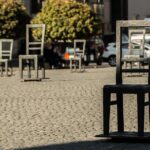
The walk flows across centuries, from medieval life and Jewish-Christian coexistence in Kazimierz to the forced confinement and deportations out of the ghetto in Podgórze. You’ll follow famous streets like Szeroka Street, then stand at places like Ghetto Heroes Square, where the WWII story becomes unmistakably personal.
Value-wise, it can be a smart use of your time in Krakow because you’re not just looking at buildings—you’re guided through what they meant. The price sits at about $100 per person for a 2–4 hour private tour, and longer options add synagogue tickets, which helps balance the cost if you care about seeing inside.
In This Review
- Key things that make this tour worth your time
- Kazimierz first: why starting here matters
- The 2-hour route: Kazimierz streets and the former ghetto, fast and focused
- The 3-hour upgrade: pick one synagogue interior (Tempel OR Old Synagogue)
- Tempel Synagogue (ticket option)
- Old Synagogue (ticket option)
- The 4-hour full route: Remah/Remuh Synagogue plus the Old Jewish Cemetery
- Remah/Remuh Synagogue stop
- Old Jewish Cemetery
- The Schindler’s List thread: history you can actually connect
- Tempel vs Old Synagogue: how to choose based on what you care about
- What the guide style adds (and why it’s not just narration)
- Practical tips for your 2–4 hour Krakow walk
- Should you book the Krakow Kazimierz and Jewish Ghetto Tour with Synagogues?
- FAQ
- What’s included in the 2-hour tour?
- Which synagogues do I get with the 3-hour option?
- What does the 4-hour option add?
- Are these sites open every day?
- Where do I meet the guide?
- Can I cancel and get a refund?
Key things that make this tour worth your time
- A licensed Jewish history expert guide: clear connections from medieval Kazimierz to the WWII ghetto and beyond.
- Your option controls synagogue access: the 2-hour walk focuses more on the streets, while 3- and 4-hour tours include tickets.
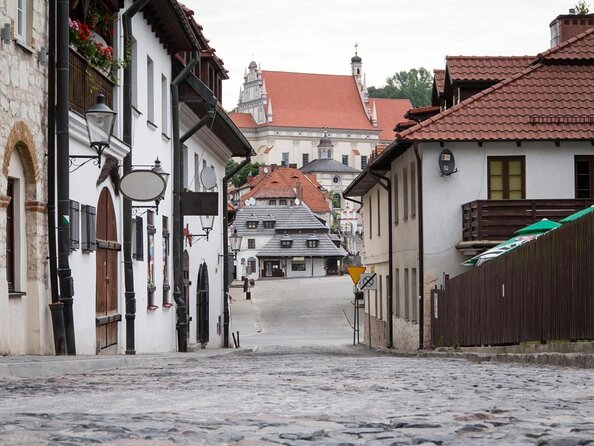
- Szeroka Street and the Jewish Square area: key Kazimierz viewpoints that help you picture old neighborhood life.
- Ghetto Heroes Square and the Schindler thread: you’ll connect WWII events to the film story context (with a reality-check on what’s actually included).
- Remah/Remuh Synagogue + Old Jewish Cemetery on the 4-hour route: the memorial sites are often the emotional peak.
- Multiple languages and private-group flexibility: English and several other languages are offered, and private groups are available.
Kazimierz first: why starting here matters
Kazimierz is where you get the “before” picture. The tour begins in this older Krakow district where Jewish and Polish cultures lived side by side for centuries, trading in daily life, community, and shared space. That matters because the later ghetto story hits harder when you’ve already seen that this wasn’t a blank page—it was a functioning community with rhythm.
As you move through Kazimierz, your guide ties streets and buildings to customs and beliefs. Even when you’re just walking past storefronts and housefronts, the story keeps coming back to how people organized community life—where worship happened, where people gathered, and how identity showed up in daily choices.
It’s also a relief that the pace is built for understanding. This isn’t a speed-run. With a private guide, you can expect the story to be shaped to the route and to your questions, which is especially useful when WWII history and Jewish traditions overlap in complicated ways.
You can also read our reviews of more tours and experiences in Krakow.
The 2-hour route: Kazimierz streets and the former ghetto, fast and focused
If you choose the 2-hour option, you’re essentially doing a high-impact walk: Kazimierz first, then Podgórze (the area tied to the former ghetto). It’s long enough to make sense of the neighborhood layout, but short enough if you’re tired, jet-lagged, or simply want a strong overview.
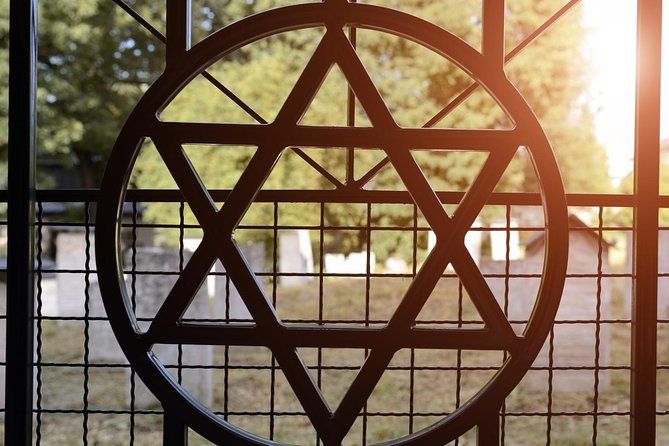
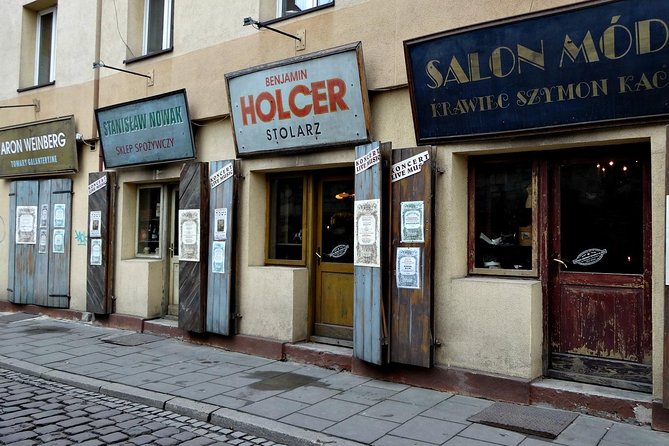
In Kazimierz, you’ll see the tour’s main synagogue landmarks—Tempel Synagogue and Remuh Synagogue—then move along Szeroka Street. This street matters because it helps you picture how Jewish residents lived around the community core, with old houses, restaurants, and everyday street life framed by history.
From there, you’ll reach the Old Synagogue area and Jewish Square. Even if you’re not going inside on this shorter route, the guide’s explanation turns these stops from postcard icons into wayfinding points: this is where you can imagine the movement of people and the push-pull of politics and safety.
The final leg takes you across to Podgórze, where the Nazis established the Krakow Ghetto and then began deportations to Auschwitz-Birkenau and other camps. You’ll visit Ghetto Heroes Square and see Oskar Schindler’s Enamel Factory as part of the story thread that connects history to what later became the film Schindler’s List.
Practical note: if your movie-culture brain wants a museum-style stop inside the factory, keep expectations grounded. The tour description emphasizes seeing the factory location as a film-related reference point, and at least one guide experience reported the visit as exterior-focused.
The 3-hour upgrade: pick one synagogue interior (Tempel OR Old Synagogue)
The 3-hour walking tour is built for people who don’t want just streets—they want interiors and context. This option adds tickets to one synagogue, so you get more “what you would have seen” in a place of worship and community memory.
Your synagogue choice depends on two things:
- which synagogue aligns with opening hours that day
- what fits your sightseeing preferences
Tempel Synagogue (ticket option)
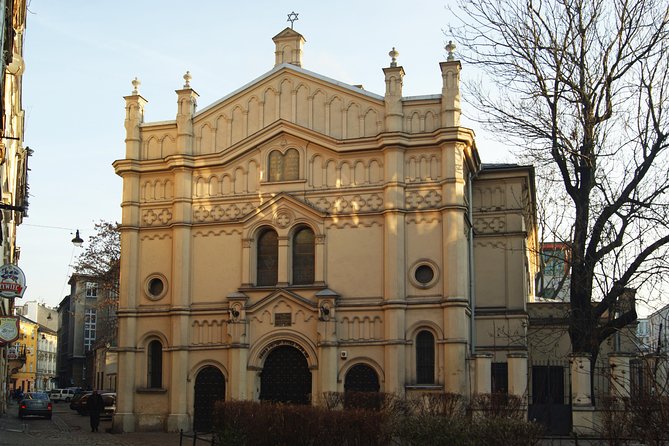
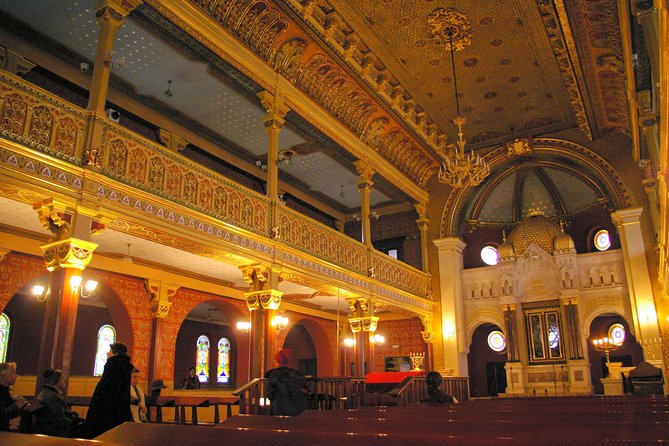
If you go to the Tempel Synagogue, you’re in for the Moorish-style interior look described for this 19th-century building. The payoff here is how the room design supports worship and identity—architecture as a statement, not just decoration.
The Tempel Synagogue has scheduled opening times that vary by day and season:
- Monday–Thursday and Sunday: 10:00–18:00
- Fridays: 10:00–16:00
- winter season: Monday–Thursday and Sunday 10:00–16:00, Fridays 10:00–14:00
Old Synagogue (ticket option)
If you visit the Old Synagogue, you’ll be in a 15th-century structure that now functions as a museum of Krakow Jewish culture and history. This is a strong choice if you want exhibits and curated context tied to the community’s long timeline.
The Old Synagogue opening times are:
- Mondays: 10:00–14:00
- Tuesday–Sunday: 10:00–17:00
Either way, the extra hour gives you a clearer sense of how worship space, historical continuity, and community life connect. You also still get the Kazimierz + former ghetto storyline, so the interior visit doesn’t get treated as an isolated “detour.”
The 4-hour full route: Remah/Remuh Synagogue plus the Old Jewish Cemetery
The 4-hour tour is for the day you want the story to slow down a bit and land with more weight. This is the option that adds both another synagogue and the Old Jewish Cemetery.
Remah/Remuh Synagogue stop
The 4-hour route includes tickets to the Remah/Remuh Synagogue (the name appears in different spellings in travel info, but the site is the same stop on the longer program). This synagogue is described as an active place of worship and an important part of protecting Polish Jewish heritage.
One detail worth highlighting: the courtyard walls carry inscriptions remembering local Jews who perished in the Holocaust. That means you’re not only learning about history—you’re reading remembrance built into the physical space.
Old Jewish Cemetery
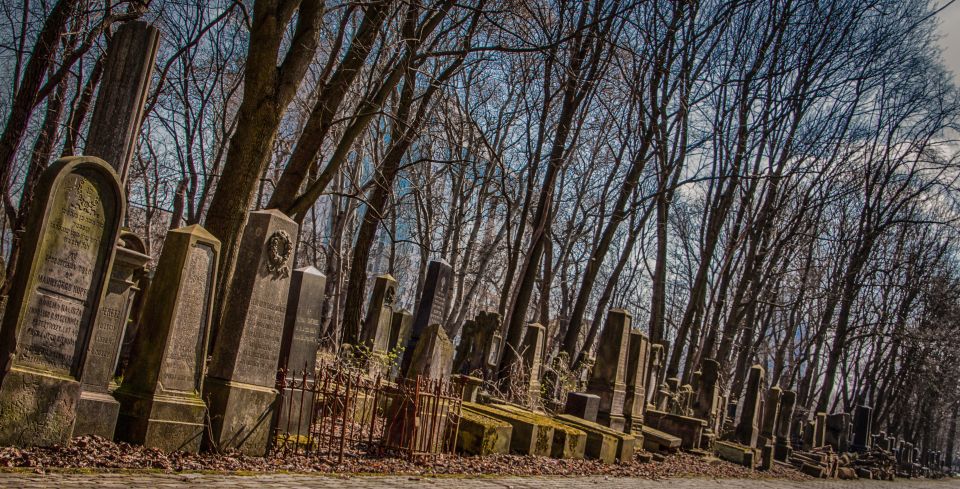
The cemetery is often the emotional peak, because it brings names and lineages into focus. The tour includes the Old Jewish Cemetery, with graves of notable Polish Jews, including:
- Rabbi Moses Isserles
- Avraham Yehoshua Heschel
- Yossele the Holy Miser
Even if you don’t have time to study every marker closely, the guide’s framing helps you understand why cemetery culture mattered so much—memory wasn’t abstract. It was anchored in people, scholarship, and community leadership.
If you’re choosing between 3 and 4 hours, I’d make the call like this: choose 3 hours for a balanced synagogue interior + walking overview, and choose 4 hours if cemetery memory is something you want to experience with proper time and explanation.
The Schindler’s List thread: history you can actually connect
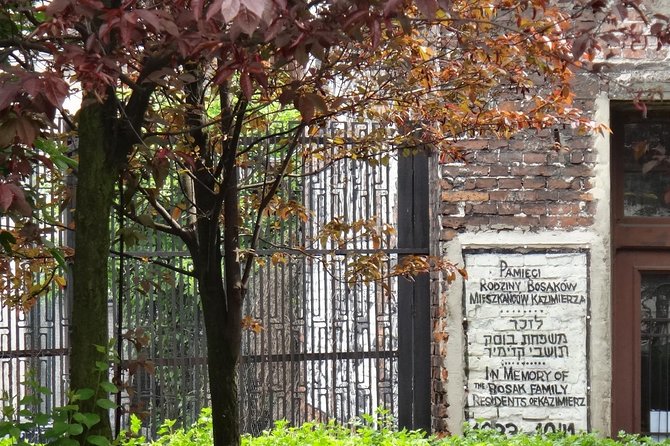
One of the smartest parts of this tour is how it uses Oskar Schindler’s Enamel Factory as a bridge. You’re not just getting a Spielberg-related sightseeing stop; you’re hearing the true WWII story and the real people behind the film’s inspiration.
That connection matters because it turns a familiar movie reference into a navigable historical timeline. You can stand at the factory area and mentally re-order events: ghetto confinement, deportations, and how individual actions played out inside a system designed to destroy.
A caution that keeps things fair: you may not get a museum-style entry into the factory experience here. If your plan includes going inside the Schindler-related museum space, treat this tour as the context provider and location marker, not necessarily as the full museum ticket.
Tempel vs Old Synagogue: how to choose based on what you care about
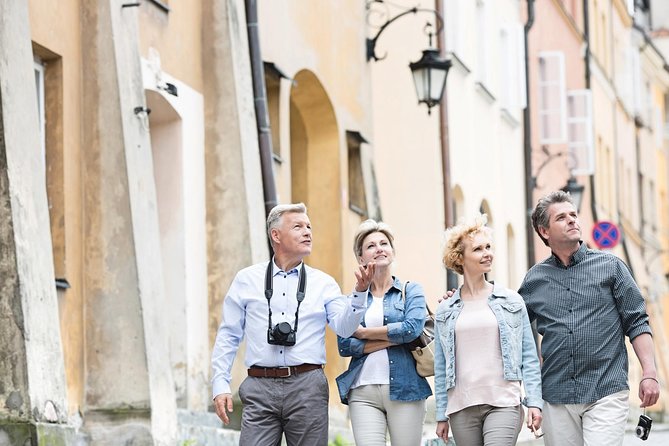
If you’re trying to decide between synagogue interiors, think about what you want your visit to do.
- If you want a stunning worship-space look, choose the Tempel Synagogue. The description is specific about the Moorish-style interior, and that visual impact helps you remember the day.
- If you want built-in interpretive context and museum-style learning, choose the Old Synagogue. Since it now houses a museum of Jewish culture and history, it tends to be the “exhibits plus explanation” option.
Either choice still fits the overall goal of the tour: connecting community life, historical change, and WWII destruction to what you see in front of you. The difference is how the time is spent once you cross the threshold.
What the guide style adds (and why it’s not just narration)
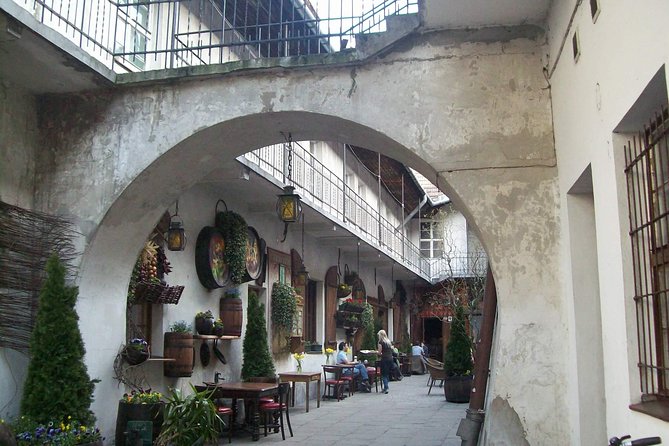
The biggest compliment that shows up again and again for guides on this route is storytelling that’s both professional and human. Names like Artur and Renata come up in guide feedback for being empathetic and very good at explaining historical connections respectfully.
What I’d watch for when you’re on the walk is how the guide handles two things at once:
- big historical shifts (medieval coexistence to Nazi occupation)
- everyday cultural elements (how Jewish customs shaped community life)
That mix is exactly why this tour can feel more meaningful than a standard “see these sights” route. You aren’t just memorizing a list of sites. You’re getting a way to understand the spaces.
Practical tips for your 2–4 hour Krakow walk
A few on-the-ground points help you enjoy this tour instead of just enduring it:
- Expect synagogue access to depend on your day. Jewish heritage sites are closed on Saturdays, Jewish holidays, and during prayer time. If you’re traveling around those dates, your exact synagogue interior stop may change.
- Check the day before. You’re told to look for an email with important info, and it’s worth doing.
- Plan your comfort. This is a walking tour through Kazimierz and Podgórze, so wear shoes you’d trust on uneven old streets.
- Know the meeting point. Meet in front of the Kazimierz Hotel, Miodowa 16, Krakow. You don’t need to enter the hotel—it’s just a meeting spot.
- Languages are covered. English is available, along with French, German, Italian, Polish, Russian, and Spanish.
- Ticket-line stress is reduced. This tour includes skip-the-ticket-line as an included feature, which matters when you’re trying to see the inside of synagogues on a tight schedule.
If you’re wheelchair using, the tour is listed as wheelchair accessible, so it’s worth booking with that in mind and confirming route comfort when you reserve.
Should you book the Krakow Kazimierz and Jewish Ghetto Tour with Synagogues?
I’d book this if you want a guided walk that connects local streets to the Jewish story of Krakow—from community life to WWII terror—without turning it into a cold checklist. Choose based on your hunger level for synagogue interiors:
- Pick 2 hours if you want the strongest overview fast and you’re okay with more of an exterior-focused “see and understand.”
- Pick 3 hours if synagogue interior time is part of your travel goal (Tempel or Old Synagogue tickets included).
- Pick 4 hours if you want the cemetery experience plus extra synagogue context.
Don’t book it if you need a guaranteed museum-entry style stop at Schindler’s Enamel Factory, because the program emphasizes seeing the location and connecting the story rather than promising an inside visit.
Overall, this is a high-value way to understand Krakow. The neighborhood is powerful on its own, but the guide makes it make sense—and makes it stick.
FAQ
What’s included in the 2-hour tour?
The 2-hour option is a private walking tour focused on Kazimierz and the former Jewish Ghetto. Tickets to the Tempel or Old Synagogue are not included in this shorter option, and tickets to the Remuh Synagogue and Old Jewish Cemetery are also not included.
Which synagogues do I get with the 3-hour option?
The 3-hour tour includes tickets to one synagogue only: the Tempel Synagogue or the Old Synagogue. Which one you visit depends on your preferences and the synagogue’s opening hours.
What does the 4-hour option add?
The 4-hour tour adds tickets to the Old Jewish Cemetery and includes two synagogues: the Remah/Remuh Synagogue and either the Tempel Synagogue or the Old Synagogue (again, depending on opening hours).
Are these sites open every day?
Jewish heritage sites and synagogues are closed on Saturdays, Jewish holidays, and during prayer time. You’ll want to plan around that because it can affect which interior visits are possible.
Where do I meet the guide?
Meet your guide in front of the Kazimierz Hotel at Miodowa 16, Krakow. Do not enter the hotel—it’s only a meeting place.
Can I cancel and get a refund?
Yes. Free cancellation is offered up to 24 hours in advance for a full refund.