REVIEW · KRAKOW
From Krakow: Auschwitz-Birkenau Guided Tour & Hotel Pickup
Book on GetYourGuide →Operated by Poland Booking S.C. · Bookable on GetYourGuide
Auschwitz is heavy, even with good planning. This guided day trip from Krakow focuses on clarity and context at Auschwitz-Birkenau, so you spend your time seeing the right places and understanding what they mean.
I especially like the licensed, historian-led format. You’re not just walking through buildings; you’re guided through the story, including the route between Auschwitz I and Birkenau. One drawback to plan for: the camps can be very busy, and on crowded days the pace can feel a bit rushed.
In This Review
- Key highlights to know before you go
- Why This Krakow-to-Auschwitz Day Trip Works
- Hotel Pickup and Timing: The Early Start Reality
- Auschwitz I: The Gate, the Preserved Site, and Why the Order Matters
- Birkenau: Where the Scale Hits and the Final Solution Comes Into Focus
- Paying Respects: How the Route Supports a Moment of Real Reflection
- What the Licensed Historian-Style Guide Adds (and What You Might Still Feel)
- Group Pace, Bus Logistics, and the Day’s Flow from Krakow
- Price and Value: What $10 Buys You (and What It Doesn’t)
- Practical Notes That Make the Day Easier (What to Pack, What to Expect)
- Who This Tour Is Best For
- Should You Book This Auschwitz-Birkenau Tour from Krakow?
- FAQ
- How long is the Auschwitz-Birkenau guided tour from Krakow?
- Will I get hotel pickup or do I need to meet somewhere?
- What time will the pickup be?
- Is transportation to and from the museum included?
- Do I need to buy an entry ticket separately?
- Does the tour skip the ticket line?
- What languages are the live guided tours offered in?
- Are toilets included, and do I have to pay?
- Are there restrictions on bags or items?
- Can I cancel for a full refund?
Key highlights to know before you go
- Hotel pickup or meeting point to get you out of Krakow with less hassle
- Skip-the-line entry so you start the experience faster
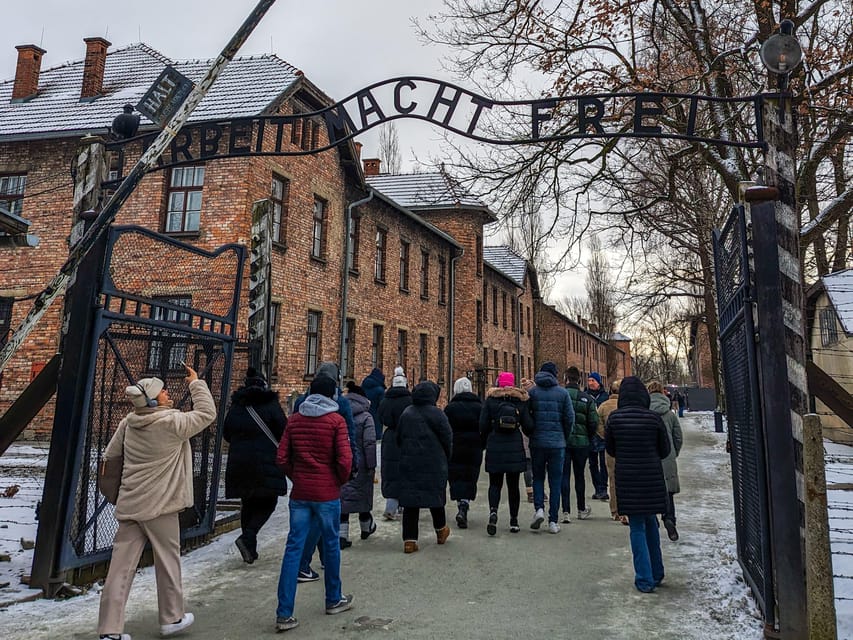
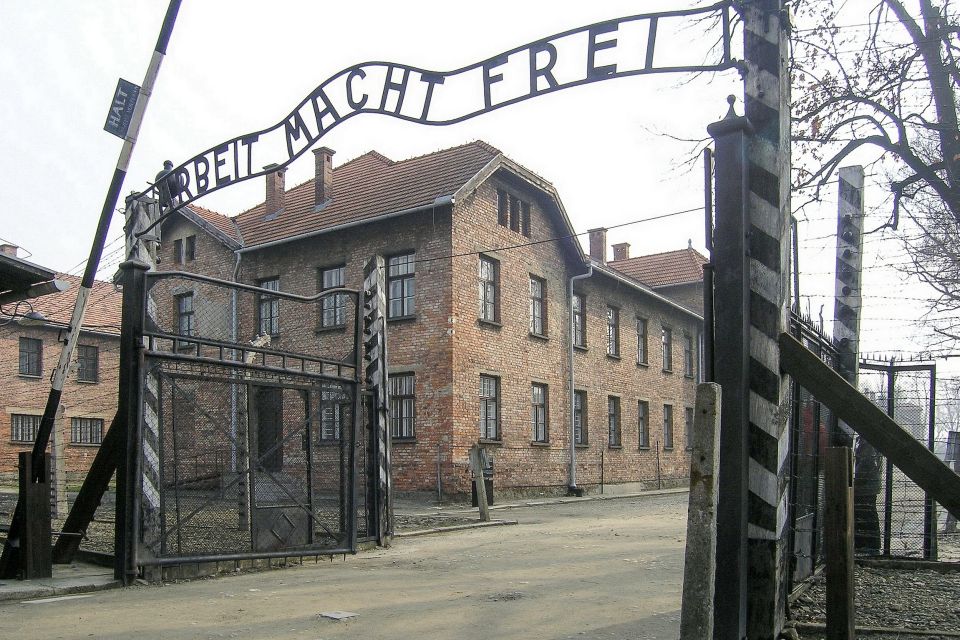
- Auschwitz I first, beginning at the gate with the inscription Arbeit macht frei
- Birkenau next, where the scale of the killings becomes impossible to ignore
- A professional, historian-style explanation to connect the sites to the Holocaust history
- Paid toilets at the memorial, so budget a little for necessities
Why This Krakow-to-Auschwitz Day Trip Works
Auschwitz-Birkenau is one of those places where logistics matter. If you go on your own, you can end up spending too much time figuring things out and not enough time understanding what you’re seeing. With a guided day trip, the focus stays on the memorial and the historical explanation.
I like that the tour is built around the two main sites: Auschwitz I and Birkenau. That order helps. Auschwitz I gives you the starting point and structure of the Nazi system. Then Birkenau shows the vast industrial-scale side of the Holocaust, especially tied to the Nazis’ Final Solution.
This is a serious, emotionally intense day. So the best “value” here is not comfort or entertainment. It’s having a guided route that helps you make sense of what would otherwise feel like a series of hard-to-process rooms and grounds.
You can also read our reviews of more guided tours in Krakow
Hotel Pickup and Timing: The Early Start Reality
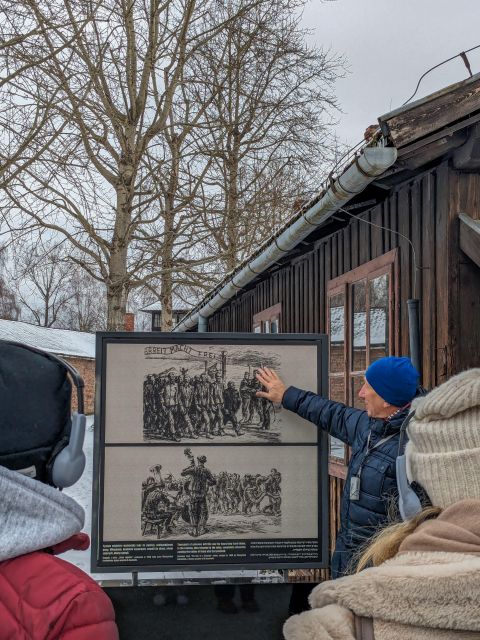
You’ll leave Krakow early, and you should expect your pickup details to be handled with a bit of operational flexibility. The pickup time you select cannot be confirmed until the day before departure, and it can fall anywhere from 6:00 AM to 1:30 PM. That range is wide because the operator is coordinating logistics, bus timing, and memorial schedules.
In practice, this means you should treat the first morning as serious travel time. Have breakfast ready. Wear layers. And if you’re also planning other activities later that day, keep the schedule open enough to absorb a change. One common pattern: the pickup time may shift earlier than you expected, and the day will still run as a tight loop.
A nice upside is that you’re not left to handle transport yourself. You get round-trip transportation to and from the museum, which is a big deal on days when you don’t want to think about buses, schedules, or transfers.
Auschwitz I: The Gate, the Preserved Site, and Why the Order Matters
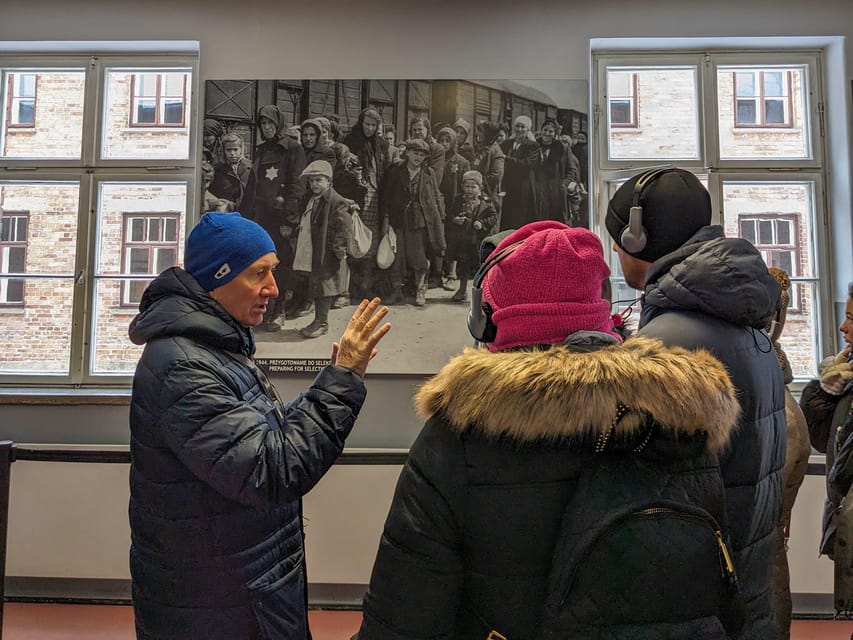
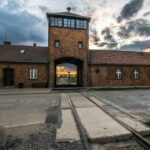
Your visit starts at Auschwitz I, the original camp. You’ll enter through the gate bearing the inscription Arbeit macht frei, and the guide uses that point to frame the story you’re about to see. That matters because it sets the tone: this was not random cruelty. It was a planned system built into the infrastructure of the camp.
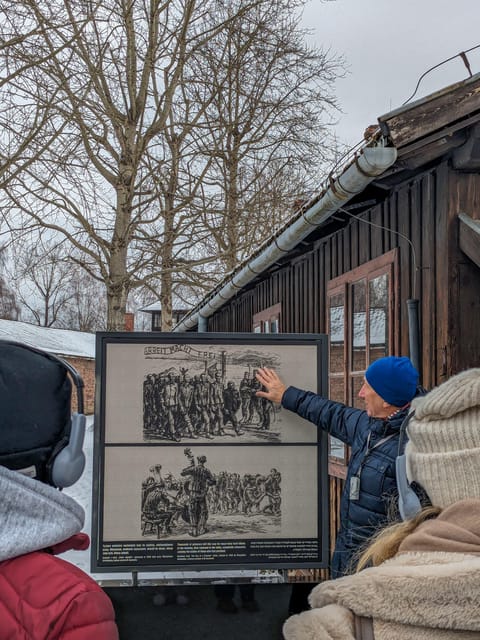
From there, the tour moves through the preserved sections of Auschwitz I. This is where the Nazi machinery becomes visible in everyday form: barracks, exhibits, and documented spaces that connect specific actions to specific outcomes. You’re not just looking at artifacts. You’re being shown how the camp functioned and how terror was enforced.
The guide’s role is key here. The description emphasizes a professional guide and a certified historian approach, and that’s what you’re paying for. You’ll hear explanations about why certain buildings were preserved, what the records mean, and how individual experiences connect to broader policy.
One thing to keep in mind: because this is a major memorial site, you should expect crowds. Even with a well-run tour, busy periods can compress the time you spend at each stop. That’s not a flaw in the location. It’s the reality of a world-famous site.
Birkenau: Where the Scale Hits and the Final Solution Comes Into Focus
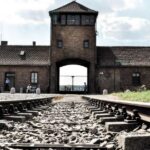
After Auschwitz I, you go on to Birkenau, the second camp. Birkenau is where the scale of what happened becomes harder to hold in your head. The tour context matters because the guides connect the site to the Nazis’ Final Solution to the Jewish Question.
At Birkenau, you’re looking at the space designed for mass deportation and mass killing. The tour information specifically highlights gas chambers as a central part of the extermination system. A guided explanation helps you connect the physical remains to what the Nazis intended them to do.
This portion can feel even more intense than Auschwitz I, partly because the grounds are large and partly because the evidence of industrial scale is physically present in how the camp is laid out. If you’re the type of person who wants time to absorb quietly, plan for the fact that group tours tend to keep moving.
The good news: even if you feel the pace, the guide’s structure usually keeps the visit from turning into random sightseeing. You get a path that links the sites to the story, including the “why” behind what you’re seeing.
Paying Respects: How the Route Supports a Moment of Real Reflection
Auschwitz-Birkenau is not a normal tour stop. It’s a memorial space built around loss. One of the tour highlights is that you’ll have a chance to pay respects at the final resting place of millions of people.
That single point changes how the day feels. It turns the experience from information gathering into remembrance. The guide’s framing matters here, because it helps you understand that the site isn’t meant to be processed like a museum attraction. You’re expected to treat it with restraint and respect.
You’ll also likely notice how the tour moves you from one area of evidence and documentation to another. Even with a structured group schedule, the best tours create mental space for reflection at the most important moments.
Tip for your comfort: give your phone battery a purpose today. If you plan to take photos, do it briefly and thoughtfully. The most meaningful parts of this visit are the ones you experience without recording every second.

What the Licensed Historian-Style Guide Adds (and What You Might Still Feel)
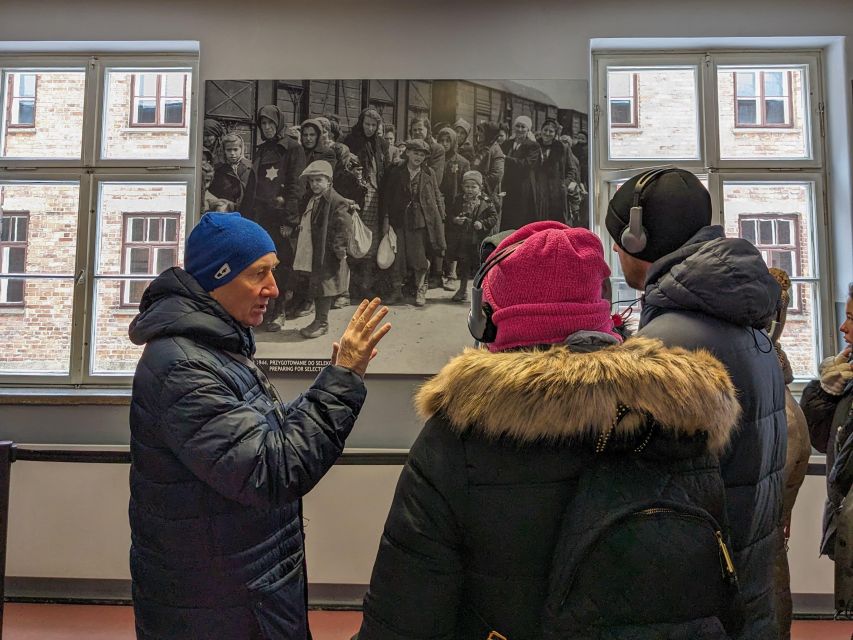
This type of tour lives or dies by the guide. Here, the tour is described as including a licensed guide and a certified historian-led approach. In the reviews, the standout compliments focus on organization and guidance—people talk about the trip feeling well run and the guide being brilliant, informative, and interesting.
That guidance affects more than facts. It affects your ability to process emotions without getting lost. When the guide explains the camp’s logic, you’re less likely to misread what you’re seeing. When the guide connects preserved structures to documented history, you get a clearer mental timeline.
Still, there’s a practical consideration. One review notes that the camp was very busy and the tour then felt a bit rushed, so the experience didn’t fully land as a slow, complete visit. That doesn’t mean the tour is bad. It means you should mentally prepare for a schedule shaped by crowds and memorial flow.
If you’re hoping for extra time at every single stop, a group tour may feel tight. On the other hand, if you want you-and-me clarity—what this is, what it meant, and what to notice—this format usually delivers.
Group Pace, Bus Logistics, and the Day’s Flow from Krakow
You’re on a schedule for a reason. The tour includes transportation and a guided route that covers Auschwitz I and Birkenau. The entire day is designed as a single loop from Krakow, with you returning after the museum visit.
A couple of real-world logistics details are worth knowing:
- The pickup time can shift, sometimes becoming very early the day before.
- The day may end with a drop-off that’s coordinated for the area where your transport is most convenient. One review mentions being dropped at a point where a taxi picked them up back to Krakow, and that the handoff worked smoothly.
These details are small, but they can affect your stress level. If you’re the kind of person who hates uncertainty, plan to be flexible in the morning and keep an escape plan for your return.
Also, the tour includes skip-the-line entry. That helps, because time at Auschwitz can be eaten up quickly by waiting. When you’re already walking into an intense emotional experience, you want the day to start moving.
Price and Value: What $10 Buys You (and What It Doesn’t)
A low price is tempting, especially when the subject is as heavy as Auschwitz-Birkenau. But value here comes from what’s included, not just the number on the price tag.
You get round-trip transportation, a licensed guide, and an entry ticket for a guided tour of the museum. You also get skip-the-line entry. Those pieces usually cost you more if you try to assemble them yourself, particularly transportation and a structured guided route.
You still shouldn’t expect freebies. Toilets are noted as paid at the memorial, and that’s worth planning for. Also, you should bring only what you need. The tour rules explicitly say no luggage or large bags, plus no pets and no smoking.
So here’s the honest value math: if you want a guided explanation that covers both camps in one day, and you want the transport handled, this is a strong deal for the subject matter. If you’re trying to save by going independently, you’ll likely spend more time managing logistics and less time learning how to read the sites.
Practical Notes That Make the Day Easier (What to Pack, What to Expect)
Auschwitz-Birkenau is outdoors and walking-heavy. Even if the tour description doesn’t spell out every clothing detail, you’ll be standing and moving for hours. Dress for comfort and bring a small layer for temperature changes.
From the tour rules, plan around these constraints:
- No pets
- No smoking
- No luggage or large bags
- Toilets exist but you pay at the memorial
That bag rule can be the biggest “gotcha” for people coming from Krakow hotels. Leave big luggage behind. If you’re traveling with more than a daypack, you’ll need to figure out storage elsewhere before the tour.
Also, remember the day is emotionally draining. You’ll probably want water. The tour data doesn’t list what’s provided, so think of this as a bring-your-own comfort day: snacks, water, and a small bag you can carry easily.
Finally, language is covered. The guided tour is offered in English, French, German, Italian, and Spanish. If you care about getting the explanation in your strongest language, verify that your booked option matches your preference.
Who This Tour Is Best For
This works best if you want a structured route and a professional guide to explain what you’re seeing. If you’re someone who worries about missing the important context, the guide-led format helps you focus on the meaning of each stop.
It also fits well if you’re short on time in Krakow. This is a straight day trip, and it covers both major sites: Auschwitz I and Birkenau.
If you’re very sensitive to intense historical content, you should still consider a visit—but you may want a slower, more self-paced option. This particular setup is designed to move efficiently through major areas.
One more practical issue: the info includes both statements about wheelchair access and a note saying it’s not suitable for wheelchair users. Because that’s contradictory, it’s smart to confirm directly with the operator before booking if mobility is a concern.
Should You Book This Auschwitz-Birkenau Tour from Krakow?
I’d book it if your goal is a guided, respectful, and time-efficient visit with professional historical framing. The value is strong when you factor in transport, skip-the-line entry, and a licensed guide covering both camps in one outing.
I wouldn’t book it if your top priority is total flexibility with time at each stop. Busy days can make the pace feel rushed, and group tours move on schedule. If you want slow contemplation and lots of free roaming, you may feel constrained by the structure.
My final take: for many people, this is the sort of trip you do once and then carry with you for life. The best way to make it work is to show up ready to learn, ready to be respectful, and ready for an early morning that will not ask your permission.
FAQ
How long is the Auschwitz-Birkenau guided tour from Krakow?
The tour duration is listed as 7 hours. Starting times vary, so you’ll need to check availability for the exact departure.
Will I get hotel pickup or do I need to meet somewhere?
You can be picked up from your hotel or from a chosen meeting point.
What time will the pickup be?
The pickup time you select cannot be confirmed until the day before departure. It may be possible between 6:00 AM and 1:30 PM.
Is transportation to and from the museum included?
Yes. Transportation to and from the museum is included.
Do I need to buy an entry ticket separately?
The tour includes an entry ticket for a guided tour of the museum.
Does the tour skip the ticket line?
Yes, it includes skip-the-ticket-line entry.
What languages are the live guided tours offered in?
The tour guide is listed as available in English, French, German, Italian, and Spanish.
Are toilets included, and do I have to pay?
Toilets are not included. Toilets are paid at the memorial.
Are there restrictions on bags or items?
Yes. Pets are not allowed, smoking is not allowed, and luggage or large bags are not allowed.
Can I cancel for a full refund?
Yes. Free cancellation is available up to 24 hours in advance for a full refund.