REVIEW · KRAKOW
Auschwitz- Birkenau and Wieliczka Salt Mine in One Day
Book on Viator →Operated by Poland Active · Bookable on Viator
Auschwitz and salt underground in one day. This combined tour hits two UNESCO sites with guided time at Auschwitz and a deep underground salt route at Wieliczka, all wrapped into one smooth pickup-and-dropoff plan. It’s the kind of day that feels heavy for obvious reasons, then unexpectedly awe-inspiring in the mine.
I love that the logistics are handled: hotel pickup/drop-off in an air-conditioned minivan and headphones so you can actually hear the guide. The other big win is the value for your time—both places have guided portions and included entry, so you’re not spending your day herding tickets. The main drawback is that it’s a very long, standing-and-walking heavy day, and at both sites the pacing can feel quick if you want to linger.
In This Review
- Key things to know before you go
- Two UNESCO stops from Krakow: the real vibe of this day
- Price and logistics: what you’re really paying for
- From the Krakow meeting point to Oświęcim: getting oriented fast
- Auschwitz I and Birkenau: guided time, heavy content, and why pacing matters
- Auschwitz I (about 2.5 hours)
- Transfer to Auschwitz II – Birkenau (about 1 hour)
- A realistic packing and comfort note for Auschwitz
- Wieliczka Salt Mine: 140 meters down, 378 steps, and salt sculpture wonder
- The underground tour (about 2.5 hours)
- Stairs down, lift up
- Pacing inside the mine
- Breaks, food, and how to avoid a miserable long-day
- Who this tour fits best (and who should think twice)
- The biggest tradeoff: a packed schedule
- Should you book this Auschwitz and Wieliczka day trip?
- FAQ
- What is the duration of the Auschwitz-Birkenau and Wieliczka Salt Mine day tour?
- Is hotel pickup and drop-off included?
- Are tickets included for both Auschwitz and the Salt Mine?
- Is the tour offered in English?
- What about food and lunch?
- Do I need to bring my passport or ID?
- Are there limits on baggage size for Auschwitz?
- How many stairs are there in the Wieliczka Salt Mine?
Key things to know before you go
- Hotel pickup and drop-off from a central Krakow meeting point, so you’re not figuring out transport twice.
- English guided time at Auschwitz I and then Birkenau with the same Museum guide.
- Headphones included at Auschwitz, making it easier to follow a softer-spoken guide.
- Wieliczka goes deep: you’ll descend via 378 steps (wooden stairs) and head back up by lift.
- Small-group size: maximum 30 travelers, which helps with moving through security and museum spaces.
Two UNESCO stops from Krakow: the real vibe of this day
This is a “one day, two worlds” trip. First you’re transported about 50 km west to Oświęcim for Auschwitz-Birkenau. Then you trade that weight for something physically surprising: a working salt mine that’s been producing salt for centuries and is still open underground to visitors.
The day is long—about 12 hours—and it’s not only long, it’s active. You’ll stand in lines, walk corridors, and move between stops. If you want a slow, contemplative pace with lots of time to sit and read, keep your expectations realistic. Your best strategy is to focus on the big moments, not on seeing every display as if you had a full weekend.
You can also read our reviews of more tours and experiences in Krakow
Price and logistics: what you’re really paying for
At $187.53 per person for roughly 12 hours, the price can look steep until you break down what’s included.
You’re getting:
- Round-trip hotel pickup and drop-off
- Air-conditioned minivan transport
- Tickets to both Auschwitz-Birkenau and Wieliczka Salt Mine
- English guides for the guided portions
- Headphones so you can hear the Auschwitz guide clearly
- A small group cap (max 30)
What you’re not paying extra for is the constant hassle. Doing this on your own means booking buses or trains, buying entry tickets, timing the museum visits, and lining up a second guided tour underground. This combination format is built for people who want the highlights with a plan that actually holds together.
Still, consider the tradeoff: combining two high-demand sites squeezes time. The tour works best when you accept a structured pace.
From the Krakow meeting point to Oświęcim: getting oriented fast
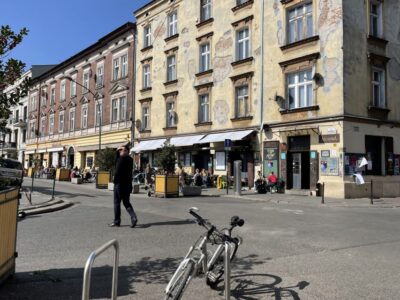
Your day starts at the Kiss&Ride pickup point: Przystanek Turystyczny Kiss&RideWielopole 2. The tour returns you to the meeting point at the end, so you’re not stranded across town.
The minivan ride is part practical, part mental prep. Auschwitz is emotionally intense, so you’ll want the headspace to arrive ready. The driver/guide helps keep you on schedule. In past days, people have praised drivers for being punctual and clear with instructions—this matters because both sites have security and strict entry flow.
Bring ID/Passport. That’s not a suggestion. It’s required for the Auschwitz portion.
Auschwitz I and Birkenau: guided time, heavy content, and why pacing matters
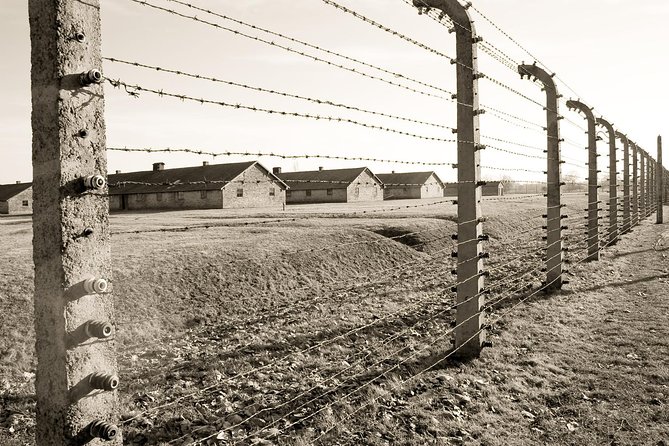
Auschwitz-Birkenau is not a “tourist attraction” in the normal sense. It’s a memorial and a museum. That means you’re going to feel pulled into the material whether you want to or not.
Auschwitz I (about 2.5 hours)
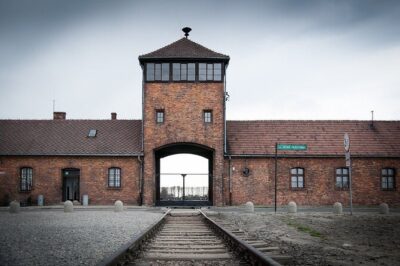
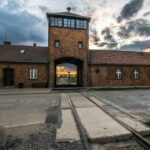
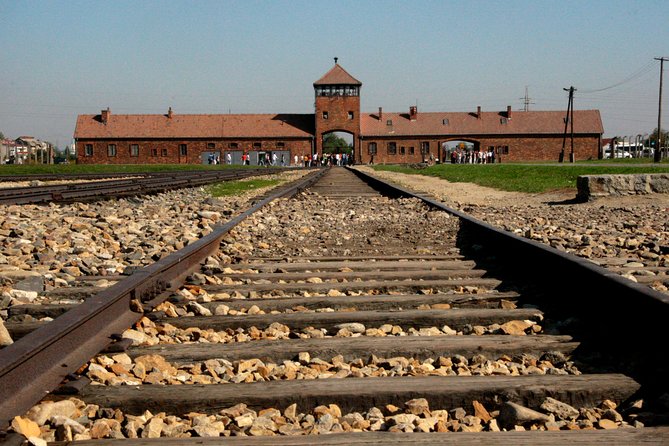
You’ll be taken to Auschwitz I, where you join an English tour provided by the Museum’s guide for about 2.5 hours. This is the part that gives you context: what the camp system was, how it worked, and what you’re seeing as you move through buildings and exhibits.
One detail I really appreciate in this setup is the headphones. Auschwitz guide voices are often quieter, and large spaces can swallow sound. With headphones, you can stay focused on what matters instead of craning to hear.
Also note the security reality: each person entering the museum grounds goes through checks. Plan to move calmly and expect delays.
Transfer to Auschwitz II – Birkenau (about 1 hour)
After Auschwitz I, you transfer about 2 km to Auschwitz II – Birkenau. You’ll stay about 1 hour there with the same guide.
This is where the scale hits hardest. Birkenau’s open areas and layout can make it harder to slow down, especially when other groups are moving in waves. In fact, some people feel that the Birkenau segment can feel rushed if they want to read every display or stop and sit for a long moment.
If you’re sensitive to that, here’s what helps: decide in advance what you want to focus on—one or two key areas, one or two details you want to actually absorb. You can still pay respect without trying to “finish” the whole site like a checklist.
A realistic packing and comfort note for Auschwitz
- Large bags are not allowed inside. Your bag must be no larger than 30 x 20 x 10 cm.
- You’ll do a lot of standing and walking.
- Expect security lines.
One practical thought: wear shoes you can stand in for hours. Not because it’s “comfortable,” but because your attention will stay on the experience instead of on your feet.
Wieliczka Salt Mine: 140 meters down, 378 steps, and salt sculpture wonder
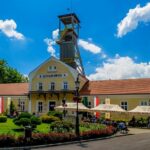
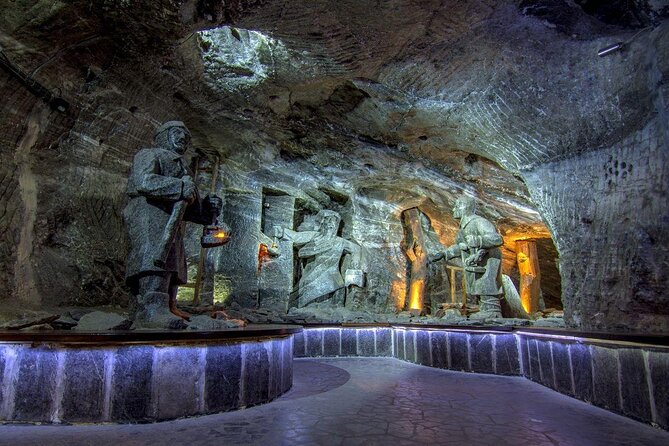
After the Auschwitz portion, you’ll head to Wieliczka Salt Mine. This is the other UNESCO site in the day, and it feels almost like a reset—until you remember that it’s still a place full of human labor and history. The mine has guided routes built for visitors, and the result is impressive without needing you to decode anything.
The underground tour (about 2.5 hours)
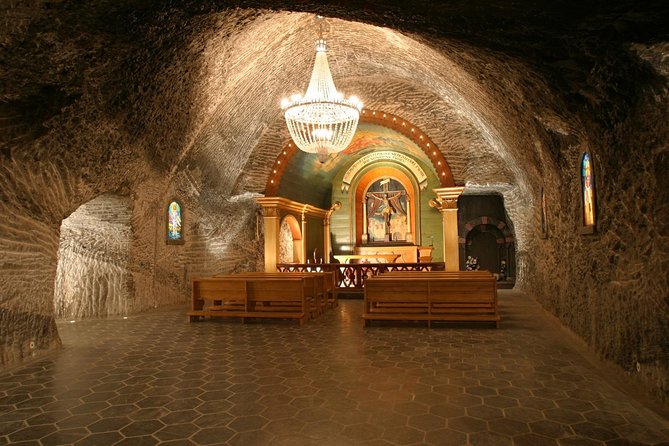
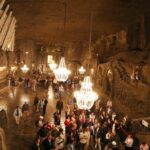
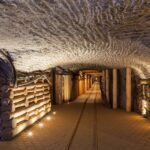
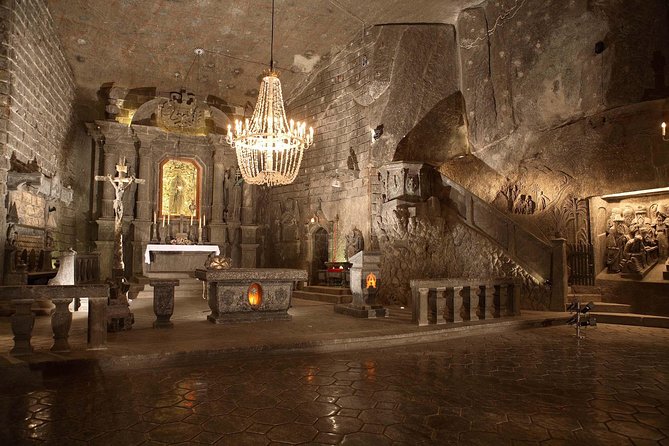
You’ll join an English guided tour that takes you up to 140 meters underground. The tourist route is about 2.5 km inside the mine, with chambers, carvings, and statues—everything made from salt.
Stairs down, lift up
Here’s the specific physical detail you should plan for:
- To reach the first level (about 64 meters underground), you descend a wooden stairway with 378 stairs.
- After the tour, you’ll be taken back up to the surface with a lift.
That means you should treat this as an active walking day, not a casual stop. If stairs are hard for you, this could be the hardest part of the day even if you handle walking fine.
Pacing inside the mine
The mine tour tends to flow through set stops. Some people loved their salt mine guide’s energy. Others felt the tour moved quickly and skipped certain exhibits, spending less time in the biggest chapel area.
That doesn’t mean it’s bad—it means you should be mentally ready for a guided pace. If you care about photos, build in the expectation that you may have limited time at every viewpoint. Wear a light layer; underground temperatures can feel cooler than you expect.
Breaks, food, and how to avoid a miserable long-day
Food is the one piece not included. The tour notes specify no food and drinks and no lunch included.
In practice, you’ll likely have a break window to eat on your own. Some people have arranged lunch through the operator, which can be convenient. Still, don’t count on a perfect meal solution showing up at exactly the right time. Bring a plan.
My “don’t-get-hangry” advice:
- Bring snacks you can eat quickly between site segments.
- Have water with you when allowed.
- If you’re going to buy food near either location, keep it simple and fast.
Also, you’ll spend a lot of time moving between places. One review noted that after the mine tour, the exit may not be right where you entered, so you may need to make your way back to the mine entrance. That’s not unusual in places with controlled routes, but it’s worth remembering so you don’t waste time scanning for where to go next.
Who this tour fits best (and who should think twice)
This combined day trip works best if:
- You have limited time in Krakow and want both sites.
- You like structured tours and guides that keep you moving.
- You’re comfortable walking a lot and handling stairs in the mine.
It may be less ideal if:
- You need lots of quiet time to read every sign and sit for long stretches.
- Stairs are a big problem for your legs or knees. The 378-step descent is real.
- You’re traveling with very young children. Even the tour framing notes moderate fitness, and Auschwitz is emotionally intense.
If you want the best of both worlds—emotional space plus thorough reading—you might prefer doing Auschwitz and Wieliczka on separate days when possible. But if your schedule doesn’t allow it, this one-day combo is a practical way to see the essentials without juggling multiple bookings.
The biggest tradeoff: a packed schedule
This tour earns praise for organization, and there’s a reason: it bundles transport, tickets, and guided time so you can focus on being present.
But the tradeoff comes up again and again: not enough time to linger. Auschwitz and Birkenau are both huge, and the visitor flow is controlled. The salt mine also has set movement through rooms. That combination means you’ll likely feel “pushed along” at certain moments.
My suggestion is simple: treat each stop as a chapter. Auschwitz I gives you the story. Birkenau shows the scale. Wieliczka shows the physical craft and underground world. If you try to treat them like museum marathons, you’ll come away frustrated. If you treat them like guided chapters, you’ll come away satisfied.
Should you book this Auschwitz and Wieliczka day trip?
Book it if you want:
- One-day access to both UNESCO sites
- Guided English time and included tickets
- Pickup and drop-off so your schedule stays intact
- A tour that’s built to manage the heavy logistics for you
Consider another approach if:
- You need a slower pace and lots of time to stop, sit, and read.
- You struggle with stairs. The mine descent is demanding.
- You’re hoping for a relaxed, low-footprint day.
If you do book, plan like a smart traveler: bring your ID, pack within the bag size limits, wear comfy shoes, and bring snacks. Also, be honest about expectations. This is a long, moving day with emotional content first and underground wonder second—and that combo is exactly what makes it memorable.
FAQ
What is the duration of the Auschwitz-Birkenau and Wieliczka Salt Mine day tour?
It’s about 12 hours.
Is hotel pickup and drop-off included?
Yes. The tour includes hotel pick-up and drop-off.
Are tickets included for both Auschwitz and the Salt Mine?
Yes. Admission tickets to Auschwitz-Birkenau and Wieliczka Salt Mine are included.
Is the tour offered in English?
Yes. The Auschwitz and Salt Mine guided portions are in English.
What about food and lunch?
Food and drinks are not included, and lunch is not included.
Do I need to bring my passport or ID?
Yes. ID/passport is necessary on the day for the tour.
Are there limits on baggage size for Auschwitz?
Yes. Large bags cannot be brought inside, and the maximum allowed bag size is 30 x 20 x 10 cm.
How many stairs are there in the Wieliczka Salt Mine?
To reach the first level (about 64 meters underground), you descend 378 stairs. You return to the surface by lift.