REVIEW · KRAKOW
Wawel Castle, Cathedral, Rynek Underground Tour with Lunch
Book on GetYourGuide →Operated by Kraków Explorers · Bookable on GetYourGuide
Wawel is the shortcut to understanding Krakow. This guided tour strings together Wawel Castle and the Rynek Underground Museum, then tops it off with time at the gothic Wawel Cathedral and Krakow’s Market Square. I especially like how the tour links objects (royal art, everyday artifacts) to stories, so it feels like you’re learning how people actually lived and ruled.
One thing to consider: the Wawel Cathedral is an active worship site, so access to the cathedral, royal tombs, or the bell tower can be suspended for big events, and the organizer may swap the entrance for another option inside the castle complex.
In This Review
- Key highlights to know before you go
- Why Wawel feels like Krakow in one package
- A practical reality check
- Market Square and the Dungeon Market Museum 4 meters down
- What to watch for here
- Wawel Castle rooms: royal art, court life, and collecting power
- How the castle visit usually feels
- Wawel Cathedral: gothic architecture with a living ceremonial role
- Why you should care about the cathedral stop
- Lunch included: the part that makes the long day work
- My tip for making lunch useful
- Price and time: what $108 buys in real-world value
- Who this tour fits best (and who might want a different option)
- Should you book the Wawel Castle, Cathedral, Rynek Underground Tour with Lunch?
- FAQ
- How long is the tour?
- What main stops are included?
- Is lunch included?
- Are drinks included with lunch?
- What ticket access is included for Wawel Castle?
- Do I need to buy separate tickets for the sites?
- Does the tour skip the ticket line?
- What languages are available for the guide?
- Is the Wawel Cathedral always open during the tour?
- How deep is the Rynek Underground Museum?
Key highlights to know before you go
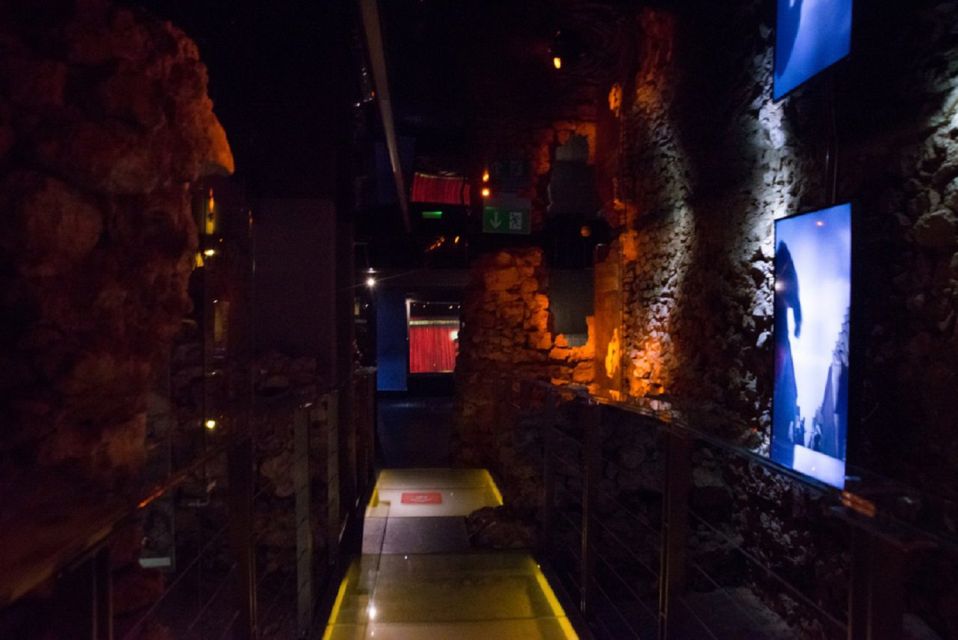
- Rynek Underground goes 4 meters down to the same level as the cobbled roads of 12th- and 13th-century Krakow.
- Wawel Castle includes major permanent collections, from paintings and sculptures to goldsmith work, military items, and porcelain.
- Royal textiles get their moment, including woven works associated with Zygmunt August.
- Wawel Cathedral is where Polish monarchs were crowned, so you’re not just looking at architecture—you’re in a landmark of state ceremony.
- Lunch is included and has been called out as a genuinely well-prepared part of the day.
Why Wawel feels like Krakow in one package
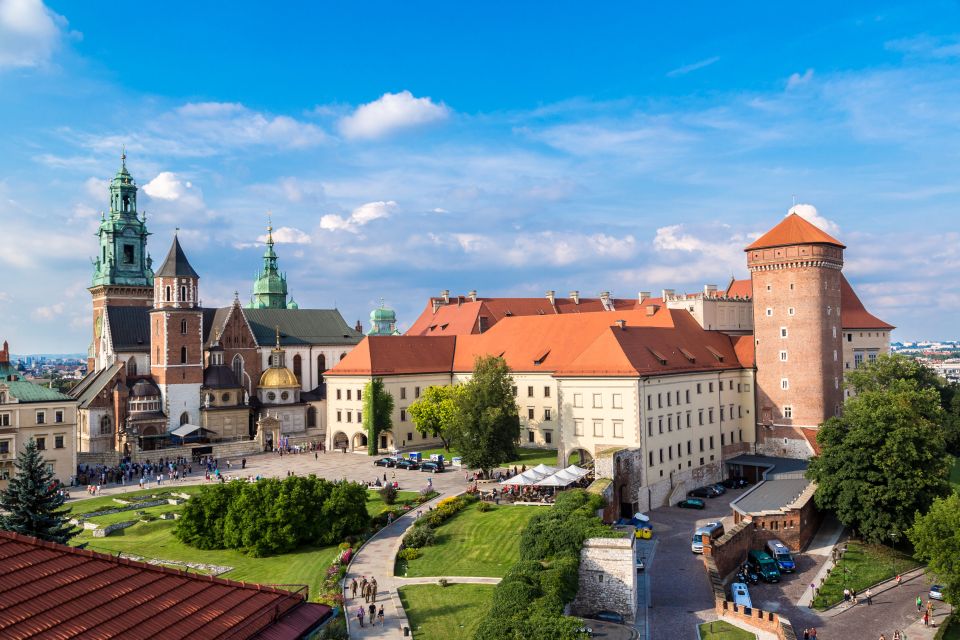
If you want Krakow’s story in one tight loop, start at Wawel. The hill and complex sit at the center of Polish political and spiritual life, and a good guide helps you see the through-line: who held power, what they collected, and what faith meant when kings were crowned here.
I like the way this tour doesn’t treat the sights like separate checkboxes. Market Square connects to public life and old city activity; Rynek Underground shows what used to be under your feet; and then Wawel shifts you into the world of monarchs and court collections. The result is a day that makes sense, even if you only have a few hours.
You can also read our reviews of more tours and experiences in Krakow



A practical reality check
The tour runs long enough—about 330 minutes—that you’ll want to show up ready for a paced walk. It’s not a “sit and admire” experience all day; you’ll move between outdoor streets, a deep underground museum space, and multiple castle/cathedral areas.
Market Square and the Dungeon Market Museum 4 meters down
Krakow’s Rynek Główny (Market Square) is one of those places where everything looks historic, because it is. Your guide has you walking the central square of Royal Krakow and pointing out traces tied to past events. It’s a great warm-up, because it puts you in the right mindset: you’re not just seeing buildings, you’re learning how people gathered, traded, and gathered again.
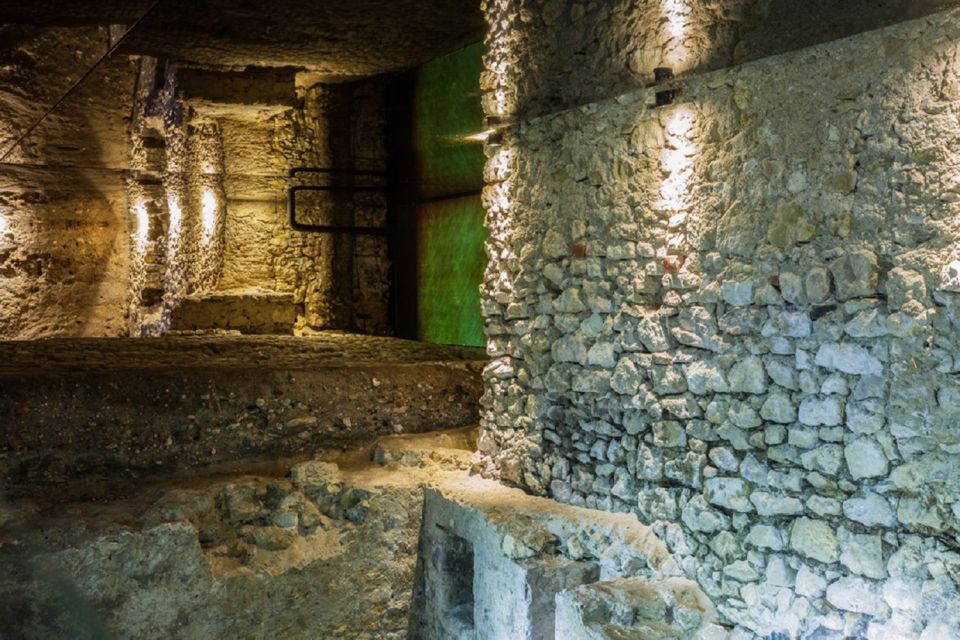
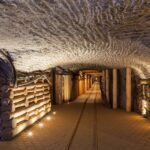
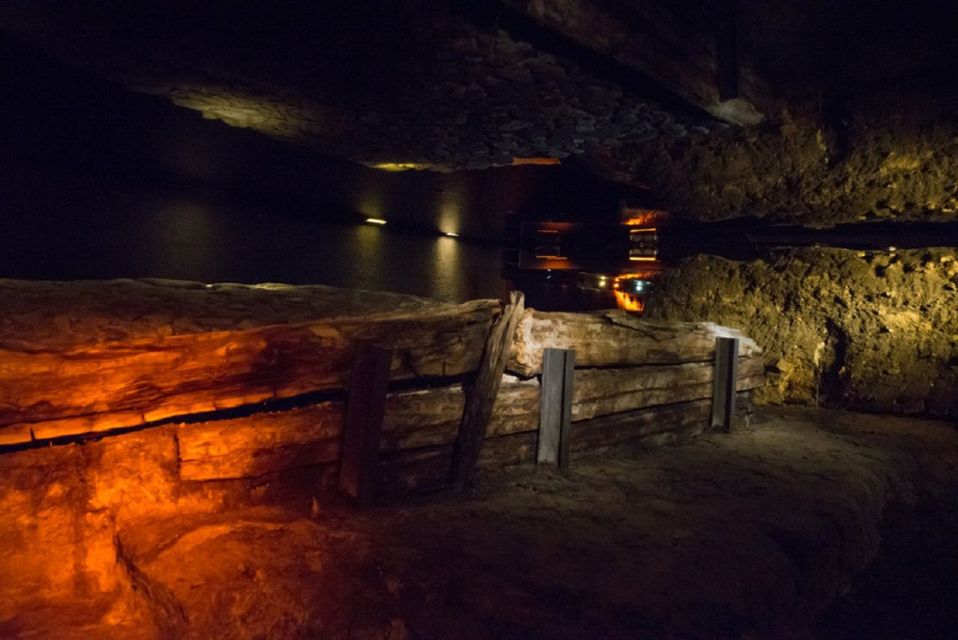
Then comes the clever part: you head to the Dungeon Market Historical and Archaeological Museum and go about 4 meters underground. That’s the key detail. Being “down there” puts you on the level of the cobbled roads from the 12th–13th centuries, which makes the old city feel less like a museum concept and more like a place with real ground-level movement.
What you’ll get from this stop is the feeling of time travel—without any sci-fi. The underground galleries are built to help you interpret artifacts and understand what their purpose was. You’ll connect legends and real city events to the objects you’re seeing, which is exactly what you want from an archaeological museum.
What to watch for here
This is the part of the day that most needs comfort planning. You’ll be going underground, so wear shoes you trust for stairs or uneven surfaces. Also, give your eyes a minute when you move from bright square light to museum lighting. A guide’s explanation helps a lot once your eyes adjust.
Wawel Castle rooms: royal art, court life, and collecting power
Next you’ll shift from the city streets to the Royal Wawel Castle, the main residence of Polish kings. Your ticket covers entry to one permanent exhibition, and the exact section can vary depending on availability—typically options like State Rooms, Royal Private Apartments, or the Crown Treasury.
That matters because you’ll experience the castle through curated “lanes” of court life rather than random halls. In this castle, the collections are part of the story. You’ll see everything from paintings, graphics, sculptures, and fabrics to goldsmiths’ work and military items. There are also porcelain and furniture collections, which give you a more grounded sense of how a royal household looked and operated.
The tour also calls out specific highlights that make the experience feel concrete:
- You’ll get a focus on woven works associated with Zygmunt August.
- You’ll see Renaissance Italian paintings from the Lanckoronski collection.
- You’ll encounter Eastern art, including the most important and largest collection of tents in Europe.
That last detail is a perfect example of why this tour works for curious people. You come for “the king’s castle,” but you leave remembering a specific collection category that you’d never guess would exist here.



How the castle visit usually feels
Castle visits can go two ways: either you wander and memorize facts, or you’re guided through a logic. This tour leans toward guided logic. The guide helps you connect the art and objects to the people behind them, so the castle doesn’t feel like a quiet art gallery. It feels like the physical record of rule, taste, and diplomacy.
One small note: the castle’s permanent exhibition choice can vary. If you’re a collector-type who wants one specific room, the variability is worth keeping in mind.
Wawel Cathedral: gothic architecture with a living ceremonial role
Then you’ll enter the gothic Wawel Cathedral, where Polish monarchs were crowned. That phrase is more meaningful than it sounds, because it tells you the building’s job wasn’t just to impress. It was to host events tied to national authority and faith.
This is also an active religious site. The cathedral is still used for worship, and during important religious, state, or jubilee events—or visits by important guests—admission to the cathedral, royal tombs, or the bell tower can be suspended without advance notice. If that happens, the organizer can replace the entrance to the cathedral with another one within the castle complex.
That policy is not a reason to skip the tour. It’s a reality check. You’re visiting a working landmark, not a sealed theme park. If you’re traveling with flexibility, this sort of swap is usually manageable.
Why you should care about the cathedral stop
Even if gothic churches are not your favorite style, this one hits differently because you’re standing in the same ceremonial world that shaped Polish history. You’ll likely notice how the guide’s framing changes what you see: architecture becomes purposeful, not just decorative.
Lunch included: the part that makes the long day work
This tour includes lunch, and the practical value is bigger than it sounds. A 330-minute itinerary means you’ll want energy that doesn’t derail you later. One recent review specifically praised the lunch as tasty and the overall tour preparation as solid, and another highlighted the guides as personable and informative.
No drinks are included, so plan to buy water or soft drinks if you need them. Still, having lunch handled saves you time and keeps you from turning the day into a hunt for food between sights.
My tip for making lunch useful
Use the lunch break to reset your brain, not just your stomach. While you eat, skim mentally what’s next: cathedral, then finishing the day after Wawel and Rynek. When your mind is ready, the last parts of the tour land better.
Price and time: what $108 buys in real-world value
At $108 per person for a tour lasting about 5.5 hours, the value is in the combination. You’re paying for:
- a professional guide
- entry tickets to Rynek Underground Museum and the Wawel Cathedral
- access tied to one permanent castle exhibition (depending on availability)
- lunch included
- and skipping ticket lines
If you tried to build this yourself, you’d likely spend time coordinating tickets and meeting points across multiple sites. Here, the structure is already set, and the guide’s storytelling connects the stops so you don’t walk through the castle and underground museum feeling like you saw two unrelated exhibits.
The biggest “cost” isn’t money—it’s time and comfort planning. You’re on your feet through a long stretch, going from street level down underground and then into cathedral/castle spaces. If you like guided pacing, it feels efficient. If you need lots of downtime, you might find the schedule full.
Who this tour fits best (and who might want a different option)
This is a strong fit if you:
- want a focused Wawel Castle and Cathedral tour in Krakow without doing complicated planning
- like guided context that turns rooms and artifacts into stories
- enjoy archaeology and “what used to be here” experiences (Rynek Underground is exactly that)
- appreciate a schedule that includes lunch so you don’t lose the day to logistics
It may be less ideal if you:
- want mostly free time to roam without guidance
- are sensitive to active-site realities (because the cathedral can have access changes during special events)
- prefer short tours, since this runs 330 minutes
Should you book the Wawel Castle, Cathedral, Rynek Underground Tour with Lunch?
I’d book it if you want one organized day that hits Krakow’s top historical anchors in a way that actually connects. The standout value is the pairing: Rynek Underground shows the buried city layer, while Wawel shows the royal power layer. Add in the gothic cathedral and you get a full storyline—public life, underground survival, royal culture, and living ceremony.
One more reason to consider it: the tour is designed to reduce friction with skip-the-ticket-line access and included entries, plus lunch handled for you. If you like your travel days purposeful (not frantic), this is the kind of itinerary that delivers.
FAQ
How long is the tour?
The tour lasts about 330 minutes.
What main stops are included?
You’ll visit Krakow’s Market Square, the Rynek Underground Museum (Dungeon Market Museum), Wawel Castle, and the Wawel Cathedral.
Is lunch included?
Yes. Lunch is included in the tour.
Are drinks included with lunch?
No. Drinks are not included.
What ticket access is included for Wawel Castle?
Your tour includes entrance to one permanent exhibition within Wawel Castle, which can be State Rooms, Royal Private Apartments, or the Crown Treasury depending on availability.
Do I need to buy separate tickets for the sites?
No. Entrance tickets for Wawel Cathedral and the Rynek Underground Museum are included, and Wawel Castle entry is included via the permanent exhibition option.
Does the tour skip the ticket line?
Yes. You can skip the ticket line.
What languages are available for the guide?
Guides are available in German, Spanish, French, English, and Polish.
Is the Wawel Cathedral always open during the tour?
The cathedral is an active worship site. During important religious, state, or jubilee events or visits by important guests, admission to the cathedral, royal tombs, or the bell tower may be suspended without notice, and the organizer may replace the entrance within the castle complex.
How deep is the Rynek Underground Museum?
The tour takes you about 4 meters underground to the level associated with the cobbled roads of 12th–13th century Krakow.