REVIEW · KRAKOW
Wawel Castle, Cathedral, Old Town and St. Mary’s Basilica
Book on GetYourGuide →Operated by INTERCRAC Ltd. · Bookable on GetYourGuide
One bell, two legends, and Krakow opens up. This tour ties together Wawel Castle and the Cathedral with skip-the-line access, so you spend your time learning instead of waiting.
I love how the castle portion mixes grand rooms with real museum collections, from Renaissance interiors to the Italian paintings of the Lanckoroński collection. I also love the ending: St. Mary’s Basilica and the Veit Stoss altar, plus a guided sweep through Krakow’s UNESCO-listed Old Town. The main downside to plan for is timing—210 minutes plus big-name crowds can make it feel like you’re moving fast in the busiest spots.
In This Review
- Key points to know before you go
- Meeting at Piotr Skarga Monument: Start Close to the Action
- Wawel Castle With Skip-the-Line: State Rooms First
- What “fast-track” buys you (and what it doesn’t)
- Inside the Royal Castle: Paintings, Porcelain, Weapons, and Ottoman Tents
- Wawel Cathedral: Coronations, Chapels, and the Royal Crypts
- The tower and the Sigismund Bell moment
- Royal Crypts: Where the Story Turns Personal
- UNESCO Old Town on Foot: Main Market Square and the Cloth Hall
- Collegium Maius: Copernicus Without the Detour
- St. Mary’s Basilica and the Veit Stoss Altar: The Visual Payoff
- Timing, Dress Code, Group Size, and What To Do With Crowds
- Value for Money: Why About $87 Often Feels Fair
- Should You Book This Wawel, Cathedral, Old Town, and St. Mary’s Tour?
- FAQ
- Where does the tour meet?
- How long is the experience?
- What does skip-the-line access include?
- Is this tour wheelchair accessible?
- What dress code should I follow?
- What languages are available?
Key points to know before you go
- Fast-track entry helps you start with momentum at one permanent Wawel Castle exhibition (availability varies)
- Touch the Sigismund Bell for good luck and see Krakow from the Cathedral tower area
- Old Town highlights in one focused walk: Main Market Square and the Cloth Hall
- Collegium Maius connects Krakow to Copernicus through the city’s oldest university building
- St. Mary’s Basilica is the artistic peak with the Gothic Veit Stoss altar as the centerpiece
- Small group cap of 30 keeps the tour manageable for questions and pacing
Meeting at Piotr Skarga Monument: Start Close to the Action
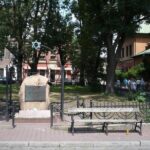
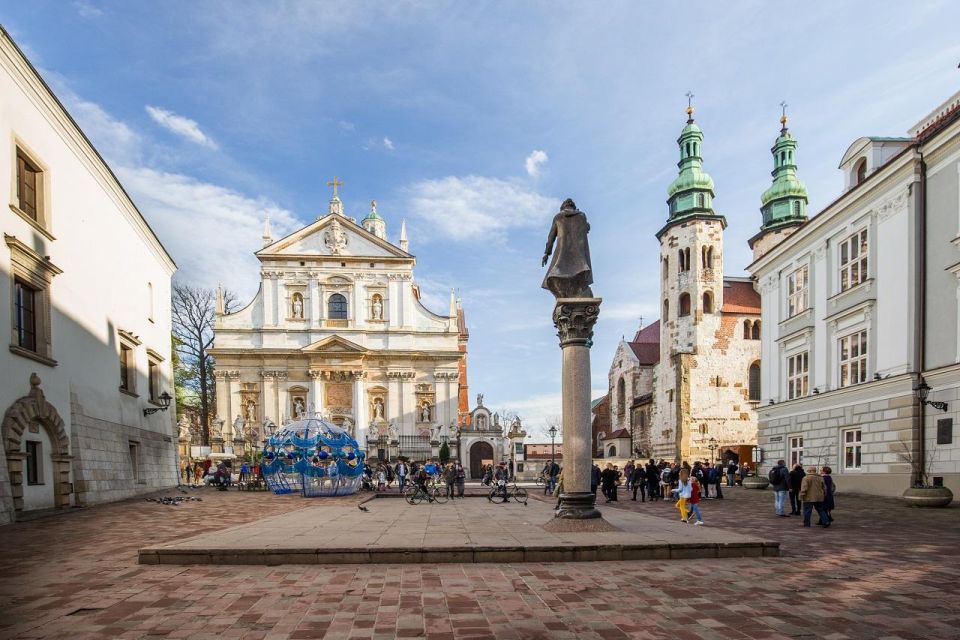
Your tour meets at St. Mary Magdalene Square at the Piotr Skarga Monument, and the guide will be holding a Wawel Castle & Cathedral Guided Tour sign. This matters because the meeting point is not on Wawel Hill, so you’ll likely spend a bit of time getting to the fortress area before you even enter the sites.
I like that the start is easy to find, and the sign keeps you from wandering around with a knot of other confused people. Just show up at least 10 minutes early—once the group goes in, late joining won’t work and tickets aren’t refundable.
You can also read our reviews of more tours and experiences in Krakow.
Wawel Castle With Skip-the-Line: State Rooms First
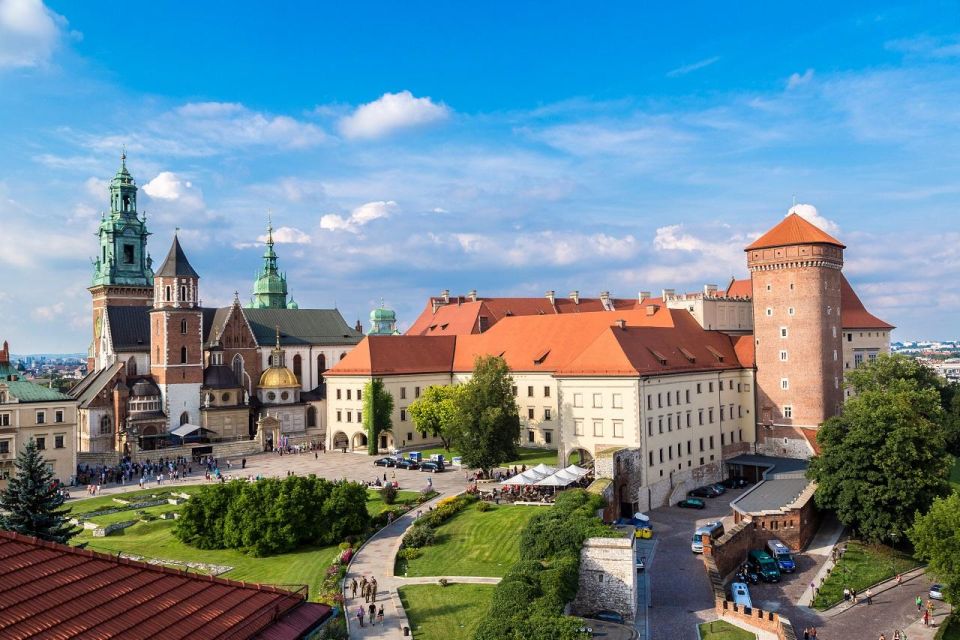
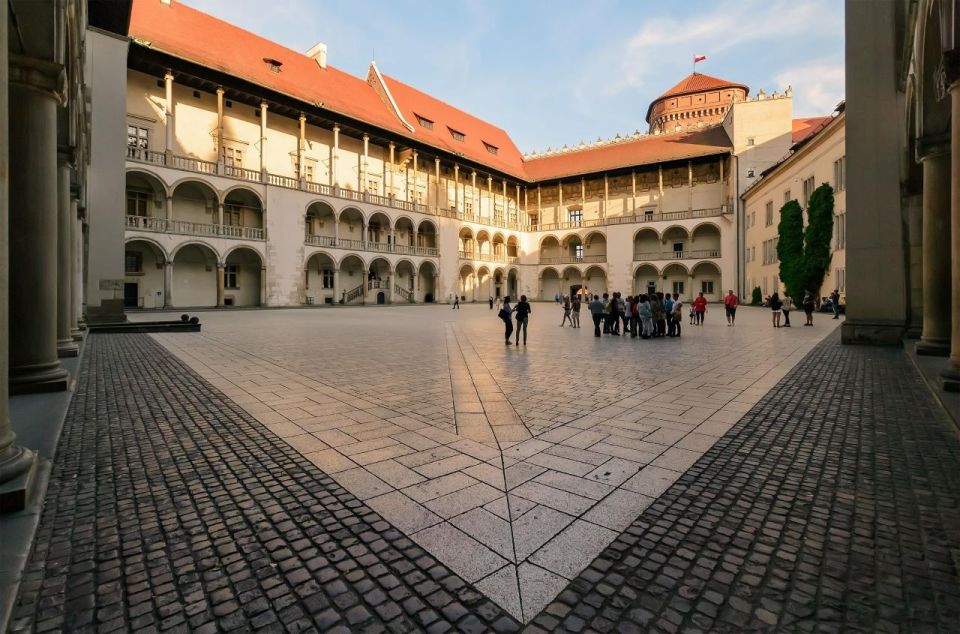
Wawel is the kind of place that makes you sit up straight the moment you arrive. On this tour, you begin with a guided walk through the Royal Castle’s museum galleries, including the elegant State Rooms of the Royal Castle.
You’ll get context as you go, not just a list of rooms. That’s a big reason this tour works well for first-timers: the guide ties architecture and art to Polish statehood and royal legacy, so the building doesn’t feel like a random pile of grand rooms.
What “fast-track” buys you (and what it doesn’t)
You get fast-track access to one permanent Wawel Castle exhibition, but availability can vary. So you should still expect to spend time inside the castle galleries—it’s not a skip everything pass. The payoff is that you’re less likely to burn your limited time standing in ticket lines.
Inside the Royal Castle: Paintings, Porcelain, Weapons, and Ottoman Tents
This is where the tour really earns its keep. The castle doesn’t only do royal portraits and polished floors; it shows how Poland sat at a crossroads of cultures.
In the galleries, you’ll see highlights like:
- The Renaissance interiors, plus elaborate wall hangings and museum-grade presentation
- The Lanckoroński collection of Italian paintings
- Collections beyond the obvious categories, including porcelain and weaponry
- Eastern art, including Europe’s largest collection of Ottoman tents
If you care about how empires and trade routes shaped everyday life, you’ll probably enjoy how the collections broaden the story beyond kings and coronations. It turns Wawel from a single-purpose monument into a museum that reflects shifting influences over centuries.
Wawel Cathedral: Coronations, Chapels, and the Royal Crypts
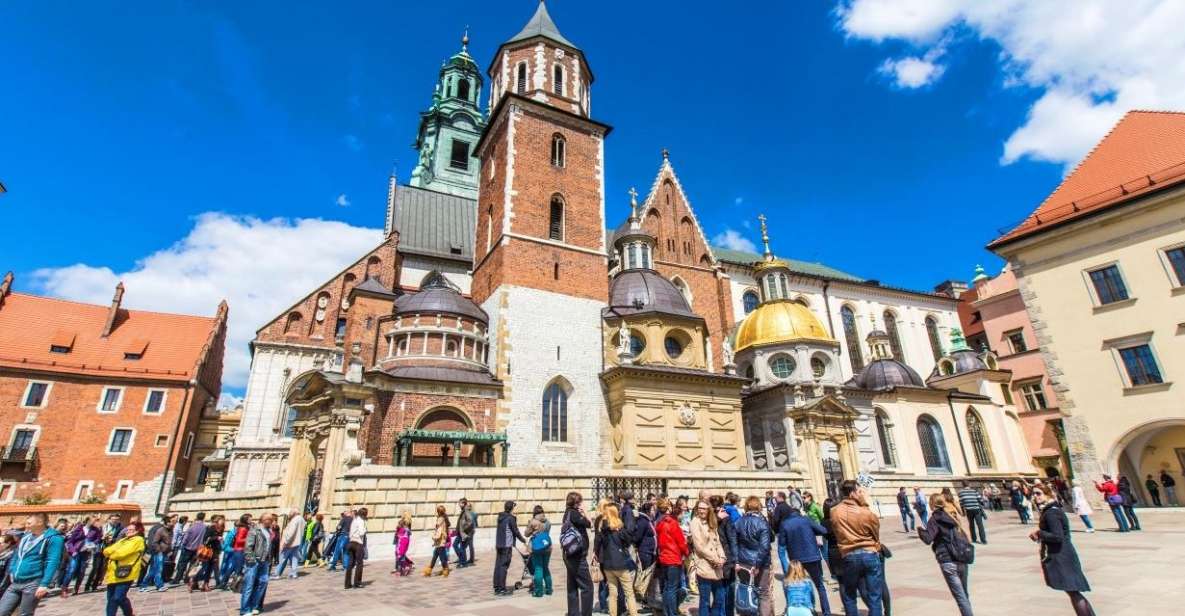
After Wawel Castle, the focus shifts to the Gothic heart of the complex: Wawel Cathedral. This is the place where Polish monarchs were crowned, married, and laid to rest, so the guide’s narration tends to feel practical and story-driven rather than purely architectural.
Inside, expect to spend time on ornate details and chapels. The Cathedral is also known for its golden domes and the kind of stonework you can keep noticing even after the first wow moment.

The tower and the Sigismund Bell moment
One of the tour’s best beats comes before you leave the Cathedral area. There’s a chance to climb to the tower for panoramic views of Krakow, and you can touch the Sigismund Bell for good luck.
This isn’t a gimmick. The bell and the view give your visit a full-circle feeling: you’re touching a symbol that fits the Cathedral’s centuries-long role, then using the tower height to connect the complex to the city itself.
Royal Crypts: Where the Story Turns Personal
The visit continues into the royal crypts, the resting place of Poland’s greatest rulers and visionaries. The guide’s job here is to help you read the space—who is connected to which historical turning points—so it doesn’t just feel like a corridor of memorials.
Crypts are also where a timed tour can feel a bit pressured. If you’re the kind of person who wants extra minutes to absorb plaques slowly, you’ll want to keep moving with the group but let the guide’s narration steer what you pay attention to.
UNESCO Old Town on Foot: Main Market Square and the Cloth Hall
Once you shift from the fortress hill to the city center, the tone changes from royal stone to street-level life. The Old Town is UNESCO-listed, and your licensed local guide walks you through the historic core with clear stops you can recognize even after the tour ends.
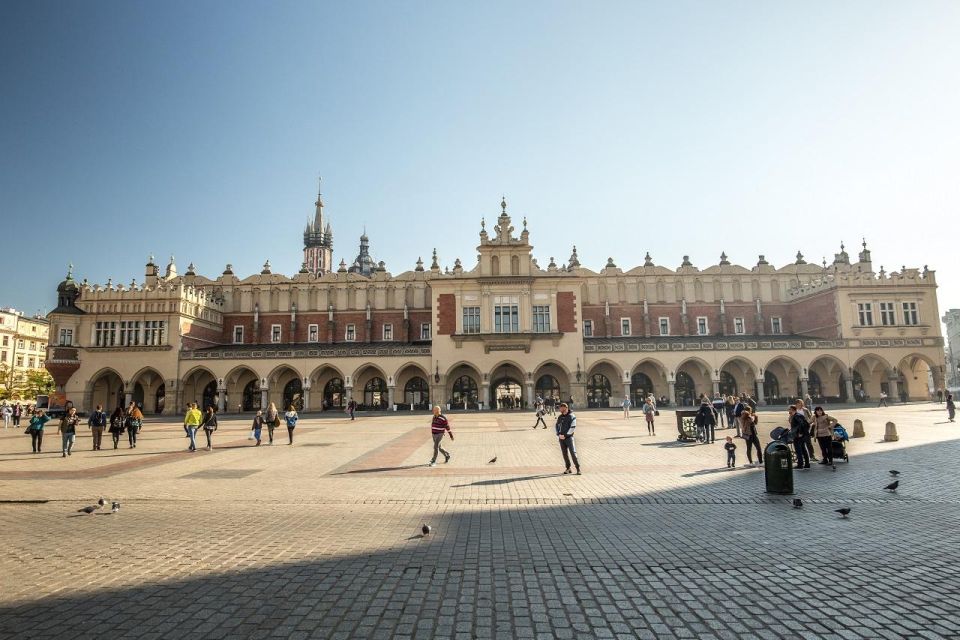
You’ll cover the Main Market Square and the Cloth Hall, then continue through the older streets that shaped Krakow’s beauty and reputation. The guide also connects what you’re seeing to merchants’ guilds and royal processions, which is the difference between a pretty walk and a meaningful one.
One thing I like about guided Old Town loops is that you stop only where it helps you understand the layout. You’re not stuck doing the full maze on your own while trying to remember where everything is.
Collegium Maius: Copernicus Without the Detour
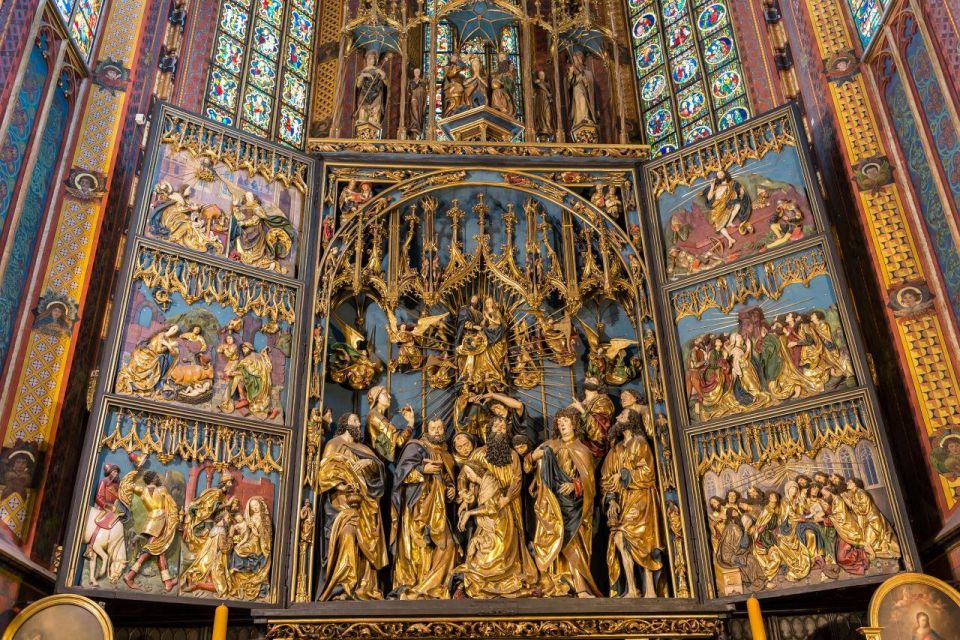
Krakow isn’t just about churches and squares. The tour also includes the Collegium Maius, the oldest university building in Poland, and the guide shares stories tied to Nicolaus Copernicus.
This stop works because it gives you a second Krakow identity: not only a royal and religious capital, but also a place tied to learning and scientific history. If you’ve got a few hours and you want variety without planning extra transport, this is an efficient way to add that layer.
St. Mary’s Basilica and the Veit Stoss Altar: The Visual Payoff
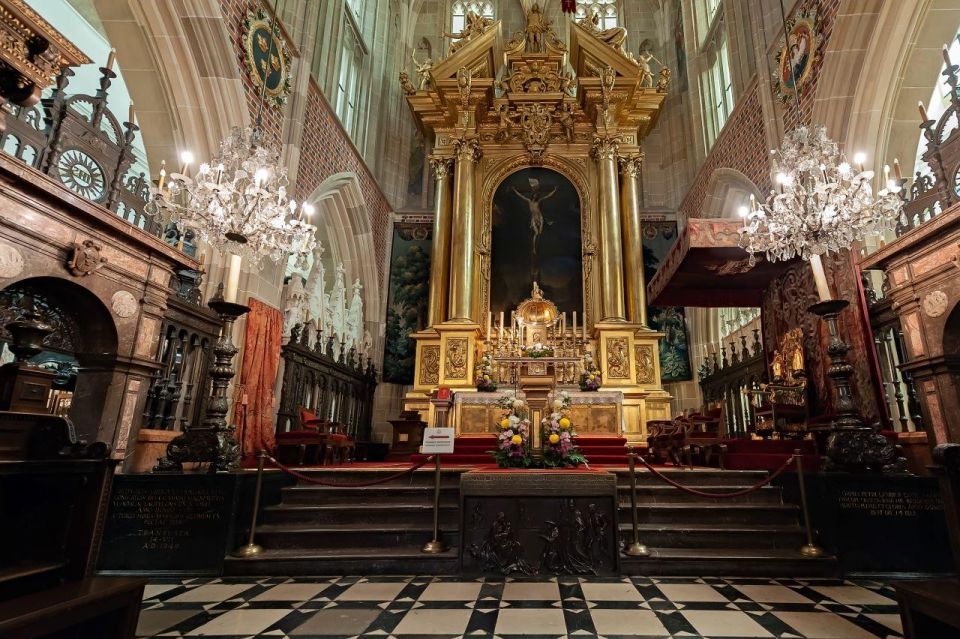
St. Mary’s Basilica is the tour’s art highlight. Gothic splendour is the headline here, but the real reason people remember this stop is the Veit Stoss altar.
Your guided visit focuses on the altar’s storytelling details and explains its history and importance to Krakow’s identity. This is one of those rare museum-meets-church experiences where the guide helps you see what your eye might skip on a quick self-guided stop.
If you love interpretive art—where images tell a narrative rather than just decorating the space—you’ll likely feel rewarded. It’s also a great place to slow down mentally, because your guide is pointing out how the sculpture communicates rather than just describing style.
Timing, Dress Code, Group Size, and What To Do With Crowds
The tour runs for 210 minutes, and it’s a lot of ground in a short window. Expect walking between major sites and plan to move quickly between stops—especially around peak hours.
A few practical notes that affect comfort:
- Group size is capped at 30 participants, which helps keep it organized
- Tours are conducted in one language chosen at booking (English, French, German, Italian, Polish)
- A dress code is enforced in places of worship and selected museums: shoulders and knees must be covered; shorts and sleeveless tops aren’t permitted
- Pets aren’t allowed
Also, this tour isn’t suitable for wheelchair users. If mobility is a concern, this is worth taking seriously early rather than hoping for flexibility on the day.
Crowds are real in Krakow at the big landmarks, and this itinerary is hitched to famous places. I suggest you go in with the mindset that the guide is there to keep the rhythm—your goal is to understand the highlights, not to linger in every side chapel for an hour.
Value for Money: Why About $87 Often Feels Fair
At around $87 per person for 210 minutes, this tour isn’t the cheapest way to see Krakow. It can be a good value if you want three things in one: a structured history/art guide, skip-the-line help, and paid entry to multiple major sites.
Included features that justify the price:
- A guided tour led by a certified local expert in Krakow’s royal history
- Fast-track access to one Wawel Castle permanent exhibition (availability varies)
- Entrance to Wawel Cathedral, where coronations took place
- Entrance ticket to St. Mary’s Basilica
If you were to try to stitch together these stops independently, you’d spend time coordinating tickets and still risk missing the connections between what you see. This route gives you that “why it matters” thread—castle to cathedral to Old Town to the basilica altar.
Should You Book This Wawel, Cathedral, Old Town, and St. Mary’s Tour?
Book it if you’re a first-time Krakow visitor who wants the biggest landmarks tied together with clear storytelling. This is especially worth it if you care about art details like the Veit Stoss altar and you want the royal context behind Wawel’s role in Polish history.
I’d pass or rethink if you need lots of slow time inside buildings or you’re sensitive to crowding. Since the tour moves through several top attractions in one sitting, you’ll get the highlights, but you won’t have a leisurely pace.
If you want a smart introduction to Krakow’s identity—royal, religious, and artistic—this is a solid, efficient choice.
FAQ
Where does the tour meet?
The meeting point is St. Mary Magdalene Square at the Piotr Skarga Monument. Your guide will hold a Wawel Castle & Cathedral Guided Tour sign.
How long is the experience?
The duration is 210 minutes. Starting times depend on availability.
What does skip-the-line access include?
You get fast-track access to one permanent Wawel Castle exhibition (availability varies). The tour also includes entrance tickets for Wawel Cathedral and St. Mary’s Basilica.
Is this tour wheelchair accessible?
No. The tour is not suitable for wheelchair users.
What dress code should I follow?
For places of worship and selected museums, you must cover shoulders and knees. Shorts and sleeveless tops are not permitted.
What languages are available?
The live guide is available in English, French, German, Italian, and Polish. The group tour runs in a single language chosen at booking.