REVIEW · KRAKOW
Wawel Castle and Cathedral Guided Tour
Book on GetYourGuide →Operated by EVENTS MANAGEMENT Sp z o.o. · Bookable on GetYourGuide
Wawel looks like it was built to intimidate kings. On a limestone hill above the Vistula, this guided tour pulls together castle power and cathedral pageantry in just two focused hours. You’ll walk through royal rooms, then switch gears to Gothic chapels and burials that explain why Krakow stayed important even after the court moved.
What I like most is the way the guide connects the buildings to real stories: the lives of Polish rulers, coronations, and what happened when importance shifted to Warsaw. I also really value the inside access to the former seat of power, including standout details like Flemish tapestries and a decorative ceiling, plus the cathedral’s crown of chapels around the Sigismund Chapel.
One thing to consider: with only 2 hours, you have to accept a guided overview pace. You’ll see a lot, but if you’re the type who wants long, quiet, do-it-at-your-own-speed museum wandering, plan for a bit more time on your own afterward.
In This Review
- Key points to know before you go
- Wawel Hill: the view and why the place feels fortified
- Walking the Royal Castle courtyard arcades and the chambers of power
- Flemish tapestries, Italian craftsmanship, and what those details mean
- The Cathedral walkthrough: chapels around the Sigismund Chapel
- Crypts, tombs, and the stories under your feet
- Towers and the Royal Sigismund Bell: what you can actually see
- What you get in the ticket: one permanent exhibition choice
- Price and value for a 2-hour royal overview
- Languages and guide quality: Annette and Barbara as examples
- Who this Wawel tour suits best
- Should you book this Wawel Castle and Cathedral guided tour?
- FAQ
- How long is the Wawel Castle and Cathedral guided tour?
- Where is the meeting point?
- What’s included in the price?
- Is there a skip-the-ticket-line benefit?
- Which languages are available for the live tour guide?
- Can I enter other exhibitions besides the one included?
- Is the Royal Sigismund Bell view part of the tour?
- Is free cancellation available?
Key points to know before you go
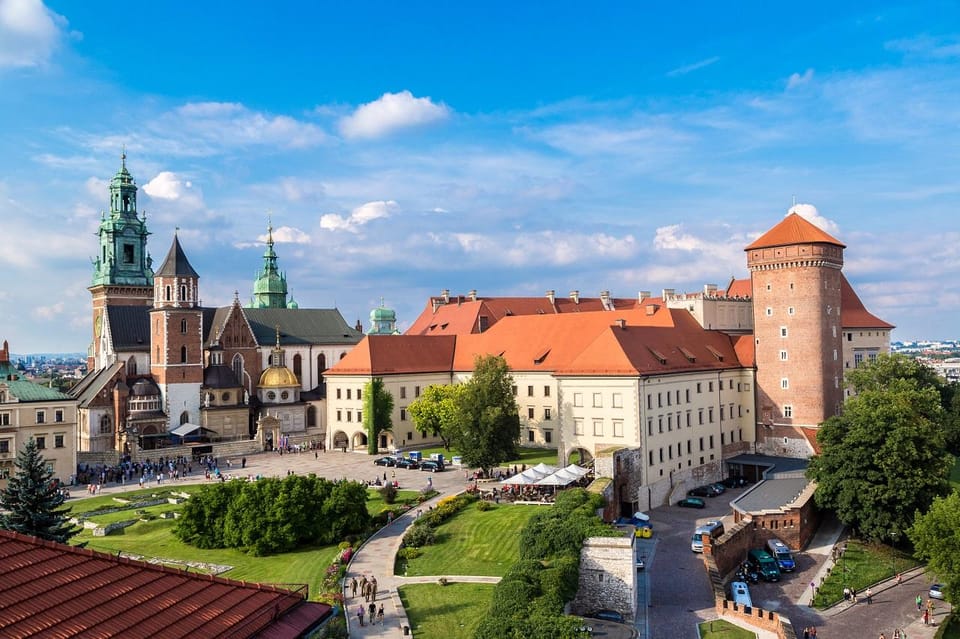
- Wawel Hill panorama first: you get the bigger picture before you step into the buildings
- Royal Castle courtyard arcades: impressive size and lightness right at the start
- Flemish tapestries and decorative ceilings: details that make the rooms feel lived-in, not just historic
- Gothic-Renaissance-Baroque crown around the cathedral: the chapels frame the main story
- Sigismund Chapel and underground crypts: coronations and burials tied to kings, poets, and national heroes
- Tower option for the Royal Sigismund Bell: you can aim for the closer look if you want that extra viewpoint
Wawel Hill: the view and why the place feels fortified
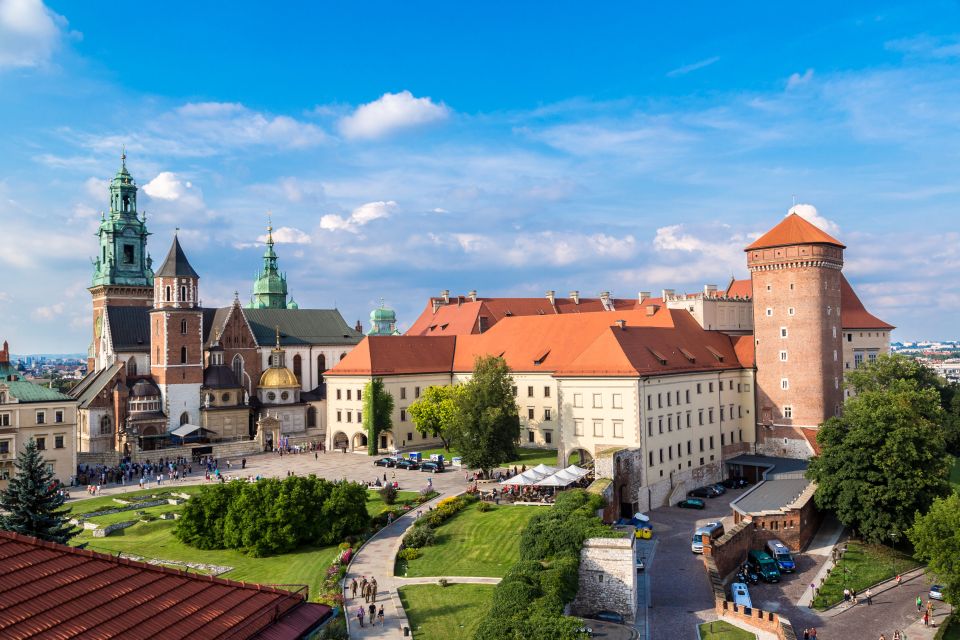
Wawel rises on a limestone hill above the bend of the Vistula in Lesser Poland. That matters because the site isn’t just pretty. It’s naturally defensible, and the castle and cathedral were built to take advantage of that advantage. Even before you enter any rooms, you’ll get a panorama of the hill and the fortifications, which helps you understand why rulers wanted this spot so badly.
This “see it from the outside first” approach is practical. It gives you a mental map for everything you’ll see inside: where the power lived, where ceremonies happened, and how the cathedral’s spiritual role sat beside the castle’s political role.
If the weather is clear, the viewpoint makes the whole complex easier to process. If it’s gray or windy, you’ll still come away with the same key idea: this place was designed to command respect.
You can also read our reviews of more guided tours in Krakow
Walking the Royal Castle courtyard arcades and the chambers of power
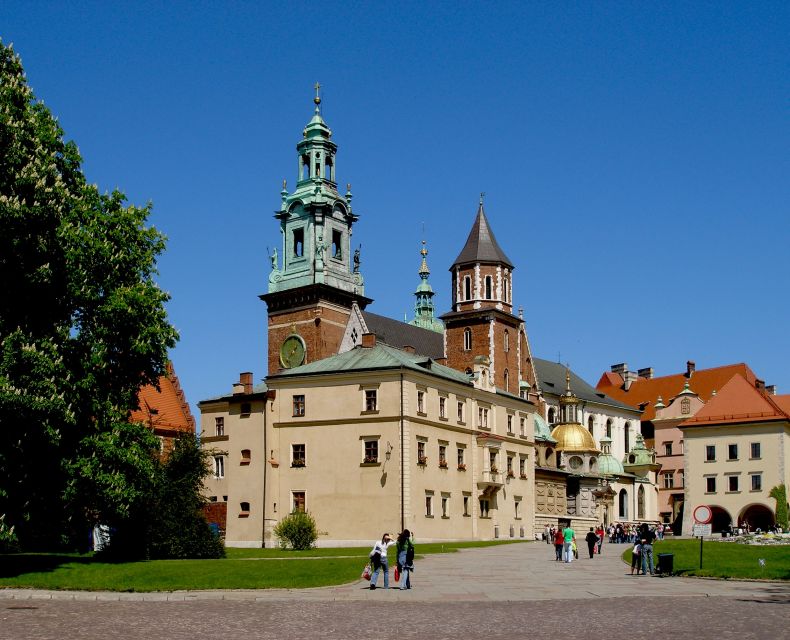
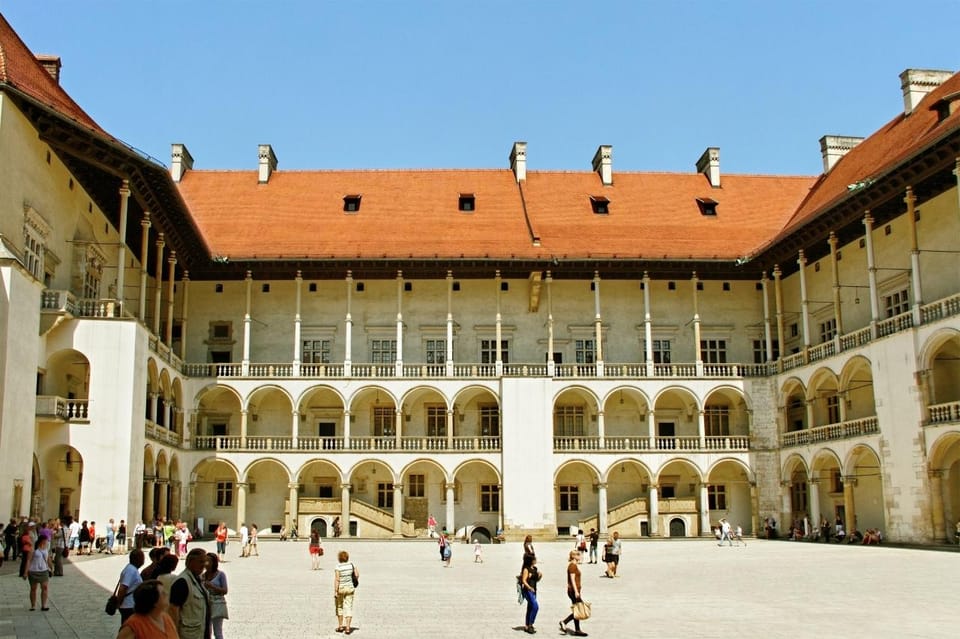
After the panorama, the tour moves into the castle courtyard. This is where the experience starts to click visually. The courtyard stands out for its size and for those slender arcades that make the space feel open and airy, not heavy. It’s a good reminder that Wawel isn’t only about stone mass. It’s also about how the architecture frames movement and status.
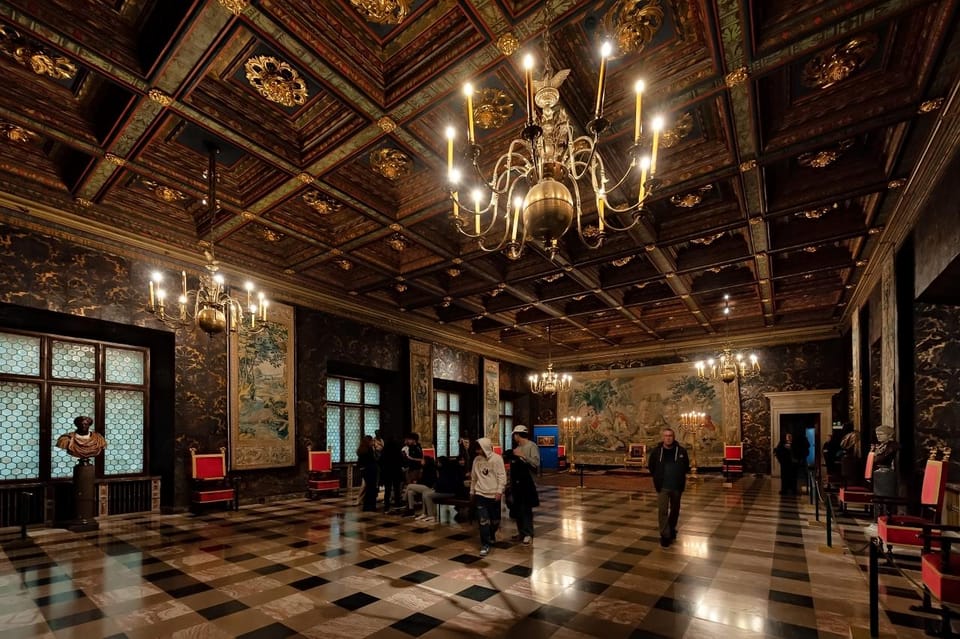
From there, you enter the chambers where the guide points out the kinds of details that make a building feel specific to a time period. You’ll focus on major decorative features and royal ownership signals—things like the famous Flemish tapestries and a decorative ceiling. These are not just “pretty objects.” They’re part of how power looked and how wealth expressed itself.
In the same stretch, the guide also gives you the story thread: Wawel was the seat of Polish rulers for centuries. Even when the king moved to Warsaw at the end of the 16th century, Wawel didn’t lose its importance. The role shifted, but the significance stayed. That contrast is exactly what makes this castle stop more than a photo stop.
Flemish tapestries, Italian craftsmanship, and what those details mean
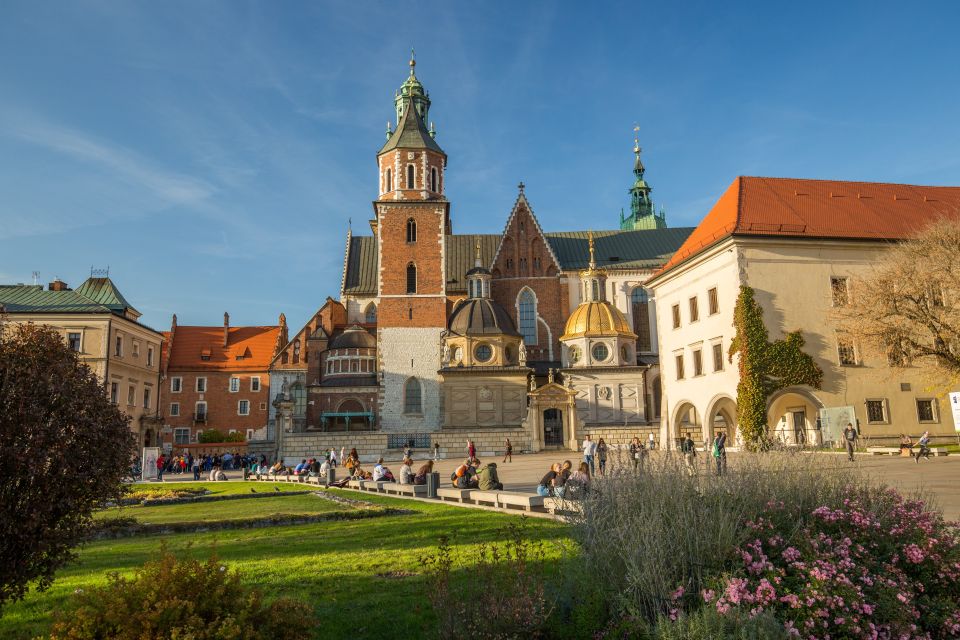
Wawel was built and decorated from the beginning with care for beauty, including work by renowned Italian masters. That’s more than a fun fact. It helps you read the rooms with better instincts. You start spotting how different styles and influences show up in the spaces around you.
The Flemish tapestries are the best example of what to look for during this part of the tour. The guide will help you connect them to the idea of court culture: textiles as status, decoration as diplomacy, and art as a way to signal legitimacy.
And then there’s the decorative ceiling—something you might otherwise rush past. When a guide calls out what you’re seeing and why it was valued, you end up looking slower and noticing more. That small shift is what turns a typical castle visit into a tour you remember.
If you’re sensitive to crowds, you’ll probably appreciate this structured time window. You’re not wandering endlessly. You’re moving through the castle’s key highlights in a way that keeps you oriented.
The Cathedral walkthrough: chapels around the Sigismund Chapel
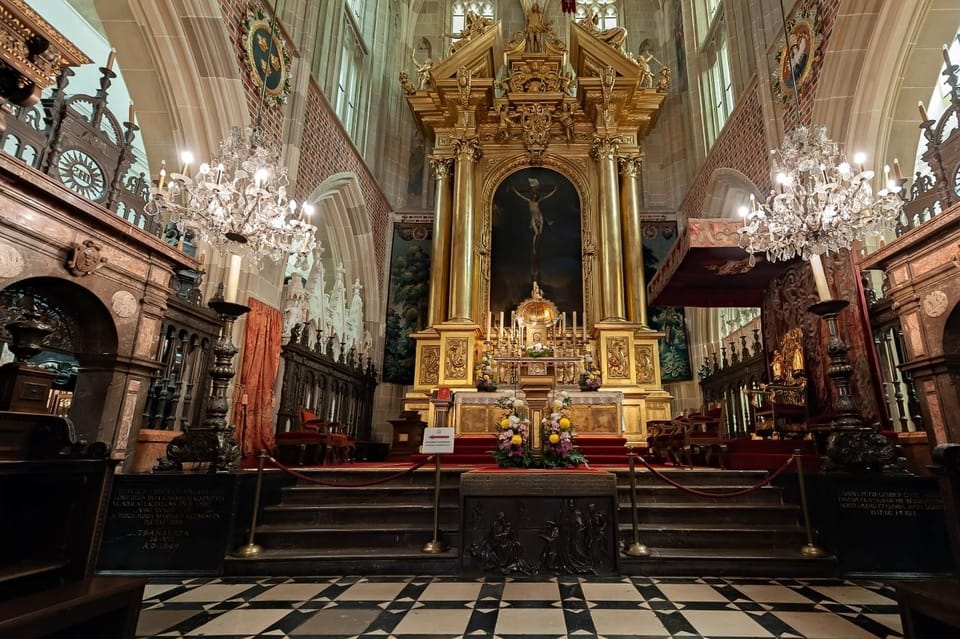
Then you switch from the castle’s courtly world to the cathedral’s ceremonial and burial world. The Wawel Cathedral is described as surrounded by a crown of chapels—Gothic, Renaissance, and Baroque. That idea of a crown is a big deal because it tells you the cathedral isn’t one flat experience. It’s a ring of different eras and different artistic languages.
The Sigismund Chapel is the star you’ll hear about. It’s singled out as the most beautiful of the chapels, and the guide’s job here is to make sure you understand how the chapels collectively create the cathedral’s identity. You’re not just looking at one room. You’re understanding the cathedral as a system of spaces built for worship, remembrance, and ceremony.
A key part of why this cathedral section is worth your time: Wawel remained the place for coronation ceremonies and the burials of most subsequent Polish kings. The tour ties that together so you see the building as a “record” of national leadership, not just a church.
Crypts, tombs, and the stories under your feet
One of the most compelling parts of this visit is the underground crypts. The cathedral and its crypts contain tombs not only of Polish kings, but also poets and national heroes. That mix is important. It shows Wawel isn’t limited to monarchs in a straight line. It’s a broader cultural monument where leadership, creativity, and national identity overlap.
This is also where the guide’s storytelling becomes extra useful. When someone explains why a specific group of important figures belongs here, you start noticing the meaning behind the architecture and the placement. Without that context, crypt visits can feel like a blur of names and dates.
If you like museums that treat history as a chain of cause and effect, you’ll probably enjoy how the tour frames the cathedral: not as a standalone building, but as a living center of ritual and memory.

Towers and the Royal Sigismund Bell: what you can actually see
If you’re interested, the tour also includes the chance to climb the cathedral’s towers to take a closer look at the famous Royal Sigismund Bell. The bell is only rung on very important state ceremonies, which adds a sense of gravity to the idea of seeing it from up close.
Even if you don’t manage to catch any ringing (and the odds are you won’t, given how selective it is), the tower viewpoint is still valuable. It turns the bell from a “famous object” into something with physical location and scale.
Practical tip: if the tower climb is part of your interests, keep your time and energy ready. You’ll already be walking through castle and cathedral spaces, so this optional step is best for visitors who are comfortable with stairs and a bit of extra vertical effort.
What you get in the ticket: one permanent exhibition choice
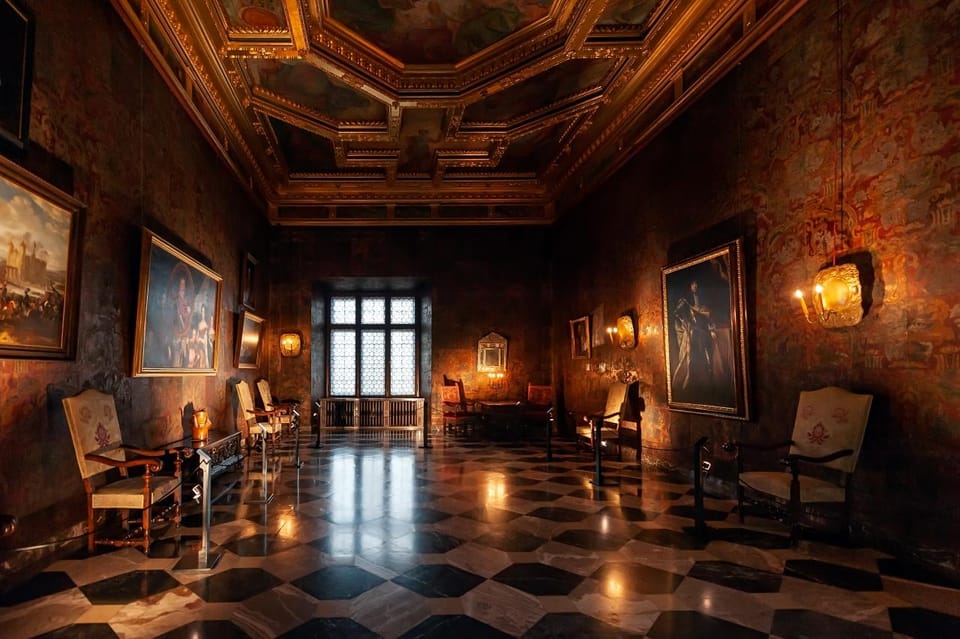
This is a guided tour that includes a ticket to one permanent exhibition on the castle side, depending on availability: State Rooms, Royal Private Apartments, or Crown Treasury. The cathedral ticket is also included.
That one-exhibition detail matters for your expectations. You will not automatically see every castle exhibition in the same 2 hours. The tour focuses on guiding you through the essential Wawel story, while giving you access to one permanent exhibition option based on what’s available that day.
So if you have a strong preference—say you’re most interested in royal daily life versus a treasury approach—this is where you’ll want to check what’s offered for your timeslot when booking.
Also note: entry to exhibitions other than those mentioned isn’t included. In other words, you should treat the included castle exhibition as part of a tightly guided route, not as an all-you-can-eat pass.
Price and value for a 2-hour royal overview
At $58 per person for a 2-hour guided tour, you’re paying for a focused blend of access and interpretation. This isn’t just “walk around Wawel.” You’re paying for a professional guide, cathedral admission, and entrance to one permanent exhibition. That combination makes the price feel more reasonable when you remember how much time it saves you versus trying to piece everything together solo.
The best value is in the guide-led connections: why Wawel mattered as a royal seat for centuries, why it stayed important after the court moved, and how coronation ceremonies and burials shaped the cathedral’s identity. Those are the moments that turn a list of rooms into a story you can follow.
The drawback is also tied to value: because the tour is short, it’s a “high points” approach. If you want slow, detailed museum time, this tour should be your foundation, not your entire day plan.
Languages and guide quality: Annette and Barbara as examples
The tour offers live guides in German, Polish, English, French, Spanish, Italian. That language availability is more than convenience. It helps the historical context land clearly, especially when details like chapels, crypts, and ceremonial roles get specific.
The review highlights mention guide Annette, praised for Italian language skill and a prepared, supportive style. Another review points to Barbara, described as excellent and organized, with strong explanations. Reviews also specifically credit a guide leader who explained things solidly and with attentive care.
What you should take from that, as a practical matter, is this: you’re not just buying entry. You’re buying interpretation from someone trained to connect architecture to events. In a place this layered, that’s where the tour earns its money.
Who this Wawel tour suits best
This tour is a strong fit if you:
- Want two hours of guided, high-impact history without spending half your day in lines or on guesswork
- Like seeing the “why” behind famous buildings, not only the “what”
- Enjoy royal and national stories tied to real places (coronations, burials, poets, national heroes)
- Are interested in standout art details like Flemish tapestries and decorative ceiling features
It may be less ideal if you:
- Plan to spend long hours reading every plaque and lingering quietly in every chapel
- Want to visit many castle exhibitions beyond the one included option
A good compromise for slower travelers: do this tour first to get your bearings, then return later to revisit the areas you loved.
Should you book this Wawel Castle and Cathedral guided tour?
I think you should book if you want a clear, guided path through Wawel’s biggest stories in a reasonable time. The included guide, cathedral entry, and one permanent exhibition make it efficient, and the focus on coronations, royal burials, and specific architectural highlights gives you more than a checklist.
Skip it only if you already know the history well and you’re mainly looking for unstructured wandering. In that case, you might prefer more time on your own so you can go at your own pace.
If you’re visiting Krakow for the first time and you want one “royalty meets faith meets national memory” experience, Wawel Castle and the Cathedral guided tour is a solid choice.
FAQ
How long is the Wawel Castle and Cathedral guided tour?
The duration is 2 hours.
Where is the meeting point?
The meeting point may vary depending on the option booked, so you should check your specific booking details.
What’s included in the price?
You get a professional guide, entrance to one permanent exhibition (State Rooms, Royal Private Apartments, or Crown Treasury subject to availability), and a ticket to the Wawel Cathedral.
Is there a skip-the-ticket-line benefit?
Yes, it includes skip the ticket line.
Which languages are available for the live tour guide?
The tour offers German, Polish, English, French, Spanish, and Italian.
Can I enter other exhibitions besides the one included?
Entry to exhibitions other than those mentioned is not included.
Is the Royal Sigismund Bell view part of the tour?
If you’re interested, you can climb the cathedral’s towers to take a closer look at the Royal Sigismund Bell. The bell is only rung on very important state ceremonies.
Is free cancellation available?
Yes. Free cancellation is available up to 24 hours in advance for a full refund.