REVIEW · KRAKOW
Schindler’s Factory & Plaszow Guided Tour
Book on GetYourGuide →Operated by Kraków Explorers · Bookable on GetYourGuide
This is one of Krakow’s most meaningful history walks. I love how the tour connects Schindler’s Factory to the real wartime world outside its walls, and I also love that the Plaszow visit doesn’t just point at plaques it explains what the camp meant day to day. One drawback to plan for: it runs on a tight timetable, and late arrivals at Schindler’s Factory won’t be admitted.
You’ll start at the Oskar Schindler Enamel Factory museum, where you get skip-the-line entry and a modern exhibition presentation of his story. Then you’ll head out to the Plaszow Concentration Camp area for a guided route over the remnants, memorials, and the context around the site’s evolution in German-occupied Krakow.
This tour is worth your time if you want clear, local, on-the-ground context for World War II in Krakow, not just museum reading. It’s also a solemn experience, so keep your expectations grounded: Plaszow is now a nature preserve, and the original camp structures are gone, so you’ll rely heavily on the memorial design and interpretive displays.
In This Review
- Key highlights worth building your day around
- Schindler’s Enamel Factory Museum: meet, go in fast, and understand the setting
- Oskar Schindler in wartime Krakow: what you’re actually learning
- Plaszow Concentration Camp: remnants, memorials, and what the site teaches
- Why the Liban Quarry replica matters (and where the story leaves gaps)
- Timing, lunch break, and getting around without losing your place
- Price and value: is $78 worth it for two sites in one day?
- Who should book this tour, and who might want a different pace
- Should you book Schindler’s Factory & Plaszow in Krakow?
- FAQ
- How long is the Schindler’s Factory & Plaszow guided tour?
- Is there skip-the-line entry at Schindler’s Factory?
- What’s included in the price?
- Is lunch included?
- Where do we meet for the tour?
- Are tram tickets included?
Key highlights worth building your day around
- Skip-the-line entry to Schindler’s Factory Museum so you spend time on the content, not the queue
- A guided, English-language walkthrough that ties Oskar Schindler to Nazi-occupied Krakow
- Plaszow Concentration Camp tour that covers the site’s purpose, changes over time, and camp life
- Memorials for Holocaust victims that help you place the tragedy in a human scale
- Outdoor walking in a nature preserve setting, where remnants and interpretive photos do the heavy lifting
- Movie connections at Liban Quarry, where a camp replica was built for Schindler’s List scenes
Schindler’s Enamel Factory Museum: meet, go in fast, and understand the setting
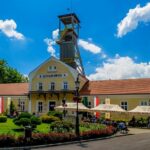
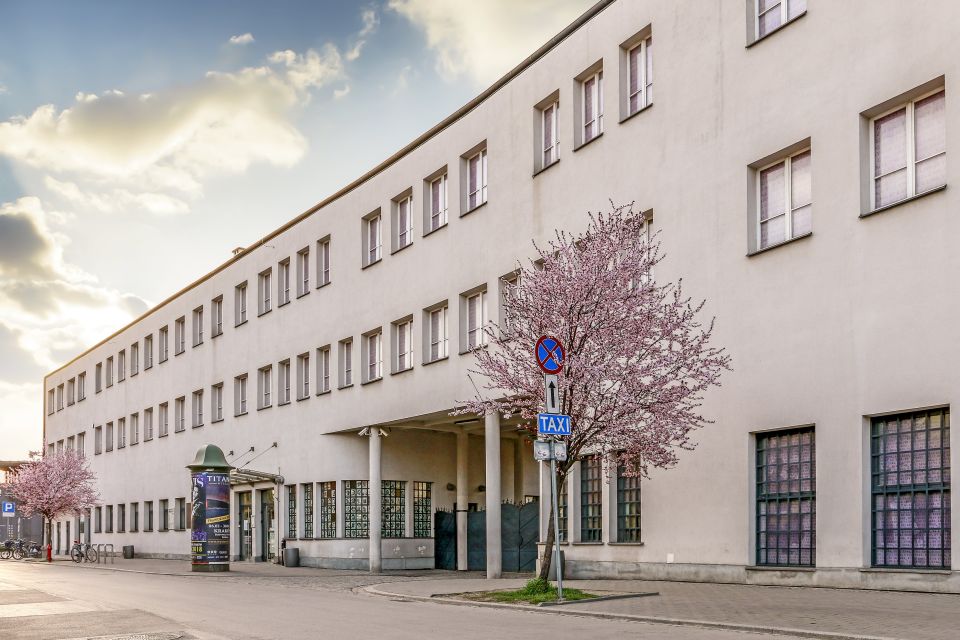
The tour begins right where the story started: in front of the entrance to the Oskar Schindler Enamel Factory (now the museum). The guide holds a sign that reads excursions.city, and the group heads in together. This is not the kind of tour where you wander off and rejoin later. The schedule is strict, and Schindler’s Factory does not accept late arrivals.
The practical win is the skip-the-line entry. If you have ever waited behind a crowd just to get into a museum in Krakow, you already know why this matters. Here, your time stays focused on the guided experience, especially since the museum is only the first act in a full 5-hour outing.
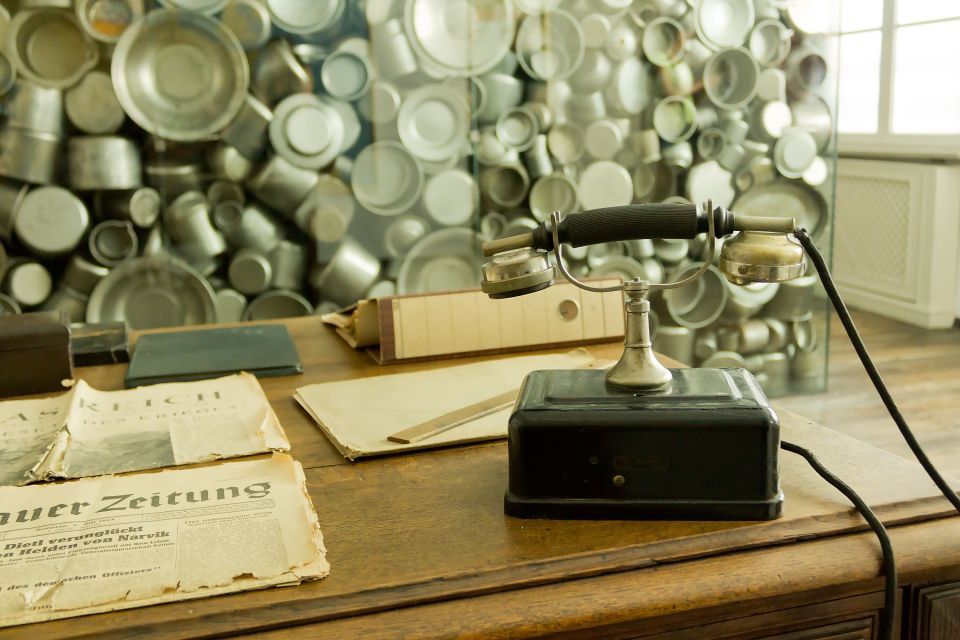
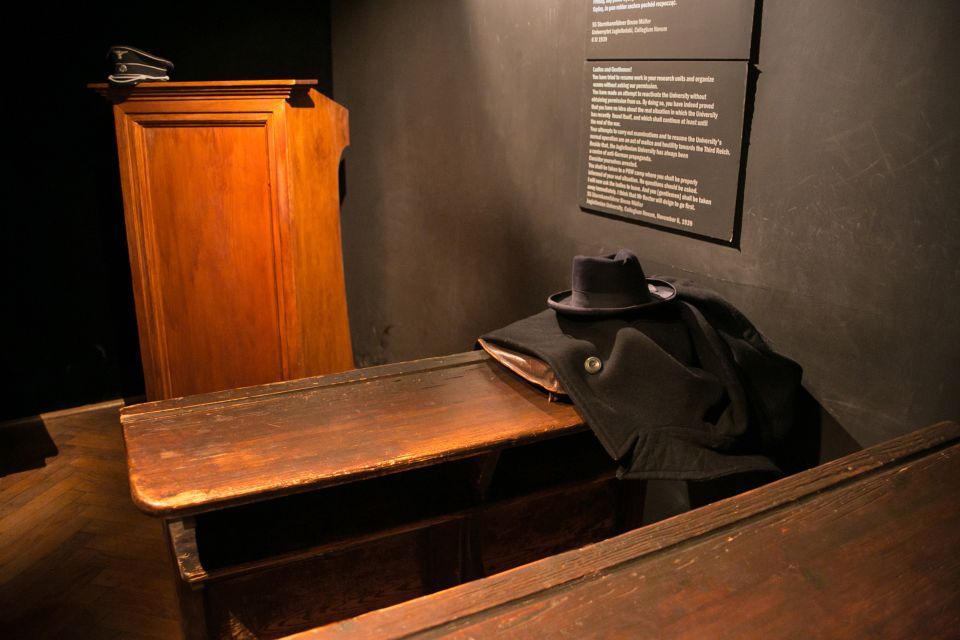
Inside, the exhibition is described as modern and somewhat atypical. That’s important because it changes the feel from typical “glass case, look-and-read” history. You’re still learning the same core facts, but the museum presentation helps you track Schindler’s role as a German entrepreneur during Nazi occupation, and the wider conditions around him.
Also pay attention to the guide’s framing. The tour links Krakow’s wartime reality to what you may know from Stephen Spielberg’s Oscar-winning film Schindler’s List. The goal isn’t to treat the movie as the history. It’s to use the film reference as a guidepost, then show you what the real story and real locations looked like.
You can also read our reviews of more guided tours in Krakow
Oskar Schindler in wartime Krakow: what you’re actually learning
Schindler is one of those historical figures people remember because a famous film made him visible. What you’ll get on this tour is the local grounding that films can’t fully provide: why Krakow, what the Nazi occupation did to daily life, and how Schindler’s actions were connected to the period’s brutal machinery.
The guide’s job here is to connect three threads without getting lost in dates:
1) Schindler’s life as a businessman during the occupation
2) the changing situation for Jews in Krakow under Nazi control
3) the specific meaning of what happened around Plaszow
You’ll follow the story through Oskar Schindler’s Enamel Factory museum and then continue that narrative outside, where Plaszow becomes the physical proof of what the Nazis built. That shift is the point. It’s easy to learn about World War II in a lecture format. It’s harder to understand what it felt like in the actual places where people were moved, confined, and exploited.
One detail I appreciated in how this tour is structured: it keeps mentioning the film connection, but it also stresses that this is the real background story of German occupation and Schindler’s efforts during the war. You get a clear pathway from museum context to camp context, so your understanding feels ordered rather than scattered.
Plaszow Concentration Camp: remnants, memorials, and what the site teaches
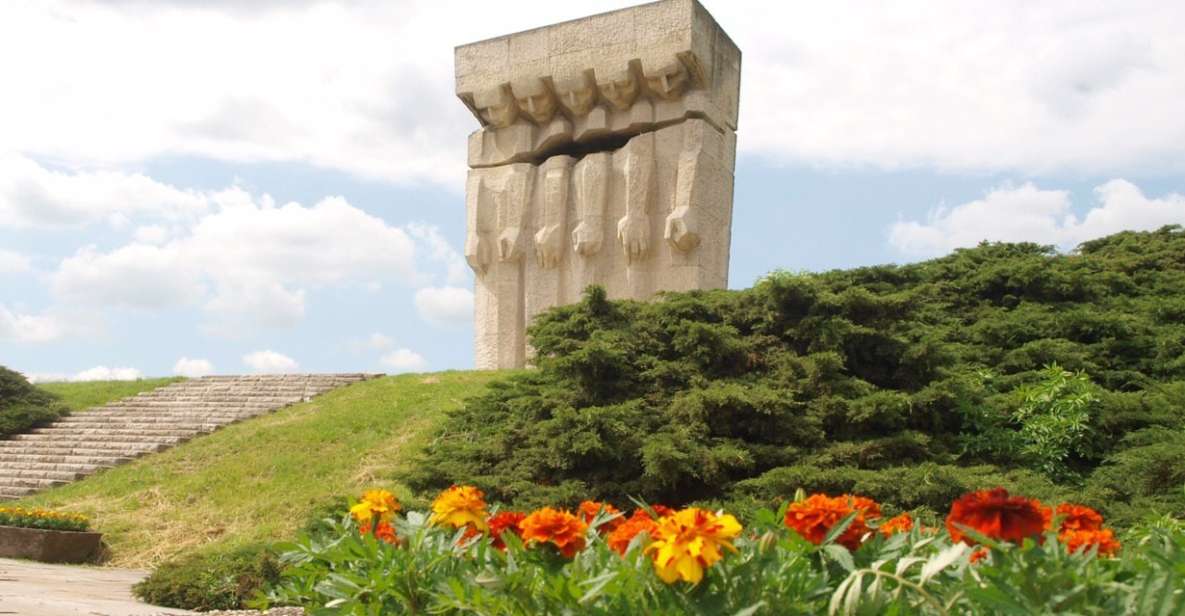
After the museum, you’ll head to Krakow-Plaszow Concentration Camp in the southern suburbs. This isn’t a themed set with recreated buildings to wander through. It’s a real memorial area, with remnants of facilities and a guided explanation of camp life.
Here’s the key historical arc you’ll hear during the tour:
- Plaszow opened in 1940 and was planned as a forced labor camp
- in 1941, it was expanded and converted into a concentration camp
- from 1942 onward, deportations of Jews from the Krakow Ghetto began
That timeline matters because Plaszow wasn’t static. The purpose shifted, the system intensified, and the human cost grew. A good guide keeps those changes clear instead of letting the site blend into one long, generic horror story.
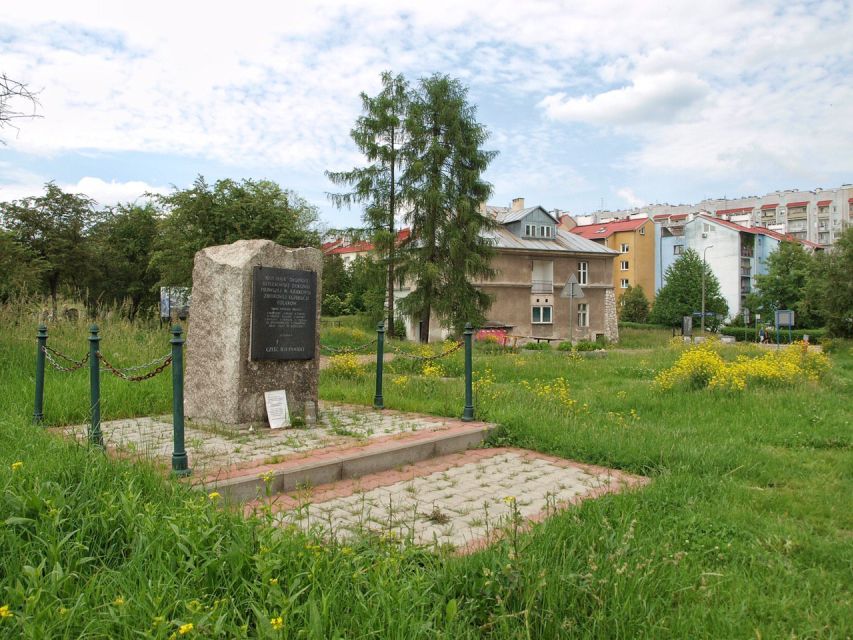
What you’ll physically see is also shaped by what happened later. The camp area, as described, was destroyed by the Germans, so the original facilities aren’t standing as full structures. Instead, you’ll rely on remnants and on photos displayed on placards to understand what the camp looked like.
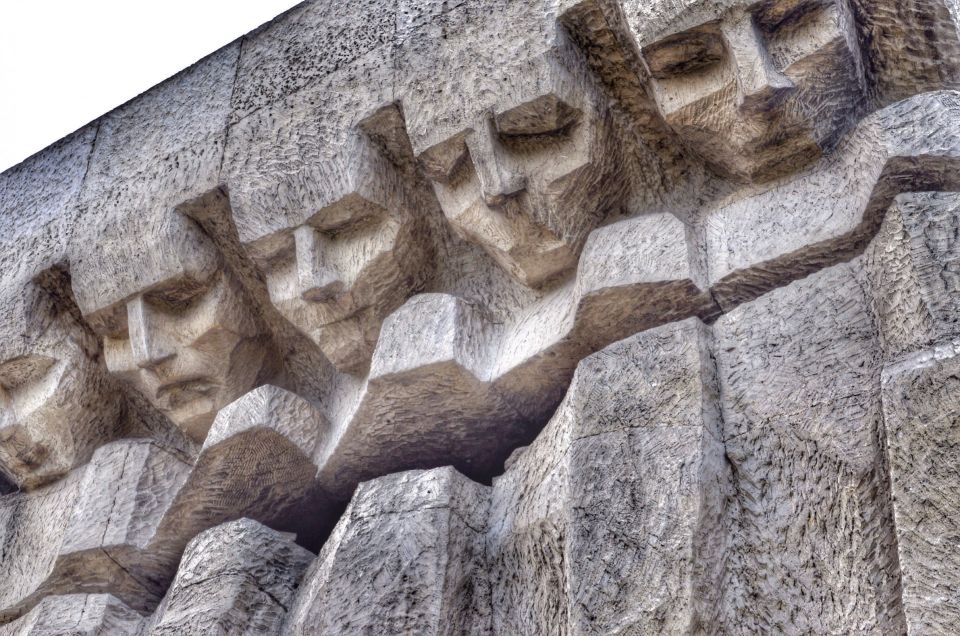
Then comes the memorial component. Today, the Plaszow area consists of sparsely wooded hills and fields. And there’s one major memorial to all victims, erected in 1964. That combination—open space plus a central memorial—changes how you process the information. It can feel more difficult than a walled-in site because your brain has more room to imagine what used to be there.
The guide also points out monuments and memorials around the area. This is not just about seeing the place. It’s about remembering the victims at Plaszow and understanding how the site now functions as remembrance and education.
Why the Liban Quarry replica matters (and where the story leaves gaps)
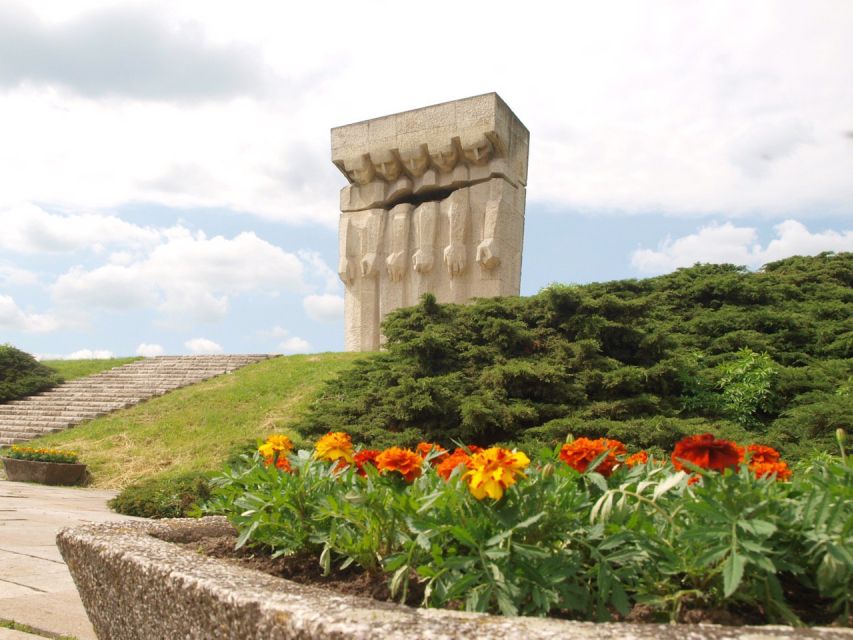
One of the most interesting context details you’ll hear is about Schindler’s List. Because the Plaszow area is now a nature preserve, a camp replica was built in Liban Quarry, a short distance away, for filming.
That might sound like trivia, but it actually helps you read the site more carefully. When you stand at Plaszow today, you’re in an area shaped by time, nature, and deliberate destruction of what the Nazis built. The replica in Liban Quarry shows how filmmakers created a visual language for the camp when the original structures weren’t available.
What you should take from this: don’t expect Plaszow to feel like a Hollywood reconstruction. Expect interpretation to do the heavy work. The combination of photos on placards, memorial monuments, and the guide’s explanation is meant to bridge what’s physically missing.
I also like that this tour prepares you for that limitation up front. If you arrive thinking you’ll be walking through intact camp buildings, you’ll feel disappointed. If you arrive understanding that the focus is remembrance and understanding, the site becomes more powerful, not less.
Timing, lunch break, and getting around without losing your place
This is a 5-hour guided experience with a strictly defined schedule. That word strictly matters in real life. At Schindler’s Factory, the museum does not admit late arrivals. Groups enter punctually at the appointed time, and the guide won’t be able to slow the group down to accommodate stragglers.
Plan your day so you arrive early at the meeting point in front of the museum entrance. Then, once you start, let the timing guide your priorities: you’re on the museum-to-camp route.
There is an optional lunch break in between the two major parts of the tour. It’s at your own expense. That’s a helpful middle setup because Plaszow is emotionally heavy and you don’t want to run on empty. Still, don’t count on lunch being provided. Bring a plan for food nearby, or choose something quick when the break happens.
On transport costs, you should budget for tram tickets—about 4 zł is mentioned. The tour does not include tram tickets, and the meeting end point returns you back to the starting area.
Weather matters too, since you’ll be spending time outdoors around the camp memorial grounds. Bring layers and wear shoes you can handle on uneven ground, since the area is hills and fields rather than a flat, paved museum courtyard.
Price and value: is $78 worth it for two sites in one day?
At $78 per person, you’re paying for two things that are hard to replicate on your own: guided context and time efficiency. The tour includes a professional guide and the entrance ticket to Schindler’s Factory Museum, and it also includes skip-the-line entry. That means you’re not separately figuring out museum logistics, and you’re not burning half your morning in check-in lines.
Then you add Plaszow. A guided visit there is not about ticking a box. It’s about getting the timeline and meaning explained while you stand at remnants and memorials—exactly where reading alone can feel confusing.
So where’s the value really coming from? From the handoff between locations. The factory museum gives you the story and occupation context. Plaszow gives you the physical system and its evolution. The guide connects them so you don’t end up with two unrelated stops.
There is one cost consideration: lunch and tram tickets aren’t included, so you should expect a bit of extra spend. But compared to the total experience—museum entry, two major guided sections, and skip-the-line entry—$78 tends to feel reasonable if you value structure and clarity.
Who should book this tour, and who might want a different pace
This tour is a strong fit if you want:
- English-language guidance that connects Schindler’s story to Nazi-occupied Krakow
- a guided tour of Plaszow Concentration Camp with explanation of camp life and memorials
- a tightly run day where you don’t have to plan two separate visits
It’s less ideal if you dislike strict timing. Because Schindler’s Factory doesn’t accept late arrivals, you need to be on time and ready to move as a group. If you prefer a slow, independent museum afternoon, you might find the pace too controlled.
Also, if you’re sensitive to heavy historical material, treat the emotional weight as part of the plan, not a surprise. This is a Holocaust-related site, and it’s designed for remembrance.
Should you book Schindler’s Factory & Plaszow in Krakow?
I think this is a book-worthy tour if you care about getting the story straight in the right places. The combination of skip-the-line access at Schindler’s Factory and a guided visit to Plaszow makes it efficient without turning it into a rushed checklist.
Look for this experience when you want: clear context, structured timing, and on-site explanation rather than self-guided wandering. If you’re the kind of traveler who likes understanding how places fit together, you’ll probably feel satisfied when you’re done.
If strict timing will stress you out, or you want total freedom to set your own pace, you may prefer a more flexible plan. But if you show up early, stay with the group, and come ready for a serious, well-framed education, this one earns its place on a Krakow itinerary.
FAQ
How long is the Schindler’s Factory & Plaszow guided tour?
It lasts about 5 hours.
Is there skip-the-line entry at Schindler’s Factory?
Yes. The tour includes skip-the-ticket-line entry to Schindler’s Factory Museum.
What’s included in the price?
You get a professional English-language guide and the entrance ticket to Schindler’s Factory Museum.
Is lunch included?
There’s an optional lunch break in between, but lunch is not included and is at your own expense.
Where do we meet for the tour?
You meet in front of the museum entrance at Oskar Schindler’s Enamel Factory. The guide will be holding a sign that says excursions.city.
Are tram tickets included?
No. Tram tickets are not included, and the tour notes tram costs of about 4 zł.