REVIEW · KRAKOW
Nowa Huta: Steelworks Administration Buildings/Shelters Tour
Book on GetYourGuide →Operated by eNHa Trip Nowa Huta tour · Bookable on GetYourGuide
Cold War architecture can still feel real.
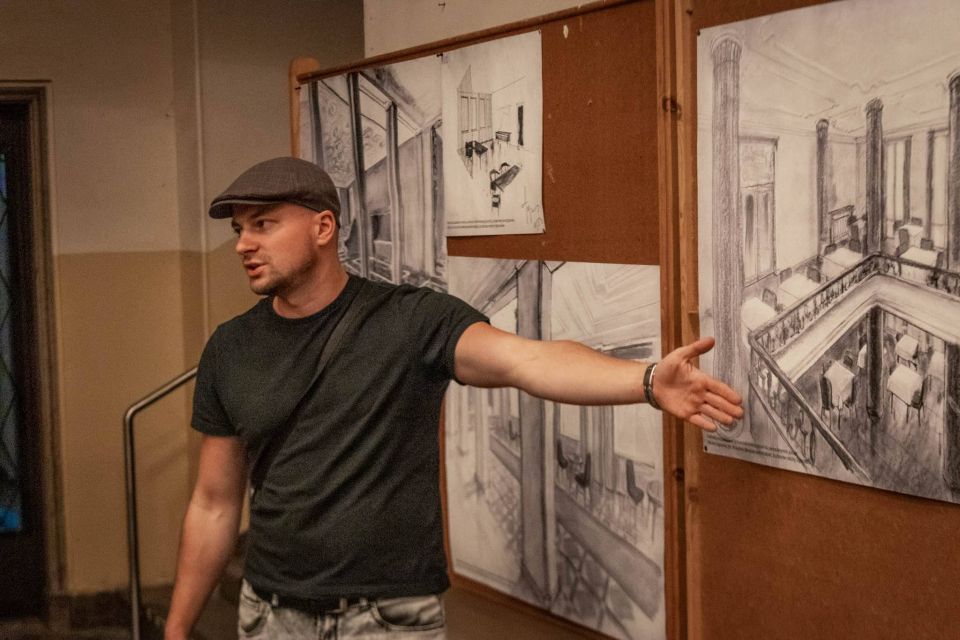
This guided Nowa Huta visit lets you step into Soviet-built steelworks administration buildings, and it also includes the bomb shelter route. Guides like Mateusz often bring the place to life with clear stories and a little humor, even in rooms left behind by history.
What I really love here is the chance to walk through office interiors that were designed to impress—marble-like finishes, director spaces, and engineer corners that still feel staged. I also like the underground side of the story: the tunnels and shelters show how authorities planned for a worst-case scenario.
One key consideration: the tour focuses on administration buildings and shelters, and it does not include entry to the operating part of the steelworks.
In This Review
- Key highlights to look for
- Nowa Huta as a Soviet-style city experiment (and why the steelworks matter)
- Getting to the gate: your meeting point near Kombinat
- Inside the steelworks administration buildings: offices built to impress
- The underground tunnel and the bomb shelter route
- Radio control rooms, the radio station, and those authentic tapes
- The workers building: theater hall and oval corner staircases
- Optional district add-on and vintage car photo time
- How the 1.5 hours usually works (and when it can feel fast)
- Value at $24: what you’re really paying for
- Who this tour is best for (and who should rethink it)
- Should you book this Nowa Huta steelworks administration and shelter tour?
- FAQ
- How much does the Nowa Huta Steelworks Administration Buildings/Shelters tour cost?
- How long is the tour?
- Where do I meet the guide, and how do I get there from Krakow?
- What’s included in the price?
- Does the tour include entry to the operating part of the steelworks?
- Is the tour suitable for wheelchair users or people with mobility impairments?
Key highlights to look for
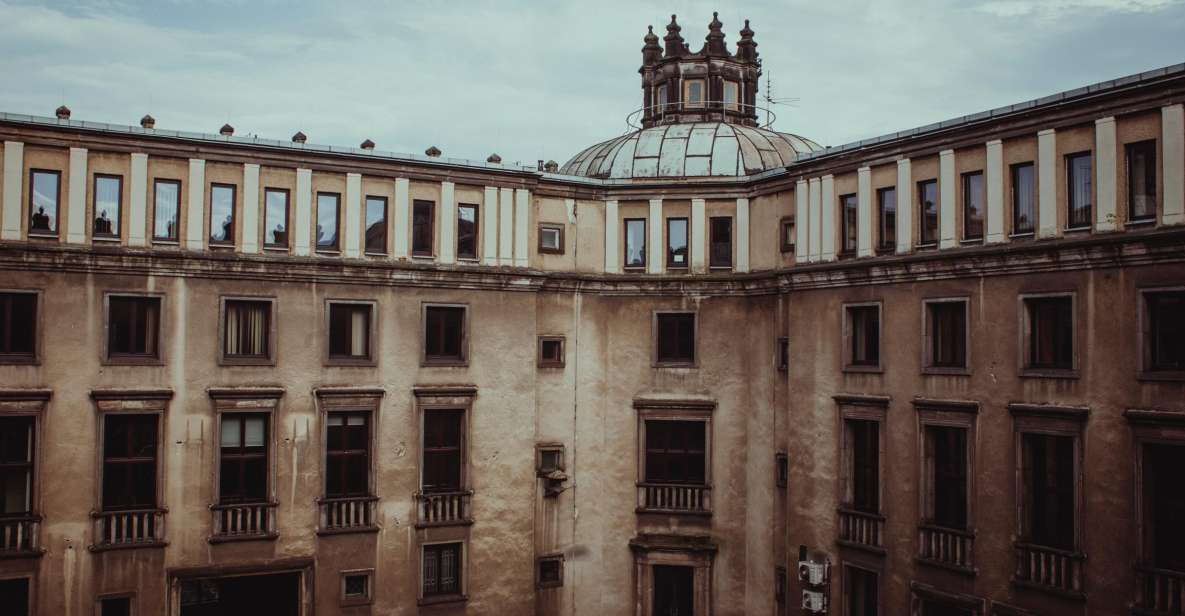
- Inside two nearly twin administration buildings with real office layouts
- Underground tunnel connection that links the buildings’ shelter areas
- Bomb shelters and an underground command center
- Radio control and radio station access, plus authentic tape recordings
- A workers theater hall that is still used today
- Optional vintage car photo time for a distinctly communist-era look
Nowa Huta as a Soviet-style city experiment (and why the steelworks matter)
Nowa Huta wasn’t built as a random industrial zone. It was designed as a model socialist district under Soviet influence, where daily life, work, and power were supposed to line up. The steelworks sat at the center of that idea, and the administration buildings you’ll see were part of the message: this was where decisions were made and where the system projected confidence.
The smartest way to think about this tour is as a look at the “brain” of the factory. You’re not only seeing industry—you’re seeing the rooms where leadership, engineering management, and communications all came together. That makes it especially interesting if you’re already visiting Krakow and want a side of Poland that feels very different from the old town.
You can also read our reviews of more tours and experiences in Krakow.
Getting to the gate: your meeting point near Kombinat
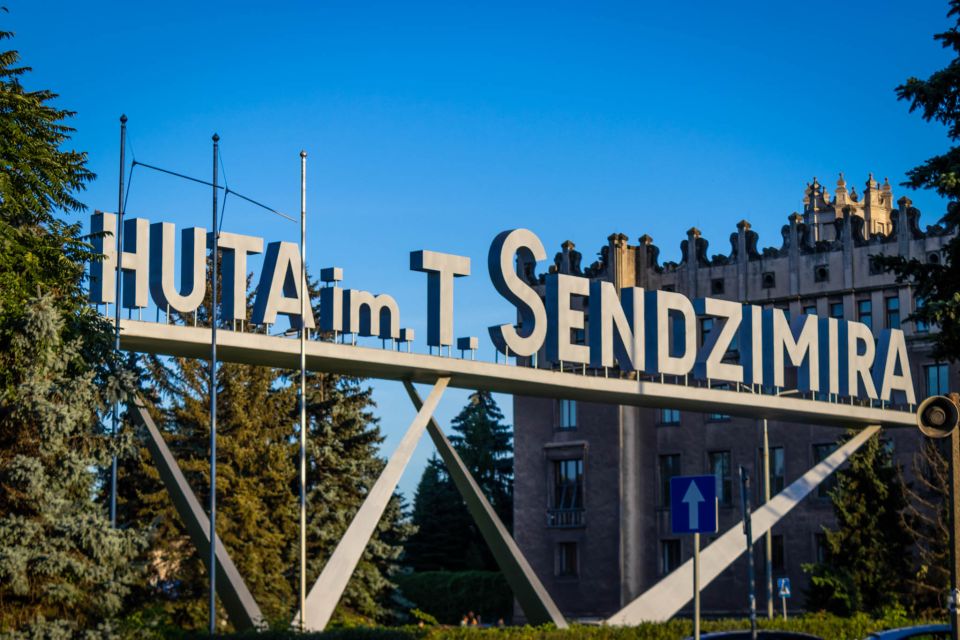
The tour starts at the Steel Mill building entrance main gate—the building on the left with the info point. That’s a clear landmark, and it helps you avoid the usual confusion when you’re traveling outside central Krakow.
If you’re coming from Krakow center, plan on public transit. You can take the tram or bus and exit at the Kombinat stop. From there, it’s a short walk to the gate area where your guide meets you.
The timing matters because the experience is structured and indoors/outdoors transitions can be quick. If you want photo stops, give yourself a few extra minutes at the meeting point so you don’t feel rushed.
Inside the steelworks administration buildings: offices built to impress
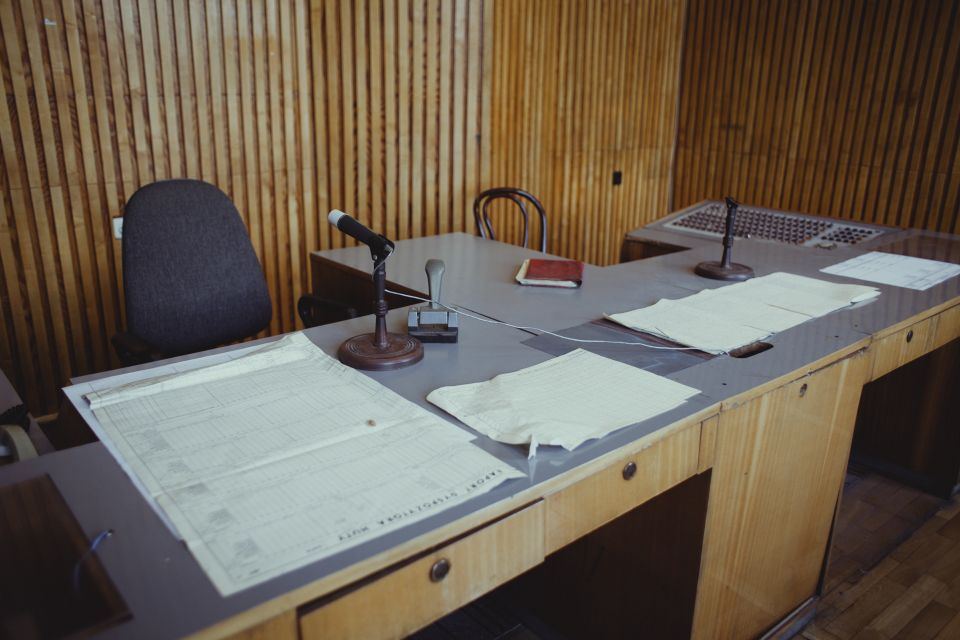
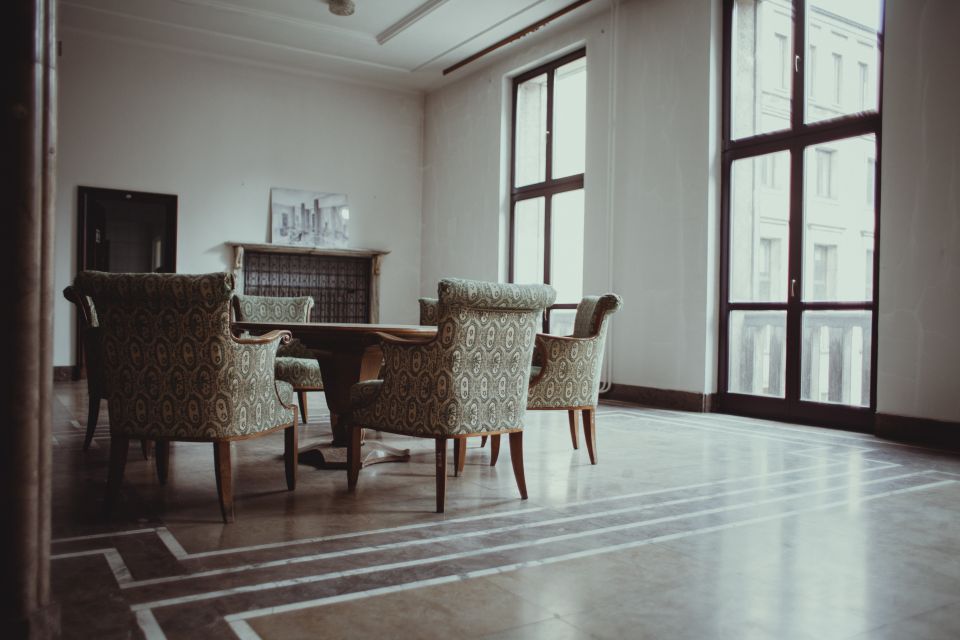
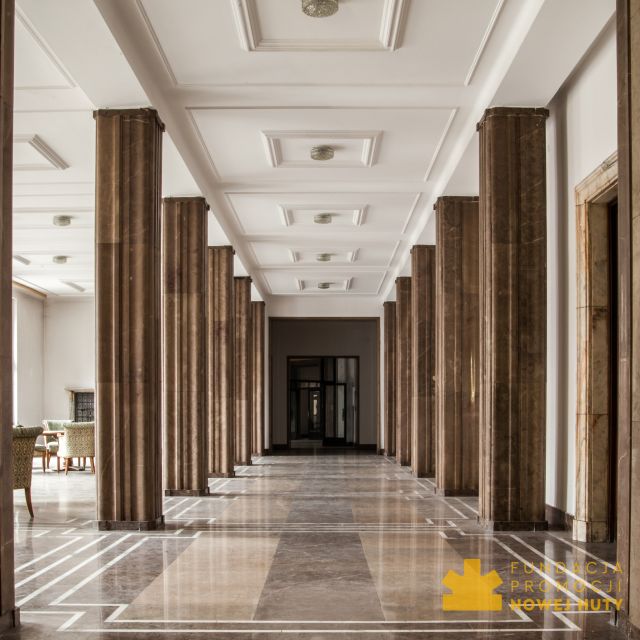
Once you’re in, the tour becomes a guided walk through rooms that still show how management wanted to look and function. You move through two almost twin buildings and learn how they differ—small contrasts that make the visit more than a simple repeat circuit.
A few interior details stand out from the tour experience:
- You’ll see a majestic entrance hall with a staircase style that resembles a Renaissance design.
- You’ll visit rooms where solid ornamental stones were used, aiming to satisfy the directors’ aesthetic tastes.
- You’ll get time in executive spaces, including director’s offices and engineer corner offices.
What this means for you: these aren’t generic museum rooms. They’re office interiors with a “worked-in” feeling—designed for authority, paperwork, meetings, and daily management. If you like architecture and material design, this part is the payoff. Even if you’re not a history fanatic, it’s visually interesting and very readable.
One practical note: this is not a slow gallery crawl. The flow is built to cover key rooms and then move you toward the shelter sections. If you’re the type who wants to linger in one office corner, pace yourself and ask questions as you go.
The underground tunnel and the bomb shelter route
After the administration spaces, the tour shifts tone. You go down into the underground areas and follow a route shaped by Cold War planning. The underground tunnel connecting the two buildings is part of the story—it’s how the system linked separate administrative sites to shared protection infrastructure.
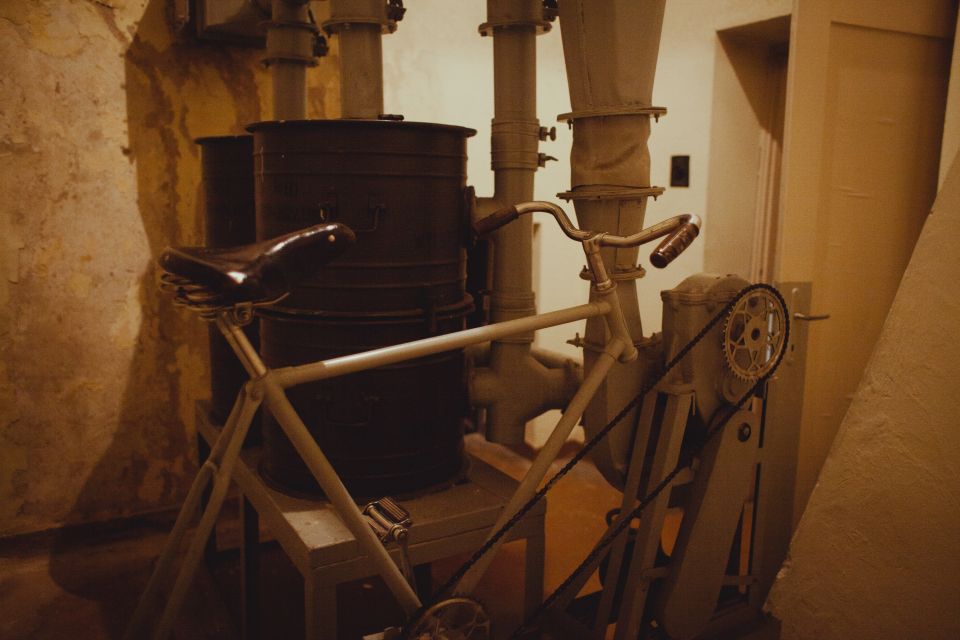
You’ll see how bomb shelters looked in the second half of the 1950s, including communication and command-style rooms. The atmosphere changes fast once you’re underground. Lighting and layout turn the visit into something more physical than reading placards.
This is also where the tour becomes emotionally direct. The point isn’t to scare you. It’s to show you how power prepared for crisis—how people imagined risk, where they expected to function, and how communication would keep running if the surface situation collapsed.
If you like Cold War history, this shelter portion is the part that helps the whole district make sense. The administration buildings become the “daytime” counterpart to the underground system.
Radio control rooms, the radio station, and those authentic tapes
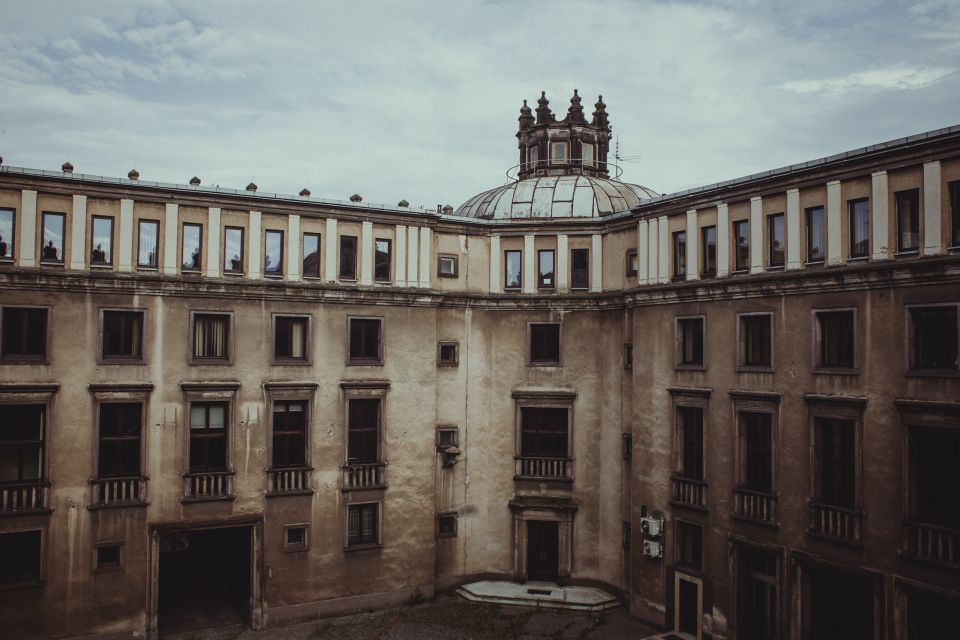
One of the most memorable elements is the communications angle. You’ll check out how the radio control room and radio station work, and you’ll be able to listen to authentic tapes recorded there.
That matters more than you might expect. In many Cold War stories, communication is mentioned as a concept. Here you experience it as an actual functioning environment—settings, equipment, and recorded material that connected the leadership structure to the wider world.
For you, this is the perfect section if you enjoy technology history or if you want something more specific than general political talk. It gives the tour a concrete theme: not just offices and shelters, but how information was managed and transmitted.
The workers building: theater hall and oval corner staircases
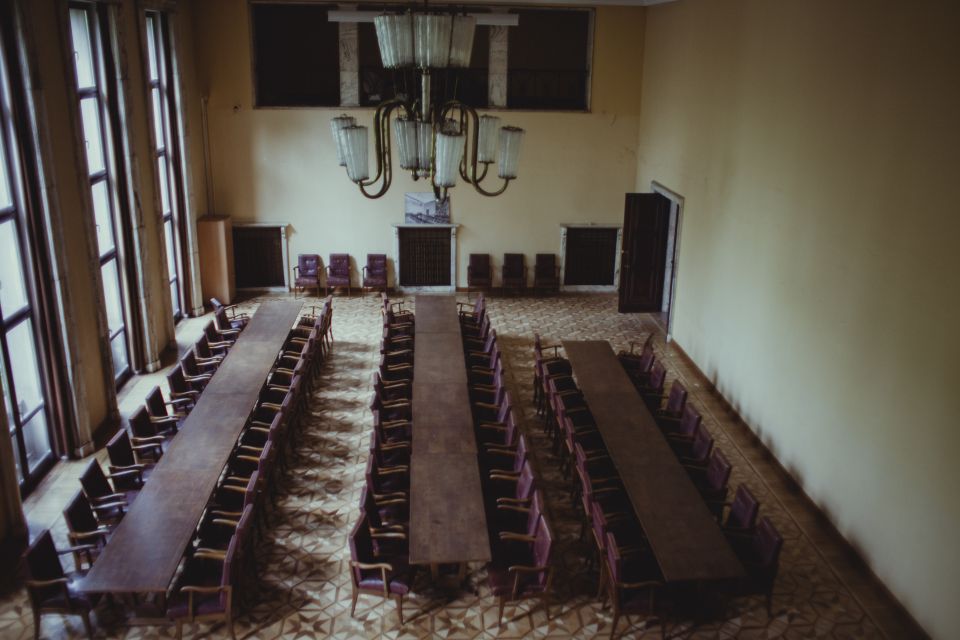
Not everything is bunker and management. You’ll also see a theater hall in the workers building, which is still used today. That’s a fascinating contrast: the same industrial complex that planned for disaster also made room for community life and performance.
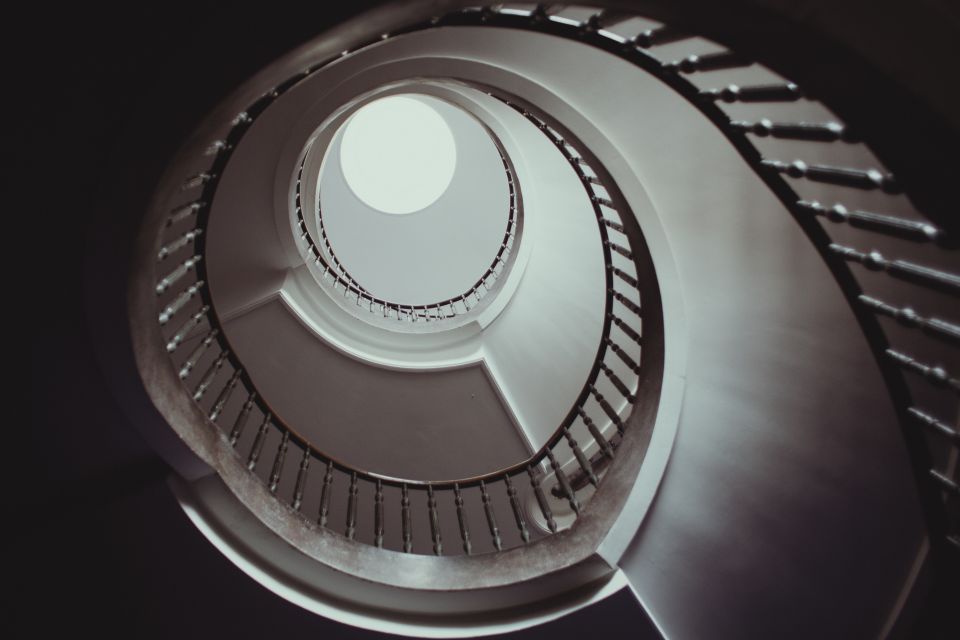
You’ll also visit one of the eight oval corner staircases located in both buildings. Staircases sound minor until you see them in context. In these structures, the stair design is part of how movement, visibility, and building identity were planned. It’s also one of those architectural features that helps you feel how the buildings were meant to operate daily.
If you’re the kind of traveler who likes “small details that make a big difference,” this is a strong stop. It turns the tour from a collection of rooms into a sense of how people moved, worked, and gathered in the district.
Optional district add-on and vintage car photo time
Two nice extras can enhance the experience depending on what you want from your Krakow day.
First, there’s an option to expand into a private sightseeing of the entire district with an experienced local guide. That’s ideal if you want to connect the steelworks interiors to the wider Nowa Huta layout—how the utopian city plan shows itself outside the buildings.
Second, there’s the option to add a vintage car segment for photos, including a communist-era car presentation. If you’re into photography, it’s a fun way to create a visual contrast between the preserved interiors and a period-style vehicle. Even if you only do a few photos, it adds a light, memorable moment without turning the tour into a gimmick.
How the 1.5 hours usually works (and when it can feel fast)
The tour runs about 1.5 hours. That’s a good length for this kind of site visit because you get enough time to see the major spaces—administration rooms plus shelter sections—without spending half a day coordinating transit and waiting around.
Still, keep your expectations realistic. This is not a slow “sit and read everything” experience. Rooms move quickly from executive offices to radio spaces to underground sections. If you’re asking lots of questions, the pacing can feel tight at times. If that’s you, plan to ask key questions at the moments they naturally come up—like during the radio segment or right after you see shelter rooms.
The upside: you leave with a clear story arc. The district moves from ideology and power on the surface to communication and protection below.
Value at $24: what you’re really paying for
At $24 per person, this tour prices itself as an accessible way into a place that normally wouldn’t be on your standard tourist map. The value is not just that it’s “cheap” or “affordable.” It’s that it includes access to interiors and underground spaces that feel private and rarely open in the ordinary sense.
What you’re getting for the money:
- Guided access to the steelworks administration buildings and shelters
- An English-speaking guide
- Photo time with a communist-era car presentation
- Optional vintage car add-on if you choose it
The main tradeoff is exactly what you’d expect for a short guided experience: the operating part of the steelworks is not included. If your main goal is to see current industrial production up close, you’ll need a different plan. But if your goal is to understand the system—how it looked, how it governed, and how it prepared—this tour is well aligned.
Who this tour is best for (and who should rethink it)
This is a strong fit if you:
- Want a side trip from Krakow that’s about the 20th century, Soviet influence, and Cold War realities
- Like architecture that shows intention—staircases, entrance halls, office layout design
- Enjoy technical history, especially communications and radio equipment
- Care about going somewhere with fewer tourists than the old town circuit
You might think twice if:
- You’re expecting to tour active production lines. Entry to the operating part isn’t part of this experience.
- You need wheelchair access or have mobility limitations. The tour isn’t suitable for wheelchair users or people with mobility impairments.
For most people who can manage indoor stairways and underground spaces, it’s a focused, high-impact visit that doesn’t waste time.
Should you book this Nowa Huta steelworks administration and shelter tour?
I’d book it if you want your Krakow trip to include a real contrast: not just beautiful old streets, but a district built around Soviet industrial ideology. The combination of administration interiors, bomb shelters, underground communication spaces, and the radio-tape segment gives the experience a strong, coherent theme.
I’d only skip or replace it if your top priority is live steel production views, or if accessibility needs make underground and stair-based routing difficult. Otherwise, this is one of the most practical ways to see the inner workings of Nowa Huta beyond street-level impressions.
If you’re even mildly curious about Cold War Poland, plan for it. It’s the kind of tour where the rooms do most of the talking.
FAQ
How much does the Nowa Huta Steelworks Administration Buildings/Shelters tour cost?
It costs $24 per person.
How long is the tour?
The duration is about 1.5 hours.
Where do I meet the guide, and how do I get there from Krakow?
Meet your guide at the Steel Mill building entrance main gate, the building on the left with the info point. From Krakow center, you can take the tram or bus and get off at the Kombinat stop.
What’s included in the price?
Included are the guided tour of the steelworks buildings and its shelter, an English-speaking guide, and a communist era car presentation for photos. If you select the option, you also get a tour in a vintage car.
Does the tour include entry to the operating part of the steelworks?
No. Entry to the operating part of the steelworks is not included.
Is the tour suitable for wheelchair users or people with mobility impairments?
No. It is listed as not suitable for wheelchair users and people with mobility impairments.