Silesian brickwork tells a story. Nikiszowiec Industrial District is one of those places where architecture and working life sit side-by-side, and the walking route makes that obvious fast. I like that you don’t just see buildings; you get the human map of how this district functioned.
What I love most is the way the tour connects planning to daily routine: portals, quarters, gardens, and the rhythm of life around the coal industry. A second big plus is the guide’s presentation—many people point to Malwina’s strong explanations, which makes the history feel clear instead of like dates on a page.
One possible drawback: it’s a compact walking itinerary in an industrial neighborhood, so you’ll want decent shoes and patience if weather turns sour. The route also moves through several quick “look-and-learn” stops, so you won’t linger in one spot forever.
In This Review
- Key Highlights You’ll Actually Feel
- Nikiszowiec Feels Like Another Country Inside Poland
- Starting at Kościół pw. św. Anny: Quick Orientation, Big Tone
- Square of the Zillmanns: How Architects Shaped Life
- Liberation Square Portals and Nikiszowiec’s Quarters
- Historic Mining District: Gardens, Hard Work, and the Years of Upheaval
- The Silesian Embassy Stop: Autonomy, War, and Communism
- Pułaski Shaft Complex: The Former Mine and Its Railway
- Art as a Second Language: Akwarelami, Legends, and Murals
- The School Stop: A Small Pause with Context
- Museum of Katowice History: City Ethnology Interiors and Janów Group Art
- Price and Value: What $93.45 Buys You
- Timing Tips: How to Prepare for a Walk That Moves
- Who This Tour Suits Best
- Should You Book This Private Nikiszowiec Industrial Tour?
- FAQ
- How long is the Nikiszowiec Industrial District private tour?
- Where does the tour start and end?
- Is the tour private, and is it offered in English?
- What admissions are included?
- Is there a weather requirement?
- Is mobile ticketing used, and are service animals allowed?
Key Highlights You’ll Actually Feel
- A private, English-language route through the Nikiszowiec planning and mining story without crowd pressure
- Real “district design” orientation, from Liberation Square portals to how quarters were meant to work
- History across eras, including World War I, the Silesian Uprisings, interwar autonomy, World War II, and communism
- Industrial heritage you can picture, especially the Pułaski Shaft Complex and the former railway layout
- Art woven into place, from Silesian myth creatures to Janów Group-inspired murals and interiors
Nikiszowiec Feels Like Another Country Inside Poland
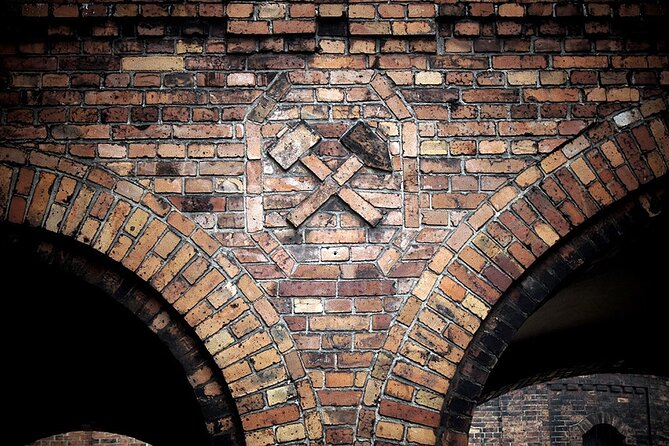
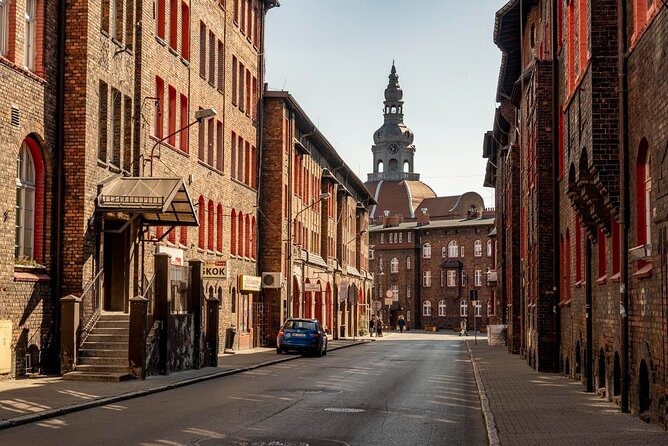
Nikiszowiec is in the Katowice area, but it doesn’t travel like the typical Poland postcard loop of Kraków or Warsaw. You’ll notice it right away: the district looks built for workers, and it still carries that practical, communal purpose. That’s why this tour works. The guide isn’t asking you to admire stone for the sake of it. They’re showing you how the whole system was meant to function.
I also like the balance here. You’re not stuck in heavy war chronology for the entire walk. You’ll get political shifts and uprisings, yes, but you’ll also see how everyday life was organized—where people lived, how spaces were divided, and what changed over time.
And if you’re even slightly curious about regional identity, you’re in the right place. Silesia doesn’t fit neatly into the easiest stereotypes about Poland, and this district gives you a grounded way to understand why.
You can also read our reviews of more private tours in Krakow


Starting at Kościół pw. św. Anny: Quick Orientation, Big Tone
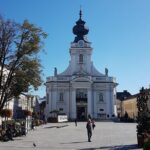
You meet at Kościół pw. św. Anny in Katowice (plac Wyzwolenia 21). The first stop is short—more of a warm-up than a deep visit. Still, it sets the tone. This church anchors the area in local religious life, and it helps you get oriented before you move into the industrial core.
The practical win: you arrive and immediately have a mental “start point” to build from. By the time you’re walking through Nikiszowiec, you’re not wandering. You’re following a story.
Admission is free at this early stop, so you’re not doing any ticket math before you’ve even started.
Square of the Zillmanns: How Architects Shaped Life
Next comes skwer Emila i Georga Zillmannów, the Square of the Zillmans. This is where the tour starts teaching you how to read the district. The guide explains the idea and architectural plan—why the neighborhood was laid out the way it was, and what the designers were trying to achieve.
It’s more important than it sounds. If you only walk through Nikiszowiec without this framework, the place can feel like “cool old buildings.” With the framework, it becomes a working model: how quarters relate to each other, what each zone was meant to do, and why the design shaped daily routines.
You’ll also pick up the names and roles behind the plan, which helps everything click later when you’re moving between sections.
Liberation Square Portals and Nikiszowiec’s Quarters
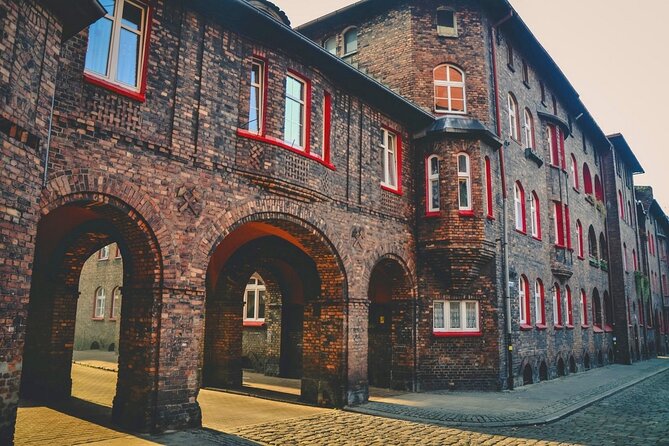
Then you move into Nikiszowiec proper, passing through common portals near Liberation Square. This is a key moment because portals and entrances are part of how the district functioned socially—shared thresholds that supported a close-knit working community.
After that, the guide walks you through the urban planning again, but more specifically this time. You learn about the division into quarters and the structure of buildings, and you get a sense of why the layout mattered to how people lived.
The tour keeps things moving: you’re not sitting for long stretches. Expect short explanations tied to what you can see immediately outside your eyes. That pacing helps this district’s layout make sense before fatigue sets in.
Historic Mining District: Gardens, Hard Work, and the Years of Upheaval
The longest stretch focuses on Nikiszowiec Historic Mining District, where you pass into the residential area and move through a few quarters. This part is the core “how did life work here?” section.
You’ll hear how daily life looked back when mining was the center of the economy, and how it looks now. That time comparison is one of the best uses of a private guide. You can stand in a spot that used to serve a purpose and hear what that purpose was—and then you see what replaced it or what still remains.
You also get a sense of interior gardens and the way they break up the district’s industrial seriousness with a more human scale. Even if you’re not the type who loves urban planning, these are the moments that stop the story from feeling like theory.
And yes, the history sharpens too. You cover what Nikiszowiec endured during World War I and through the Silesian Uprisings. That’s not just background. It helps you understand why the district’s identity is tied so tightly to regional struggle.
The Silesian Embassy Stop: Autonomy, War, and Communism
One of the more interesting thematic stops is Łukasz Kohut – Ślōnsko Ambasada, often framed like a “Silesian Embassy.” The point here is the interwar period—specifically, the Autonomous Region of Silesia and what autonomy meant on the ground.
From there, the guide connects the dots through World War II and then on to changes brought by communism. This is where you start feeling how political shifts don’t stay on paper. They change language, administration, daily life, and even how communities imagine themselves.
If you like history that has consequences you can still see in the built environment, this stop pays off. You’re not just hearing about events; you’re being shown why the region’s story has layers.
Pułaski Shaft Complex: The Former Mine and Its Railway
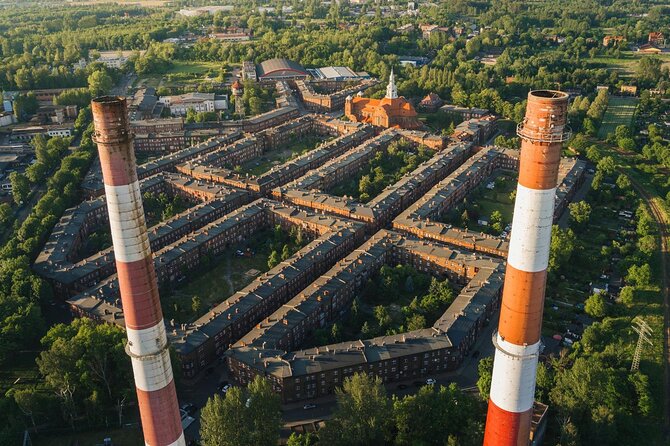
Next you pass Pułaski Shaft Complex, the former coal mine and a place of work for Nikiszowiec’s residents. This is the “industrial engine room” moment.
The guide explains the historic railway that used to transport industrial materials and people between industrial estates of Silesia. That detail matters because it turns the mine from a generic concept into an actual system—tracks, movement, and daily commuting patterns tied to industry.
You’ll likely find yourself looking for practical marks: where work would have happened, how the district linked to industry, and how “work life” was built into the neighborhood.
If you have any interest in industrial heritage, you’ll get a lot out of this stop. It’s also a solid place for photos because the machinery-and-industry vibe is visually strong.
Art as a Second Language: Akwarelami, Legends, and Murals
Not every history tour gives you art points that actually connect to the place. Here, you get art at multiple scales.
First is Grzegorz Chudy – Atelier z akwarelami. This stop centers on contemporary paintings of Nikiszowiec, Katowice, and the Silesian region. You’ll see how modern artists interpret the area, including Silesian legends and mythical creatures. It’s a reminder that regional identity isn’t only in old buildings and political documents—it also lives in stories people keep telling.
Then you head to Skwer Artystów Grupy Janowskiej, the square of Janów District artists. Expect colorful murals that are reproductions of works tied to top artists from Nikiszowiec. This stop feels like a bridge: from industrial past to how the district is remembered and reimagined today.
Even if you’re not an art person, this section is useful. It helps you understand the emotional tone of Silesia—not just the facts.
The School Stop: A Small Pause with Context
You also pass by Szkoła Podstawowa im. S. Żeromskiego 53, a historical Nikiszowiec school. The visit itself is brief, but it contributes to the overall picture.
Schools are how communities reproduce themselves. A mining district isn’t only about labor; it’s about raising kids who will grow up in the same structures—social, architectural, and political. Even a short stop like this gives your brain a “future” reference point in a tour that otherwise focuses on work and change.
Museum of Katowice History: City Ethnology Interiors and Janów Group Art
The final major stop is Museum of Katowice History – City Ethnology Department, where the admission is included. This is your “sit down and understand it” part.
You’ll see the interiors of a typical flat in Nikiszowiec, and that’s huge for making the district real. Exterior planning is one thing; interior living is where you really grasp how people experienced the space.
You’ll also admire original artworks of the Janów Group artists, depicting daily and festive life in Nikiszowiec. That helps you shift from what the district was built for to what it meant to live there—everyday rituals, celebrations, and the emotions behind them.
One particularly memorable element is the surrealistic artwork referred to as Silesian Slavador Dali. If you enjoy weird art that still ties to place, this will likely be a highlight.
Plan on about half an hour here. It’s long enough to absorb without turning the tour into a museum marathon.
Price and Value: What $93.45 Buys You
At $93.45 per person for roughly 2 hours 45 minutes, you’re paying for a private, English-language walking route plus a museum interior time with included admission.
The value equation is pretty straightforward:
- You get a private group experience, so you can move at a pace that fits your questions.
- You cover a full district story: planning, mining, wars/uprisings, political changes, and art.
- Most stops have free admission, and the museum stop is included, so you aren’t juggling extra ticket costs along the way.
Group discounts are mentioned too, which can make the price feel easier if you’re traveling with friends or family. The tour works best when you have at least a small group, but even solo travelers can get a lot from the format since the guide’s explanations shape what you see.
Timing Tips: How to Prepare for a Walk That Moves
This tour is designed with short stops and steady transitions. Early points are quick, then you get a longer block around the historic district, and later the route shifts into art and museum interiors.
A few practical notes:
- Wear comfortable shoes. This is an industrial district with streets you’ll be on your feet for.
- Bring a layer. Even in comfortable seasons, weather can change.
- If the weather isn’t good, the experience can be canceled and you’ll be offered another date or a refund. Plan flexibility in your Kraków/Katowice day so you don’t feel trapped.
The meeting point is clear and central: plac Wyzwolenia 21 at the church. From there, the tour stays in an area you can reach on foot and by local transit.
Who This Tour Suits Best
This is a strong fit if you like:
- History that explains how people lived, not just what happened
- Regional identity, especially Silesia’s layered political story
- Industrial heritage and architecture tied to real work
- Art that connects to place, not art in a vacuum
It’s also a nice option for families. One of the highlights from people who took the tour was that it works well for kids, partly because the route is varied: you’re not stuck only on buildings or only on dates.
If you want a strictly museum-only day with lots of sitting and ticket lines, this might feel too active. But if you want a guided “walk and learn” that ends with a meaningful interior museum stop, it’s a good match.
Should You Book This Private Nikiszowiec Industrial Tour?
If you’re visiting the Katowice area and you want something more distinctive than the usual major-city routine, I’d book it. The biggest reason is the way the tour links design + daily life + political change in a way that makes sense while you’re walking.
Also, the guide quality matters here. The feedback you’ll see around this tour consistently centers on strong knowledge and clear presentation, with Malwina specifically called out as a top guide. That’s not a small detail—good guiding is the difference between seeing old buildings and truly understanding why Nikiszowiec matters.
One last check before you decide: if you’re sensitive to cold rain or you hate walking between multiple short stops, plan your day with weather in mind. Otherwise, this is exactly the kind of focused, story-driven experience that makes regional travel feel personal.
FAQ
How long is the Nikiszowiec Industrial District private tour?
It runs about 2 hours 45 minutes (approximately).
Where does the tour start and end?
The meeting point is Kościół pw. św. Anny w Katowicach, plac Wyzwolenia 21, 40-423 Katowice, Poland, and the tour ends back at the meeting point.
Is the tour private, and is it offered in English?
Yes, it’s a private tour/activity where only your group participates. It’s offered in English.
What admissions are included?
Admission is free at the church and the outdoor stops. The Museum of Katowice History, City Ethnology Department has admission included.
Is there a weather requirement?
Yes. The experience requires good weather, and if it’s canceled due to poor weather, you’ll be offered a different date or a full refund.
Is mobile ticketing used, and are service animals allowed?
A mobile ticket is used, and service animals are allowed.