REVIEW · KRAKOW
Łagiewniki-Sanctuary of Divine Mercy and John Paul II
Book on GetYourGuide →Operated by Jordan Group · Bookable on GetYourGuide
If you like faith with context, this tour fits. You’ll start with the Sanctuary of Divine Mercy tied to St. Faustina Kowalska’s message of God’s love and forgiveness, including her tomb and a modern basilica space for prayer. I especially like the way the guide keeps the story clear, and how the day layers in both shrines without turning it into a race. The one watch-out: food and drinks aren’t included, so plan something before or after.
You’ll get a smooth, guided flow built around time in the sanctuaries plus a stop at the observation tower for a change of pace. In some groups, guides like Alexandra (and Oleksandra on other departures) are praised for answering questions and not rushing you, which matters here because these are places people often want to take slowly.
In This Review
- Key points before you go
- How the 5-hour pacing works from Kraków
- Sanctuary of Divine Mercy: Faustina’s tomb and the feeling of the basilica
- Museum of Saint Faustina: making the devotion make sense
- The short ride to John Paul II’s sanctuary and Have No Fear
- Inside the Have No Fear Center: church, exhibits, and the context piece
- Observation tower time: a quick reset with a better sense of place
- Price and value: is $122 per person fair?
- Who this tour suits best (and where it might not)
- Should you book Łagiewniki and John Paul II?
- FAQ
- Where does the tour pickup and drop off happen?
- How long is the experience?
- What’s included in the tour price?
- Are food and drinks included?
- Which languages are available for the live guide?
- Is there a guided tour or is it self-guided?
- Can I cancel for a full refund?
- Can I reserve without paying right away?
Key points before you go
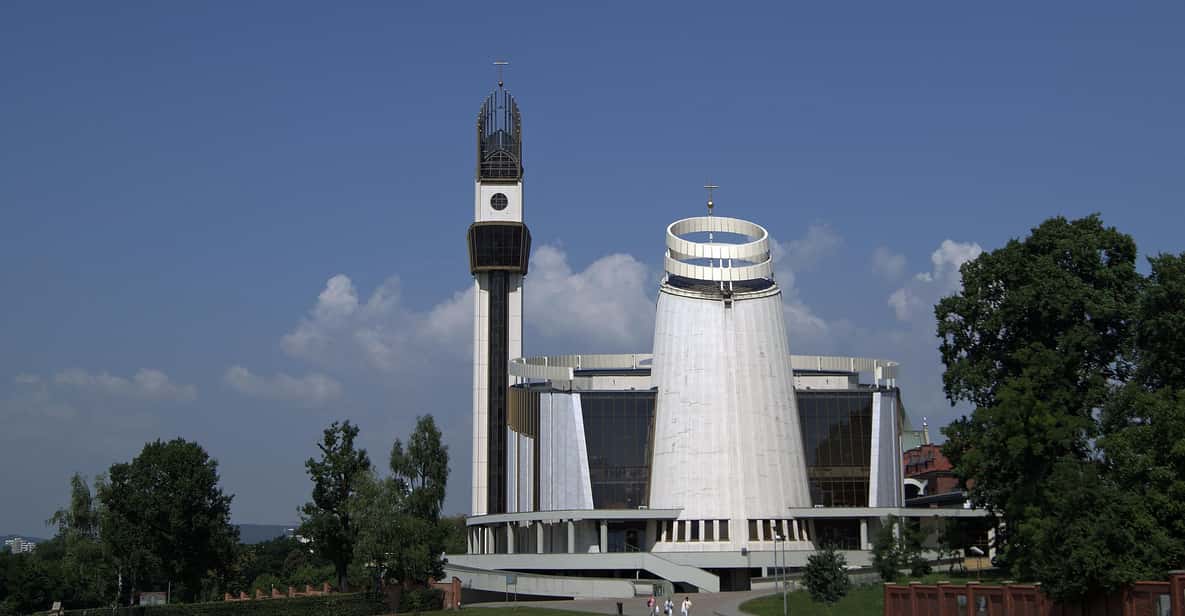
- Faustina’s tomb and the message of Divine Mercy are central, with time for prayer and reflection.
- A guided format helps you connect the dots instead of just reading signs.
- John Paul II at Have No Fear adds a second layer through the pope’s church and exhibits.
- Observation tower time gives you a break from indoor spaces and helps you orient quickly.
- Small-time package from Kraków: about 5 hours total, so it’s doable even on a packed trip.
How the 5-hour pacing works from Kraków
This is a short, focused day: pickup in Kraków, then shrine time, and back to Kraków. The overall duration is 5 hours, with a guided portion that effectively lets you see the key parts without losing the plot. It also means you’re not spending half your day traveling on your own.
A nice detail is that you’re not just dropped off. This is set up with hotel pickup and drop-off, plus transportation and a live guide. That’s a practical win if you’d rather spend your energy inside the sanctuaries than figuring out schedules, parking, or how long things take.
The day is also structured so you don’t have to choose between sites. You get both the Divine Mercy sanctuary complex and the John Paul II sanctuary area in one go—useful if this is on your “must-see” list.
You can also read our reviews of more tours and experiences in Krakow.
Sanctuary of Divine Mercy: Faustina’s tomb and the feeling of the basilica
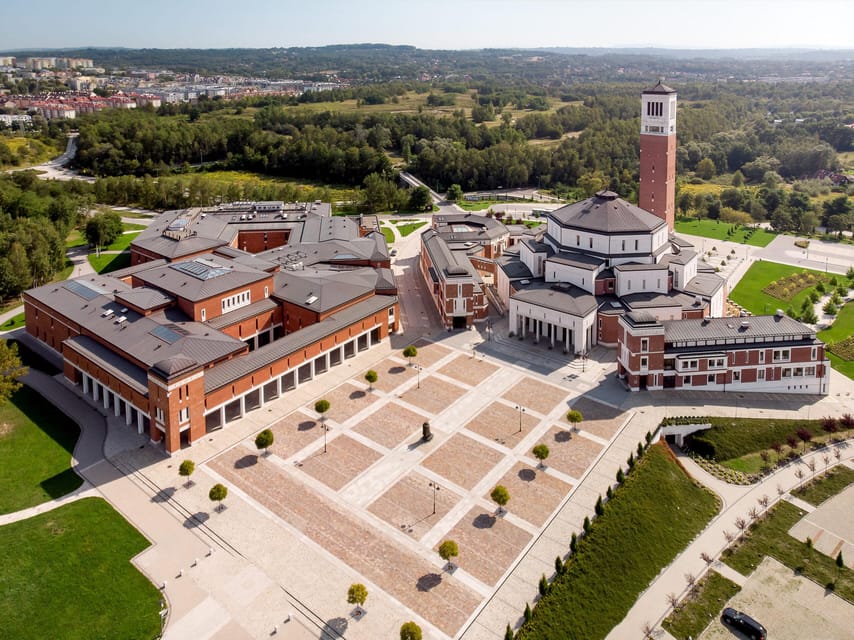
The day’s first major stop is the Sanctuary of Divine Mercy, closely tied to the life and mission of Saint Faustina Kowalska. The big draw is St. Faustina’s tomb. In practical terms, it’s the kind of focal point that changes how you move through the space—you tend to pause, look, and shift from sightseeing mode into reflection mode.
Here’s what makes this stop meaningful beyond the visuals. The sanctuary is linked to St. Faustina’s visions of Jesus and the message of Divine Mercy. With a guide, you’ll understand what the devotion is pointing to: God’s boundless love and forgiveness. That matters, because otherwise you can walk through beautiful sacred buildings and still miss why people come back year after year.
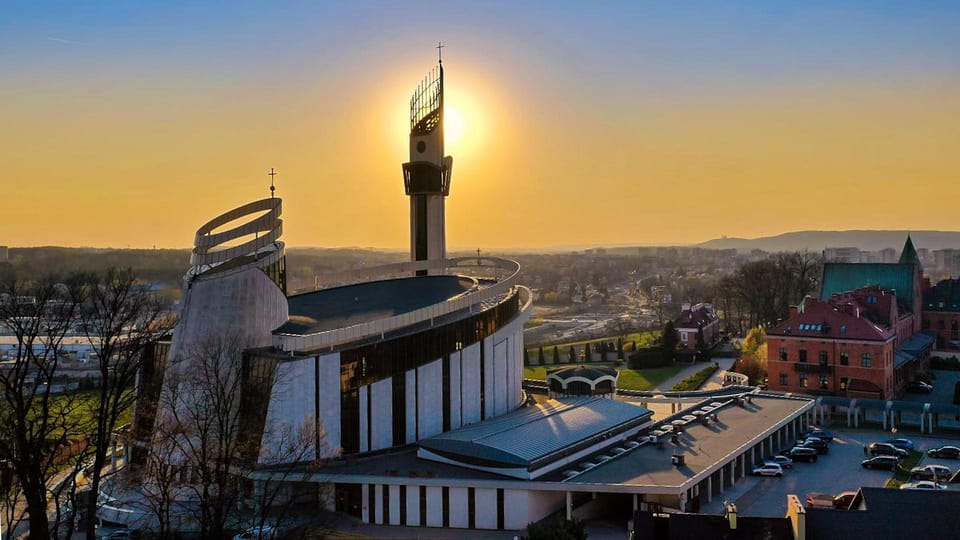
The main basilica is described as modern in design, yet it still carries a tranquil sense of sacred history. That contrast is part of the appeal. You’re not only looking at traditional church imagery—you’re experiencing a space that feels designed for today while still honoring the spiritual story.
If you’re someone who likes to ask questions (or just needs the guide to explain what you’re seeing), this is the kind of tour where that works. In at least one example, Doris liked that her guide catered to her pace and didn’t rush her—exactly what you want in a place where silence and attention are part of the point.
Museum of Saint Faustina: making the devotion make sense
After the sanctuary’s main focus, you’ll visit the Museum of Saint Faustina. I like adding museum time because it turns a religious visit from purely emotional into understandable. You’re still in a spiritual setting, but you also get the background that helps the symbols and the message land.
You’ll be seeing items and context connected to St. Faustina’s role in the Divine Mercy devotion. Even if you’re not deeply familiar with her story, the guide helps connect the dots so you’re not stuck translating the experience yourself.
One practical upside of the guided approach: museum space can feel slow or confusing if you don’t know what to look for. With a live guide, you get direction on what’s important and what each part is trying to communicate.
The short ride to John Paul II’s sanctuary and Have No Fear
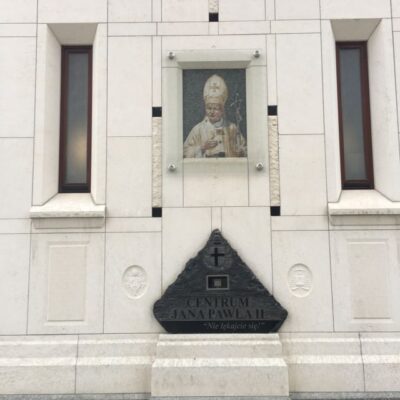
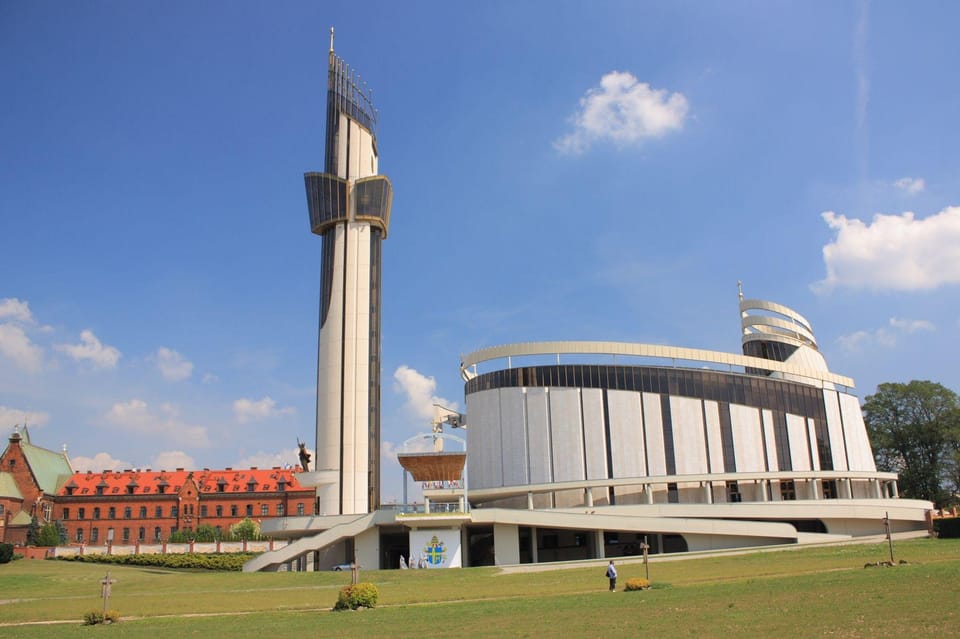
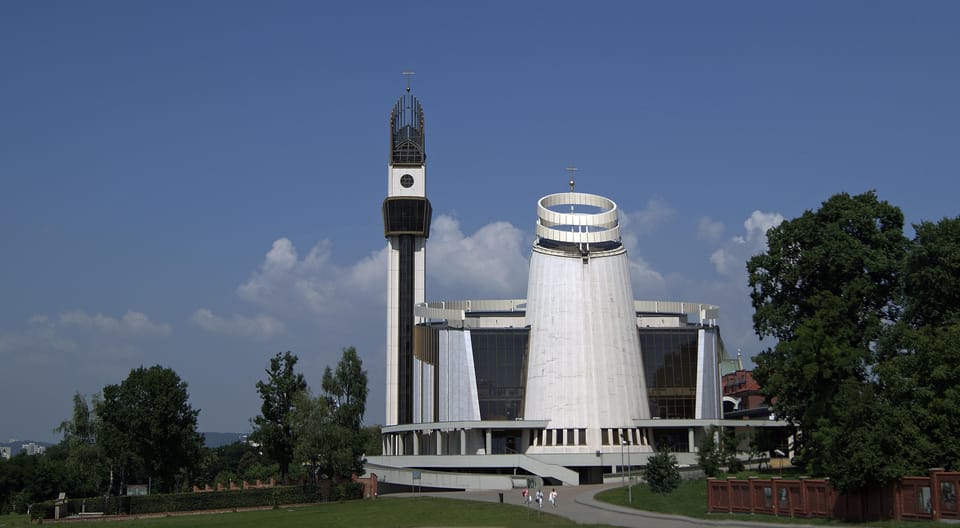
Next comes a short trip to the Sanctuary of St. John Paul II. The tour doesn’t treat this as a second, unrelated stop. It’s connected to the pope’s legacy through the Have No Fear! Center, which includes a church, museum, and exhibits.
This is where you get variety in tone. St. Faustina’s sanctuary is centered on Divine Mercy and prayer, while the John Paul II site tends to feel like reflection plus education—more about his life, teachings, and key moments of his papacy.
The description also notes the architecture blends modernity with traditional elements. That’s a useful detail because it mirrors what you’re already experiencing at Divine Mercy: a sense that sacred spaces can be contemporary and still carry deep meaning.
If you care about the Church as a living story—one that moves through different figures—this pairing makes sense. You’re not just ticking boxes. You’re watching how one devotion thread (mercy and forgiveness) sits alongside another Catholic story thread (a pope’s mission and courage).
Inside the Have No Fear Center: church, exhibits, and the context piece
At Have No Fear, you’re not only walking through a shrine. You’re moving through a set of spaces designed to explain why John Paul II matters. The center includes exhibits and a museum, which gives you a structured way to understand his impact on the Church and the world.
I like this for travelers who want more than a photo stop. When the guide has good answers, you come away with a clearer sense of what John Paul II was about—especially because his story can be too big to grasp without a bit of direction.
In one example, Carla’s group with Oleksandra was praised for showing different places before reaching the shrines and for making sure they saw what was important once there. That’s the kind of pacing that helps you avoid the classic problem: arriving, scanning quickly, then feeling like you missed the point.
Observation tower time: a quick reset with a better sense of place
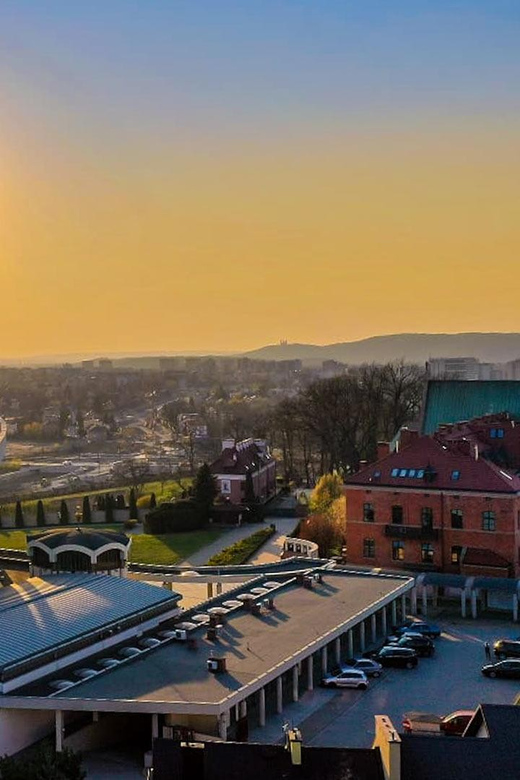
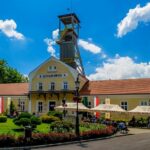
Between or after the sanctuary visits, you’ll have sightseeing time at the observation tower. I’m a fan of this kind of break because it helps you reset. Indoor sacred spaces often slow your body down. The tower gives your eyes a new job.
Even if you’re focused on spiritual meaning, getting a wider view can help you understand how the sanctuary complex sits in the area. It also gives you time to look around without needing to read every label or listen to every explanation.
Practically, it’s a good moment for photos, but more importantly, it helps you re-orient. When you’re done, you usually feel calmer for the final stretch of the day.
Price and value: is $122 per person fair?
At $122 per person for a 5-hour guided experience, the value comes from what’s bundled in. You’re paying for transportation from Kraków, a live guide, and multiple site visits—plus observation tower time and museum entries tied to the shrines.
If you tried to do this on your own, the math gets tricky fast. You’d still need transport, and you’d spend time figuring out timing between places. Here, the schedule is built around the key locations, which is often what makes tours worth it for day trips: less friction, more time on-site.
The fact that you get guided explanation in several languages is also part of the value. Options include English, Polish, Ukrainian, and Russian, which means the tour is designed for different travelers without forcing everyone into one language.
The cost can still be a decision-point if you’re on a strict budget or if you prefer solo touring. In that case, you might feel the price is paying for convenience more than for content. But if you want context and want your questions answered, $122 starts to look reasonable for the time you gain.
Who this tour suits best (and where it might not)
This is a strong fit if you want a structured day focused on two specific spiritual destinations. It’s also ideal if you like guided interpretation, especially for religious sites where symbols and background matter.
You’ll likely enjoy it most if you can appreciate slower, reflective spaces but still want to see everything in one outing. The pacing, pickup/drop-off, and guided museum time make it easier to do without burning energy.
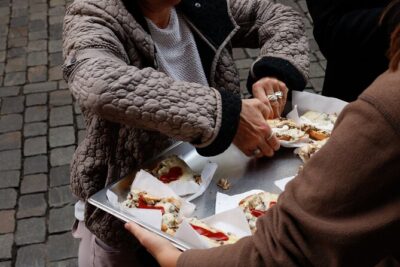
The main drawback is the same issue that affects many shrine days: there’s no food included. If you’re the type who needs a proper meal in the middle of the day, plan your timing so you’re not hungry while you’re meant to be focused.
Also, since the visit is time-limited, this isn’t for you if you want to spend half a day at each location with no structure. It’s more about seeing the essentials with guidance than about lingering for hours on end.
Should you book Łagiewniki and John Paul II?
Yes, I’d book this if your priority is a guided day that connects Divine Mercy and John Paul II’s legacy in a single 5-hour package. The best reason is the combination: shrine time with St. Faustina and a second layer at Have No Fear, plus observation tower sightseeing to balance the schedule.
If you’re deciding between doing this yourself versus joining a group, choose the tour if you’d like a guide to steer you toward what matters and if you want hotel pickup and drop-off from Kraków. Choose something else if you mainly want total freedom or you’re sensitive to not having food on the day.
FAQ
Where does the tour pickup and drop off happen?
Pickup and return are in Kraków.
How long is the experience?
The total duration is 5 hours.
What’s included in the tour price?
Transportation, a live guide, a visit to the Observation Tower, a visit to the Museum of Saint Faustina, and visits to the Sanctuary of Divine Mercy are included.
Are food and drinks included?
No. Food and drinks are not included.
Which languages are available for the live guide?
The live guide is offered in English, Polish, Ukrainian, and Russian.
Is there a guided tour or is it self-guided?
It includes a live guided tour.
Can I cancel for a full refund?
Yes. You can cancel up to 24 hours in advance for a full refund.
Can I reserve without paying right away?
Yes. The option is reserve now & pay later.