REVIEW · WIELICZKA
Krakow: Schindler’s Factory, Jewish Ghetto & Salt Mine Tour
Book on GetYourGuide →Operated by INTERCRAC Ltd. · Bookable on GetYourGuide
One day, three heavy stops. This tour is interesting because it connects the story of Schindler’s Factory, the physical remnants of the Jewish Ghetto in Podgórze, and the otherworldly underground world of Wieliczka Salt Mine in a single schedule.
I especially love the live museum guide at Schindler’s Factory. It turns the headlines into a clear, human story, and you get context while you’re standing in the space tied to Schindler’s List. I also like the small group size (limited to 15), which keeps the pace manageable when the subject matter is emotionally demanding.
The main drawback to consider is the intensity: you’ll spend one full day on World War II sites, plus a full mine route. If you’re sensitive to heavy history, plan for a slower evening afterward.
In This Review
- Key points before you go
- Schindler’s Factory Museum with an English guide (and real story context)
- Podgórze and the Jewish Ghetto sites: walls, pharmacy details, and the Empty Chair
- Timing, transport, and why punctuality affects the whole day
- Wieliczka Salt Mine: 700 years down, then 3+ km of halls
- The microclimate, sanatorium story, and what “curative” means here
- Price and value: $136 for three major sites in one tight day
- Who should book this tour (and who might prefer something else)
- Should you book Krakow: Schindler’s Factory, Jewish Ghetto & Salt Mine Tour?
- FAQ
- What languages are offered on this tour?
- How long is the tour?
- How many people are in the group?
- What’s included in the price?
- Is food included?
- Where do I meet the guide?
- Is the salt mine visit guided?
- What if I arrive late to Schindler’s Factory?
Key points before you go
- English live guide at Schindler’s Factory to make the museum story make sense quickly
- Podgórze walking route through real ghetto-era traces like the wall section and Under the Eagle pharmacy
- Empty Chair Monument at Heroes’ Square with a clear visual reminder of 68 chairs
- Wieliczka Salt Mine self-paced time after the drive, so you can move at your own rhythm
- Major underground highlights like St. Kinga’s Church, plus a route over 3 km and more than 20 halls
Schindler’s Factory Museum with an English guide (and real story context)
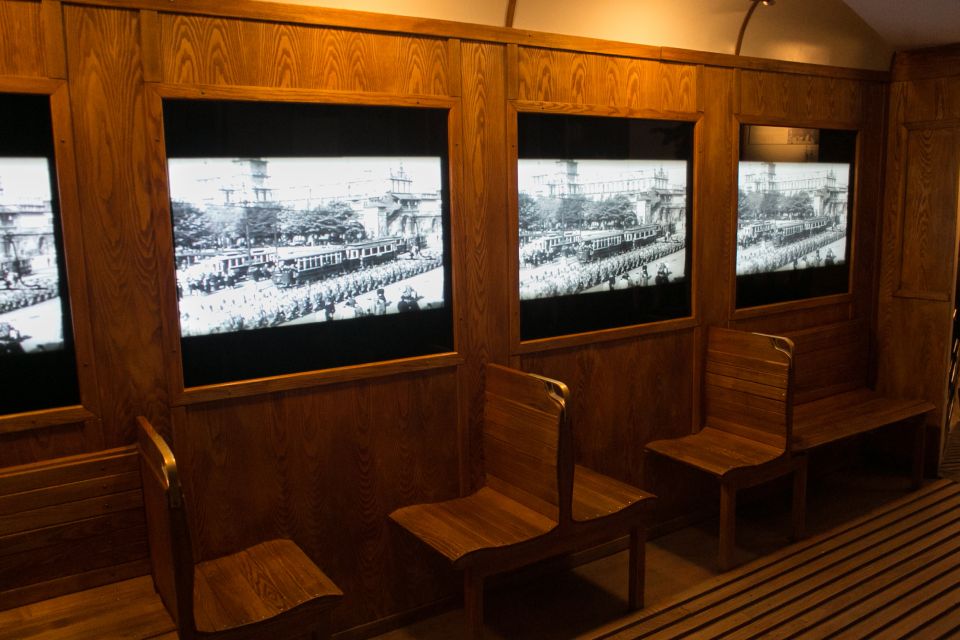
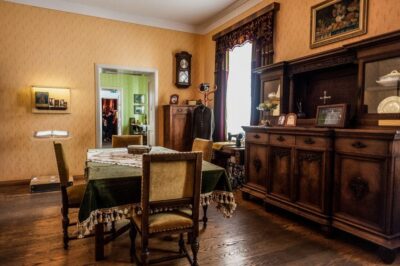
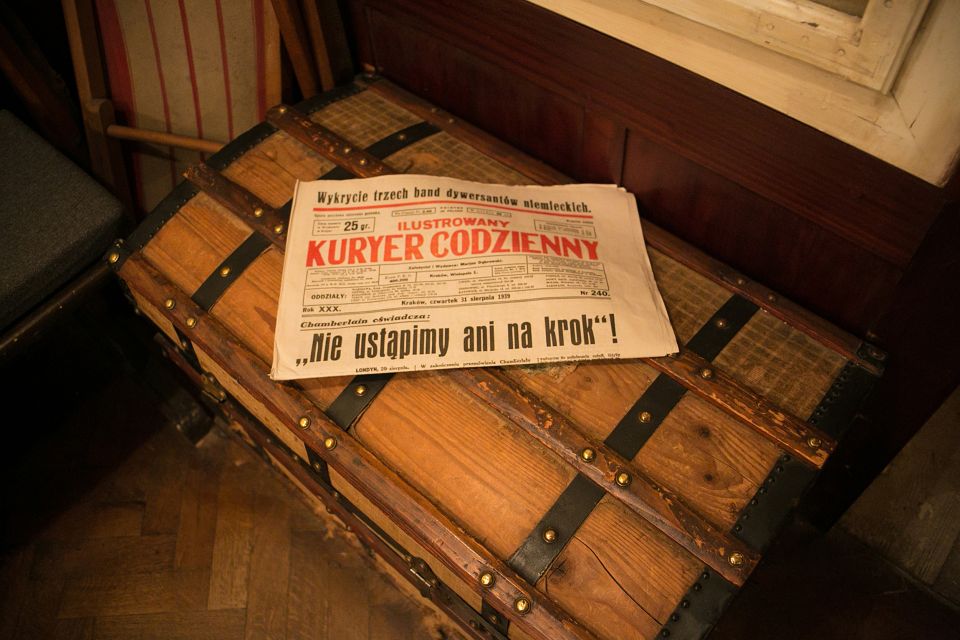
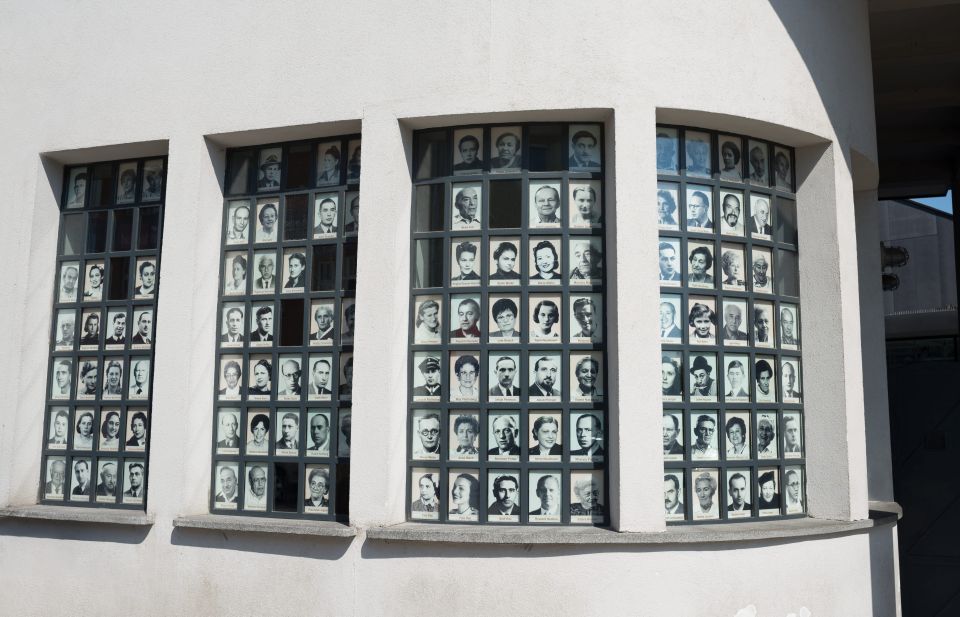
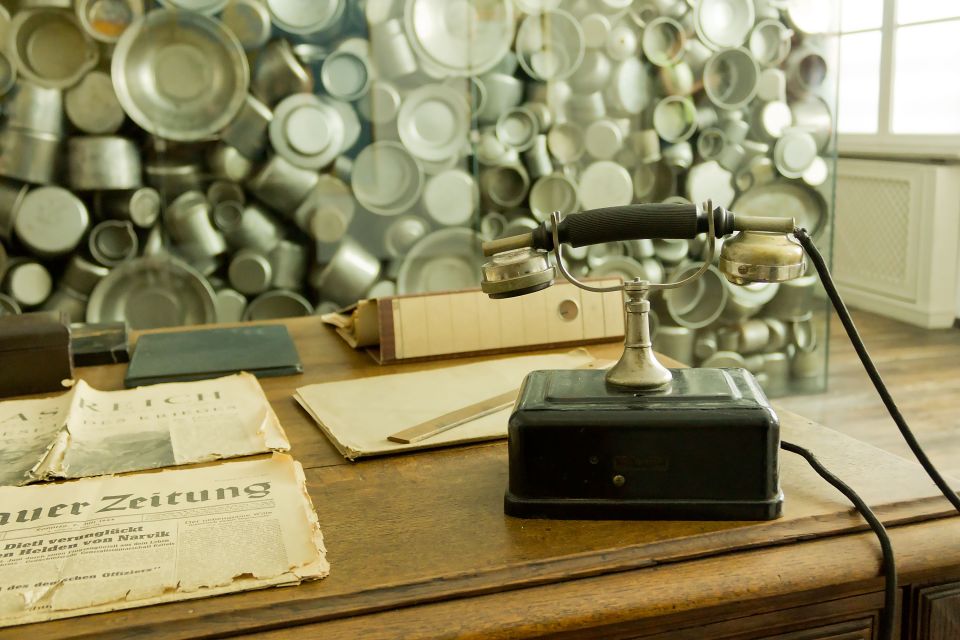
Schindler’s Factory is where this day really earns its place on your Krakow list. You start at the Oskar Schindler’s Enamel Factory Museum, and your guide is waiting out front holding an excursions.city sign. This museum isn’t just a set of rooms. It’s a guided timeline that helps you understand how ordinary business became wartime lifelines for many Jews.
You’ll get a museum guide for this first portion, and that matters. The guide is there to explain what you’re seeing: exhibits, documents, and the broader meaning behind the factory’s wartime role. The tour also frames the connection to the Oscar-winning film Schindler’s List, but the value here is the grounded, historical explanation that comes with standing in the actual museum space.
The practical upside: the tour avoids aimless wandering. Instead of you guessing what matters most, the guide gives you a path through the museum so you leave with a clearer mental map. In a one-day format, that focus is gold.
The emotional upside is just as important. A guide helps you understand why certain details exist, and why some stories were told later through films and memorial culture. You’ll likely come away with more than facts—you’ll understand how survival stories get shaped into public memory.
You can also read our reviews of more tours and experiences in Wieliczka.
Podgórze and the Jewish Ghetto sites: walls, pharmacy details, and the Empty Chair
After Schindler’s Factory, you shift from museum exhibits to the city itself. The walking portion focuses on the former Jewish Ghetto area in Podgórze, and it’s designed to show you evidence of what happened during the Second World War.
Here’s what you’ll actually be looking for as you go:
- A part of the undestroyed wall around the ghetto
- Houses where thousands of displaced Jews used to live
- The pharmacy called Under the Eagle
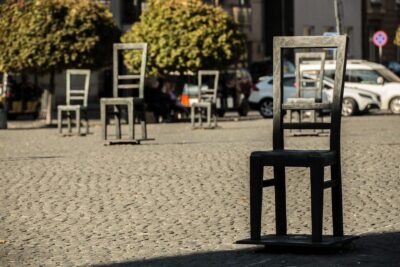
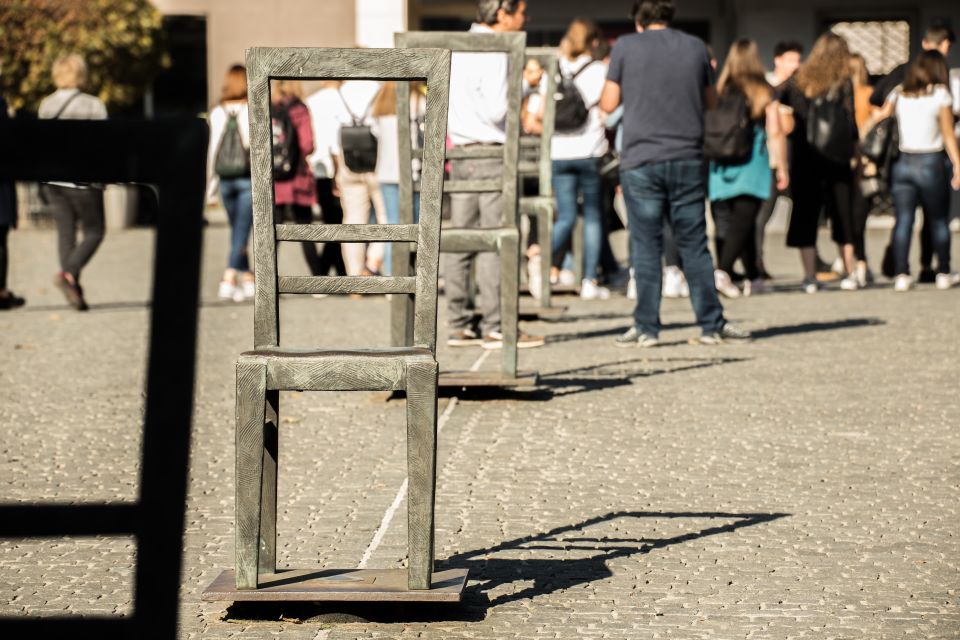
- The Empty Chair Monument in Heroes’ Square, with its symbolic 68 chairs
Walking this section is more than sightseeing. These spots help you connect the historical narrative to something physical. The undestroyed wall section is especially powerful because it keeps the scale real. You can’t shrink the space down into a storybook size. It’s the kind of detail that makes the area feel specific and immediate.
The Under the Eagle pharmacy adds another layer. Instead of thinking only about confinement and persecution, you notice how everyday life and community spaces existed in the same environment. It’s a reminder that human life was present before it was forcibly crushed.
Then you reach the Empty Chair Monument in Heroes’ Square. Those 68 chairs carry the symbolic weight of the missing, and seeing it in person gives the memorial a clearer emotional shape than photos can. It’s a good place to pause, take your bearings, and let the meaning sink in before you move on.
This section can feel like walking through a memory. The best way to handle it is to slow down for a few minutes at each stop and actually read what’s in front of you, even if you normally skim.
Timing, transport, and why punctuality affects the whole day
This is a group tour with a strictly defined schedule. That means you need to treat timing like part of the experience, not a minor annoyance.
Two points matter:
- Schindler’s Factory Museum does not accept late arrivals. Groups enter punctually at the appointed time, and late people won’t be admitted to the tour without the possibility of returning the money.
- The day is structured as a fast handoff from walking sites in Krakow to the drive out to Wieliczka and then back.
Between the historic walking portion and the mine visit, you’ll be driven to Wieliczka, a small town about 10 kilometers from Krakow. The transport is included round trip, so you don’t need to plan buses or taxis mid-day.
The reason this matters for your trip is simple: with only 7 hours total, there’s little margin for delays. If you like to take photos, stop for snacks, and wander, you’ll want to keep those habits on a short leash today. Think of this tour as a guided route with tight sequencing.
Good news: the structure also helps you. It keeps you from losing time figuring out where to go next, which is a real advantage when you’re trying to hit three major sites in one day.
Wieliczka Salt Mine: 700 years down, then 3+ km of halls
In the second half of the tour, you switch gears into something completely different from the ghetto and factory. Wieliczka Salt Mine is one of Europe’s largest historic salt mines, operating on a story that goes back centuries.
You’ll visit underground at your own pace, without a guide, after arriving by the included transfer. That self-paced time is one of the smartest design choices in this itinerary. It gives you breathing room after emotionally intense sites above ground.
Here are the scale points you’ll want to remember while you’re down there:
- The mine is 700 years old
- It reaches 340 meters below ground
- The total length of corridors and tunnels is over 245 kilometers
- Your walking route is more than 3 kilometers
- You’ll see 20 halls
The route is long enough to feel like a real journey, not a quick “showroom” visit. At the same time, it’s structured enough that you won’t feel lost.
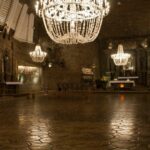
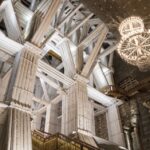
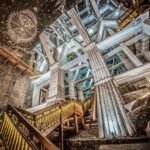
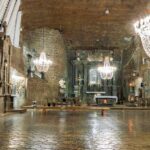
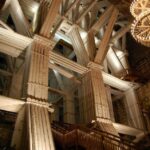
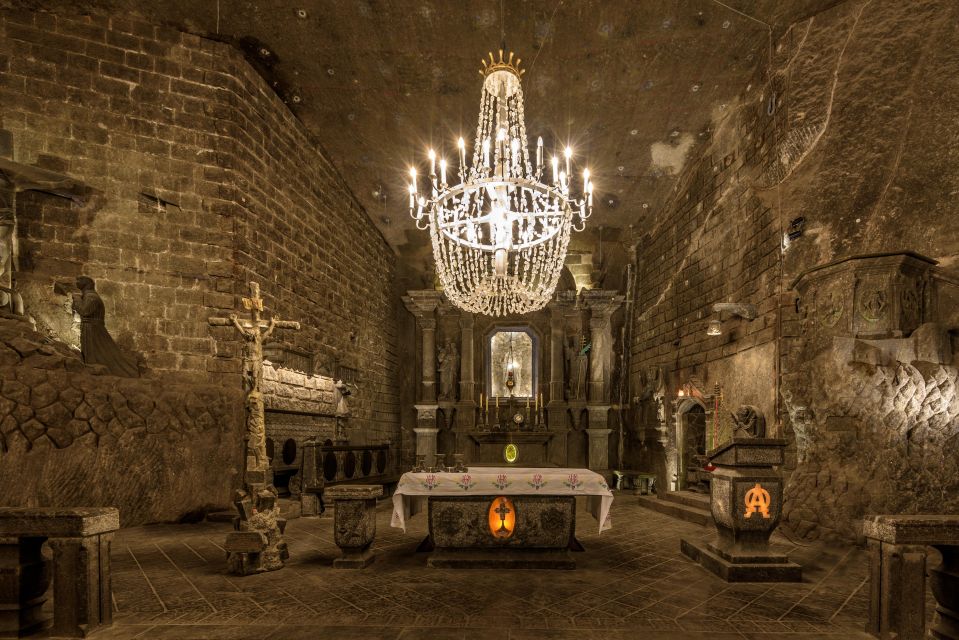
The standout stop is St. Kinga’s Church, the underground church named for the patroness of miners. This is one of the main reasons people book Wieliczka in the first place, because the interior is richly decorated. You’ll see chandeliers and sculptures of saints carved out of salt, which makes the room feel part cathedral, part craft masterpiece.
Even if you don’t usually love underground attractions, St. Kinga’s Church hits a sweet spot: the craftsmanship is real, and the underground setting makes it feel like a world you can’t replicate anywhere else in Krakow.
Practical note: because this part is self-paced, you’ll be the one deciding how long to linger in each hall. If you’re the type who likes to read every informational panel, you’ll naturally slow down. If you just want the main highlights, you can move faster and still cover a lot.
The microclimate, sanatorium story, and what “curative” means here
One more thing makes Wieliczka more than just an underground walk. The mine is known for a special microclimate, tied to the idea of curative conditions.
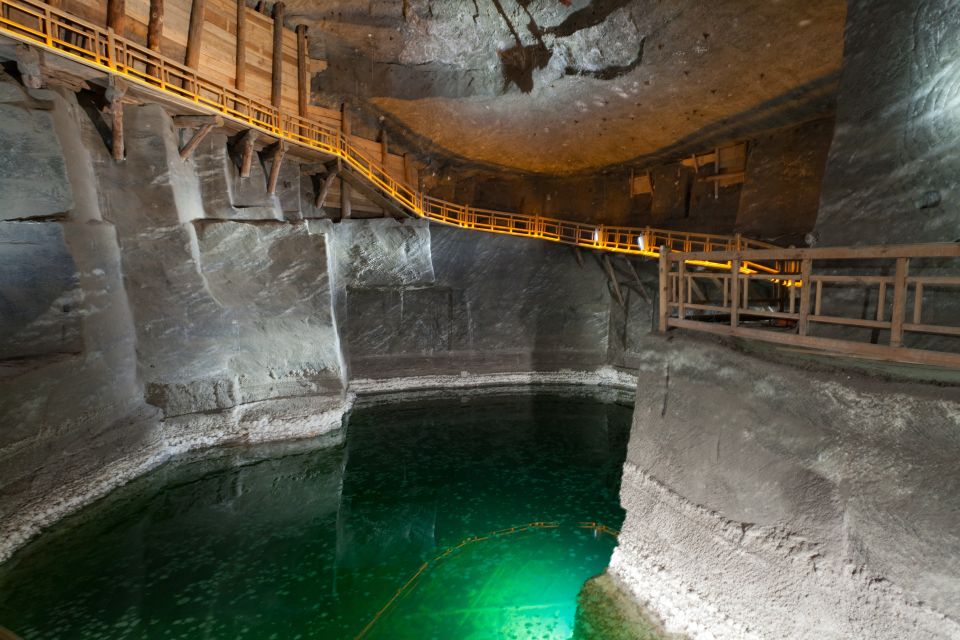
You’ll learn about the sanatorium connected to the mine, located 135 meters below ground. Even if you treat the topic with a modern, cautious mindset, it helps explain why people historically stayed in the mine area for health reasons. It’s part of the mine’s human story, not only its geology.
Think of it this way: the same environment that helped form the salt also shaped a place where people believed they could recover. That’s a strong theme because it contrasts with the day’s earlier stops. You go from forced confinement narratives to a space where health treatment was imagined underground.
When you’re planning your own pace, consider spending a little extra time at spots where you can feel the quiet. Mines often have a calmer rhythm than city streets. Use that time to reset your head.

Price and value: $136 for three major sites in one tight day
At $136 per person for a 7-hour day, this tour isn’t the cheapest way to see Krakow. But it’s also not an overpriced “nice-to-have,” because you’re buying three things at once:
- Admissions to Schindler’s Factory Museum and Wieliczka Salt Mine
- A live English guide for Schindler’s Factory and the ghetto walking portion
- Round trip transportation between Krakow and Wieliczka
You’re also getting a small group size (up to 15), plus a skip-the-ticket-line setup. In real terms, that saves time and reduces stress on a day with limited slack.
Is it pricey? It can feel that way if you’re comparing it to DIY transit plus entrance tickets. But you’re paying for sequencing and interpretation. The guide at Schindler’s Factory is especially valuable because it gives you structure in a museum that can otherwise turn into a scatter of facts.
One more value signal from the experience: the salt mine transfer contact was willing to drop people in central Krakow afterward. That kind of flexibility can help you reconnect with the city without planning your next step from scratch.
Who should book this tour (and who might prefer something else)
This tour fits best if you:
- Want to cover Schindler’s Factory, the Jewish Ghetto sites, and Wieliczka in one day
- Appreciate a guided explanation for complex historical topics
- Like small groups, not crowded bus energy
- Are okay with a self-paced mine visit after the guided portion
You might choose a different option if:
- You’re uncomfortable with long exposure to World War II memorial and ghetto sites
- You prefer more free time for meals or wandering instead of a fixed schedule
- You want a fully guided mine experience (this one gives you mine time without a guide)
Should you book Krakow: Schindler’s Factory, Jewish Ghetto & Salt Mine Tour?
Yes, if you want one efficient day that gives you meaning, not just photo stops. The strongest reason to book is the combination of a guided museum experience at Schindler’s Factory plus walking through specific ghetto remnants in Podgórze, then switching to the scale and craft of Wieliczka Salt Mine.
Book it if you can handle a heavy theme and you’ll respect the punctual start. Bring comfortable shoes, expect a full 7 hours, and plan something lighter for afterward.
If that sounds like your kind of day, you’ll likely feel you got real value out of the price—three unforgettable places, tied together by a schedule that keeps you moving and learning.
FAQ
What languages are offered on this tour?
The tour is in English.
How long is the tour?
It lasts about 7 hours.
How many people are in the group?
The group is limited to 15 participants.
What’s included in the price?
You get admission tickets to Schindler’s Factory Museum and Wieliczka Salt Mine, a guide for Schindler’s Factory and the ghetto portion plus for the salt mine part, and round trip transportation between Krakow and Wieliczka.
Is food included?
No. Food and drinks are not included.
Where do I meet the guide?
Meet at the front of the entrance to Oskar Schindler’s Enamel Factory Museum. The guide will be holding an excursions.city sign.
Is the salt mine visit guided?
No. After being driven to Wieliczka, you explore the mine at your own pace.
What if I arrive late to Schindler’s Factory?
The museum does not accept late arrivals for the tour group, so you should plan to arrive early to avoid missing entry.