REVIEW · WIELICZKA
From Krakow: Wine Tasting at Vineyard
Book on GetYourGuide →Operated by ComFort Tours Cracow · Bookable on GetYourGuide
Wine in the countryside beats another museum stop.
This 3-hour small-group outing from Krakow pairs a vineyard walk with lessons on organic farming and local winemaking culture. It starts with pickup, then you’re guided through the vines before sitting down for tasting.
I like how easy the logistics feel: a quick 10 km drive from Krakow in an air-conditioned vehicle, with an English-speaking driver. I also like that you get to sample 4 wines or ciders with a wine expert, plus a stroll where you can actually ask questions.
One drawback to consider: the tasting experience can hinge on language and timing. At least one booking reported the tour ran in Polish despite expectations, and if schedules slip, the vibe at the vineyard may not be as relaxed as you hope.
In This Review
- Key things to know before you go
- Getting From Krakow To the Vineyard: short ride, real change of pace
- The Vineyard Walk and Organic Methods: what you actually learn on site
- Winemaking history: the kind of context that improves your tasting
- The Tasting Portion: 4 wines or ciders and how to make it work for you
- Traditional snack: a useful add-on if you want to stay longer
- Group size, language, and timing: where the experience can shine or wobble
- Price and value: is $224 for 3 hours worth it?
- Who should book this wine tasting from Krakow?
- Should you book it? My take
- FAQ
- How long is the wine tasting experience?
- How many wines or ciders do I sample?
- Does the tour include pickup from Krakow?
- Is a snack included?
- What languages are available for the host or greeter?
- What is the group size limit?
- Is the tour suitable for pregnant women?
- What should I bring to the vineyard?
- Is there a cancellation window?
Key things to know before you go
- Small group size (up to 8) helps you get questions answered during tasting
- Organic farming methods are part of the walk, not just a marketing line
- 4 samples total means you should plan to pace yourself during the pours
- Vineyard setting close to Krakow (10 km) keeps this in the realm of a half-day plan
- Traditional snack is optional and not built into the main price
- Language can vary between English, French, German, and Polish, so confirm your preference
Getting From Krakow To the Vineyard: short ride, real change of pace
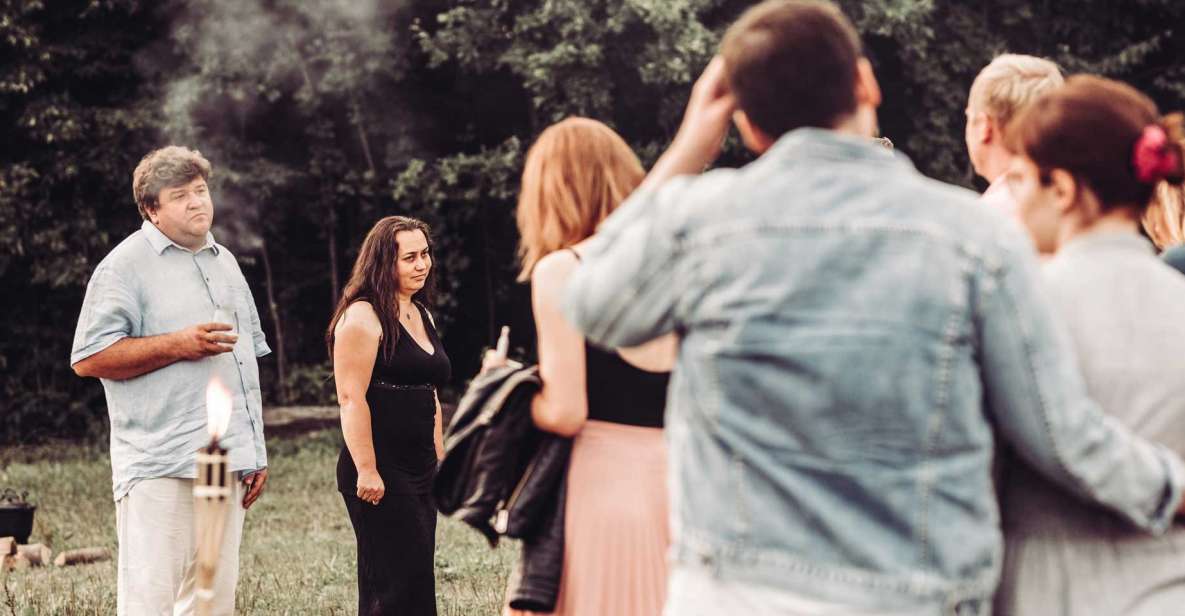
Krakow to Lesser Poland vineyard country is close enough to feel like an afternoon escape, not a big travel day. After pickup from your accommodation, you ride out in an air-conditioned vehicle for the short trip to the vineyard, about 10 km from Krakow. That matters. When your day already has sightseeing, a short transfer is what keeps this fun instead of turning it into an endurance event.
The setup also includes an English-speaking driver, so you’re not stuck figuring out where to go. You’ll get dropped off back in Krakow after the tasting, which is handy if you’re planning dinner afterward.
Practical tip: wear comfortable shoes. The experience includes a vineyard stroll, which usually means uneven ground, not boardwalk smoothness.
You can also read our reviews of more food & drink experiences in Wieliczka
The Vineyard Walk and Organic Methods: what you actually learn on site
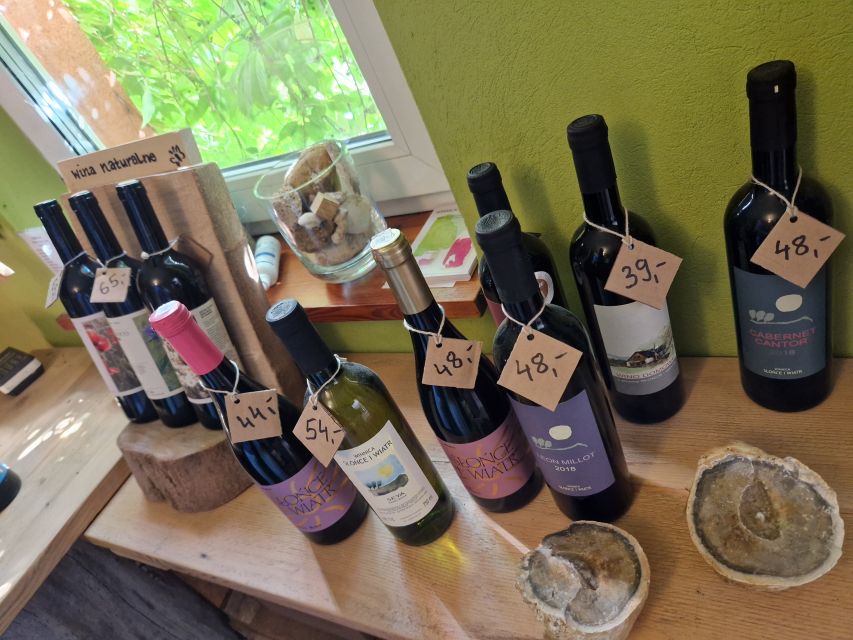
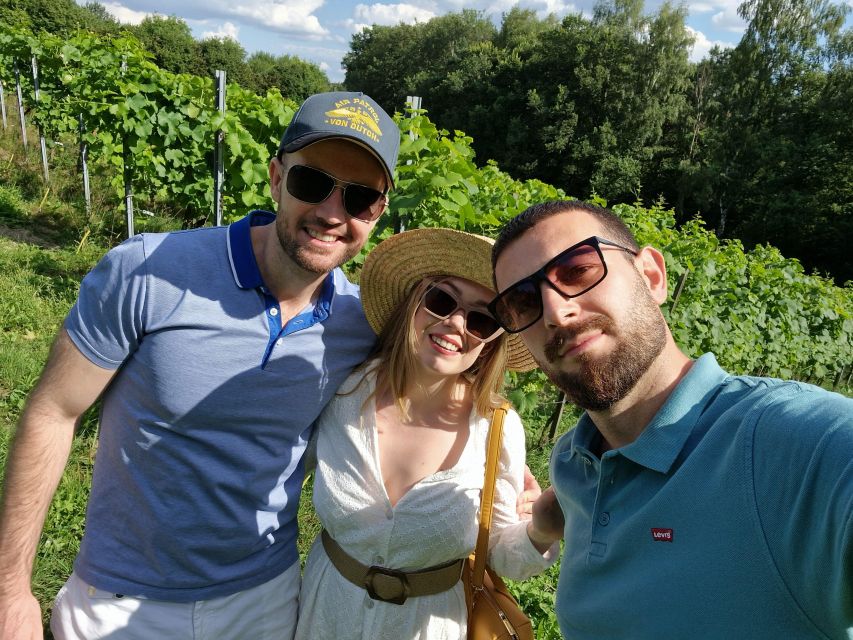
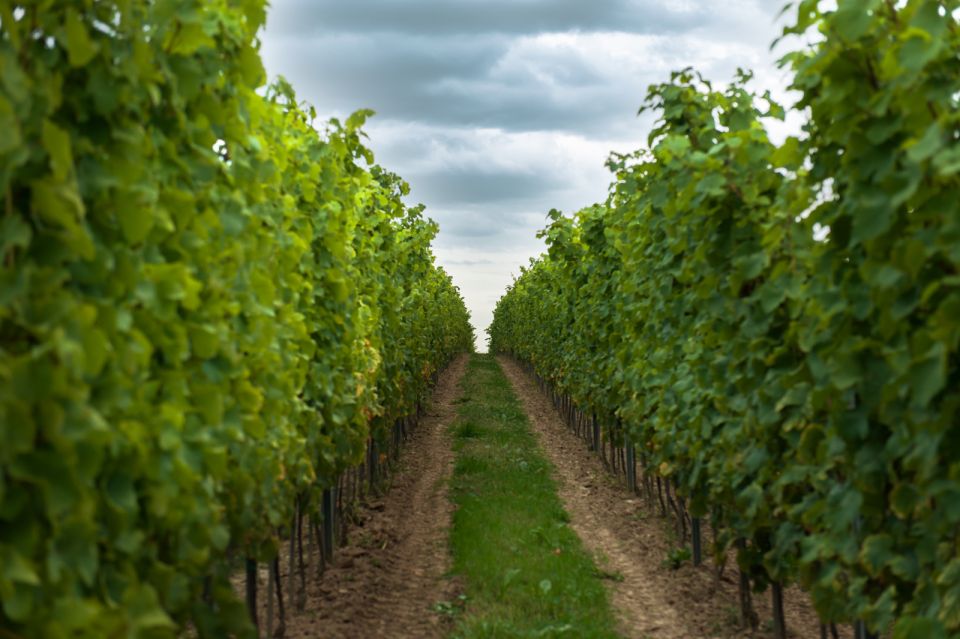
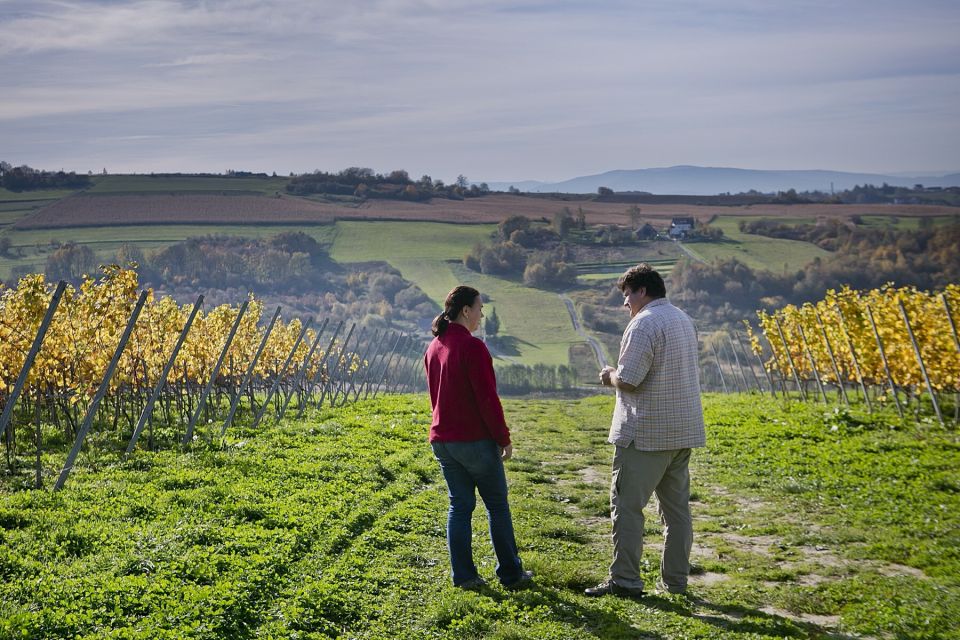
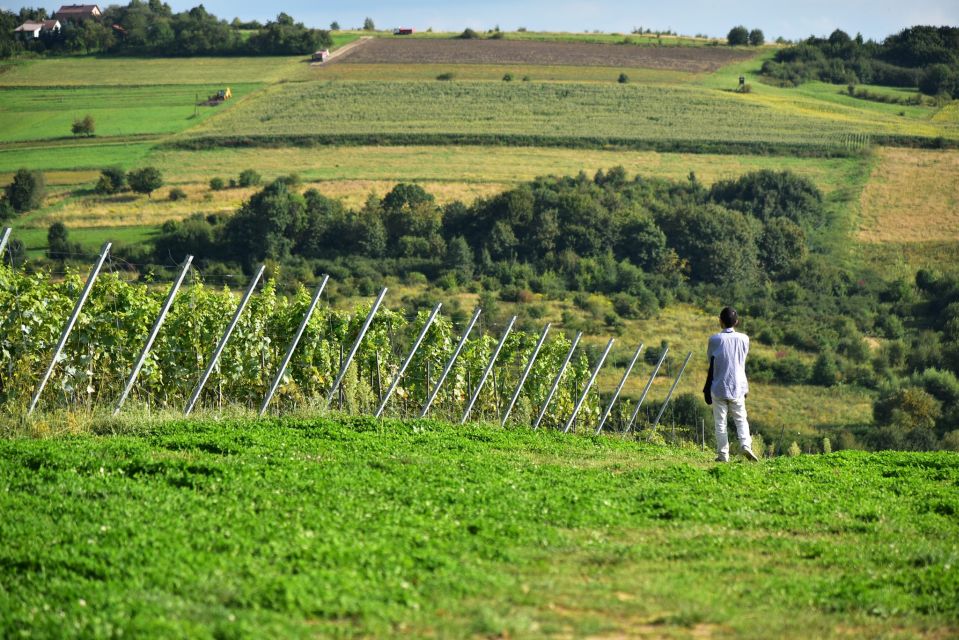
A big draw here is the hands-on vineyard part. You’re not just tasting and leaving. You’ll stroll through the vineyard and hear about the farming approach, including their organic farming methods. That’s a helpful way to understand what’s going on behind the bottle: grapes don’t grow in a vacuum, and organic practices can shape how a vineyard manages pests, soil health, and overall vine vigor.
You also learn about the variety of plants they maintain besides grapes. That detail is more interesting than it sounds on paper. It points to how vineyards think beyond the grape row—things like supporting biodiversity and keeping the vineyard ecosystem balanced. Even if you’re not an oenology nerd, seeing mixed planting in action gives you something concrete to picture when you sip.
Finally, you’ll get the winemaking story for this region and vineyard. The owners share how their experience has been shaped by working in vineyards and wineries on four continents. That global background is useful because it often translates into clearer explanations: you can usually tell when the person guiding you has seen different approaches and learned what works.
Winemaking history: the kind of context that improves your tasting
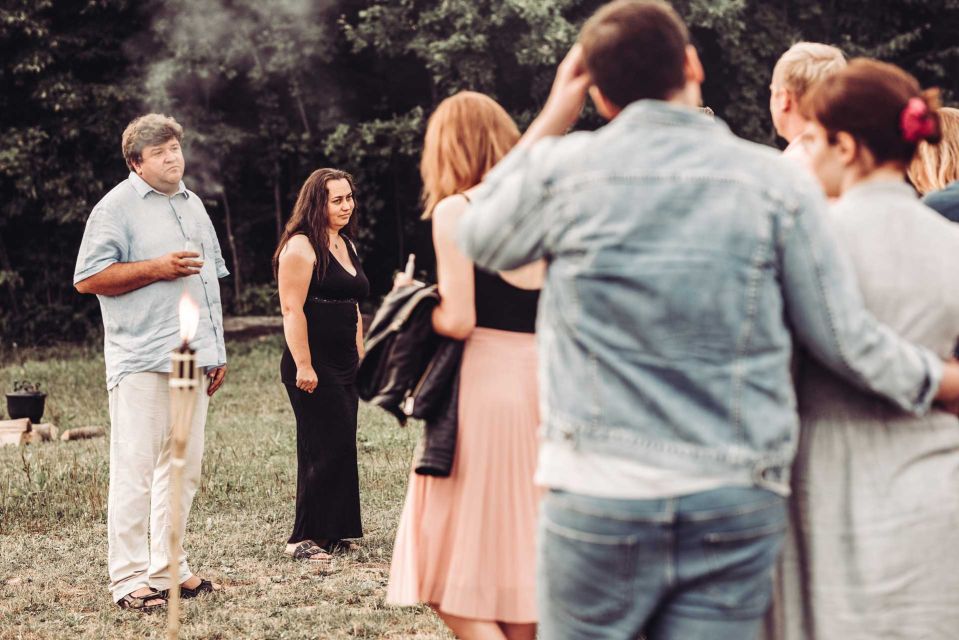
This tour includes a narrated overview of local winemaking history in the region, plus how this particular vineyard came to be. I like when tours don’t just say where something is from, but explain why people care about it.
Here, you’ll hear about the vineyard’s background and what the owners bring to the craft. That helps you interpret what you taste. If you understand what a vineyard is trying to do—how they grow, what they prioritize, what they’re aiming for—you’re less likely to judge the wines only by habit or by what you’re used to at home.
One important note: the quality of the tasting experience depends heavily on whether you can follow the narration. The activity is offered with hosts who can work in English, French, German, and Polish, but one recent booking reported the tour language ended up being Polish when it wasn’t expected. If you’re not fluent, plan to ask for language confirmation in advance so the story part lands well.
The Tasting Portion: 4 wines or ciders and how to make it work for you
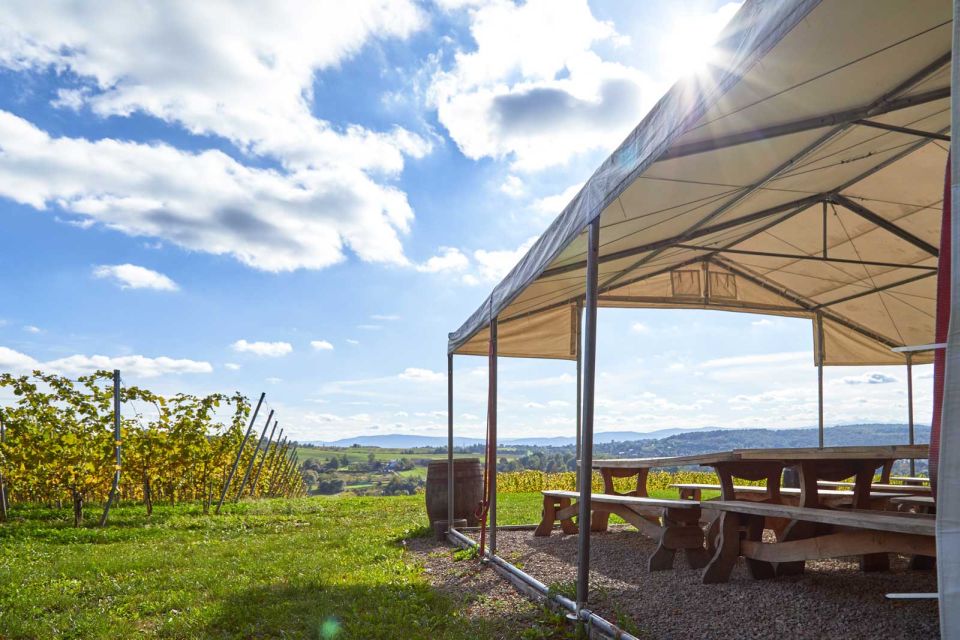
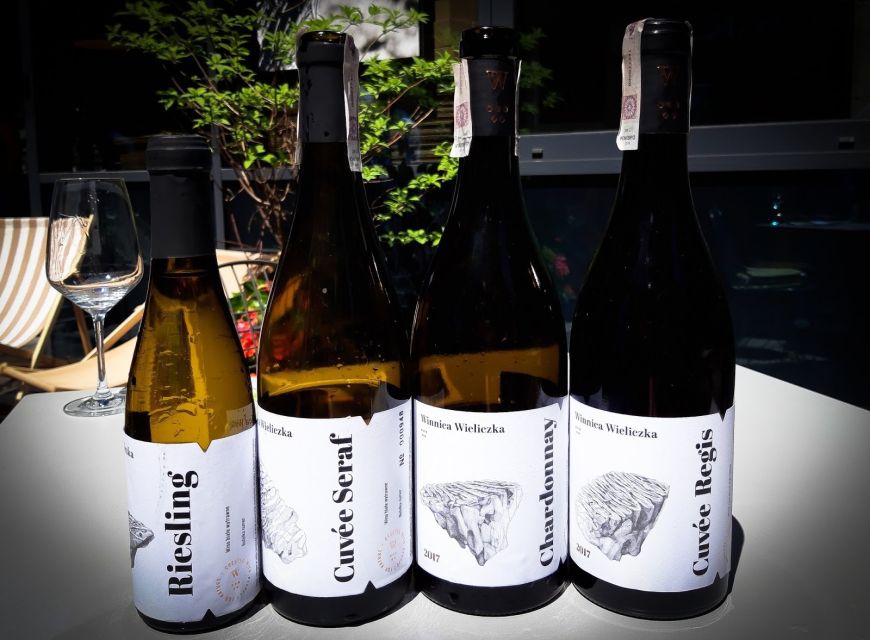
The tasting is built around sampling 4 local wines and ciders. That number is a sweet spot for a 3-hour outing. Too many samples and you lose the plot. Too few and you don’t get enough comparison to learn anything.
Here’s how to get more value from the table:
- Ask for the pairing logic. Even without a full meal, the expert can explain what they’re steering you toward tasting-wise.
- Take small sips. If you’re sampling both wines and ciders, the flavors can shift fast, and pacing keeps your palate from flattening.
- Listen for growth cues. When the guide talks about organic methods or plant choices, it often connects to acidity, aroma, or how “clean” the fruit character feels.
Some people report the wine selection didn’t meet expectations, which is always possible with any tasting. Taste is personal, and if you’re expecting a big, showy lineup, you might want to mentally reset your expectations to a more local, learning-focused style.
Also, one critique mentioned uneven pouring between participants. You can’t control that on your side, but you can manage it: sip slowly, and if your pours seem light, politely ask the wine expert about the intended portion before the tasting moves too far ahead.
Traditional snack: a useful add-on if you want to stay longer
The tour includes a traditional local snack only as an add-on for a separate fee. Examples given include cheese or local cold cuts of meat.
This is worth considering for two reasons. First, wine and cider taste better when you’re not running on empty. Second, a snack can help you stretch the experience beyond the tasting minutes, especially if you’re enjoying the conversation with the expert.
If you decide to add it, plan on using it as a pace control. Don’t rush back out into the next part of your day feeling stuffed or buzzed.

Group size, language, and timing: where the experience can shine or wobble
This is a small group limited to 8 participants, which is usually the sweet spot for a tasting. Smaller groups mean you get more attention, and the wine expert can move at a human speed. It also means late arrivals can matter more. With a group this size, schedule strain can show up quickly.
One booking issue described a guide reaching out to change tour times, which disrupted a full day plan. Another issue described a mismatch in expected language, plus a less-than-warm welcome after delays. None of that is guaranteed for every departure, but it tells you what to watch for.
My practical advice:
- Confirm your preferred language when you book. The activity lists English, French, German, and Polish as options, but your actual experience depends on what gets assigned.
- Be ready for minor timing adjustments. If there’s a city-wide event or traffic, routes can change. Keep your schedule flexible for the afternoon.
- Arrive on time. Vineyard visits tend to run on tight internal rhythms—walking, explaining, then tasting.
Price and value: is $224 for 3 hours worth it?
At $224 per person for about 3 hours, you’re paying for more than a few tastes. You’re paying for a full setup: pickup and drop-off, an air-conditioned transfer, an English-speaking driver, a local wine expert, and 4 wine/cider samples.
Where the value can feel strong:
- You don’t have to organize transport from Krakow.
- You get guided explanation, including farming practices and regional context.
- The small group cap (8) can turn it into a more personal learning session.
Where value might feel weaker:
- If you’re expecting a gourmet food-forward tasting with a big range, the included experience is mainly about the vineyard walk plus four samples.
- If the language isn’t what you expected, the learning part can feel lost even when the wines are decent.
If you like structured tastings and you want an experience that’s easy to fit into a half-day, I think this price can pencil out. If you’re the type who wants maximum control (choose your exact vineyard, your exact language, your exact pace), you might prefer a self-guided plan or a different format with clearer expectations.
Who should book this wine tasting from Krakow?
This works best if you:
- Want a short, low-stress trip outside Krakow with pickup included
- Enjoy learning while walking, not only sitting at a bar
- Like the idea of organic vineyard methods and seeing plantings beyond the grape rows
- Appreciate a small-group setting where you can ask questions
It may be a poor fit if you:
- Need an English-only experience with zero uncertainty. The activity lists multiple languages, but language assignment can affect comfort.
- Prefer a very leisurely pace. This includes a vineyard stroll, and at least one condition listed says it’s not suitable for pregnant women.
Should you book it? My take
I’d book this if you want a guided, structured way to experience Lesser Poland wine culture without turning your day into a logistical project. The strongest parts are the vineyard walk, the focus on organic farming methods, and the fact that you get four local samples with a wine expert in a small group.
I’d hesitate if language matters a lot to you, or if you tend to get irritated when plans shift. One mismatch and a schedule slip can turn a pleasant tasting into a frustrating one—especially if the vineyard visit is time-sensitive and the narration isn’t in your language.
If you do book, do two things right away: confirm your preferred language before the day of, and plan to arrive on time (or earlier than you think) so the experience can flow smoothly from pickup to tasting.
FAQ
How long is the wine tasting experience?
It lasts about 3 hours.
How many wines or ciders do I sample?
You taste a total of 4 local wines and ciders.
Does the tour include pickup from Krakow?
Yes. Hotel pickup and drop-off in Krakow are included, along with an air-conditioned vehicle.
Is a snack included?
Regional snacks are not included. You can purchase a traditional snack on the day (examples given include cheese or local cold cuts of meat) for an additional fee.
What languages are available for the host or greeter?
The host or greeter can work in English, French, German, and Polish.
What is the group size limit?
The group is limited to 8 participants.
Is the tour suitable for pregnant women?
No, it is listed as not suitable for pregnant women.
What should I bring to the vineyard?
Wear comfortable shoes and comfortable clothes.
Is there a cancellation window?
Yes. You can cancel up to 24 hours in advance for a full refund.