REVIEW · WIELICZKA
Kraków: Jewish Quarter, Auschwitz, And Salt Mine 3-Day Tour
Book on GetYourGuide →Operated by INTERCRAC Ltd. · Bookable on GetYourGuide
Three days. Three lessons in memory. This Kraków tour stitches together Kazimierz, Schindler’s Enamel Factory, Auschwitz, and the Wieliczka Salt Mine with a live English guide. You get city streets and museum halls, side by side, so the story makes more sense than it does from guidebooks.
What I like most is how the day-by-day plan keeps you moving while still stopping to explain the why: the cast-iron chairs in the former ghetto area and the guided context inside the major WWII sites. Another thing I appreciate is the strong communication from INTERCRAC Ltd. through WhatsApp and email, so you’re not left guessing. One drawback to plan for: Auschwitz is emotionally heavy, and it also has a special personal registration requirement where your ticket name must match your ID exactly.
In This Review
- Key Things to Know Before You Go
- Kazimierz to Auschwitz: Why This 3-Day Route Works
- Day 1 in Kazimierz: Streets, Synagogues Area, and the Ghetto Chairs
- The main thing to consider on Day 1
- Oskar Schindler’s Enamel Factory: More Than One Museum in One Site
- A practical tip for this museum day
- Day 2 Auschwitz-Birkenau: Preserved Details, Guided Clarity
- The most important planning note for Auschwitz tickets
- Emotion and pacing
- Day 3 Wieliczka Salt Mine: Underground Chambers and Salt Sculptures
- A consideration for Day 3
- Price and Value: Is $237 a Good Deal for This Mix?
- Logistics That Matter on the Ground (Not Just on Paper)
- Who Should Book This Tour (and Who Might Reconsider)
- Should You Book This Kraków Jewish Quarter, Auschwitz, and Salt Mine Tour?
- FAQ
- How long is this tour?
- Where does the tour start and end?
- What language is the tour guide?
- What’s included in the price?
- Are food and drinks included?
- Is hotel pickup or drop-off included?
- Does the tour include skip-the-line access?
- Is Auschwitz entry ticket registration special?
- What should I bring?
Key Things to Know Before You Go
- Kazimierz walking route with real street atmosphere: independent galleries and vintage fashion shops set the tone before you hit the darker history nearby.
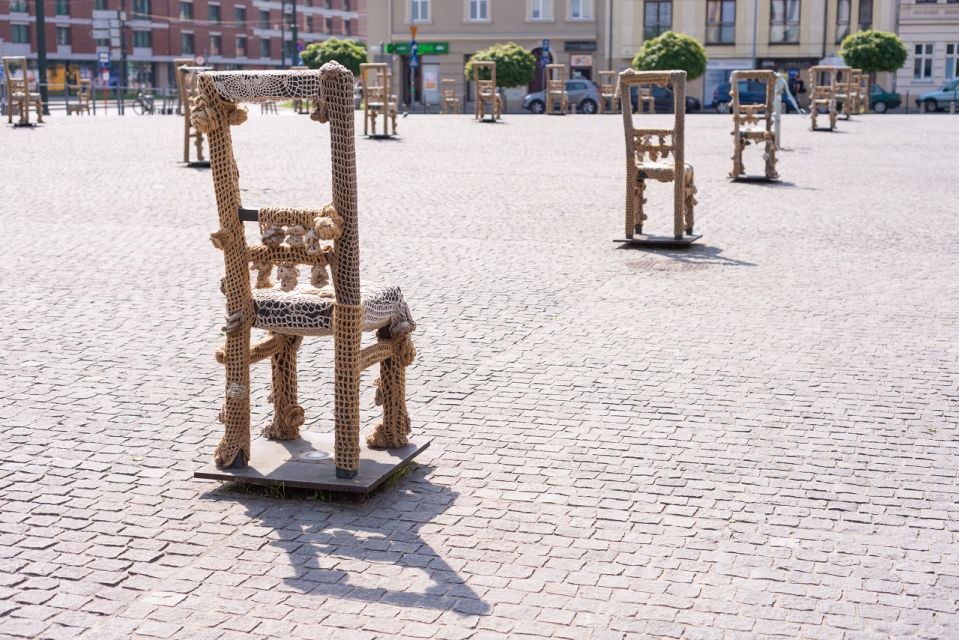
- Plac Bohaterów Getta and the cast-iron chair art: a striking symbol of how belongings were scattered after the 1942–43 liquidation.
- Schindler’s Enamel Factory museum setup: you’ll see WWII life and history through a site that also connects to contemporary art.
- Auschwitz-Birkenau guided context: the tour focuses on specific preserved elements like crematoria ruins, gas chambers, and the railway platform.
- Wieliczka Salt Mine as a full-world experience: chambers, corridors, and salt sculptures make it feel like a journey underground, not just a stop.
Kazimierz to Auschwitz: Why This 3-Day Route Works
This itinerary is built for people who want more than checkmarks. It moves from the Jewish Quarter’s everyday street life into the ghetto’s memory spaces, then into one of the darkest places in European history, and finally into a completely different kind of underground wonder.
I like that the tour doesn’t treat Auschwitz like a generic history lesson. Instead, you’re guided through preserved sections like the railway platform and the ruins of crematoria and gas chambers, so you understand what you’re seeing and why those details matter.
Then you end in Wieliczka Salt Mine, one of the oldest mines in the world, where the mood changes from grief to awe. That contrast can be emotionally tough, but it also helps you reset your brain and leaves you with a final, memorable image.
You can also read our reviews of more tours and experiences in Wieliczka.
Day 1 in Kazimierz: Streets, Synagogues Area, and the Ghetto Chairs
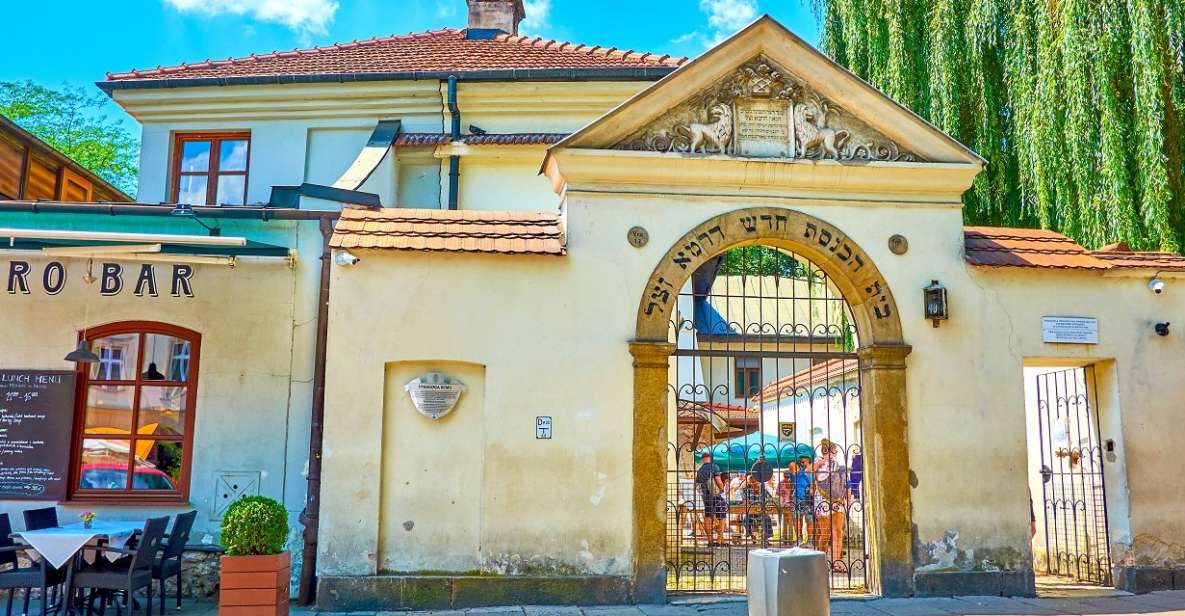
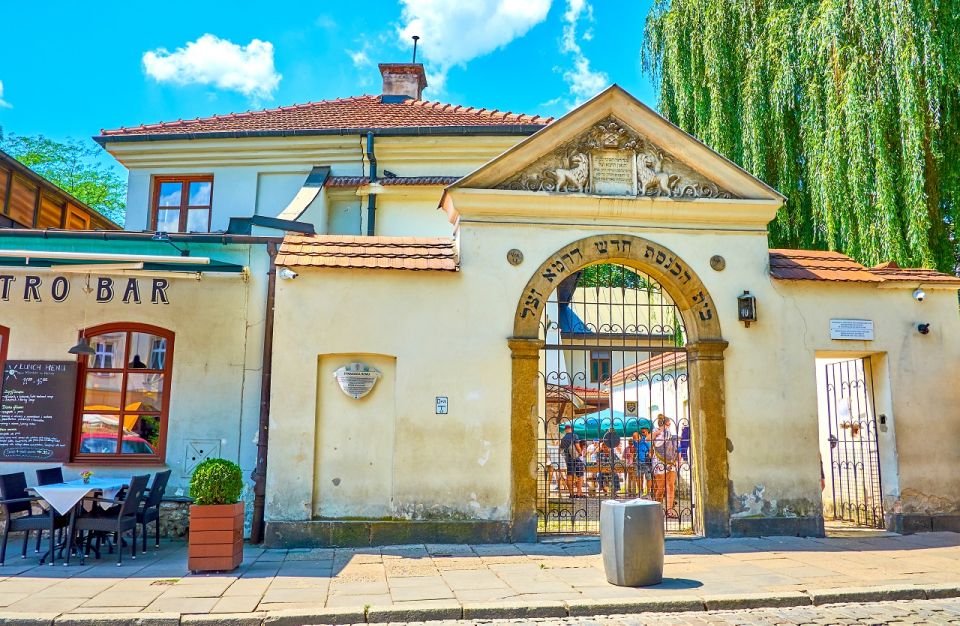
Your day starts at the Old Synagogue steps, where the guide holds a sign that reads excursions.city. From there, you’ll walk into Kazimierz, Kraków’s historic Jewish quarter, with a guide who explains the heritage behind the neighborhood rather than just pointing at buildings.
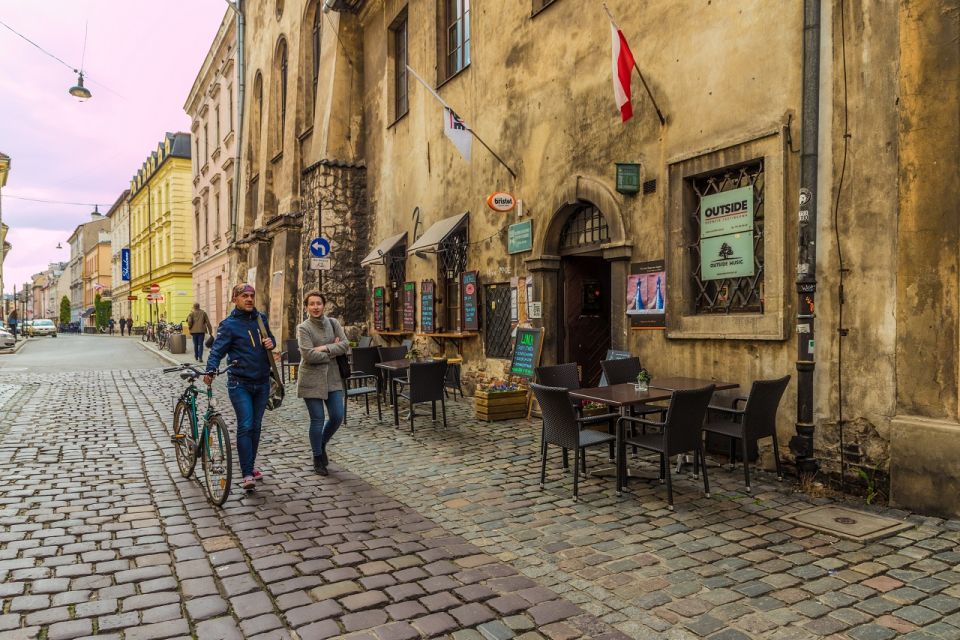
Kazimierz is a mix of old and present-day. You’ll notice independent galleries and vintage fashion boutiques along the artistic streets, which gives you a sense that the area isn’t only a museum set. It’s a place people live through now, layered over what was lost.
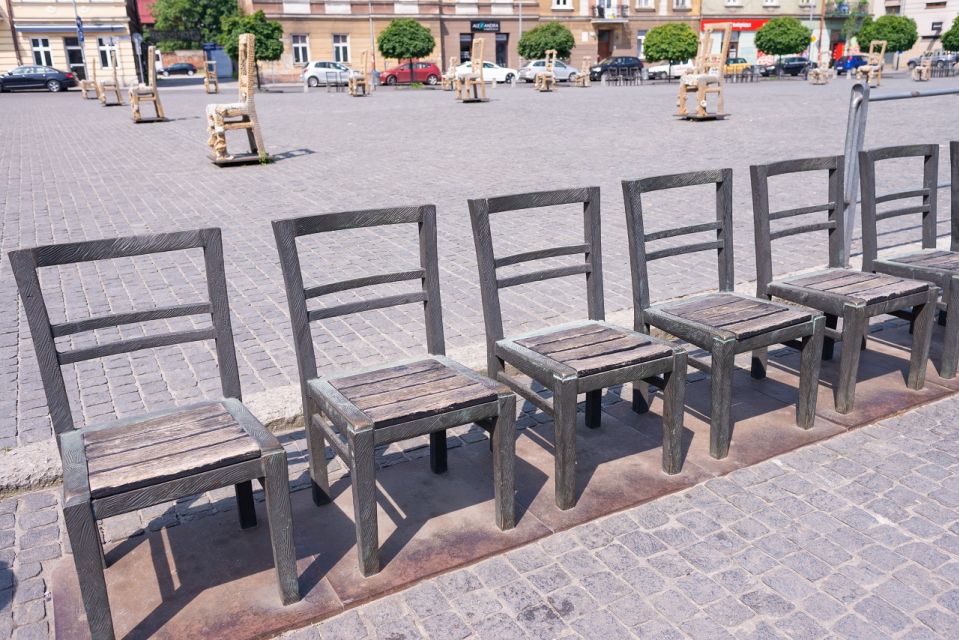
After that, you shift into WWII-era memory. You’ll take a short walk around the former Kraków Ghetto and stop at Plac Bohaterów Getta (Ghetto Heroes Square). The standout feature here is the art display of several dozen cast-iron chairs placed individually in the square. The symbolism is the point: the chairs represent scattered belongings after the ghetto’s liquidation in 1942–43.
This is one of those stops where a good guide changes everything. Without explanation, you might just see an artwork. With it, you see how the piece turns absence into something you can grasp with your eyes.
The main thing to consider on Day 1
Day 1 is mostly walking and museum-hopping. If you’re sensitive to emotional material, pace yourself after the ghetto stop and don’t feel like you have to take it all in at once.
Oskar Schindler’s Enamel Factory: More Than One Museum in One Site
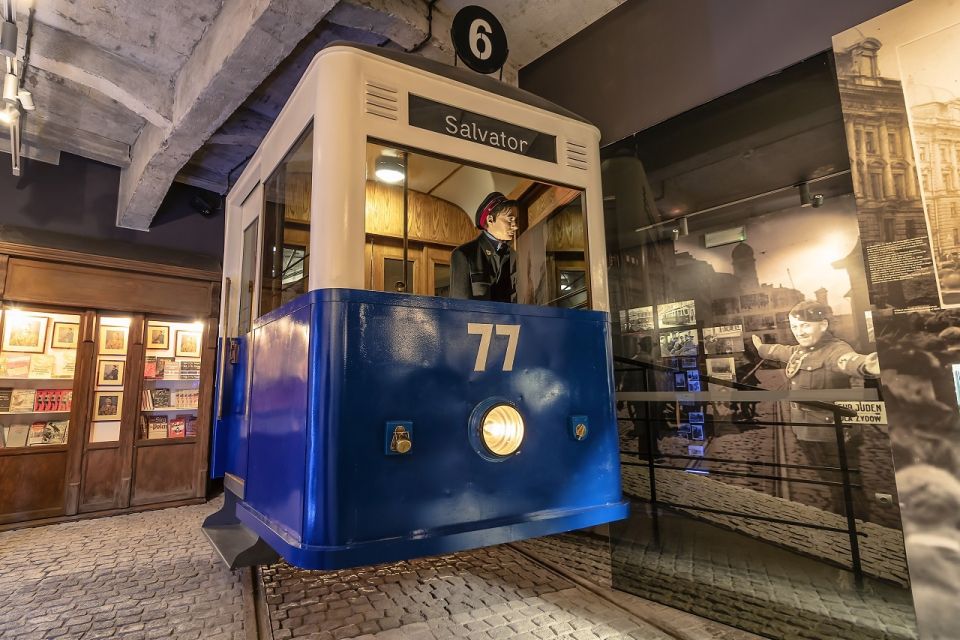
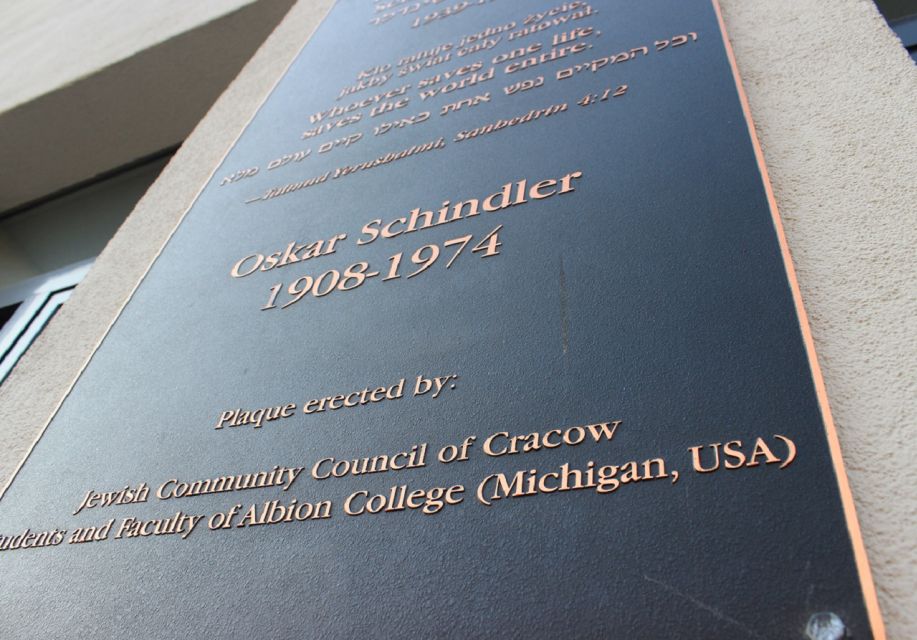
Next up is Oskar Schindler’s Enamel Factory, which today houses two museums. That dual setup matters because it gives you different angles on the same place: the WWII story and the way Kraków documents and interprets its past.
One half is the Museum of Contemporary Art, and the other is a branch of the Historical Museum of the City of Kraków. Together, they help you understand Kraków’s WWII connections through the lens of the present, while still staying grounded in history.
I like this stop because it avoids the trap of making history feel like something locked behind glass. You learn about World War II and Oskar Schindler’s life as the guide connects the museum material to what you’ve already started seeing around the city.
If you’re the kind of traveler who wants a clear timeline, the guide’s job here is to stitch together the facts and make the location feel less random. That’s exactly what this factory visit can do for you.
A practical tip for this museum day
Wear comfortable shoes. Even with a guide keeping you moving, museum routes can still be surprisingly leggy, especially if you’re also taking in Kazimierz sights earlier.
Day 2 Auschwitz-Birkenau: Preserved Details, Guided Clarity
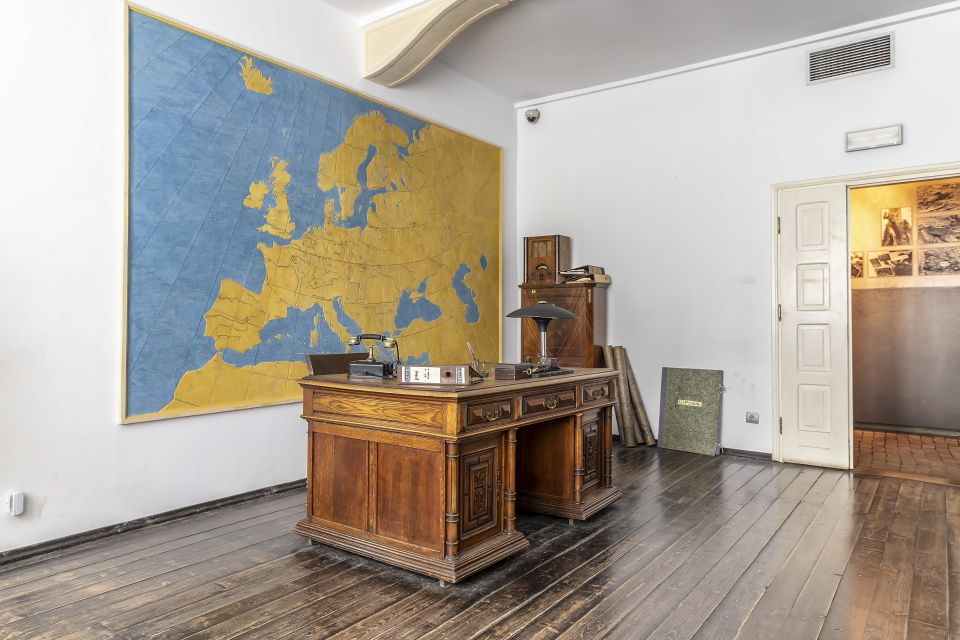
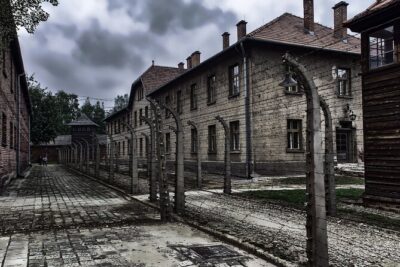
Day 2 takes you to Auschwitz-Birkenau Memorial and Museum, preserved intact as a reminder of the crime committed against humanity. This isn’t a light day, and it’s not meant to be. Your guide’s role is essential here because the site includes many elements that can overwhelm you if you’re trying to figure them out alone.
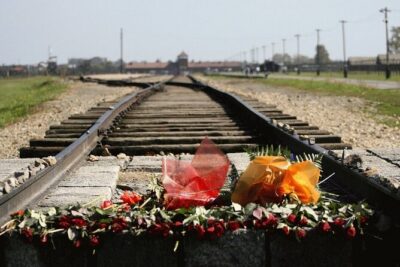
The museum experience includes preserved and visible parts such as the ruins of crematoria, gas chambers, the railway platform, and other elements from the camp area. Seeing these features matters, but seeing them with context matters more.
What you’ll get from a good guided approach is clarity: why certain areas were built, how the camp functioned, and what the preserved elements are meant to communicate. Your guide will provide those insights while you move through the areas the museum preserves.
The most important planning note for Auschwitz tickets
This tour requires special registration for Auschwitz-Birkenau State Museum entry, and admission tickets are personal. You must include your name and surname exactly as spelled on your ID document. If there’s a mismatch, you can run into problems at the gate—so double-check before anything is submitted.
Emotion and pacing
If you’re prone to shutting down when you’re upset, plan to pause. You don’t need to race through Auschwitz to do it justice.
Day 3 Wieliczka Salt Mine: Underground Chambers and Salt Sculptures
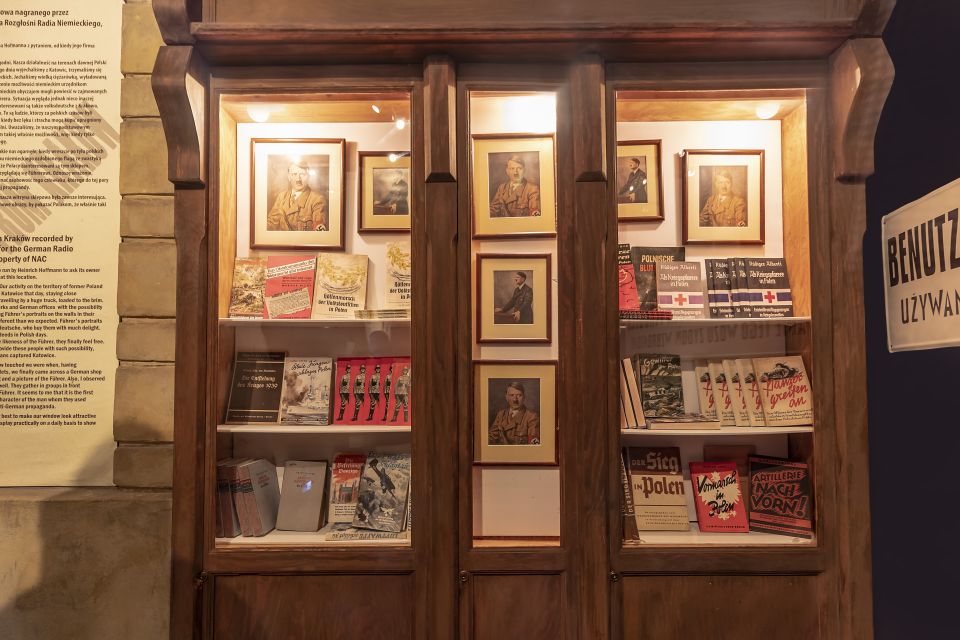
On the final day, you switch settings completely: you’re heading to Wieliczka Salt Mine, one of the oldest mines in the world. The mine is famous for the way it mixes practical mining with story and legend, and that combination shows up in the visitor experience.
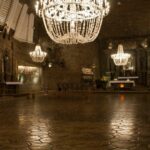
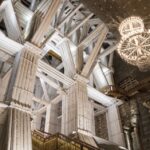
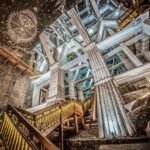
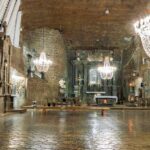
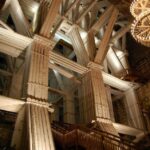
You’ll stroll past magnificent chambers, go through countless corridors, and see majestic salt sculptures. Even if you’ve heard about salt mines before, Wieliczka often surprises people because the underground spaces feel like rooms and halls, not just a tunnel ride.
This is where your eyes get to rest. After the emotional weight of Auschwitz, the mine’s visuals can feel almost restorative—still impressive, just not painful in the same way.
A consideration for Day 3
Think about comfort. Underground spaces can mean cooler air, and you’ll want to keep your energy for walking through a lot of connected areas.
Price and Value: Is $237 a Good Deal for This Mix?
At $237 per person, you’re paying for a structured, multi-day route that would be a hassle to piece together on your own. What makes this price feel reasonable is that it includes more than sightseeing.
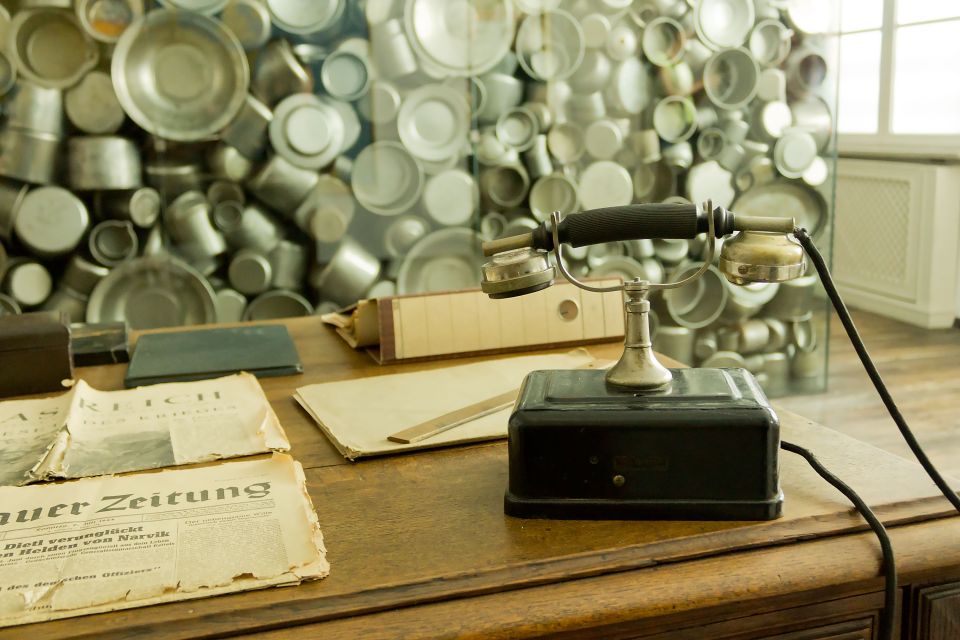
Your ticketed stops include Oskar Schindler’s Enamel Factory, Auschwitz-Birkenau Memorial and Museum, and Wieliczka Salt Mine. You also get expert guides, plus transfers covering Kraków–Wieliczka–Kraków and Kraków–Oswiecim–Kraków.
A big hidden value here is time. You’re not coordinating transport between three major sites plus the city walking portion. And with “skip the ticket line” included, you’re less likely to lose your day to queues at major attractions.
The tradeoff is that food and drinks are not included, and there’s no hotel pickup/drop-off. So you’ll want to budget for meals, and you’ll rely on the meeting point logistics you’re given.
If you like the idea of one plan, one guide, and predictable pacing across heavy and light experiences, this price fits the way it’s packaged.
Logistics That Matter on the Ground (Not Just on Paper)
A few practical pieces will make your trip easier:
- Bring a passport or ID card. It matters for Auschwitz personal ticket registration.
- Pack comfortable shoes. You’ll be walking in city streets and inside museum spaces.
- Bring warm clothing and rain gear. Kraków weather can shift fast, and you don’t want wet discomfort to steal your focus.
- Plan with sun in mind too: sunglasses and a sun hat are worth it.
Also, your meeting point is very specific: the guide meets you at the steps of the Old Synagogue, holding a sign that reads excursions.city. You’ll end back at that same meeting point, which is convenient.
One more note: INTERCRAC Ltd. is good about staying in touch. I found the WhatsApp and email communication useful because it reduces uncertainty day to day.
Who Should Book This Tour (and Who Might Reconsider)
This is a strong fit if you:
- Want guided context at Auschwitz rather than trying to read everything yourself
- Appreciate a mix of city history, WWII memory, and a major “wow” day at Wieliczka
- Prefer having transfers handled for out-of-town travel
It might not be the best match if you:
- Know you get overwhelmed by very heavy historical material and would prefer a more flexible pacing
- Are hoping for meals to be included (they aren’t)
- Want hotel pickup. This tour uses the stated meeting point instead
And a final note for most people: plan your mindset. Auschwitz will take emotional attention. Wieliczka will feel different. That swing is part of what makes the 3 days meaningful.
Should You Book This Kraków Jewish Quarter, Auschwitz, and Salt Mine Tour?
I think it’s a smart booking for the right traveler. The itinerary is efficient: you get Kazimierz and the ghetto memorial space on Day 1, a WWII history anchor at Schindler’s Enamel Factory, the guided preserved details at Auschwitz-Birkenau, and an impressive final reset at Wieliczka Salt Mine.
If you’re careful with Auschwitz name registration, you’ll remove the biggest avoidable headache. If you’re also comfortable walking and handling emotional content, this is the kind of tour that turns a list of places into a story you can actually follow.
If that sounds like you, book it. If it doesn’t, you can still visit these sites—but you’ll likely want a plan that matches your pace and emotional comfort level.
FAQ
How long is this tour?
It’s a 3-day tour. Exact starting times depend on availability.
Where does the tour start and end?
You meet your guide on the steps of the Old Synagogue. The guide holds a sign that reads excursions.city. The tour ends back at the meeting point.
What language is the tour guide?
The tour is offered with a live English guide.
What’s included in the price?
Included items are expert guides, entrance tickets to Oskar Schindler’s Enamel Factory, Wieliczka Salt Mine, and Auschwitz-Birkenau Memorial and Museum, plus transfers between Kraków and Wieliczka and between Kraków and Oswiecim.
Are food and drinks included?
No. Food and drinks are not included.
Is hotel pickup or drop-off included?
No. Hotel pickup and drop-off are not included.
Does the tour include skip-the-line access?
Yes. Skip the ticket line is listed as included.
Is Auschwitz entry ticket registration special?
Yes. Special registration is required for Auschwitz-Birkenau State Museum entry, and admission tickets are personal. Your name and surname must match your ID document exactly.
What should I bring?
Bring a passport or ID card, comfortable shoes, warm clothing, sunglasses, a sun hat, and rain gear.