REVIEW · KRAKOW
Krakow: Jewish-Style Klezmer Music Concert
Book on GetYourGuide →Operated by Cracow Concerts · Bookable on GetYourGuide
Krakow’s klezmer feels like time travel. This Jewish-style concert delivers authentic Klezmer performed by conservatory-trained pros who’ve played together for over 20 years, and you get it in the Dębinskim (Under Barrel) 15th-century tenement house. I especially like the atmosphere: it’s intimate, lively, and built for close listening. One thing to consider: the venue is an old building, and some people note it can smell musty and won’t have modern air-conditioning.
For $20 per person, you’re not buying a long show. You’re buying a focused hour: a short Old Town start, some wine tasting, then the concert itself (about 50 minutes) with a live guide in English or Polish. If you want something cultural but not exhausting after a day of big sights, this fits nicely.
In This Review
- Key things to know before you go
- Where the Music Happens: Dębinskim, Under Barrel, and the 15th-Century Room
- What You’re Hearing: Klezmer’s Yiddish Soul and Eastern-European Mix
- The Program Flow in Krakow Old Town: Teatr Figur to the Sławkowska Street Venue
- The Concert Itself: Close Listening, Real Musical Energy
- The “sound expectations” reality check
- Price and Value: Paying $20 for One Hour of Live Culture
- Who This Is Best For (and Who Should Rethink It)
- Tips to Get More Out of It
- Should You Book This Krakow Klezmer Concert?
- FAQ
- How long is the Klezmer music concert?
- How much does it cost?
- Where do I meet for the concert?
- What languages are available during the tour?
- Is there anything before the concert?
- What kind of music will I hear?
- How long has the band been performing together?
- Can I cancel for a refund?
Key things to know before you go
- Dębinskim (Under Barrel) setting: A historic 15th-century tenement house with a mid-16th-century restructure.
- Old-world Jewish music, mixed origins: Romanian, Greek, Ukrainian, Polish, and Turkish influences show up in the repertoire.
- Yiddish + instrumental program: You’ll hear pieces tied to Reform-Jewish folk traditions and songs rooted in Orthodox practice.
- Pros with chemistry: The musicians are conservatory graduates and have been performing together for 20+ years.
- Small-room listening: Expect a friendly, close experience rather than a concert-hall blast.
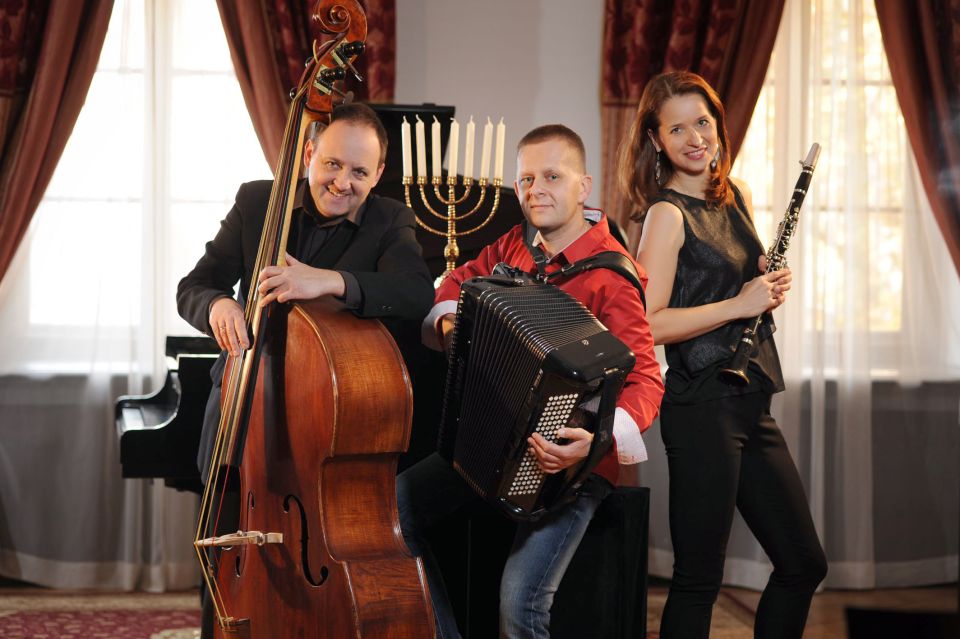
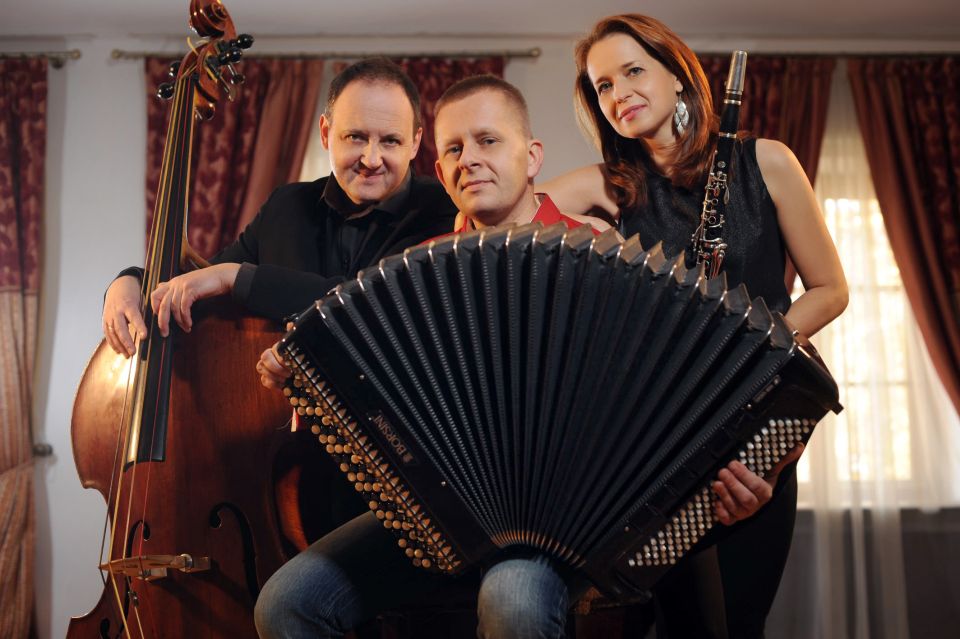
- Check the “what instruments will I hear?” detail: One reviewer said the performance wasn’t exactly what the photos suggested, so don’t assume a specific ensemble.
Where the Music Happens: Dębinskim, Under Barrel, and the 15th-Century Room
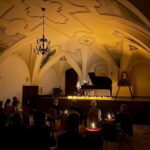
The big reason I think this concert works is the address is a character. The show takes place in an old tenement house called Dębinskim (also known as Under Barrel). It began as a one-story building in the 15th century, then got a thorough rework in the middle of the 16th century. That timeline matters because the room is basically built for closeness and sound that carries.
You’re not sitting in a sterile box. You’re in a lived-in-feeling space where the musicians can play with subtlety. That’s where Klezmer shines: the emotion is in bends, ornamentation, and rhythmic drive, not in volume alone. If you’ve ever heard Klezmer described as playful and mournful at the same time, this venue helps you catch that mood shift.
Practical tip: because it’s an older space, don’t assume modern comfort. Some audience members report musty odors and no air-conditioning. If you get heat-sensitive, plan ahead with a light layer and be ready to rely on basic ventilation rather than AC.
You can also read our reviews of more tours and experiences in Krakow
What You’re Hearing: Klezmer’s Yiddish Soul and Eastern-European Mix
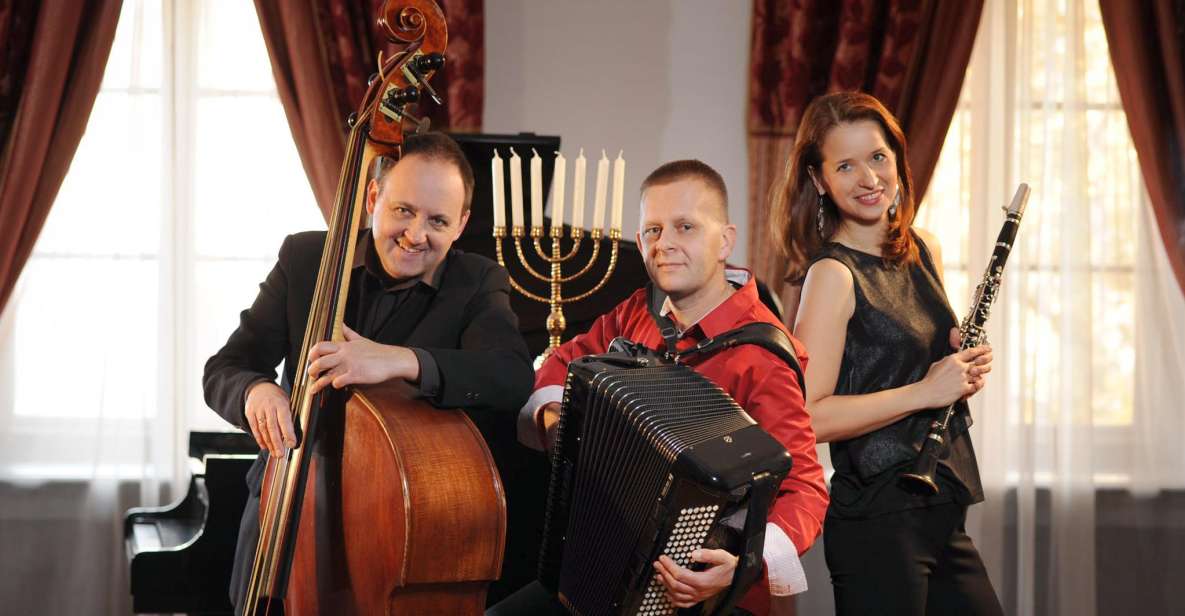
Klezmer music isn’t one single style. It’s a family of sounds shaped by travel, neighbors, and history. In this concert, you’re guided through that mix with a program that draws from Romanian, Greek, Ukrainian, Polish, and Turkish roots.
The repertoire is also described in two complementary lanes:
- Instrumental pieces connected with the folklore tradition linked to Reform Judaism.
- Songs in Yiddish rooted in the Orthodox Jewish tradition.
That combination is worth your attention because it keeps the music from turning into “background noise.” You’re hearing different social functions of the same broader culture: courtship and celebration in one moment, reflective or story-telling energy in another. And yes, the program is designed so that you might recognize one or two tunes—especially if you’ve heard Klezmer through recordings, weddings in popular media, or film music that borrows the style.
Also, the band is intentionally trained for this. They’re listed as conservatory graduates and have played together for more than 20 years. That matters because Klezmer isn’t just memorized notes. It’s timing, phrasing, and knowing how to “speak” through instruments—like turning a melody into a voice.
The Program Flow in Krakow Old Town: Teatr Figur to the Sławkowska Street Venue
This is structured as a short evening, not a day-long event. The experience is timed for an efficient evening in Old Town Krakow.
Here’s how the rhythm generally works:
- You start in the Old Town area (the program is associated with Teatr Figur).
- There’s wine tasting as part of the before-concert portion.
- Then you move to the concert space at the Klezmer Music Venue, 14 Sławkowska Street.
- The concert runs about 50 minutes, wrapped into a total 1-hour experience.
What I like about this pacing is that it solves a common Krakow problem. You can easily end up with back-to-back museum blocks, then wonder if your evening has any joy. This gives you something that’s human-scale and emotionally direct. Plus, the program sits close to the center, so you’re not wasting time on long transit after dinner.
One caution: because there are multiple labeled “starting” details (Old Town / Teatr Figur versus the formal meeting address on Sławkowska Street), don’t cut it close. Show up at the listed meeting point on 14 Sławkowska, then let the guide sort the flow. That way you’re relaxed if there’s a quick walk or handoff.
The Concert Itself: Close Listening, Real Musical Energy
The performance is delivered by rehearsed professionals, and it comes through fast. Multiple audience comments hit the same theme: the playing is skilled, but it’s also full of passion. In other words, it doesn’t feel like a museum demo. It feels like music that actually wants to be heard.
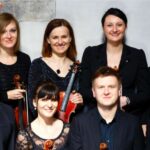
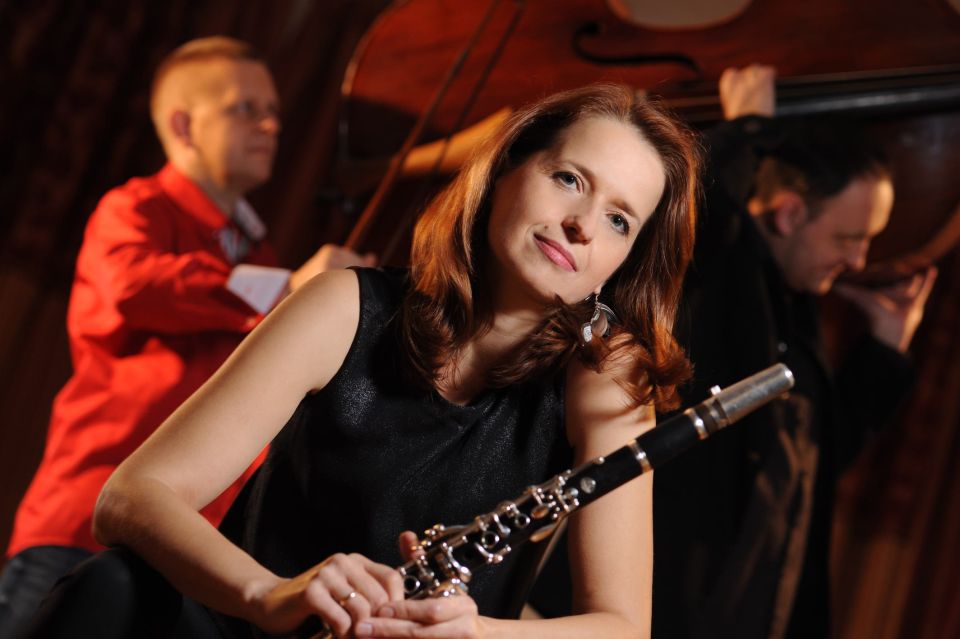
The instrumentation can vary by night, and one review specifically noted a mismatch between what was implied by a photo and what they heard in the room. Their concert used clarinet + accordion even though the listing images suggested a string-based setup. Another person described a different pairing with accordion and flute. So if you’re picking this for a particular instrument sound, don’t assume a single fixed lineup just because you saw one picture.
That said, the accordion presence makes a lot of sense. Klezmer and accordion go together naturally because the instrument can carry both melody and rhythmic bounce. In a small, historic room, those accents land cleanly.
Also, the space supports audience interaction without turning it into a show-and-tell performance. You’re watching musicians who are comfortable in front of people, not hiding behind a conductor platform. That’s why the atmosphere gets described as friendly and intimate.
The “sound expectations” reality check
Klezmer is not meant to be played like a club with heavy bass. One reviewer noted there was no big low-end punch and said the venue matched the general vibe of similar Chopin concerts rather than something modern with thumping audio. If you’re expecting a high-impact sound system, you might end up a little underwhelmed. But if you want nuance—breath, tonguing, fingerwork, ornamentation—this kind of setup is the right tool.
Price and Value: Paying $20 for One Hour of Live Culture
At $20 per person for an approximately 1-hour outing, I think the value is strong—mainly because of what you’re getting, not just the price number.
You’re paying for:
- A live concert by conservatory-trained performers.
- A setting with serious built-in atmosphere: a 15th-century tenement house.
- A live tour guide in English and Polish.
- A pre-concert wine tasting portion as part of the program.
In practical terms, this is one of those Krakow experiences that can be the best “culture per hour” choice. You’re not committing to a half-day. You’re not paying extra for transportation between far-flung sites. You’re basically buying a compact evening that moves at human speed.
And it’s especially appealing if you’re doing heavy history the same day. One reviewer went after a visit to Auschwitz and described the concert as a strong way to lift spirits. I can’t promise your emotional outcome, but I can say this kind of music often works as a reset: structured, expressive, and communal.
Who This Is Best For (and Who Should Rethink It)
This concert is a good fit if you:
- Want authentic Klezmer performed by trained musicians, not a casual street-music set.
- Like historic venues where the building adds to the mood.
- Prefer shorter evenings that still feel meaningful.
- Enjoy the emotional swing Klezmer can deliver, from lively dance energy to reflective melodies.
You might rethink it if you strongly need:
- Air-conditioned comfort. The venue is old, and some people report it can be musty with no air-conditioning.
- A concert experience that’s heavy on bass. Reviews mention the audio isn’t built like a modern sound system.
- A guaranteed fully bilingual introduction. One reviewer felt the English framing could have been better and said the introduction was only in Polish in their case. The guide is listed for English and Polish, but delivery can vary by night and audience flow.
Tips to Get More Out of It
A few practical moves make your experience smoother:
- Arrive early enough to settle in. Old rooms are part of the charm, but settling in helps you focus on listening instead of orientation.
- Dress for a possible draft or temperature swings. Since the building isn’t described as modern-climate controlled, wear something that lets you adjust.
- Keep an open mind about instruments. If you’re going to obsess over whether you’ll hear clarinet versus flute versus a bigger lineup, you might be disappointed. The core is Klezmer energy; the exact voice can shift.
- If you care about language, ask. Since the guide supports English and Polish, you can request clarity on how the introduction will be handled when you arrive.
- Go in ready to listen. This isn’t a passive background playlist. Give the musicians your full attention for the best payoff.
Should You Book This Krakow Klezmer Concert?
I’d recommend booking if you want a compact, emotionally engaging evening in Krakow with authentic Jewish-style Klezmer in a 15th-century tenement house. For $20, you’re getting live professional performance plus guidance, and the setting makes it feel more than just another ticketed activity.
Skip it or at least adjust expectations if you need modern comfort (AC), deep-bass audio, or a very specific instrumental lineup. If those are your dealbreakers, you’ll spend more energy managing discomfort than enjoying the music.
Bottom line: this is the kind of evening that adds warmth to a travel itinerary. If you like being close to musicians and hearing a tradition that carries both joy and longing, you’ll likely leave glad you made the time.
FAQ
How long is the Klezmer music concert?
The concert experience lasts about 1 hour, with the performance itself listed at around 50 minutes.
How much does it cost?
It costs $20 per person.
Where do I meet for the concert?
The meeting point is the Klezmer Music Venue at 14 Sławkowska Str.
What languages are available during the tour?
The live tour guide offers English and Polish.
Is there anything before the concert?
Yes. The program includes wine tasting before the concert.
What kind of music will I hear?
You’ll hear Jewish folk concert music influenced by Romanian, Greek, Ukrainian, Polish, and Turkish origins, with instrumental pieces and Yiddish songs tied to Orthodox and Reform traditions.
How long has the band been performing together?
The musicians have been performing together for over 20 years.
Can I cancel for a refund?
Yes. You can cancel up to 24 hours in advance for a full refund.