REVIEW · KRAKOW
Krakow: Jewish Quarter and Schindler’s Factory Guided Tour
Book on GetYourGuide →Operated by Thousand Miles Cracow Adventure Company · Bookable on GetYourGuide
Two Krakow stories, one guided walk. You’ll stroll Kazimierz with its Old Synagogue setting, then see Schindler’s Factory for WWII history with clear, human details. I especially like how the tour pairs centuries of community life with the WWII break that changed everything, and I also like the way today’s Kazimierz shows up through art, shops, and cafés. One caution: the museum content is heavy, and the interior spaces can feel tight if you’re in a larger group.
This is a live guided walking tour (210 minutes) that starts right in the neighborhood and includes entry to Oscar Schindler’s Factory. Guides are offered in English, French, German, Italian, and Spanish, and you also skip the ticket line for the factory museum.
In This Review
- Key things you’ll notice on this tour
- Why Kazimierz plus Schindler’s Factory works so well together
- Meeting at the Old Synagogue: where the story begins
- Remuh Synagogue and the cemetery area: seeing faith and geography
- Kazimierz today: art, cafés, and the neighborhood you can still feel
- Schindler’s Factory Museum: what you’ll learn and why it hits hard
- Timing and pacing: 210 minutes, mostly walking, emotionally full
- Price and value: what $69 covers, and what it doesn’t
- Who should book this tour in Krakow (and who should reconsider)
- Practical tips that make the day smoother
- Should you book this tour?
- FAQ
- How long is the Krakow Jewish Quarter and Schindler’s Factory guided tour?
- What is the meeting point?
- What languages are available for the live tour guide?
- What’s included in the price?
- Is food and drinks included?
- Is this tour suitable for children?
- Do I need ID for Schindler’s Factory Museum entry?
Key things you’ll notice on this tour
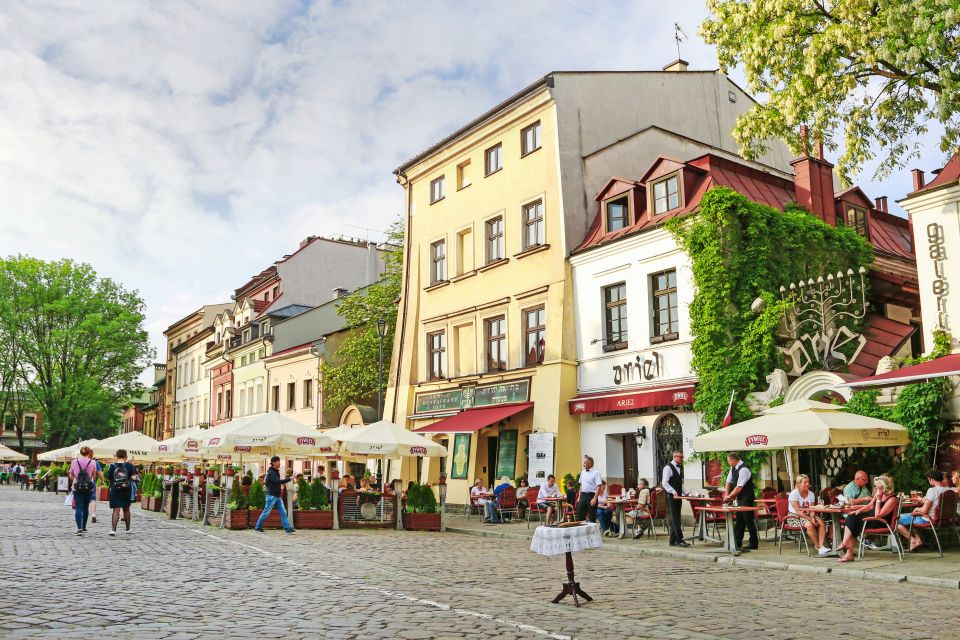
- Start at the Old Synagogue steps, inside the UNESCO World Heritage Kazimierz area
- Kazimierz after WWII in plain sight, with modern cafés and shops alongside old sites
- Remuh Synagogue and nearby cemetery views, for a sense of layout and continuity
- WWII events explained with specifics, including deportations and community devastation
- Schindler’s Factory Museum focus on documents and period details, plus the story behind Schindler’s List
- A long, mostly walking format, so plan for water and comfy shoes
Why Kazimierz plus Schindler’s Factory works so well together
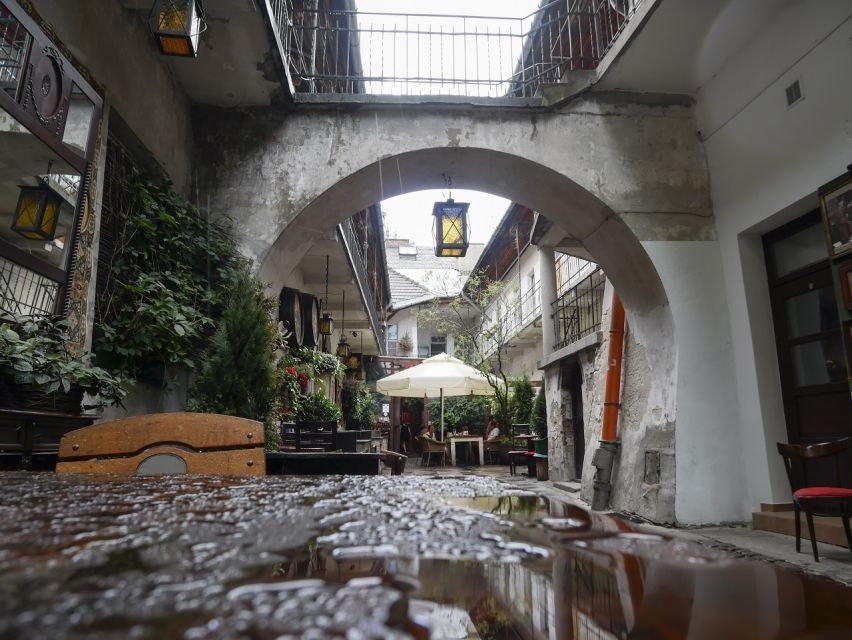
Krakow’s Kazimierz and Schindler’s Factory feel like two different worlds at first. Kazimierz is streets, synagogues, and everyday life that still has momentum today. Schindler’s Factory is about records, testimony, and the machinery of WWII that crushed normal life.
I like putting them together because your brain gets the contrast fast. You start in the place where Jewish life had its rhythm for centuries—then you leave with a clear sense of what the war did to that rhythm. It’s not just dates and names. It’s a neighborhood you can picture, followed by what destroyed it.
The tour is also good value for the structure: you’re paying for a guided walk plus an entry ticket to the Oscar Schindler’s Factory Museum. Food isn’t included, so you’ll be walking and learning rather than stopping for meals every hour.
You can also read our reviews of more guided tours in Krakow
Meeting at the Old Synagogue: where the story begins
You meet your guide on the steps of the Old Synagogue. That matters. Instead of starting with a lesson in a classroom, you begin right where the architecture and location do some of the teaching for you.
From there, you’ll walk through the Kazimierz Jewish Quarter, described as part of a UNESCO World Heritage site. Your guide shares how the district’s Jewish story goes back to at least the 14th century, and you’ll hear how segregation lasted well into the 19th century. The phrasing can be blunt here, because the topic is blunt: the separation of communities was real and long-lasting.
Then the tour moves into WWII. You’ll learn how deportations decimated the Jewish population in Krakow, and you’ll connect that to what you can still see on the streets now. Standing in a place that still carries the old layout helps the WWII material land in a more grounded way—less abstract, more human.
Remuh Synagogue and the cemetery area: seeing faith and geography
After the Old Synagogue, the itinerary shifts to Remuh Synagogue. Even if you don’t go inside, the quick stop gives you a visual anchor. It helps you understand that Kazimierz wasn’t one single site—it was a connected community with multiple religious landmarks.
The cemetery is nearby, and your guide gives you a glimpse of it. Cemetery space is different from most tourist sites: it’s quiet, it’s permanent, and it makes time feel heavier. In a tour like this, that’s useful. It helps you sense continuity in the middle of a narrative that includes forced endings.
A practical note that can affect your comfort: if you want to enter synagogues after the tour, men must cover their heads. It’s the kind of small rule that can turn into an awkward moment if you’re not ready, so bring something simple if you think you’ll want to go inside.
Kazimierz today: art, cafés, and the neighborhood you can still feel
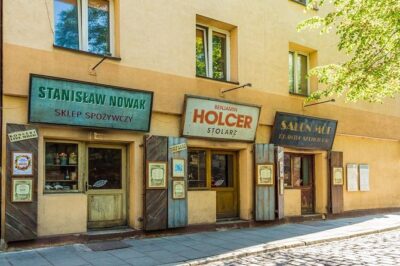
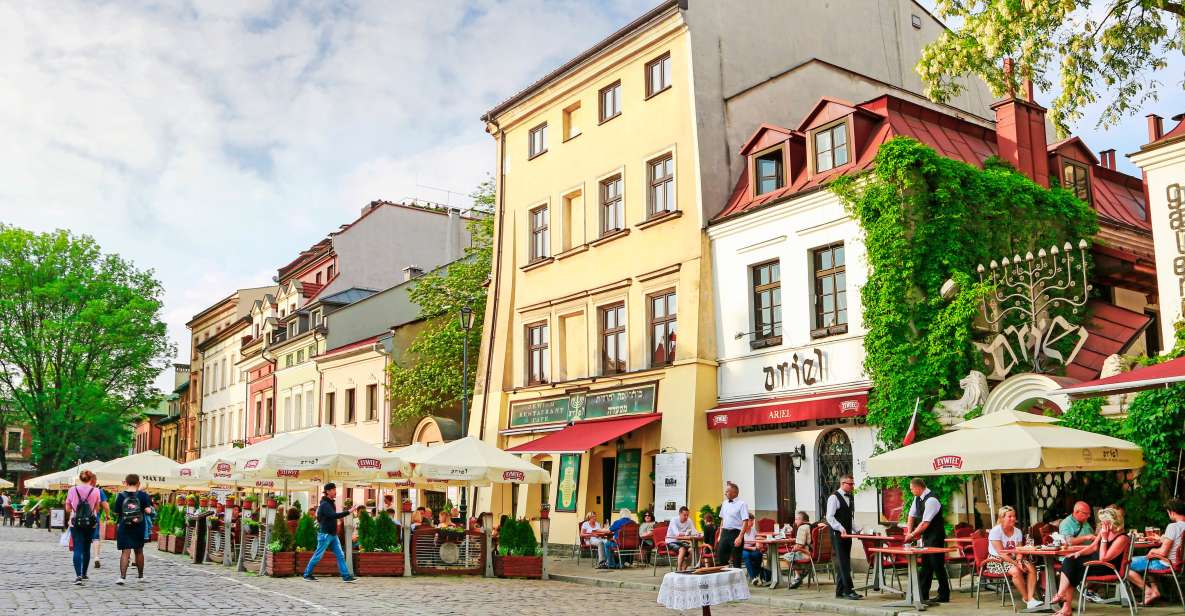
Between the solemn stops, you’ll get time to understand Kazimierz as it is now. The tour includes a look at the modern side of the district—shops and cafés, plus a “beatnik vibe” that comes through in the street feel.
This matters because it keeps the story from becoming only tragedy. Kazimierz is still a living neighborhood. You’ll see that through how people shop, eat, and gather, not through staged performances. Your guide’s job is to keep both truths in your head at the same time: old life existed, and it also ended brutally; today’s streets carry memory without freezing everything in the past.
If you’re the type who wants more than photos, this segment is often the part people remember most. It’s where the walking becomes more than transport between landmarks—you start to recognize the mood of the area.
Schindler’s Factory Museum: what you’ll learn and why it hits hard
The heart of the afternoon is Oscar Schindler’s Factory Museum. You’ll get entry to the museum, and the tour includes the guided explanation that ties the exhibits to Krakow’s WWII reality.
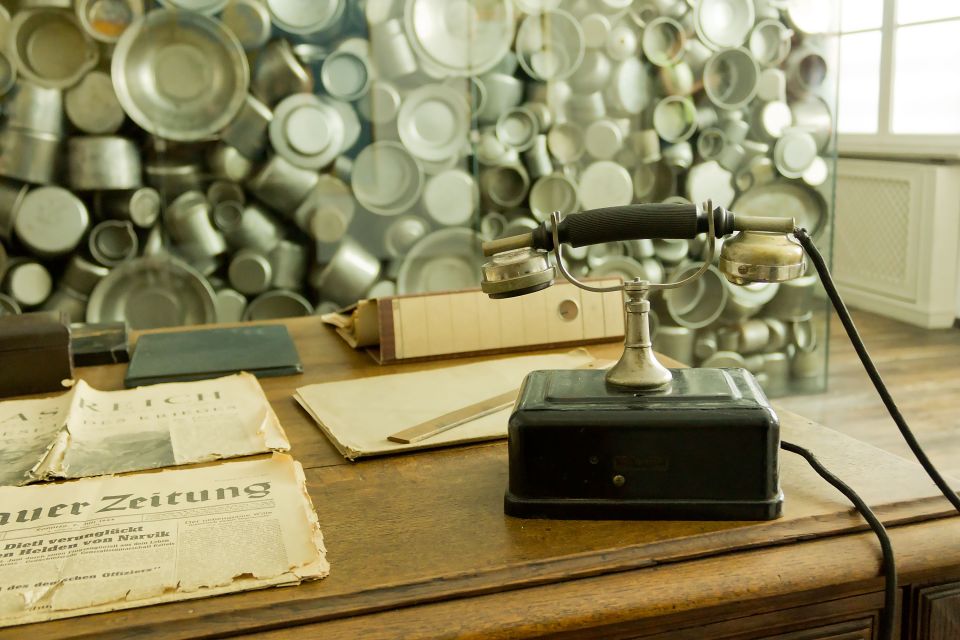
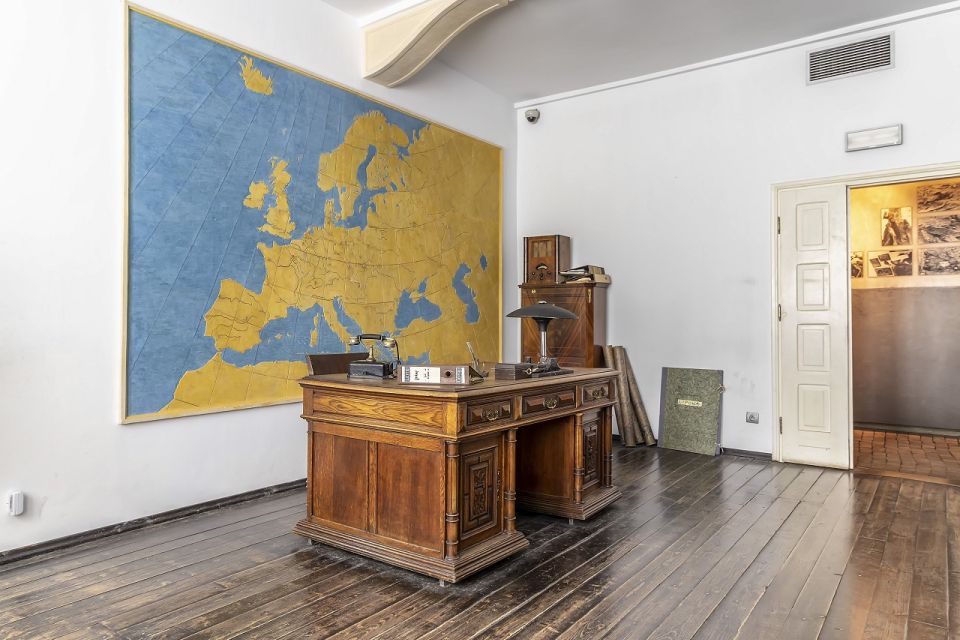
This museum focuses on tragedy through period material—documents, furniture, and clothing from the era. That kind of detail can make the story feel closer than you expect. It’s not just what happened; it’s the setting where it happened and the evidence that survives.
You also learn the story of the German entrepreneur who tried to save many Jews. That account is important on its own, but it’s also the reason the story is tied to Stephen Spielberg’s film Schindler’s List. Your guide helps you understand how the real-life events connect to the way popular culture remembers them—without turning it into entertainment.
A key caution: the museum contains tragic stories that could upset children under 14. If you’re traveling with kids near that age, treat it as a serious discussion topic, not a casual sightseeing stop.
Timing and pacing: 210 minutes, mostly walking, emotionally full
The total duration is 210 minutes. That’s long enough to cover multiple areas of Kazimierz and still settle into the museum experience.
One thing to plan for: this day isn’t built around frequent breaks. If you’re sensitive to long stretches on your feet, wear shoes you trust, and drink water early. The tour format can mean you’re in motion for a while, then you’re standing in tighter museum rooms for the exhibition itself.
Also watch the group dynamic. When museum spaces are narrow, you’ll naturally slow down around exhibits and corridors. It’s not a failure of the tour—it’s just physics. If you get claustrophobic, it’s worth knowing ahead of time that parts of the museum can feel crowded.
Price and value: what $69 covers, and what it doesn’t
At $69 per person, you’re paying for two big pieces: a guided walking tour in Kazimierz plus an entry ticket to Schindler’s Factory. For many visitors, the museum alone is the costly part, and the guide is the thing that turns the museum from a collection of rooms into a story you can follow.
What’s not included is food and drinks. That’s normal for walking tours, but it’s something you should respect. Bring a water bottle, and plan to buy snacks on your own either before or after, based on how your group pace works.
For value-minded travelers, the “skip the ticket line” detail is also practical. It reduces waiting time so you can spend more time on the guided content rather than queue time.
Who should book this tour in Krakow (and who should reconsider)
This tour is best for adults and teens comfortable with WWII history presented directly. If you want an organized route through Kazimierz’s main landmarks—Old Synagogue, Remuh, and the Jewish cemetery area—this gives you an efficient, guided framework.
I think it’s especially good if you like context. The guide isn’t just showing you buildings; you’re learning why the neighborhood was shaped the way it was and how WWII shattered that community.
It’s also a strong choice if you’re a film fan of Schindler’s List, because the tour explains the story behind it rather than treating the movie as the only reference point.
If you’re traveling with children under 14, you should seriously consider skipping. The museum’s WWII content may be upsetting, and the tour isn’t designed as a kid-friendly format.
Practical tips that make the day smoother
A few details can make your experience far less stressful:
- Wear comfortable shoes. You’ll be walking through the district and then spending time inside the museum.
- Bring water. You may not have frequent chances to refill.
- Men should plan for head covering if you want to enter synagogues after the tour.
- Schindler’s Factory dates and times can be subject to museum scheduling changes. For trips starting on or after January 1, 2026, times are approximate and not guaranteed.
- From January 1, 2026, you’ll need full names for all participants and a passport or ID for museum entry. If you’re booking multiple people, get names spelled exactly right.
Language is solid: English, French, German, Italian, and Spanish are available, so you should be able to pick a language you’re comfortable understanding for heavy material.
Should you book this tour?
I’d book it if you want more than a sightseeing checklist. This combination of Kazimierz walking plus a guided visit to Oscar Schindler’s Factory is one of the clearest ways to understand Krakow’s Jewish story across time—community life, long segregation, WWII deportations, and the preservation of evidence.
Skip it if you need a light day, or if you’re traveling with children under 14 who might struggle with distressing WWII narratives. And if you dislike crowded indoor spaces, know that the museum can feel tight when groups are large.
If you fall in the first group—curious, respectful, ready for emotion—this is a well-structured Krakow experience that’s worth the time.
FAQ
How long is the Krakow Jewish Quarter and Schindler’s Factory guided tour?
The duration is 210 minutes.
What is the meeting point?
The meeting point may vary depending on the option booked.
What languages are available for the live tour guide?
The tour offers live guides in Spanish, Italian, German, English, and French.
What’s included in the price?
You get a guided walking tour of Kazimierz and an entry ticket to Oscar Schindler’s Factory.
Is food and drinks included?
No. Food and drinks are not included.
Is this tour suitable for children?
It is not suitable for children under 14, since the Schindler’s Factory Museum includes tragic stories that could upset children under 14.
Do I need ID for Schindler’s Factory Museum entry?
From January 1, 2026, you must provide full names of all participants and bring a passport or ID for entry to Schindler’s Factory Museum, or entry may be denied.