REVIEW · KRAKOW
Krakow Jewish District Tour in a Small Group
Book on GetYourGuide →Operated by Hussar Travel · Bookable on GetYourGuide
Krakow has two neighborhoods you should meet. This small-group tour connects the old Jewish quarter of Kazimierz with key locations tied to the WWII-era Krakow Jewish Ghetto, so the story unfolds block by block instead of as a list.
I love walking Szeroka Street while your guide explains what everyday life looked like for the Jewish community centuries ago. I also like the small group size (up to 10), because you can actually ask questions and hear the answers without yelling over other people.
One possible drawback: entrance fees for Remuh Synagogue and the Jewish cemetery are not included, and several stops are short since the whole tour is timed for a 2-hour overview.
In This Review
- Key things to know before you go
- Kazimierz and the ghetto in 2 hours: what you really get
- Meeting at Szeroka 6: setting a good pace right away
- Remuh Synagogue and the Old Jewish Cemetery: where architecture carries memory
- The Old Synagogue and Popper Synagogue: what to notice in each short visit
- Tempel Synagogue: a Reform clue in plain sight
- High Synagogue and Isaak Synagogue: small stops that add up
- Mikveh building, Helena Rubinstein Family House, and the JCC: life beyond prayers
- Jan Karski and the movie-linked site: connecting memory to place
- The former ghetto site: Heroes Square, walls, and Eagle Pharmacy
- Cost and value: is $59 a fair deal?
- Who should book this tour
- Should you book the Krakow Jewish District tour?
- FAQ
- How long is the Krakow Jewish District tour?
- What is the group size?
- Where does the tour start?
- Is the tour available in English?
- Is the tour wheelchair accessible?
- What is included in the price?
- Do I need to pay entrance fees?
- Can I get a refund if I cancel?
Key things to know before you go
- Licensed English guide with a walking format that keeps moving and focused
- Kazimierz synagogues on the route: Remuh, Old Synagogue, Tempel, Isaak, Popper, High Synagogue
- Old Jewish Cemetery area connected with Remuh Synagogue
- Schindler’s List locations tied to Mrs. Dresner courtyard and stairs
- Ghetto Heroes Square, ghetto walls, and Eagle Pharmacy for WWII context
- Up to 10 people, so the pace feels personal, not rushed by a big crowd
Kazimierz and the ghetto in 2 hours: what you really get
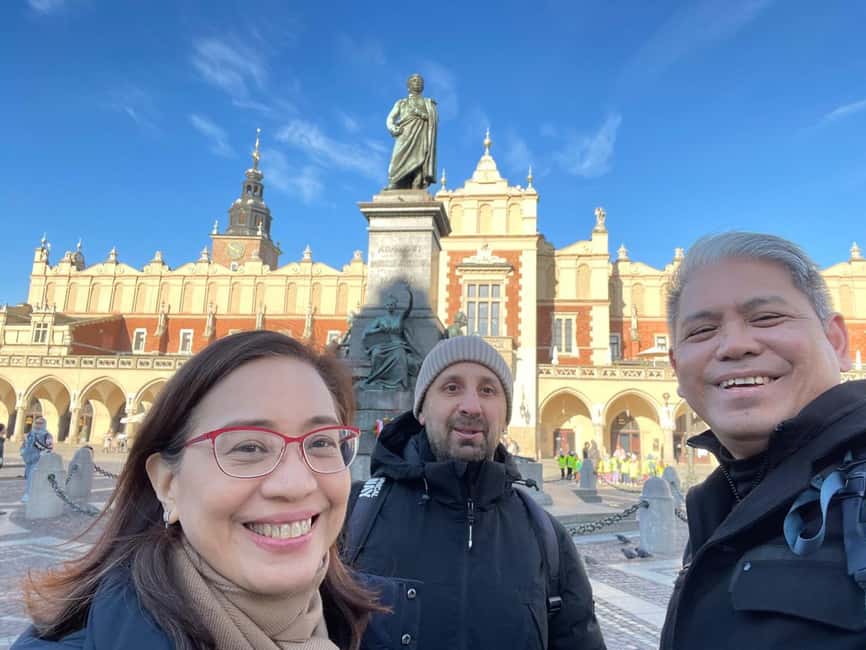
If you only have a short window in Krakow, this tour gives you a focused route through the places you’ll recognize on postcards and in movies. It starts in Kazimierz, the old Jewish quarter, then shifts to the former Jewish ghetto created during WWII by Nazi Germans.
What makes it especially useful is the structure. You see major religious sites first, then you move into the harsh reality of the ghetto area, including the walls and memorial-style stops. It is not meant to be a semester-long course, but it does build context fast so you can understand what you’re looking at.
You can also read our reviews of more tours and experiences in Krakow.
Meeting at Szeroka 6: setting a good pace right away
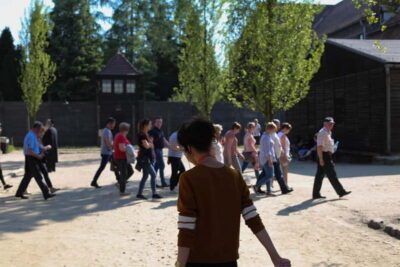
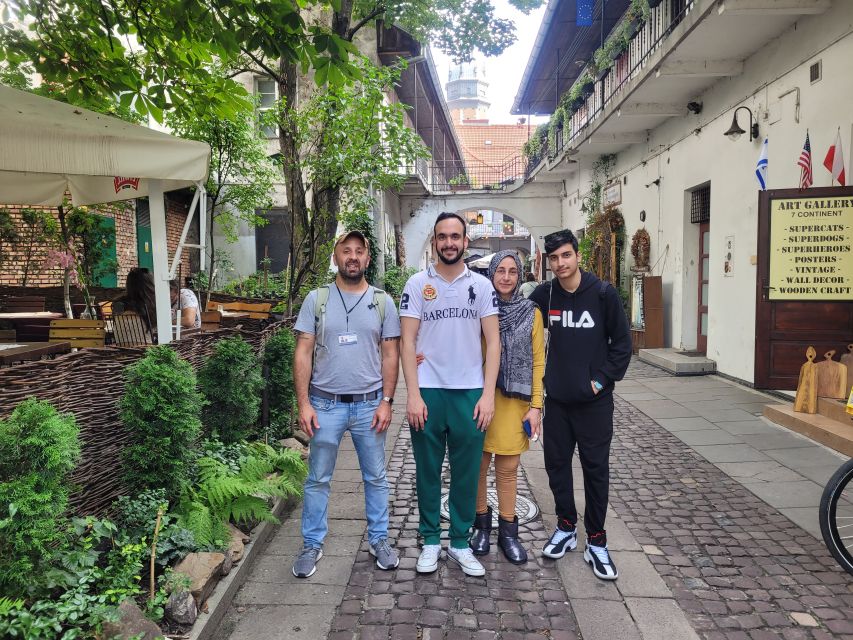
You meet at Szeroka 6, then begin with a slow, informative introduction along Szeroka Street. That first stretch matters because Szeroka Street was the center of social life for the Jewish community in earlier centuries, not just a pretty street you pass through. You’re on foot early, which helps you get your bearings without waiting.
The tour includes a guided segment on Szeroka Street (about 20 minutes). That’s long enough for your guide to set the tone, explain key turning points, and connect buildings you’ll see later. Wear comfortable shoes. You’ll be walking and pausing often, and the whole route is built around quick, meaningful stop-and-look moments.
Remuh Synagogue and the Old Jewish Cemetery: where architecture carries memory
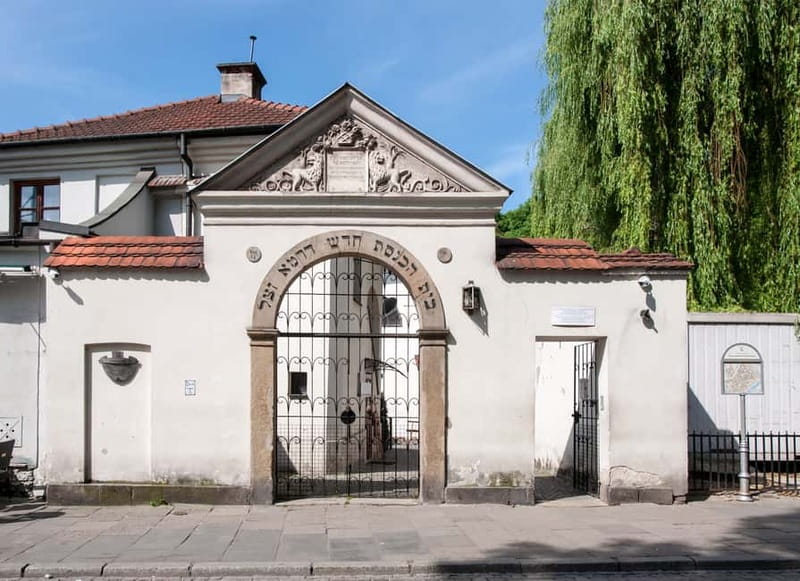
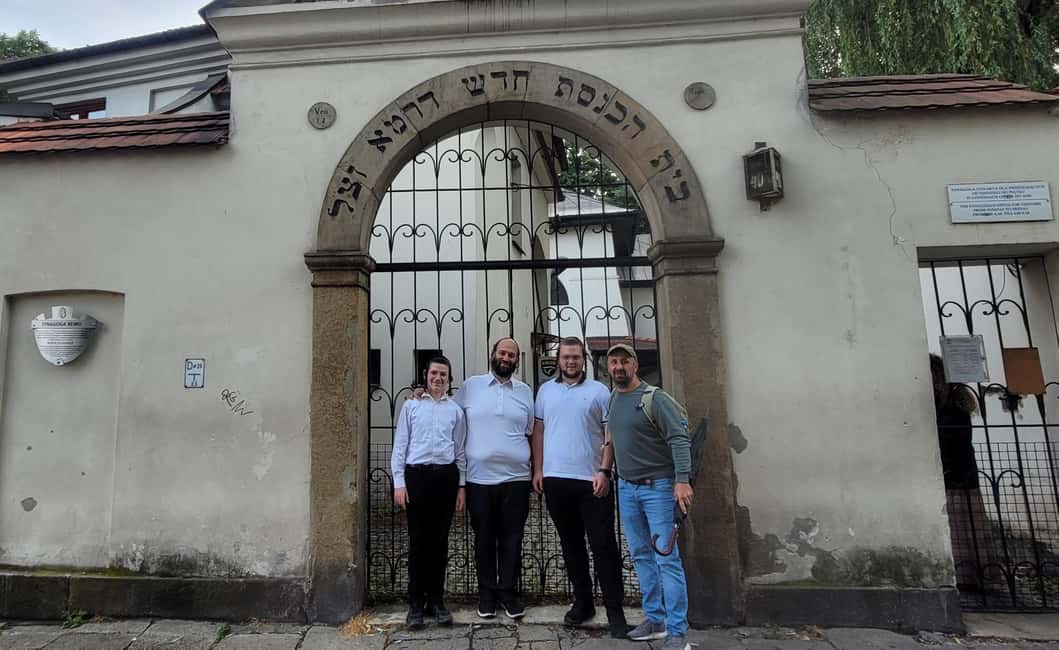
Remuh Synagogue is one of the stop highlights, and you get a short sightseeing block there (about 10 minutes). This is one of those places where details matter: you’re not just sightseeing, you’re seeing a living piece of Jewish religious life tied to the community that once thrived in Krakow.
You also connect with the old Jewish cemetery area during this part of the route. The tour does not include entrance fees for Remuh Synagogue and the Jewish cemetery, so plan to pay on-site if you want to go in. For many people, that extra cost is worth it because it turns the story from buildings into people.
The Old Synagogue and Popper Synagogue: what to notice in each short visit
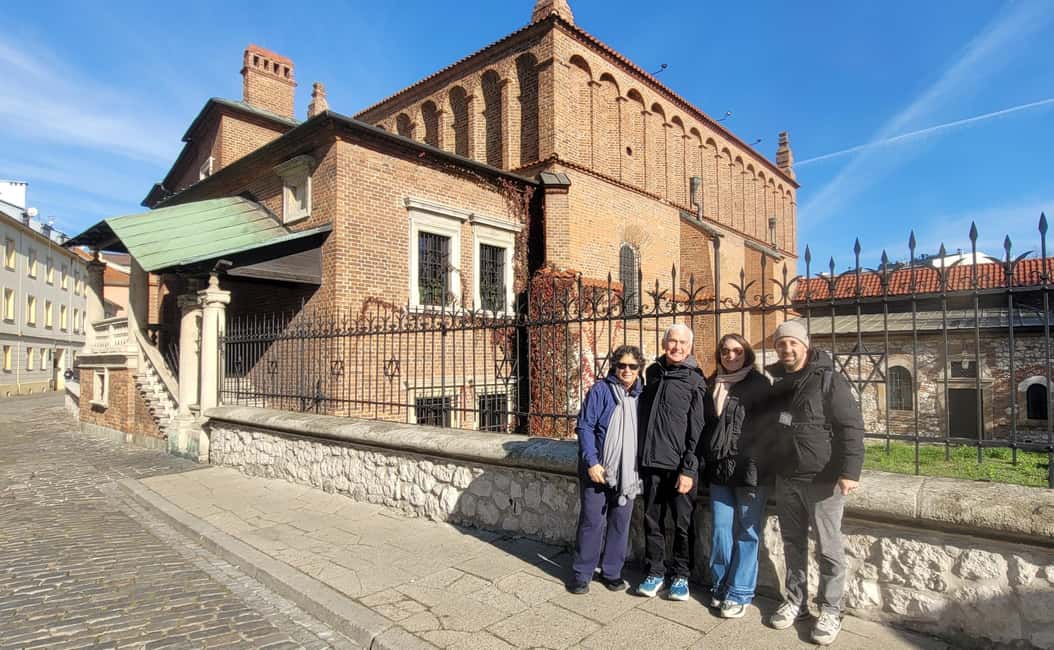
After Remuh, the route moves to the Old Synagogue (about 10 minutes guided). The guide’s job here is to help you read the space, not just name it. In a short time, you’ll get the basics of why this synagogue matters and how it fits into Kazimierz’s long timeline.
Then you’ll stop at Popper Synagogue for another short sightseeing window (around 10 minutes). This stop is useful if you like contrasts: different synagogues can reflect different communities, traditions, and styles. Even with brief time, you’ll come away with the sense that Kazimierz was never one single uniform culture. It was a range of Jewish life, connected but not identical.
Tempel Synagogue: a Reform clue in plain sight
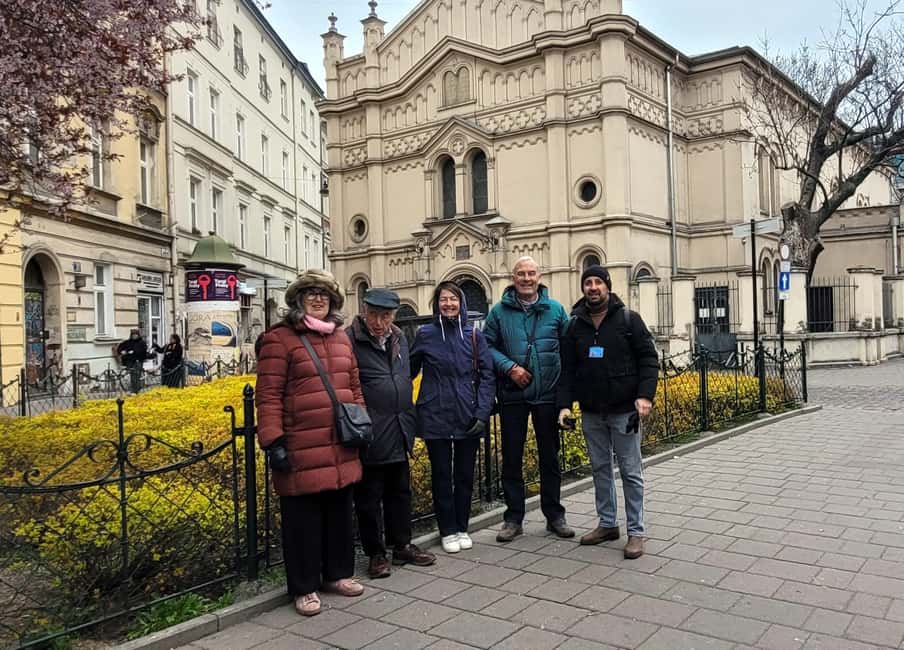
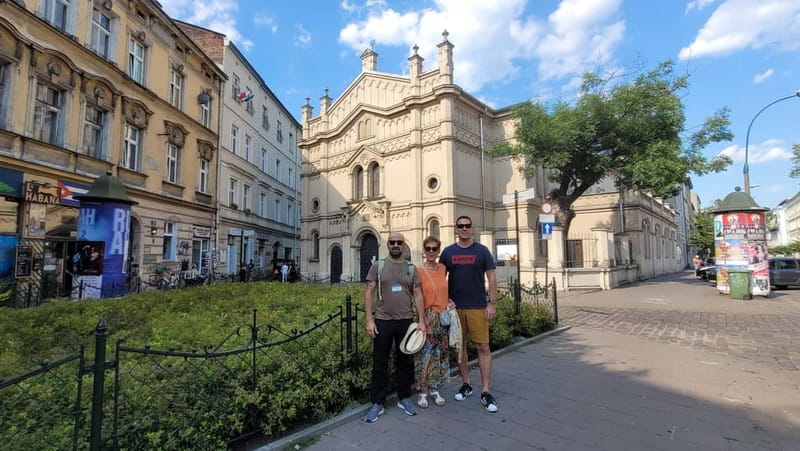
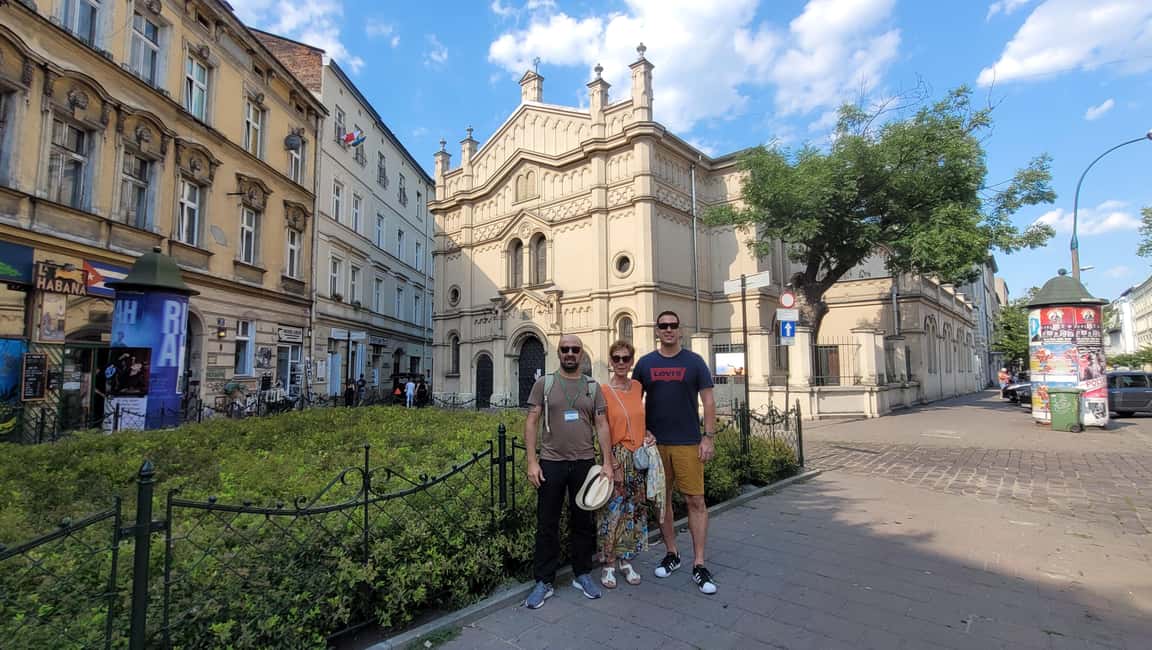
Tempel Synagogue is next, with a guided visit (about 10 minutes). You’re told it’s a Reformed Jews synagogue, which gives you a key interpretive lens as you look around. That kind of label is handy, because it stops the tour from becoming only about dates and locations.
Tempel also helps you see how the Jewish quarter wasn’t frozen in time. Different parts of the community organized worship differently, and those choices shaped how buildings were used and understood. Short stop or not, you’ll leave with a clearer picture of why multiple synagogues exist within walking distance.
High Synagogue and Isaak Synagogue: small stops that add up
You’ll head toward Plac Nowy next (about 10 minutes sightseeing). Plac Nowy was a trade center for Jews in Krakow, which changes the mood from purely religious spaces to the everyday economy. It’s a reminder that Kazimierz wasn’t only about worship. It was also commerce, social life, and daily work.
Then you’ll visit Izaak Synagogue (about 5 minutes guided) and the High Synagogue (about 5 minutes sightseeing). These are quick stops by design, so you get the names and the core context, but not a long slow museum-style explanation. The upside is momentum: you keep moving through the quarter instead of spending the whole tour stuck at one place.
If you have strong interest in architecture or religious practice, you may want to follow up on your own after the tour. Consider this your orientation map, not the final destination.
Mikveh building, Helena Rubinstein Family House, and the JCC: life beyond prayers
Kazimierz isn’t only synagogues. The tour also includes stops tied to other parts of community life. You’ll learn about the greater Mikveh building, described as a ritual Jewish bath. That matters because it shows religious practice wasn’t limited to the sanctuary.
You’ll also pass or be shown the Helena Rubinstein Family House and the Krakow J.C.C. Jewish Community Center. Even if you only get a short explanation at each, these places help you understand how community institutions shaped everyday rhythms. Think: teaching, gathering, and support.
This is one of the reasons the small-group format works. With up to 10 people, the guide can tailor explanations to the questions you ask, especially if you’re curious about how Jewish community structures operated beyond worship.
Jan Karski and the movie-linked site: connecting memory to place
One stop included is the Jan Karski Statue, described as the man who tried to stop the Holocaust. Even in a brief visit, that kind of anchor gives you moral and historical context. It shifts the focus from buildings to choices made by individuals under extreme circumstances.
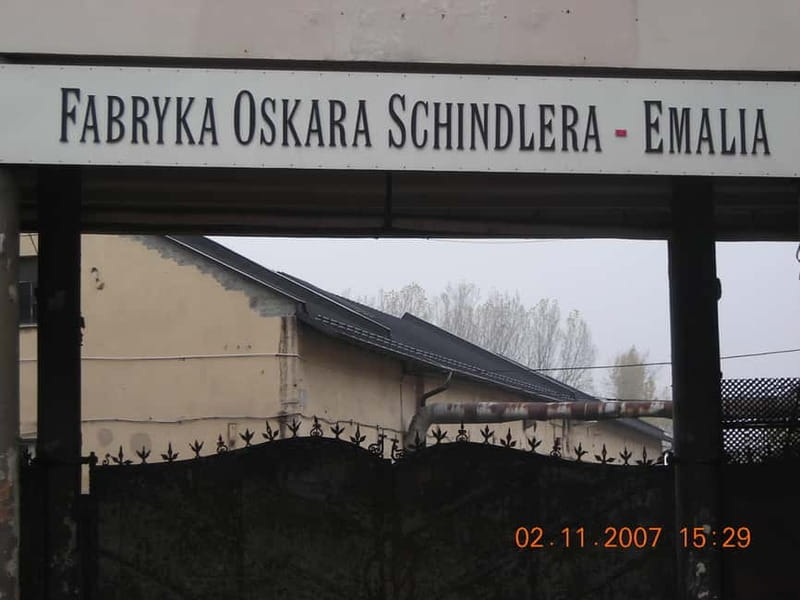
You’ll also visit Mrs. Dresner courtyard and stairs, identified as a site from Schindler’s List. If you’ve seen the film, this part helps you connect what you remember to actual streets and spatial reality. It can also be emotionally heavy, so give yourself a moment to process. If you’re the type who likes to take photos, pause first and look second. The point here is understanding.
The former ghetto site: Heroes Square, walls, and Eagle Pharmacy
The tour’s second half turns to the Krakow Jewish Ghetto site. You get a guided segment here (about 20 minutes), plus a stop at Ghetto Heroes Square (about 10 minutes sightseeing). This part changes the atmosphere quickly because you’re moving into the physical footprint of confinement and persecution.
You’ll see the ghetto walls, which are a central part of understanding what life meant there. Even when the remaining structures are limited, the idea is clear: walls shaped movement, access, and daily survival. The guide’s job is to explain how the geography translated into control.
Then comes Eagle Pharmacy. You’re told it was owned by the ghetto’s only non-Jewish resident, which makes it a standout detail. It’s one of those moments that helps you imagine the human complexity inside a system designed to erase complexity. You’ll also see Ghetto Heroes Square, which keeps the focus on remembrance and the people whose stories belong here.
Cost and value: is $59 a fair deal?
At $59 per person for about 2 hours, the value is strong for a few reasons. First, you get a licensed tour guide service and a live English guide. Second, the tour is built to be efficient: you cover Kazimierz synagogues and major WWII ghetto locations without needing to plan the route yourself.
The main budget caveat is that entrance fees for Remuh Synagogue and the old Jewish cemetery are not included. If you want those interiors, set aside extra money for tickets on-site. Still, even with that add-on, this tour often makes sense if you’re trying to learn fast and see the most relevant sites without spending half a day mapping transit and entrances.
Who should book this tour
I’d point you to this tour if you want a clear, walkable overview of Krakow’s Jewish sites, especially if your time is limited. It’s also a good match if you like structure: you’ll get named stops, short guided explanations, and a logical flow from Kazimierz to the WWII ghetto.
This tour is also a practical choice for people who prefer smaller groups. Up to 10 participants means the guide can respond to your pace and questions.
If you’re looking for a super long, slow, ultra-detailed religious-architecture tour, this may feel brief in places. But as an orientation and context builder, it’s a solid plan.
Should you book the Krakow Jewish District tour?
Yes, if you want a guided walk that ties together Kazimierz life and WWII ghetto reality in one coherent route. The small-group size, the licensed English guide, and the specific named stops like Remuh Synagogue, the Old Jewish Cemetery area, Ghetto Heroes Square, and Eagle Pharmacy make it worth your time.
Before you go, do one thing: think of this as a foundation. Bring comfortable shoes, expect a few short stops, and be ready to pay entrance fees if you want Remuh and the cemetery interiors. If that fits your style, you’ll leave Krakow understanding what you’re seeing, not just where it is.
FAQ
How long is the Krakow Jewish District tour?
The tour lasts 2 hours.
What is the group size?
It is a small group limited to 10 participants.
Where does the tour start?
The starting location is Szeroka 6.
Is the tour available in English?
Yes, the live tour guide provides the tour in English.
Is the tour wheelchair accessible?
Yes, the tour is listed as wheelchair accessible.
What is included in the price?
The licensed tour guide service is included, and the tour includes a skip the ticket line benefit.
Do I need to pay entrance fees?
Entrance fees to Remuh Synagogue and the Jewish cemetery are not included.
Can I get a refund if I cancel?
Yes. You can cancel up to 24 hours in advance for a full refund.