REVIEW · KRAKOW
Krakow: Guided Tour to Nowa Huta on Commie Retro Van
Book on GetYourGuide →Operated by eNHa Trip Nowa Huta tour · Bookable on GetYourGuide
Nowa Huta arrives with a soundtrack: squeaky steel and old radio chatter. This guided tour to Poland’s former planned socialist city sends you there on an authentic Soviet-era UAZ 452 van, so the trip feels like part of the history. You’ll stop at key Nowa Huta sites connected to the Vladimir Lenin Steelworks story and get time for photos in the middle of the real places.
I especially like two things: the way the guide connects the Cold War-era planning to what you can actually see on the ground, and the chance to get close to a World War 2 IS2 heavy tank rather than just looking at it from far away. If you’re lucky enough to have Mateusz, his personal connection to Nowa Huta shows, and his storytelling stays focused on real details instead of facts dumped from a script.
One consideration: these vehicles are genuine relics, so mechanical hiccups are possible. The good news is there’s a contingency plan to switch to another vehicle from the era if needed, but you should still expect the “old machine” vibe to be part of the experience.
In This Review
- Key things to know before you go
- Riding the UAZ 452: why the transport is half the story
- Nowa Huta’s big idea: a planned socialist city around the steelworks
- The pickup and first ride: getting to the planning district without stress
- Stop at Ronalda Reagana b1: learning how the district is organized
- The steelworks area around Tadeusza Sendzimira 2: gates, stories, and what’s behind them
- Switching back to the van: small rides that keep the day flowing
- The tank moment: World War 2 IS2 photos you’ll actually want
- Cold War shelter option: what you gain if it’s included
- Who the guide experience is best for (and why it matters)
- Price and value: is $241 per group up to 4 fair
- Comfort, mobility, and what to pack
- Languages and how questions work on the day
- Should you book this Nowa Huta retro van tour?
- FAQ
- How long is the Nowa Huta guided tour by retro van?
- What’s included in the price?
- Is food included?
- What type of group is it?
- Do I get to choose shared vs private?
- What languages is the guide available in?
- What if the vintage vehicle has a mechanical problem?
- Is this tour suitable for wheelchair users or people with mobility impairments?
- Can I get a full refund if I cancel?
Key things to know before you go
- Retro UAZ 452 ride: a Soviet 8-seater experience with a very real feel of the period
- Vladimir Lenin Steelworks connections: including stops tied to big-world political visits like Charles de Gaulle and Fidel Castro
- IS2 tank photo time: freeze your memories next to a real WWII heavy tank
- Cold War shelter option (if available): add an underground stop if your chosen option includes it
- Private-group comfort: pickup and drop-off with an English-speaking guide, plus Russian/Polish if needed
Riding the UAZ 452: why the transport is half the story
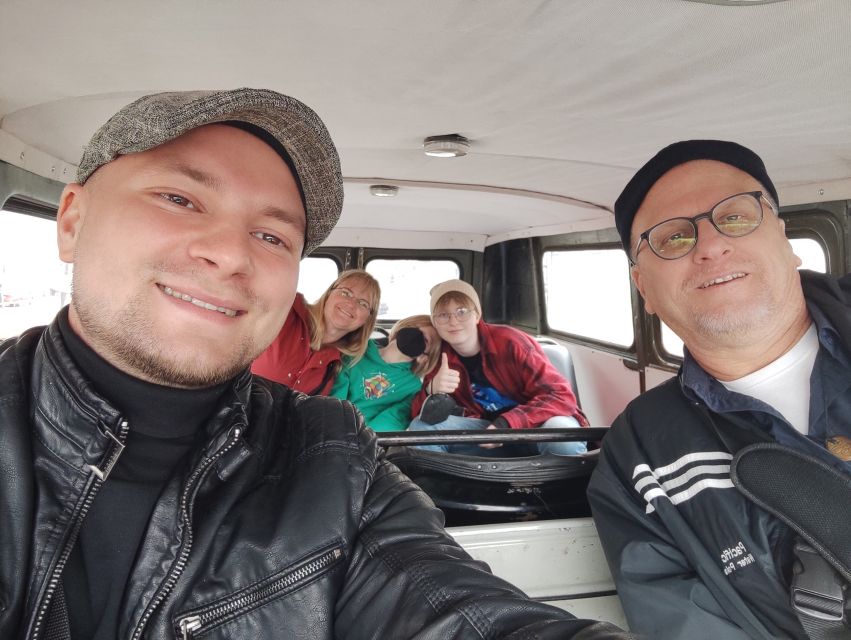
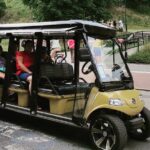
In most Krakow day trips, you take a bus, sit down, and wait for the next stop. Here, the van is the first attraction. The UAZ 452 is an authentic Soviet-era vehicle, and even before you reach Nowa Huta, you’re already inside the mood: utilitarian seats, old-school design, and that slightly surreal feeling that you’ve stepped into a documentary.
This matters because Nowa Huta isn’t just “a district.” It was planned, built, and lived in with a Cold War mindset. Traveling by a period-appropriate vehicle helps you understand why the people who built it were so serious about ideology, industry, and control of daily life. It also makes the whole day feel like an experience, not a checklist.
There’s also a practical upside. Because it’s a private group setup, the pace feels more adjustable, and the guide can slow down when you’re looking at gates, buildings, and details up close.
You can also read our reviews of more guided tours in Krakow
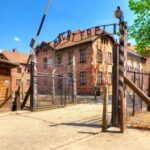
Nowa Huta’s big idea: a planned socialist city around the steelworks
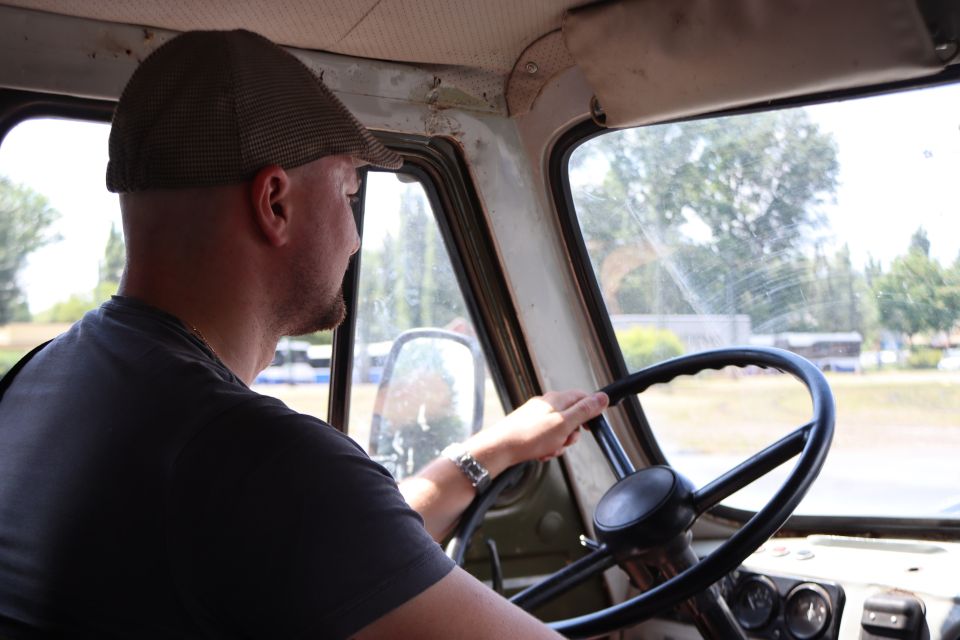
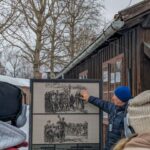
Nowa Huta was designed as an idealized socialist city, built around heavy industry. The centerpiece was the Vladimir Lenin Steelworks, and the tour focuses on that connection—how planning and power show up in street layouts, monumental buildings, and access points.
You’ll hear stories that connect the steelworks to famous political visitors, including references to Charles de Gaulle and Fidel Castro visiting the gates. That’s not trivia for trivia’s sake. It gives context for why this place mattered beyond Poland—because the steelworks represented strength, modernity, and state ambition, all at once.
One of the most interesting parts is learning that some facilities tied to the story only recently opened to the public. That helps explain why Nowa Huta can still feel slightly “restricted” even today. You’re getting access to spaces that many people can’t reach on their own.
The pickup and first ride: getting to the planning district without stress
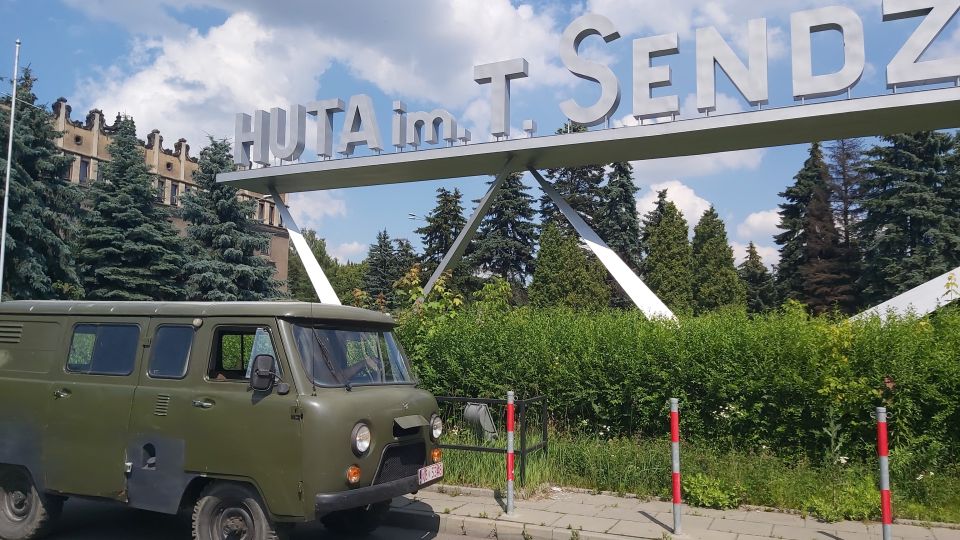
Your day starts with hotel pickup and drop-off in Kraków, which is a big deal if you don’t want to wrestle with local transport timelines. The meeting point can vary depending on where your hotel is—if you’re near Kraków’s Main Square, the suggested meeting point is Mikolaja Zyblikiewicza street. If you’re staying in Kazimierz, Dajwór Kiss&Ride is a good fit. If you’re north of Main Square, Plac Matejki is suggested.
Arriving right at pickup time is the key to avoiding delays later. The tour runs on a schedule built around guided stops and walking segments, and those are easier when everyone starts together.
Once you’re aboard, the van ride to Nowa Huta acts like a buffer. You settle in, get oriented, and let the guide set the scene before you ever see the gates.
Stop at Ronalda Reagana b1: learning how the district is organized
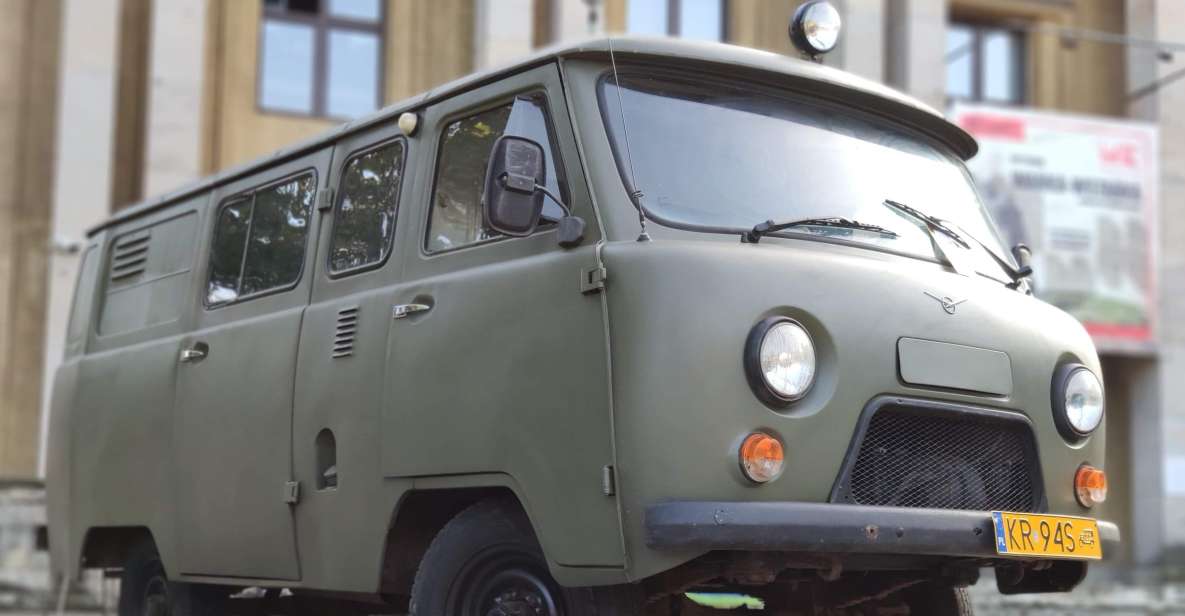
One of the early stops is around plac Centralny Imienia Ronalda Reagana b1, where you’ll do a guided segment and a walk. This isn’t just a photo stop. It’s where you start seeing how Nowa Huta’s planners thought about space—broad areas meant to stage public life, industry, and the big-picture idea of what the city should feel like.
The walking time here is short enough to keep momentum, but long enough for the guide to point out useful details you’d likely miss if you were just passing through. Look for the kinds of buildings and the spacing that suggest careful design rather than organic growth.
If you’re the type who likes history that connects to real architecture, this part helps you “read” the area. If you’re more focused on big sights, treat it as orientation so the later steelworks stops hit harder.
The steelworks area around Tadeusza Sendzimira 2: gates, stories, and what’s behind them
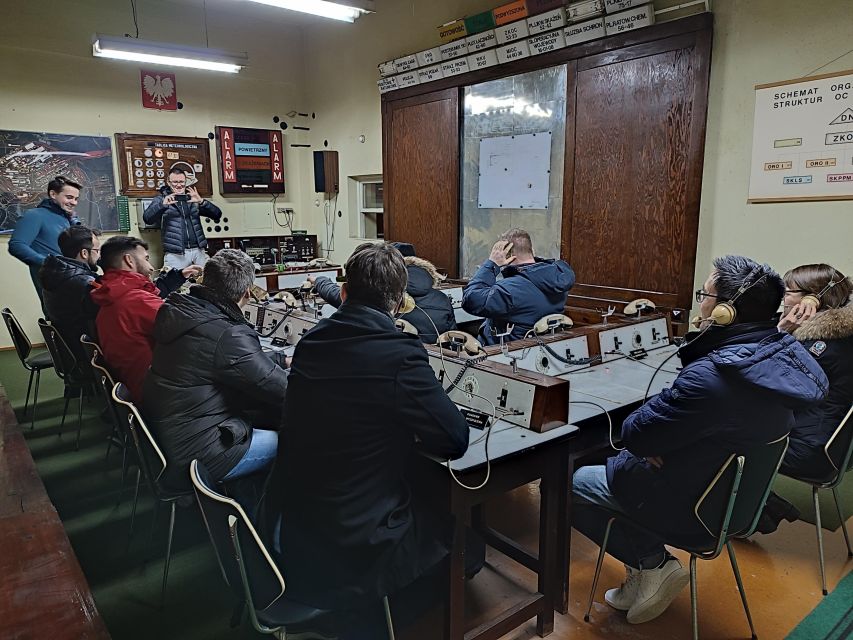
The most meaningful guided walk comes in the steelworks area at Tadeusza Sendzimira 2, with sightseeing and a longer time on foot. This is where the tour shifts from general atmosphere to specific place-based storytelling.
You’ll head toward the steelworks gates, and this is where the earlier context becomes concrete. The guide connects what you’re seeing to why the steelworks mattered—socially, politically, and economically. It’s also where you hear the “secret facility” angle: the tour includes information about sites that didn’t open to the public for a long time, so you get a sense of what changed when access became possible.
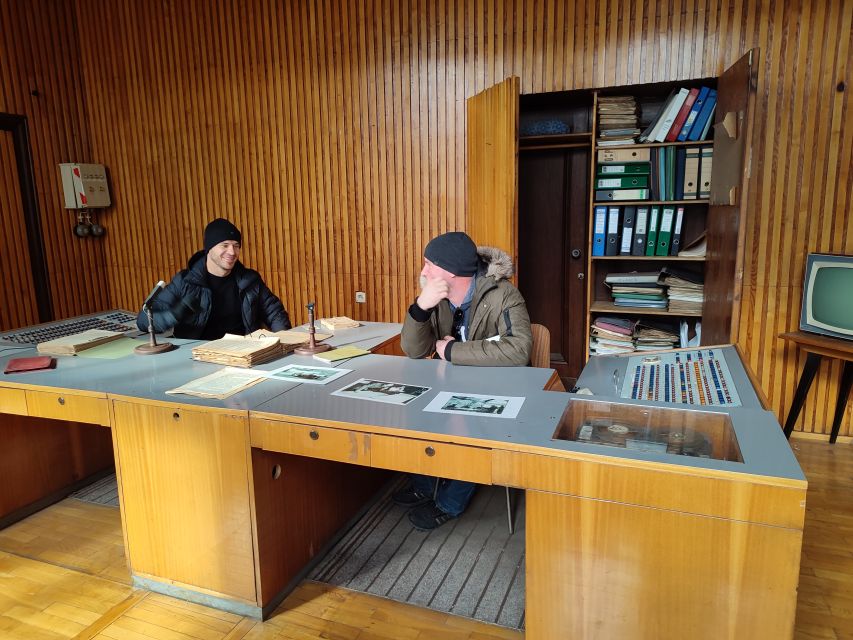
There’s also a strong access factor here. Many visitors to Nowa Huta can admire buildings from the outside, but this tour brings you into guided areas and offices connected to the steelworks story. You’re not just looking; you’re being led through the kinds of spaces that shape industrial and administrative life.
One small pacing note: because there’s a good amount of guided walking in this section, wear shoes you can trust. Your feet will remember the day more than your phone camera will.
Switching back to the van: small rides that keep the day flowing
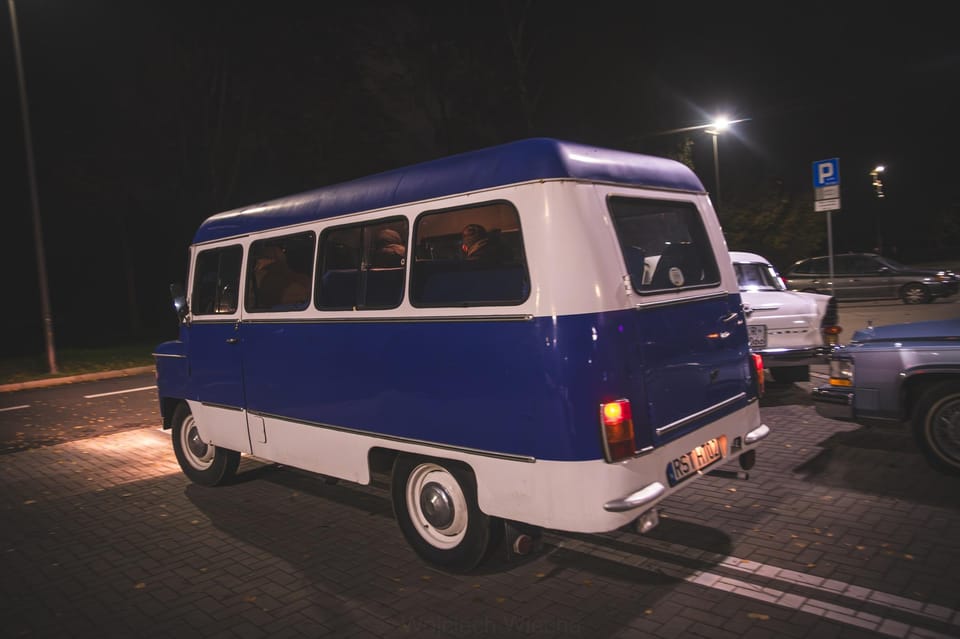
Between stops, you’ll hop back into the vintage vehicle for short transfers. Those short drives aren’t filler. They make it easier to cover multiple parts of the district without turning the day into long, tiring hops.
The guide also uses these travel segments to keep the story rolling. So instead of losing momentum every time you change locations, you tend to keep a clear thread: planning → steelworks power → daily-life layout → Cold War access points.
This is especially valuable if your time in Kraków is limited. The tour duration ranges from about 150 to 270 minutes, depending on timing and the option you choose, so those mini-transfers help you feel you got your money’s worth.
The tank moment: World War 2 IS2 photos you’ll actually want
A highlight you should plan for is the stop connected to a real IS2 heavy tank in Nowa Huta. The tour builds in time for photos right next to it, so you can actually stage a shot without guessing angles or craning your neck.
This is one of those rare history moments that turns into a personal memory. You get the visual weight of a WWII machine, but you’re also in a setting tied to the region’s Cold War industrial identity. It’s not just “a tank on a pedestal.” It’s a tangible object in a place that once shaped military and industrial planning.
If you’re traveling with family, it also works well for different ages. The tank gives a clear, physical anchor for the day, which helps if history talk runs long for some people.
If you want the best photos, wear layers you can move in and keep your camera ready during the tank time window. This is the kind of stop where everyone wants one more picture.
Cold War shelter option: what you gain if it’s included
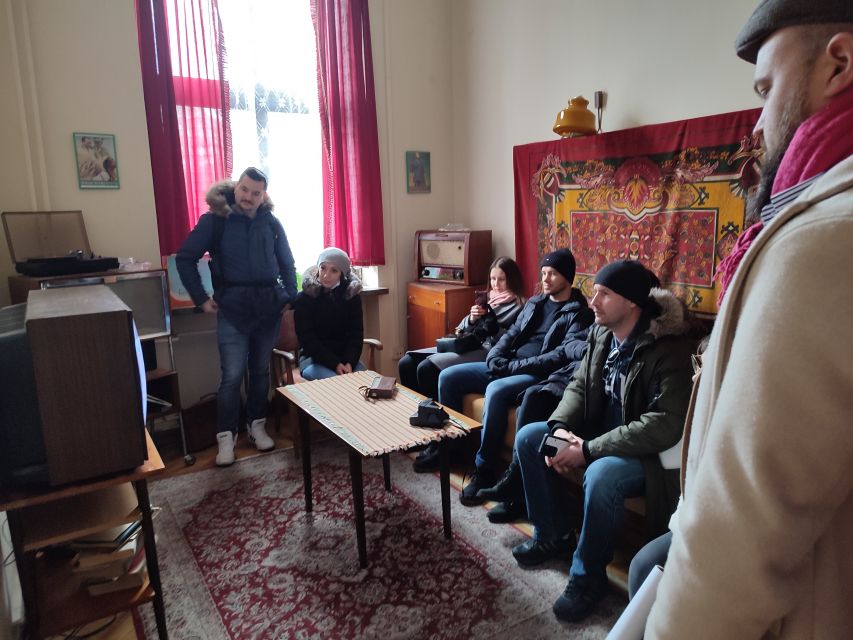
Depending on the option you select, the tour may include tickets into offices of the steelworks or an underground shelter facility, and you might also get access to the cold-war style underground space. The key point is flexibility: the tour can swap between types of indoor access based on what you choose.
An underground shelter stop adds a different kind of tension than the steelworks buildings. Surface sites tell you about planning and power; underground spaces tell you about fear, protection, and the logic of survival. Even if you’re not a “survival bunker” person, seeing how space was designed for emergencies can change how you interpret the Cold War mindset.
If your tour option includes the shelter, I’d treat it as the emotional peak. It’s often where guides can connect stories directly to architecture and purpose, not just dates and slogans.
Who the guide experience is best for (and why it matters)
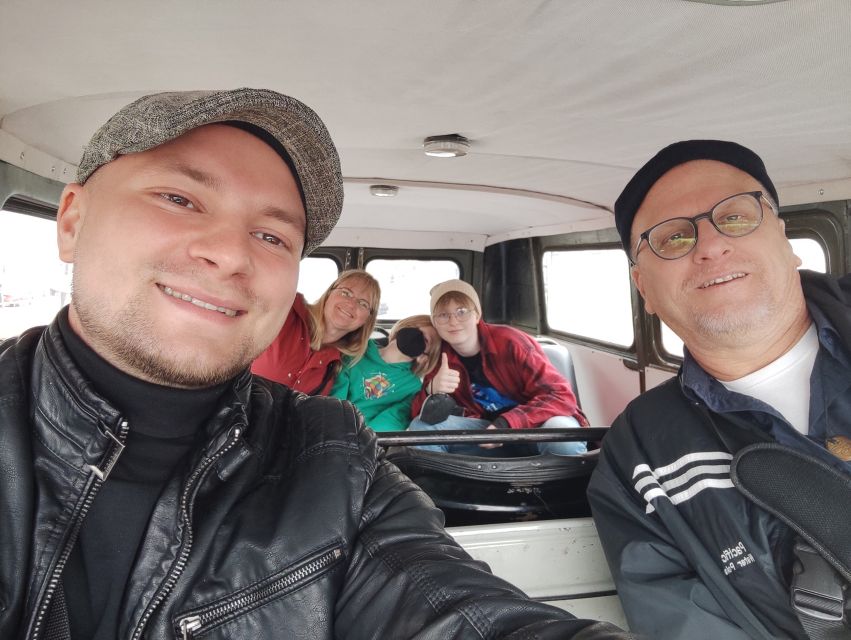
This tour uses a live guide who can work in English, Russian, or Polish. Having an expert guide isn’t only about language. It’s about someone linking what you see to why it exists and how it functioned.
Mateusz is a name that shows up frequently, and there’s a specific advantage if you get him: his personal tie to Nowa Huta helps the storytelling feel grounded. You can hear it in how he answers questions and how he explains what things mean in context.
You’ll also notice that the best moments are when you’re allowed to ask questions. This tour isn’t just narration from behind a group. You’re encouraged to look closely at places you might not be able to enter on your own.
Price and value: is $241 per group up to 4 fair
The price shown is $241 per group for up to 4 people, and the experience runs roughly 150 to 270 minutes. On paper, that can look like a lot if you compare it to a standard group bus tour.
But the value comes from three places: private-group pickup and drop-off, a vintage vehicle ride (not a normal coach), and paid guided access—tickets into offices of the steelworks or an underground shelter facility, plus the IS2 tank visit.
You’re also paying for the driver-guide setup: English-speaking guidance and an experienced driver who’s used to handling an old vehicle in a real schedule. That “transport + interpretation + access” combo is the real budget story.
For two travelers, the per-person cost can still feel reasonable if you compare it to a longer day trip with multiple paid entries. For a family of four, it’s often a strong deal because the group price spreads out the fixed costs.
Also, there’s the practical benefit of contingency planning. Since the vehicle is a relic, you might expect delays. The operator states they can swap to another period vehicle if one breaks down, which reduces the risk of a ruined day.
Comfort, mobility, and what to pack
This tour is not suitable for people with mobility impairments and wheelchair users. If that affects you or someone in your group, you’ll want to plan another option that matches accessibility needs.
What about everyone else? Dress for walking and weather. You’ll do guided walks at multiple points, including a longer segment in the steelworks area. Layers are smart in Kraków’s changing weather, and comfortable shoes are non-negotiable.
Bring a charger and a small power bank if you love photos. This is a day with multiple “camera moments,” from tank time to exterior views and indoor stops when available.
And since food and drinks aren’t included, plan for lunch on your own schedule before or after the tour. If you tend to get hungry during walking-heavy tours, a small snack and water before you leave Kraków can save you from feeling rushed later.
Languages and how questions work on the day
The guide can run in English, Russian, or Polish, so you can match your comfort level. That matters because Nowa Huta’s story includes political history, industrial processes, and details about restricted spaces.
If you’re comfortable with any of those languages, take advantage and ask direct questions. The tour format makes Q&A feel natural, especially around gates, administrative buildings, and the purpose of underground spaces if your option includes them.
If you’re not confident speaking, still ask your questions with simple phrases. Most of the value here comes from getting clarity on what you’re seeing, not from delivering a perfect sentence.
Should you book this Nowa Huta retro van tour?
Book it if you want a history day that feels physical and specific. The retro UAZ 452 ride makes the trip more than a transfer, and the combination of steelworks access, IS2 tank photo time, and the potential shelter visit gives you real variety.
Skip it if you want a relaxed, low-walking outing or if you need wheelchair-friendly access. Also, if you strongly dislike the idea of riding in older vehicles, treat the vintage-vehicle vibe as part of the deal and not an optional feature.
If you’re visiting Kraków for the first time and want something different from the usual main-square loop, this is a strong choice. Nowa Huta is one of Poland’s most unusual “read the city” stories, and getting the guided access in a period vehicle makes it easier to understand and remember.
FAQ
How long is the Nowa Huta guided tour by retro van?
The tour lasts about 150 to 270 minutes, depending on the starting time and the route components included.
What’s included in the price?
The package includes hotel pickup and drop-off, a ride in a vintage UAZ 452, an English-speaking guide (and experienced driver), tickets into steelworks offices or an underground shelter facility (depending on option), and a visit to an IS2 heavy tank in Nowa Huta.
Is food included?
No. Food and drinks are not included.
What type of group is it?
It’s a private group experience.
Do I get to choose shared vs private?
The information provided mentions either shared or private experiences with an expert guide, but the activity itself is listed as a private group. Your exact setup depends on what you book.
What languages is the guide available in?
The guide can provide the tour in English, Russian, or Polish.
What if the vintage vehicle has a mechanical problem?
The vehicles are genuine relics and could have unexpected issues, but there is a contingency plan. The operator says they can replace the troubled vehicle with another from the Communist Poland era.
Is this tour suitable for wheelchair users or people with mobility impairments?
No. It is not suitable for people with mobility impairments or wheelchair users.
Can I get a full refund if I cancel?
Yes. Free cancellation is available up to 24 hours in advance for a full refund.