REVIEW · KRAKOW
Krakow: Auschwitz-Birkenau and Wieliczka Salt Mine Day Trip
Book on GetYourGuide →Operated by Krakowbooking · Bookable on GetYourGuide
Hard truths, then glittering salt underground. This Krakow day trip strings together two unforgettable places: Auschwitz-Birkenau’s lasting warning and the Wieliczka Salt Mine’s sculpted underground world, all run with licensed English guides and comfortable, air-conditioned transport.
I love the way the trip handles the heavy lifting for you: pickup and drop-off, tickets, and guided entry so you spend your time learning instead of queueing. I also really like the pacing balance built into the day, including a lunch break between the two sites, so the morning’s weight doesn’t hit your legs all day long.
The main drawback is physical and mental load. This isn’t a casual stroll—at the mine you face about 800 steps, and the sites are not recommended for people with claustrophobia or mobility challenges.
In This Review
- Key things I’d clock before you go
- How the day moves from Krakow
- Auschwitz-Birkenau with a licensed English guide
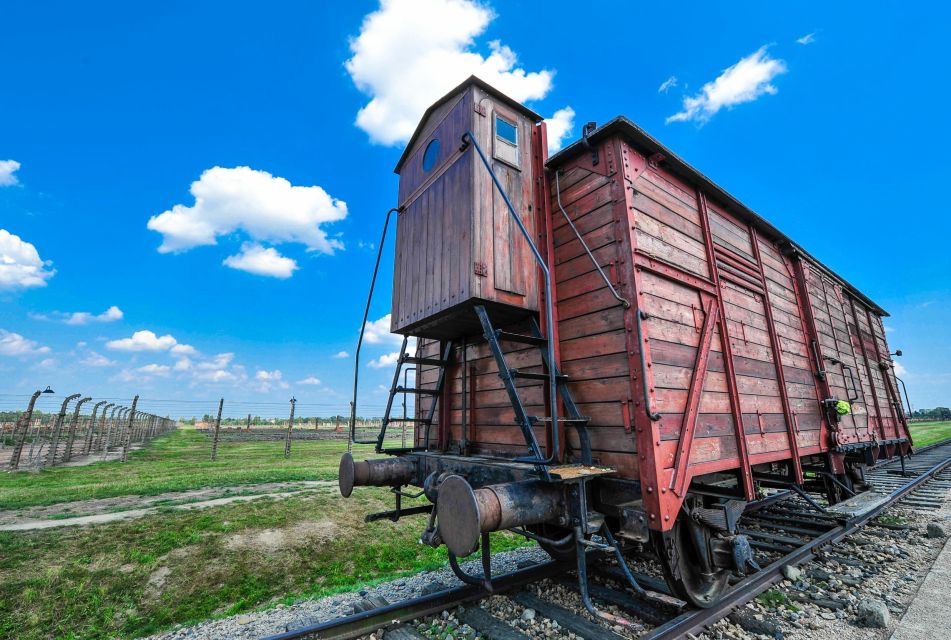
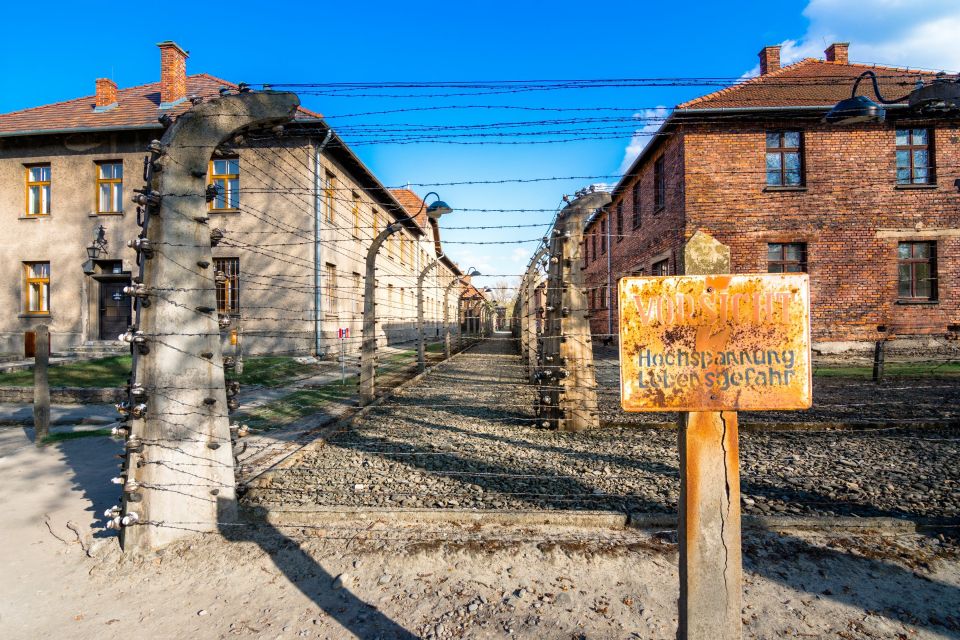
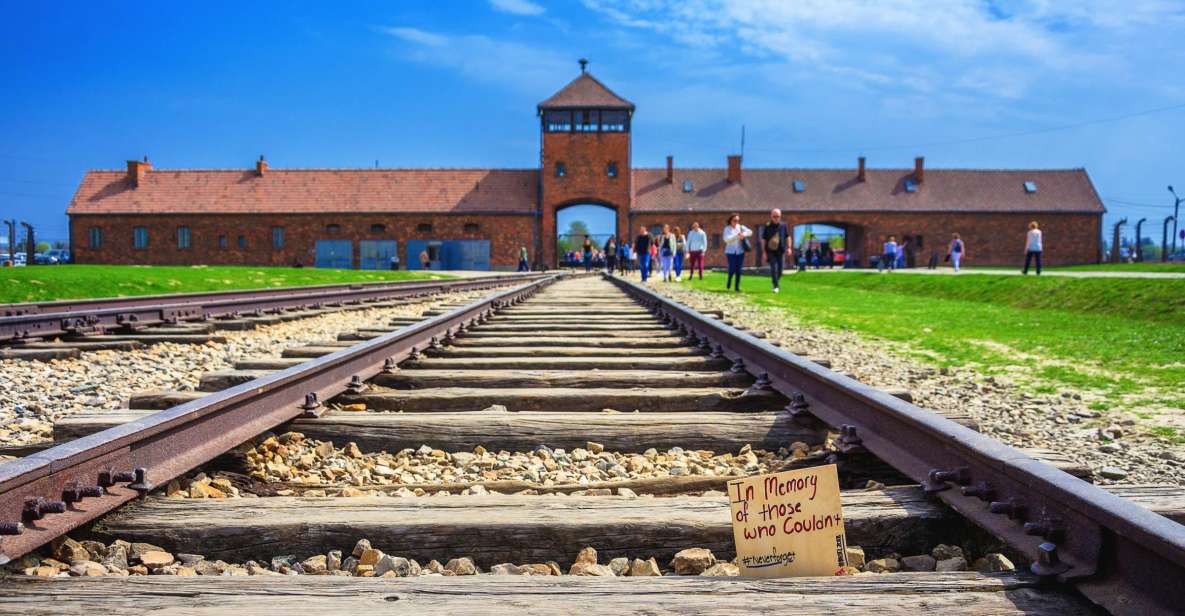
- What you’ll see: gas chambers, prison blocks, and Birkenau’s arrival rail
- The lunch break you actually need
- Wieliczka Salt Mine: statues, chapels, and an underground city
- The stairs and low-ceiling reality check
- Price and value: what you’re really paying for
- Before you go: ID match, bag limits, and shoe choice
- Who this tour fits best
- Should you book this Auschwitz and Salt Mine day trip?
- FAQ
- How long is the Krakow: Auschwitz-Birkenau and Wieliczka Salt Mine day trip?
- What’s included in the price?
- Where do they pick you up in Krakow?
- Do I need to bring my passport or ID?
- Are there limits on bags or luggage?
- Is the tour suitable for claustrophobia or mobility impairments?
- How many steps are in the salt mine?
- Is the tour refundable if I cancel?
Key things I’d clock before you go
- Skip-the-line entry keeps your day moving at both the camps and the mine
- Licensed English guides for Auschwitz-Birkenau and Wieliczka make the information actually stick
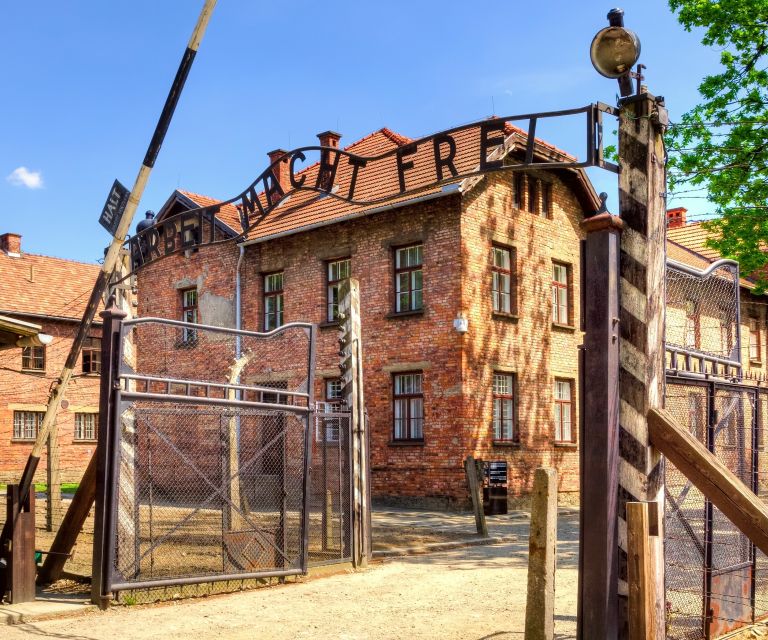
- Auschwitz-Birkenau highlights include key remains like gas chambers, prison blocks, and the Birkenau arrival rail ramp
- Salt-carved chapels and statues at Wieliczka create a surprising contrast to the morning
- Stairs are real: about 800 steps total, with the steep part starting early
- Food isn’t included so plan snacks or a simple meal during the break
How the day moves from Krakow
This is an 11-hour full-day outing, designed to cover a lot without feeling chaotic. You leave Krakow by air-conditioned bus, then you switch into guided mode at each major site. The rhythm is simple: bus ride, guided tour, short break, more guided touring, then back to Krakow.
The practical advantage is that you’re not stuck solving logistics in the middle of a long day. Pickup is included from two specific places in Krakow—Radisson Blu Hotel or Hotel Maltański—so you’re not hunting for a meeting point across town.
A note on the pace: it’s long, and both Auschwitz-Birkenau and Wieliczka involve walking on uneven surfaces and spending time outdoors before moving into more enclosed spaces. If you’re the kind of person who likes to linger, you’ll still get highlights—but expect this to be structured and time-aware.
You can also read our reviews of more tours and experiences in Krakow
Auschwitz-Birkenau with a licensed English guide
Auschwitz-Birkenau is not a place for casual sightseeing. It’s heavy, detailed, and intentionally preserved, which means the guide’s role matters a lot. You’ll have a licensed guide in English, using the official museum context to explain what you’re seeing and what it meant for the people trapped there.
This is one of those experiences where you’ll feel the value of having someone trained to point out the right details. One guide name that came up in the experience you shared was Renata, praised for excellent guidance at the camps. Another named person you’ll hear is Greg for the salt mine, but for Auschwitz and Birkenau, the point is the same: you’re getting interpretation, not just directions.
Also, the tour is built around original remains. That matters. You’re not watching reenactments or relying on a slideshow. You’re standing where major parts of the system operated.
One more practical detail: the day’s design includes a lunch break between the mine and Auschwitz. That helps, because Auschwitz-Birkenau can take a lot out of you emotionally and physically, even if you’re mentally prepared.
What you’ll see: gas chambers, prison blocks, and Birkenau’s arrival rail
The Auschwitz-Birkenau portion isn’t vague. You’re taken to the stays and structures that visitors recognize immediately, plus the surrounding context that helps you understand how the machinery worked.
At Auschwitz-Birkenau, the key components included in the experience are:
- Original buildings and remains, including the gas chambers
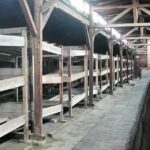
- Prison blocks where prisoners were held
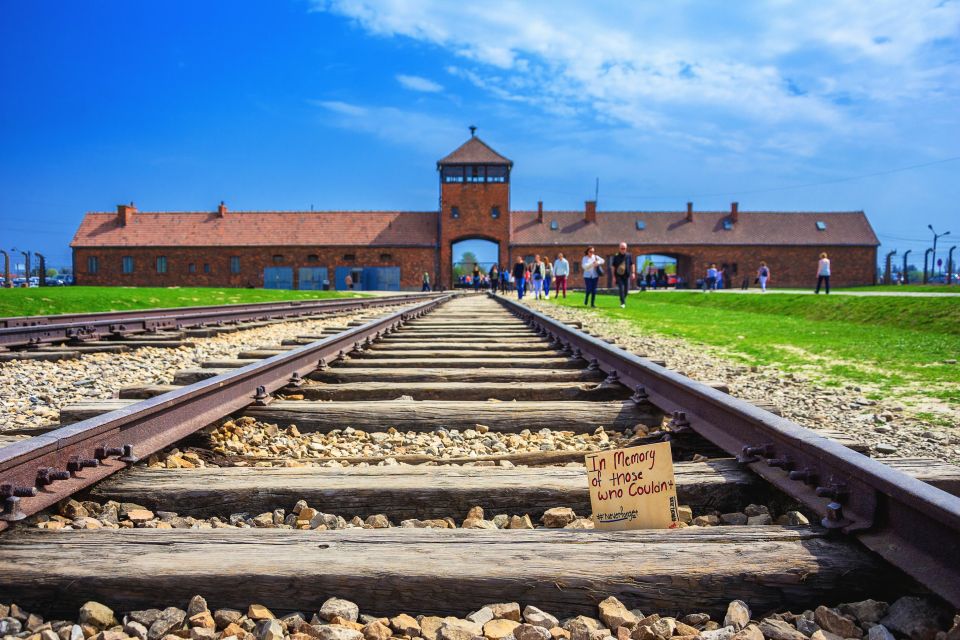
- In Birkenau, the remains of the railway ramp, the route where prisoners arrived
If you’ve seen photos online, the scale can still surprise you, because photos flatten space. On the ground, you’ll sense distances and geometry—how large these areas are, and how movements were controlled by the layout.
A small but telling detail from one of the notes you provided: even long-time guides can miss tiny inscriptions or marks at ground level during explanations. The takeaway for you is simple: go in expecting questions, and don’t worry if you need a moment to refocus. This place rewards attention, and it’s okay to be overwhelmed by the sheer amount of information.
The lunch break you actually need
You get a lunch break of 40–60 minutes between Wieliczka and Auschwitz (depending on the day’s flow and timing). That’s enough time to eat something and reset, but it’s not enough time to wander off and treat lunch like an afternoon café break.
Because food and drinks are not included, you should plan ahead. If you know you get hungry when you’re nervous or sad, pack simple snacks you can handle quickly. At the same time, you might find food options at the sites, but the day’s structure and crowds can make lines and delays annoying.
One smart strategy: bring a small, easy-to-eat meal you can use if the timing feels tight. Then, if you have time after you eat, you can browse any available on-site café options without stress.
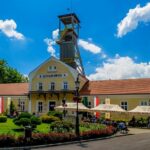
Wieliczka Salt Mine: statues, chapels, and an underground city
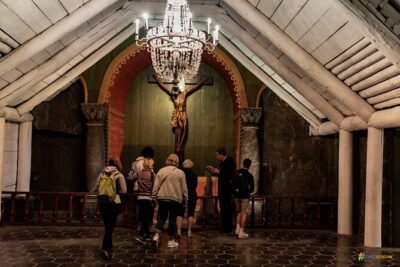
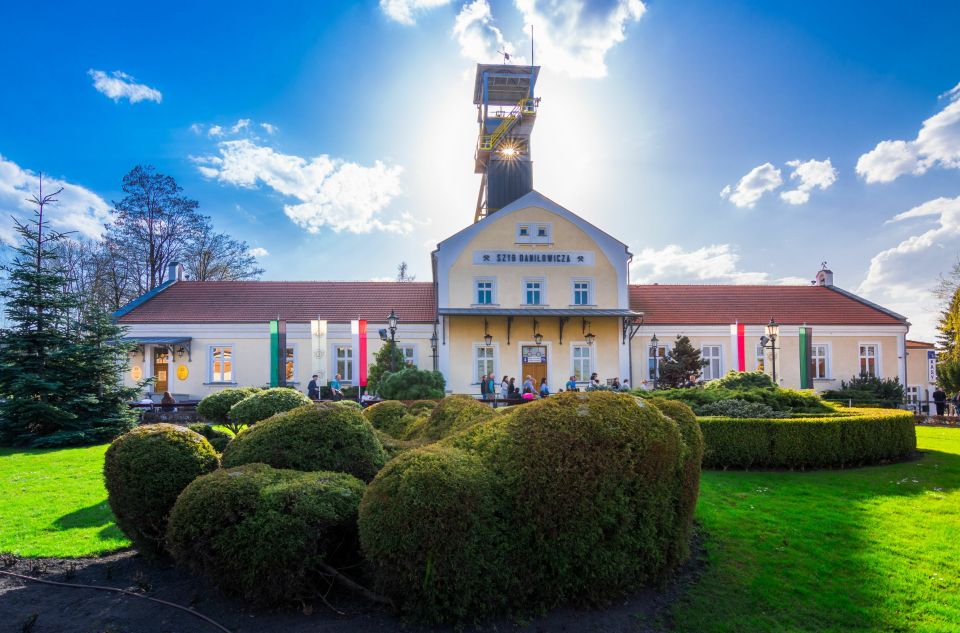
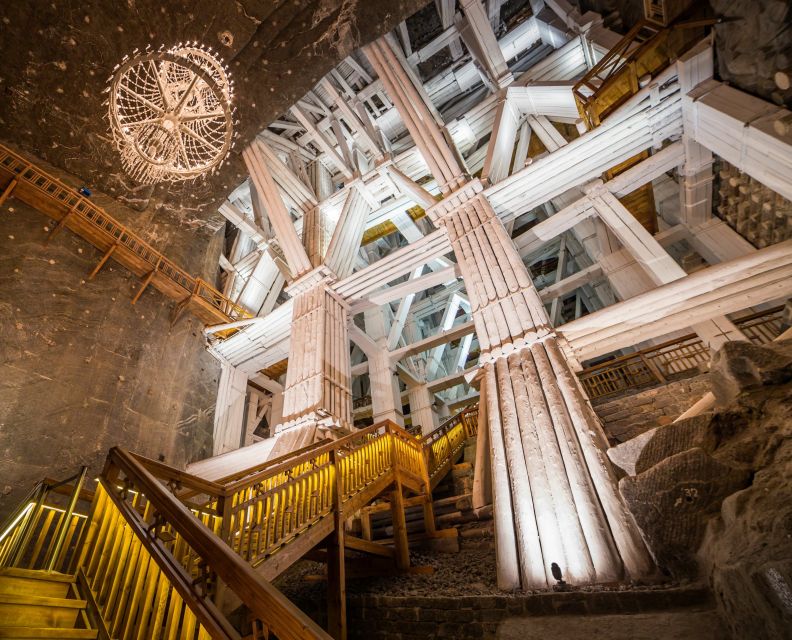
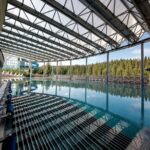
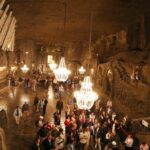
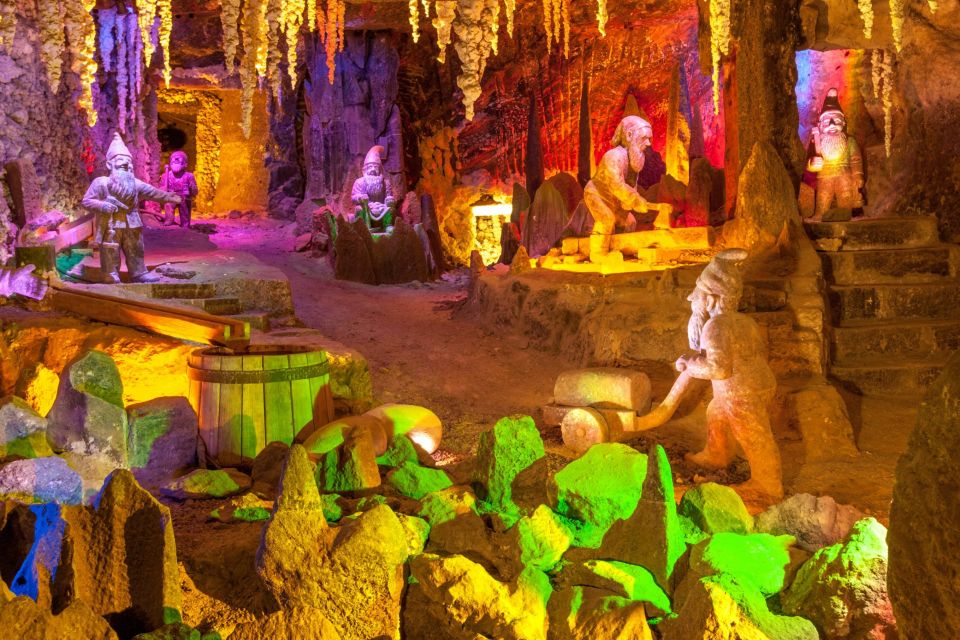
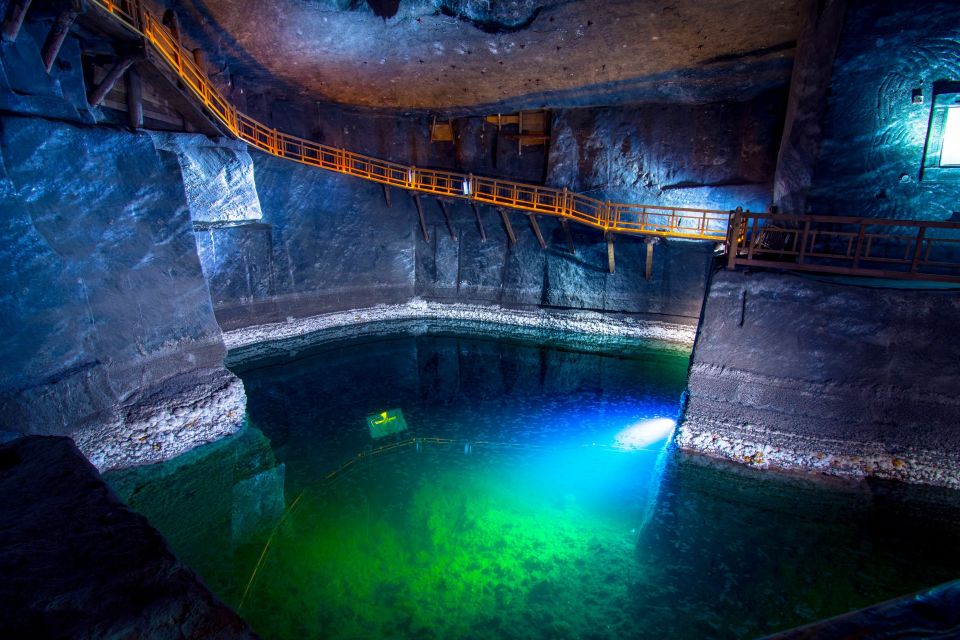
After Auschwitz-Birkenau, Wieliczka feels like a different universe. That’s not because it’s lighthearted—it’s because it’s visually and physically strange in a new way: a maze-like underground world carved from salt, with statues and chapels created inside the mine.
You’ll travel to the mine and then go with a local guide through the underground spaces. This is where the experience shifts from history of terror to history of work and craft—salt extraction that dates back to the Middle Ages.
Two parts I’d highlight for your expectations:
- The mine is described as an underground city, not a single room. You’ll see a connected set of chambers and sculptures rather than just a quick stop.
- There’s also talk of the special climate and micro-element-filled air, described as having healing properties. Even if you’re skeptical, the practical effect is that the mine atmosphere is distinctive, and it’s part of why people go beyond just sightseeing.
One more name that comes up in the material you shared is Greg, praised for being helpful and looking after the group well. That’s exactly the kind of guide you want here, because Wieliczka involves repeated shifts—walking, stairs, lower ceilings in spots, and then sudden open-looking areas where the carvings hit you.
The stairs and low-ceiling reality check
Wieliczka is beautiful, but it’s not made for everyone. Here’s what you need to know before you book, because you can’t power through the mine’s physical demands with good intentions.
Important step count details:
- There are 800 steps total.
- 350 of these are at the beginning, taking you down into the mine.
- The elevator is used only to get back up to the surface from the bottom of the mine.
So even if you’re okay with lifts in theory, the day still starts with stairs. You should wear comfortable shoes with grip, and expect your legs to feel it by the end.
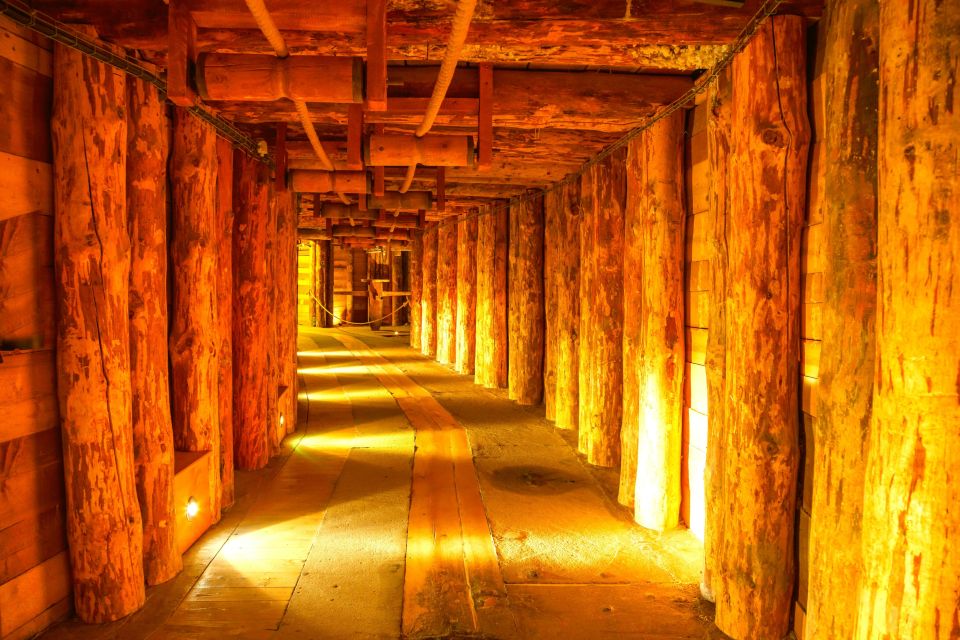
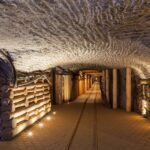
One note from the material you shared: the mine has parts with low ceilings. If you’re tall, you’ll want to watch your head in narrow sections and move slowly where the ceiling drops.
This is also one reason the tour isn’t recommended for people with walking disabilities or claustrophobia. The mine is underground, the space can feel enclosed, and the combination of stairs plus enclosed areas can become stressful fast.
Price and value: what you’re really paying for
The price is listed at $131 per person for an 11-hour day trip. That number can look steep until you break down what’s included and what it costs to do it on your own.
What you’re paying for here includes:
- Pickup and drop-off (from specified Krakow hotels)
- Transportation by air-conditioned vehicle
- Entrance tickets and licensed live guides in both Auschwitz-Birkenau and Wieliczka Salt Mine
- An English-speaking driver
- A lunch break between the two sites
- Skip-the-ticket-line access
What’s not included:
- Food and drinks
From a value standpoint, the big win is the combination of licensed guidance and ticket handling. If you attempted to DIY this, you’d spend time coordinating transport, buying tickets separately, and trying to match guided tours at both sites. Here, the day is already stitched together, which matters on a tight schedule.
One practical value tip: because food isn’t included, the best way to protect value is to budget for snacks or a quick meal. With only 40–60 minutes for lunch, going hungry can quickly turn a meaningful day into a miserable one.
Before you go: ID match, bag limits, and shoe choice
This day trip has rules, and they’re not optional.
Bring:
- Passport or ID card
- Comfortable shoes
Your booking must include requirements tied to museum entry:
- You must provide your full name and contact details as part of booking for Auschwitz-Birkenau Memorial and Museum.
- Entrance may be refused if the name on the booking does not match the name on your ID.
In other words: don’t guess or abbreviate your name when you book. If your ID uses a middle name or different spelling, match it exactly.
Bag limits and what’s not allowed:
- No pets
- No luggage or large bags inside both places
- Baby carriages are not permitted
- At Auschwitz specifically, you’ll need to follow the small bag limit mentioned: 30 x 20 x 10 cm (size matters because security measures enforce it)
Finally, remember the order of difficulties. Auschwitz is emotionally intense and involves walking through protected spaces. Then you go into Wieliczka, where stairs and enclosed sections take over. If either aspect challenges you, plan accordingly.
Who this tour fits best
This is a strong match if you:
- Want a single day that covers both Auschwitz-Birkenau and Wieliczka
- Appreciate having a licensed English guide to explain what you’re seeing
- Prefer structured logistics with hotel pickup and transport
It may not be the best fit if you:
- Have claustrophobia (not recommended)
- Need mobility accommodations (not suitable for people with mobility impairments)
- Are traveling with kids 13 and under (not recommended)
If you’re somewhere in the middle—physically able but mentally sensitive—do yourself a favor: bring water if you’re allowed to, pack a snack, and accept that the day will feel longer than the clock says.
Should you book this Auschwitz and Salt Mine day trip?
I’d book it if you’re on a first-time Krakow trip and want the clearest path to two major sites without spending your limited time on planning. The biggest reasons to say yes are the licensed English guidance at both stops and the fact that transport and tickets are handled for you, so you can focus on the experience rather than logistics.
I’d hesitate only if you know stairs and enclosed spaces will be a problem. With 800 steps at Wieliczka—starting with a steep push down—you’ll be glad you checked your comfort level before you commit. And because food isn’t included, plan a simple way to keep energy up during the tight lunch window.
If you’re ready for a long, meaningful, physically demanding day, this one is a solid choice.
FAQ
How long is the Krakow: Auschwitz-Birkenau and Wieliczka Salt Mine day trip?
The total duration is 11 hours.
What’s included in the price?
Pickup and drop-off, transportation by air-conditioned vehicle, an English-speaking driver, entrance tickets and licensed live guides for Wieliczka Salt Mine and Auschwitz-Birkenau Museum, and a 40–60 minute lunch break between Wieliczka and Auschwitz.
Where do they pick you up in Krakow?
Pickup is included from Radisson Blu Hotel or Hotel Maltański.
Do I need to bring my passport or ID?
Yes. You should bring your passport or ID card.
Are there limits on bags or luggage?
Yes. Pets are not allowed, baby carriages are not permitted, and luggage or large bags are not allowed. A luggage size limit of 30 x 20 x 10 cm is mentioned for the sites.
Is the tour suitable for claustrophobia or mobility impairments?
No. The tour is not recommended for claustrophobia, and it is not suitable for people with mobility impairments.
How many steps are in the salt mine?
There are 800 steps, with 350 of them at the beginning as you go down into the mine. The elevator is used only to get back up to the surface.
Is the tour refundable if I cancel?
No. The activity is non-refundable.