REVIEW · KRAKOW
Krakauer old town tour
Book on GetYourGuide →Operated by Walkative Tours · Bookable on GetYourGuide
Krakow reads like a living textbook. This Old Town tour works because the city center is so well preserved that the stories feel practical, not museum-dust. You follow the Royal Route through landmarks tied to Polish power and faith, with legends thrown in at the right moments: kings, palaces, and even a Wawel dragon.
Two things I really like are the plan of stops (you cover the big calls in just 2 hours 30) and the guide’s format: a structured narrative, not random photo stops. One thing to consider: the live guide language is German, and the pace can feel a bit brisk, especially if you want to linger at every doorway.
In This Review
- Key highlights at a glance
- Getting your bearings fast at the Barbakan area
- Medieval walls and the Barbakan: history you can point at
- The Royal Route in Krakow’s main square zone
- St. Mary’s Basilica and the trumpeter moment
- Collegium Maius and Copernicus-era street context
- Archbishopric Palace and the papal window by Johannes Paul II
- Wawel hill: cathedral and castle courtyard
- The Wawel King’s Palace visit: where power gets tangible
- Wawel dragon: legend at the riverside-feel edge
- Price and time: why $26 can make sense here
- Pacing and language: the only real caution
- Who should book this tour
- Quick practical notes before you go
- Should you book the Krakauer Old Town Tour?
- FAQ
- Where does the tour meet?
- How long is the Krakow Old Town tour?
- What does the tour cost?
- What languages is the tour guide?
- What’s included in the price?
- What is not included?
- What if it rains?
- Is the tour wheelchair accessible?
- Can I cancel for a refund?
Key highlights at a glance
- UNESCO Old Town + Wawel area: You get the core Krakow sights without wasting time hopping across town.
- Legends tied to real places: Wawel dragon and royal stories land where they actually happened.
- Inside stops for context: Collegium Maius and the Wawel King’s Palace are part of the visit.
- Main Market and Tuchhalle: You see the commercial heart, not just the postcard squares.
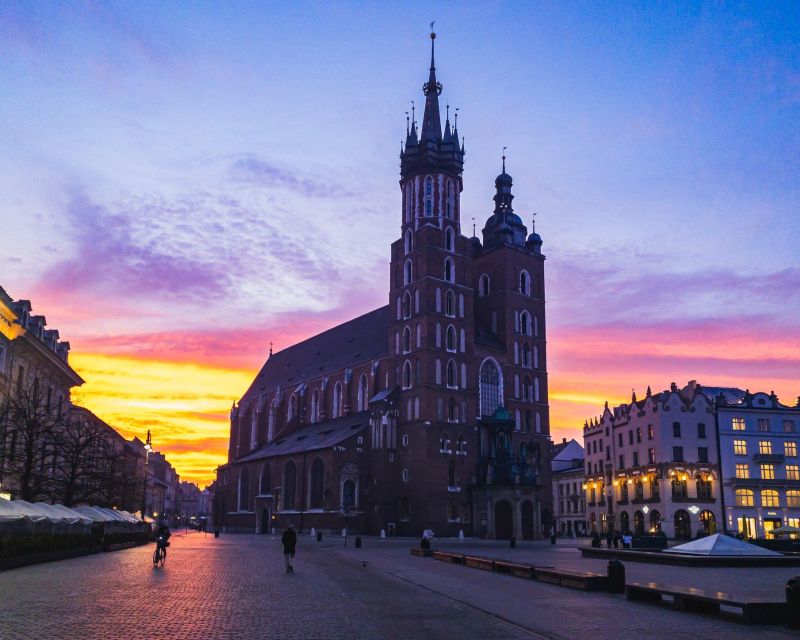
- St. Mary’s Church and the trumpeter: A signature Krakow moment on the way through the center.
- Papal window at the Archbishopric Palace: A striking spiritual detail you’ll remember.
Getting your bearings fast at the Barbakan area
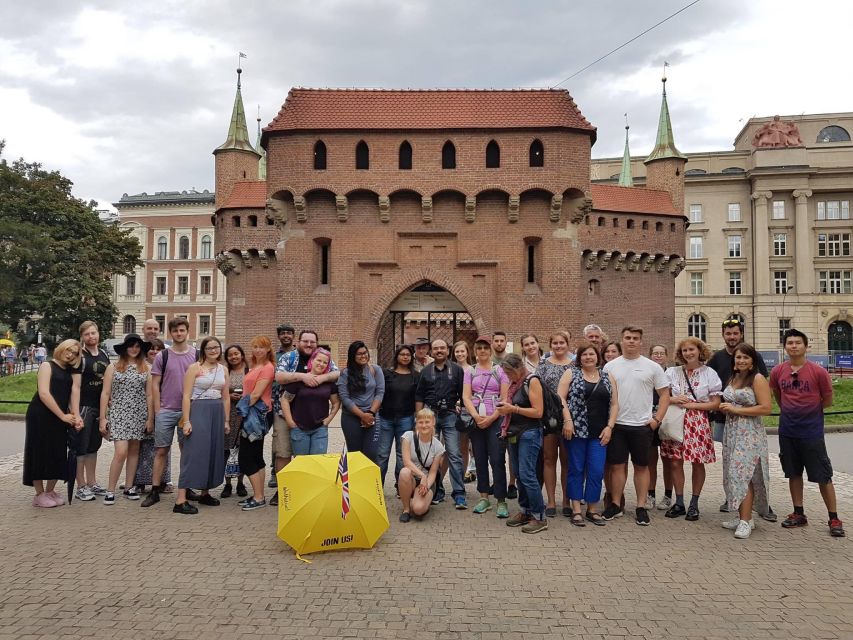
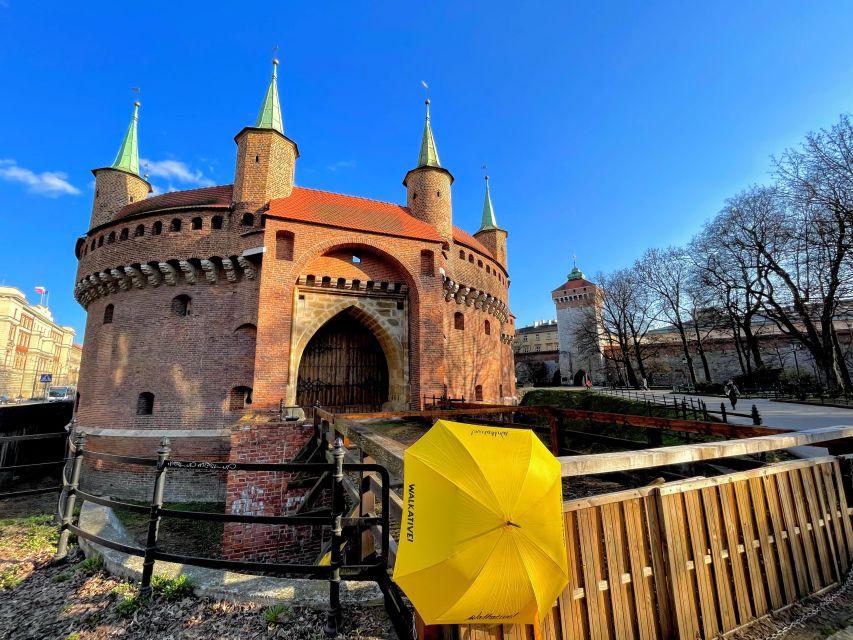
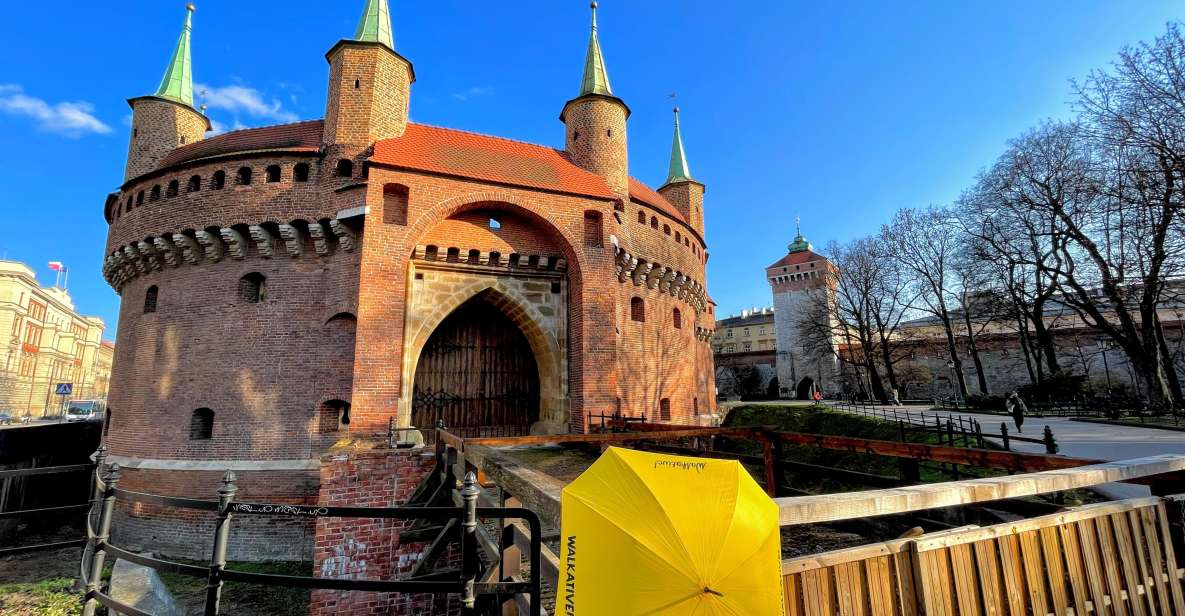
The meeting point is a small spot between the Barbakan and the St. Florianstor (St. Florian’s Gate), the medieval entrance into town. That’s a smart starting area because it immediately frames Krakow as a walled city with real defenses, not just an open-air walking path.
In 150 minutes, orientation matters. You’ll spend time moving through the center in a logical loop that connects gate, walls, market, major churches, and then the Wawel hill area. If you arrive a little tense or unsure where things are, this kind of guided threading helps you get oriented quickly.
You can also read our reviews of more tours and experiences in Krakow.
Medieval walls and the Barbakan: history you can point at
One of the tour’s early wins is that it doesn’t jump straight to the prettiest buildings. You also get the medieval city walls and the Barbakan. Seeing the fortifications in context changes how you read the city center. Instead of only noticing stonework and facades, you start imagining how Krakow protected itself, how movement was controlled, and why the Royal Route mattered.
This is the part where you benefit most from a good local guide. The guide’s story structure gives you reasons for what you’re looking at, like how the route connects power centers and how the defensive layout influenced daily life.
If you’re photographing, this is one of your best windows because the Barbakan area gives you strong views and solid background texture for the rest of your day.
The Royal Route in Krakow’s main square zone
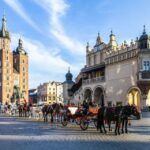
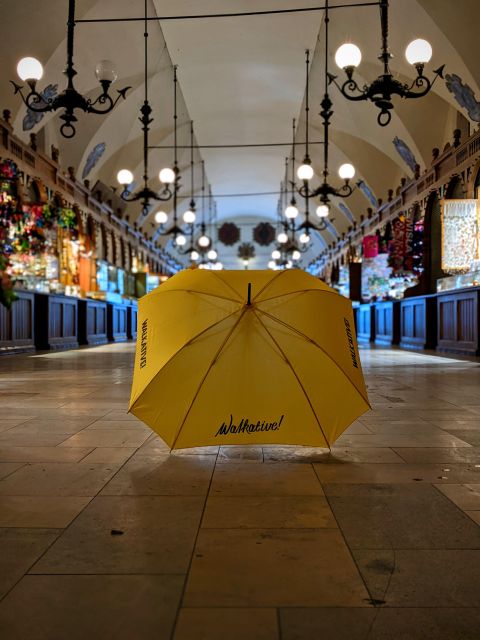
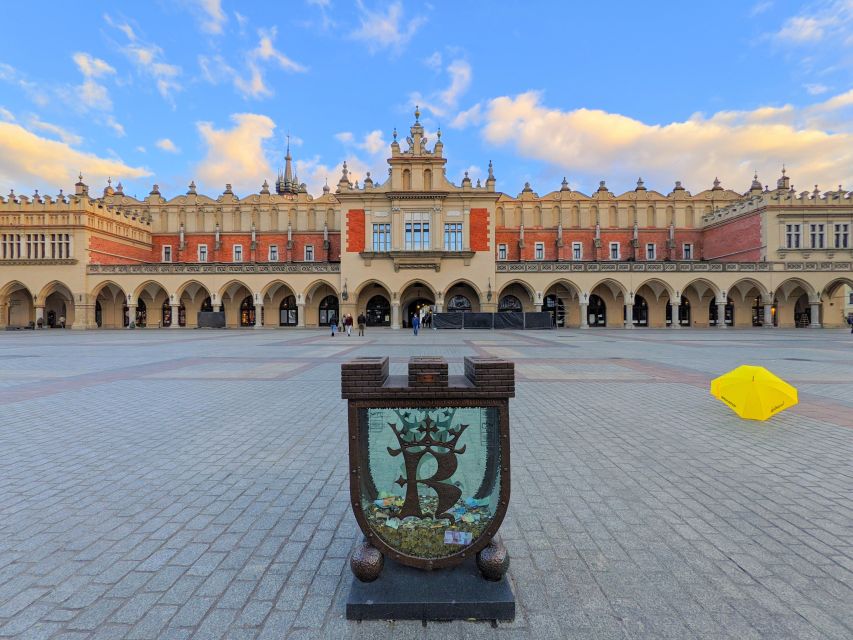
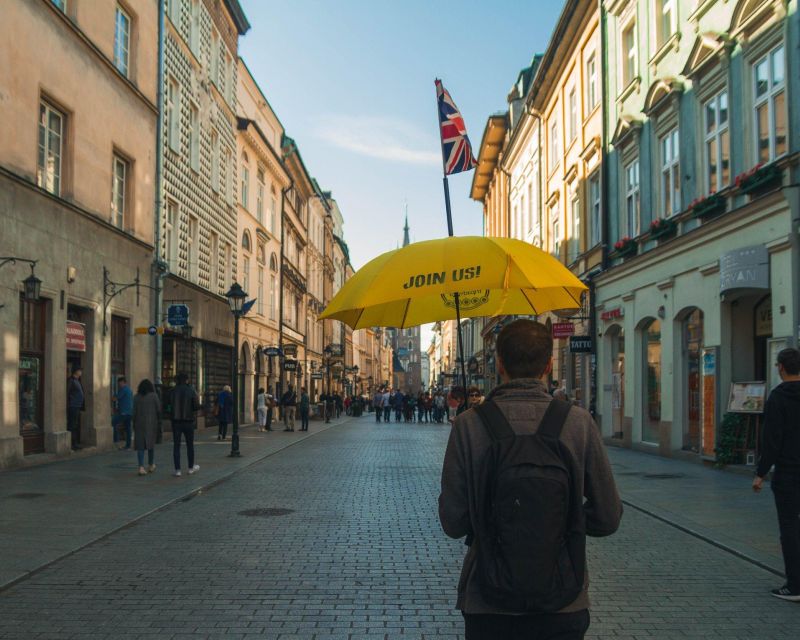
From the medieval defense perspective, the tour moves toward the city’s social and political center. You’ll pass the busy main market area, including the Tuchhalle. This matters because it’s not only about beauty. The main market is where the city functioned: trade, contact, and public life.
What I appreciate here is that the guide links the commercial space to the rest of Krakow’s power map. You start to see why kings, church leaders, and scholars all mattered in the same street network. Even if you’ve seen market squares before, Krakow’s layout makes the story feel more anchored.
St. Mary’s Basilica and the trumpeter moment
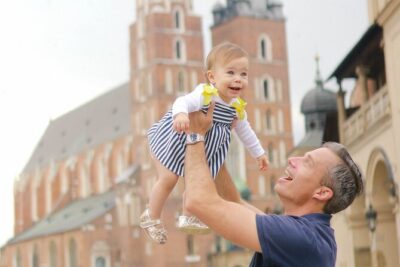
Next up is St. Marien-Basilica, known for its famous trumpeter. This stop is a great example of why a guided walk beats self-guided drifting. You’ll learn what makes the church special and how that famous feature fits the building’s identity.
If you’re the type who enjoys small cultural details, don’t rush this segment. It’s exactly the kind of highlight that makes Krakow feel like more than a collection of historic stones.
Collegium Maius and Copernicus-era street context
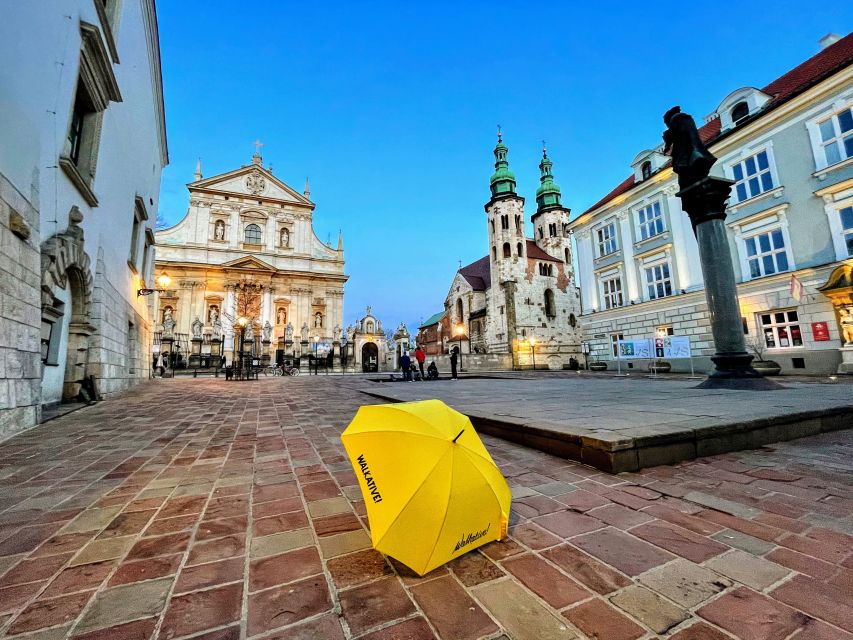
One of the most practical value-add pieces on this walk is the visit to Collegium Maius, described as the oldest building at the oldest university in Central and East Europe. This is the kind of stop that changes your understanding of Krakow from a royal capital into a thinking city.
You’ll also hear references that place famous scholars in the street environment of the time, including the idea that Copernicus went through these streets. Whether you focus on the science story or the everyday setting, the effect is the same: you start imagining scholars walking between institutions, public spaces, and the religious sites that shaped their world.
This stop is also where I think the tour’s structure shines. You’re not just staring at a facade. You’re given a thread that connects education, authority, and the city’s physical geography.
Archbishopric Palace and the papal window by Johannes Paul II
The tour includes the Archbishopric Palace and the papal window by Johannes Paul II. This is a memorable stop because it’s both specific and human-scale. It’s one of those details that you can easily miss if you’re only scanning for the biggest attractions.
What you gain from the guide here is the meaning behind the feature. You’ll understand why this window is a landmark, not just an architectural detail. Even if faith isn’t your main focus, it’s still a powerful story about how public moments work in historic spaces.
Wawel hill: cathedral and castle courtyard
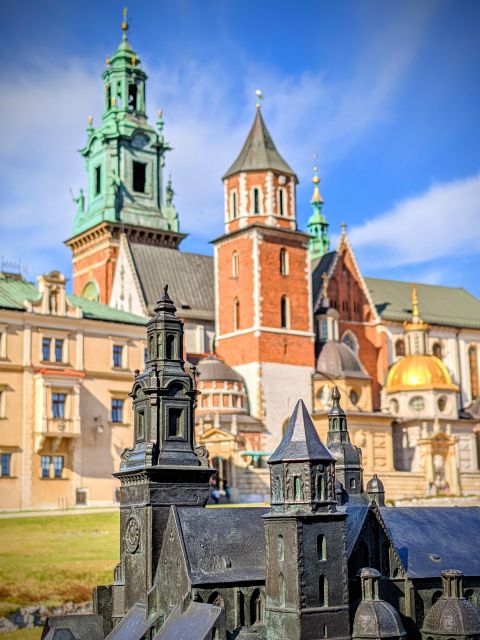
Then the walk climbs toward the big gravitational center of Polish myth and power: Wawel hill. You’ll see the cathedral and the castle courtyard area. This is the classic Krakow shift from city life to royal and spiritual symbolism.
The value of arriving here as part of an organized route is that you already know what you’ve been looking at. The churches, the market, the educational stop, and the palace window all become pieces of the same broader puzzle: who held influence and where that influence played out.
If you like architecture, take note of how the castle courtyard setting changes your scale awareness. It feels more ceremonial, more controlled, and more about status than street-level activity.
The Wawel King’s Palace visit: where power gets tangible
The tour specifically includes a visit to the Wawel King’s Palace. Having an interior stop is one of the best ways to make the 150 minutes feel worth it. Exteriors are great, but interiors help you understand the actual everyday reality of rule and ritual.
Even if you don’t plan to spend ages reading every label, the guided visit format helps you connect the palace space to the stories you heard earlier. That continuity is what makes the whole route feel like one coherent walk rather than disconnected highlights.
Wawel dragon: legend at the riverside-feel edge
And yes, the walk includes the Wawel dragon. This is one of those Krakow legends that many cities talk about, but Krakow places it in a way that feels integrated with the Wawel story-world.
I like this stop because it keeps the tour from becoming overly formal. After royal courts, churches, and institutional history, a legend reminds you that cities carry meaning in more than one form. The guide helps you understand why a dragon story stuck around in the first place.
Price and time: why $26 can make sense here
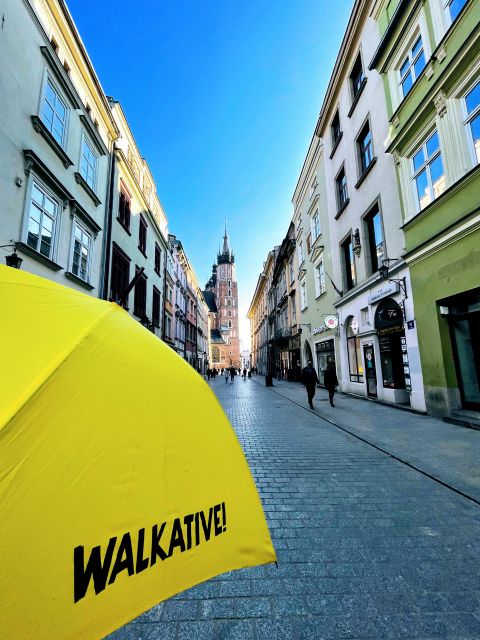
The tour is listed at $26 per person and runs for 150 minutes. On its face, it’s not a long day tour. But for Krakow’s Old Town and Wawel focus, the duration is efficient. You’re paying for a guided story that links multiple major areas that you’d otherwise have to research and plan yourself.
What makes the value feel real is that it’s not only “look and move.” The plan includes structured storytelling and actual visits, including Collegium Maius and the Wawel King’s Palace. That’s where the guide time becomes useful, because it turns passersby sightseeing into something you can remember with context.
If you’re traveling on a tight schedule and want the essential Krakow beats without guessing, this is the right kind of cost-for-time trade.
Pacing and language: the only real caution
This is a German live-guided tour, and you should plan around that. If you’re comfortable following German at street-sight pace, great. If not, you might still enjoy the visuals, but you’ll miss the narrative thread that ties the sights together.
Also, one practical consideration: a 150-minute walk means there’s a momentum to it. Some visitors have noted it can feel a bit quick when you want extra time in a specific spot. If you know you’ll want to linger, treat the tour as your orientation layer and plan a second pass on your own afterward.
Who should book this tour
This tour is best for you if:
- you want a guided, structured walk through the UNESCO Old Town and Wawel core in under three hours
- you like storytelling that connects legends (like the dragon) to real buildings
- you’re interested in Polish institutions, especially the early university world signaled by Collegium Maius
- you want key stops like St. Mary’s trumpeter and the papal window without mapping them yourself
It’s also a good fit for first-time Krakow visitors. The route hits the major geography quickly, so you can build the rest of your day with confidence.
Quick practical notes before you go
You can expect the tour to run in any weather, with the team finding a roof if it rains or gets cold. It’s also listed as wheelchair accessible, which is a big plus for people who need step-free routing.
If you’re budgeting, remember that snacks and hotel pickup/return transport are not included, so plan to eat before or after.
Should you book the Krakauer Old Town Tour?
Yes, if you want the UNESCO Old Town plus Wawel in one tight, story-led walk. The biggest reason is that you’re not just collecting landmarks. You’re getting connections: royal power, education, faith, and legend tied to the places you see.
Skip it only if German isn’t workable for you or if you strongly prefer to wander slowly without a timed route. Otherwise, this is the kind of Krakow introduction that makes later self-guided exploration feel smarter and more rewarding.
FAQ
Where does the tour meet?
The meeting point is between the Barbakan and the St. Florianstor, at a small place near the medieval entrance to the city.
How long is the Krakow Old Town tour?
It lasts 150 minutes (about 2 hours 30 minutes).
What does the tour cost?
The price is listed as $26 per person.
What languages is the tour guide?
The live tour guide speaks German.
What’s included in the price?
You get an expert local travel guide, a carefully structured story, and visits to Collegium Maius and the Wawel King’s Palace.
What is not included?
Hotel pickup and return transport are not included, and snacks are not included.
What if it rains?
The tour takes place in any weather. If it becomes cold or rains, the team will find a roof.
Is the tour wheelchair accessible?
Yes, it is listed as wheelchair accessible.
Can I cancel for a refund?
Yes. Free cancellation is available up to 24 hours in advance for a full refund.