REVIEW · KRAKOW
From Krakow: Auschwitz-Birkenau Tour with Transportation
Book on GetYourGuide →Operated by Krakow Tours by Krakowdirect · Bookable on GetYourGuide
Confronting history is never casual. This trip from Krakow turns the long ride into context, with pickup in Krakow and a short documentary shown on the way to Auschwitz.
One reason I like this format is the clear flow: Judenrampe first, then Auschwitz I, then Auschwitz II-Birkenau, with the day paced to how the memorial operates. Another plus is that the guided options include a professional guide and can add skip-the-line entry, so you spend more time where it counts and less time waiting.
Here’s the drawback to consider: the memorial controls pacing and the experience isn’t suitable for wheelchair users or people with mobility impairments, plus you can’t bring large bags or luggage into the site.
In This Review
- Key highlights at a glance
- From Krakow to Auschwitz: how the ride gets you ready
- Judenrampe: the arrival point stop that changes how you see everything
- Auschwitz I: the first camp and the machinery behind executions
- Auschwitz II-Birkenau: walking through the scale of the killing system
- Guided vs self-guided options: choose based on how you want to process
- Rules, ID matching, and what to pack (so you don’t lose time)
- Price and value for a 7-hour memorial trip
- Who this tour suits best in real life
- Should you book this Auschwitz-Birkenau tour from Krakow?
- FAQ
- How long is the Auschwitz-Birkenau tour from Krakow?
- Where is the pickup in Krakow?
- Is there a documentary on the way to the camps?
- Is the tour self-guided or guided?
- How much time do you spend at Judenrampe and at the museum?
- Are skip-the-line tickets included?
- What should I bring, and what’s not allowed?
- Do I need to provide my real name for entry?
- Is this tour suitable for wheelchair users or mobility impairments?
Key highlights at a glance
- Krakow pickup and round-trip transport: you’re met at the Radisson Blu area and returned after the visit.
- On-the-way Auschwitz documentary: you arrive with more bearings before you step inside.
- Judenrampe + original train car: you get an important “arrival point” stop early in the day.
- Two camp sections, one controlled day: Auschwitz I and Auschwitz II-Birkenau are both covered.
- Small-group setup: limited group size, plus an English-speaking host throughout the trip.
- Guided options offer structure: a professional guide can be included for a 3.5-hour Auschwitz-Birkenau tour.
From Krakow to Auschwitz: how the ride gets you ready
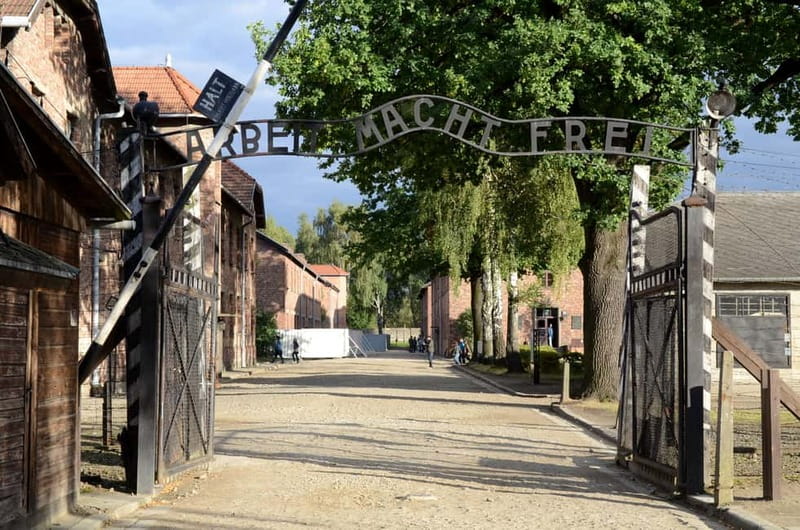
Leaving Krakow for Auschwitz takes about 75 minutes each way, and the organizers use that travel time on purpose. Before you arrive, you watch an educational documentary about the liberation of Auschwitz and Birkenau. It’s not meant to shock you for shock’s sake. It helps you understand what you’re about to see, so the memorial feels less like random buildings and more like a system that operated with grim efficiency.
Pickup is handled at a central spot: in front of the Radisson Blu Hotel (tourist bus stop). You’ll want to arrive about 15 minutes early so you don’t lose time when the van or coach is loading. Also, your pickup time may shift within a wide window (between 5:00 AM and 11:00 AM). They usually adjust it by 30–60 minutes, but sometimes changes can be bigger, so build flexibility into your morning.
The transport itself is a modern vehicle with round-trip service, and the day runs in a coordinated way with an English-speaking tour host assisting you throughout. In some departures, the ride is described as a clean, comfortable Mercedes minibus with seat belts, and the documentary is shown during the trip.
You can also read our reviews of more tours and experiences in Krakow.
Judenrampe: the arrival point stop that changes how you see everything
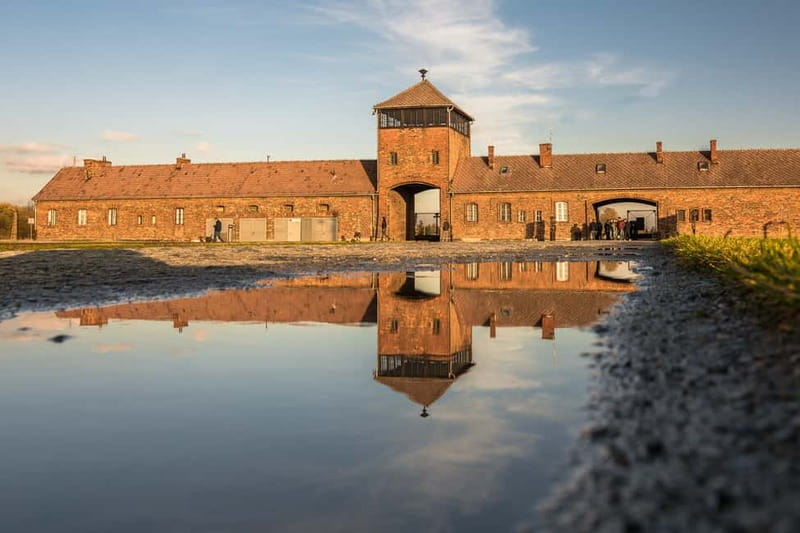
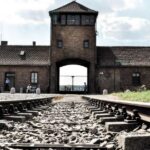
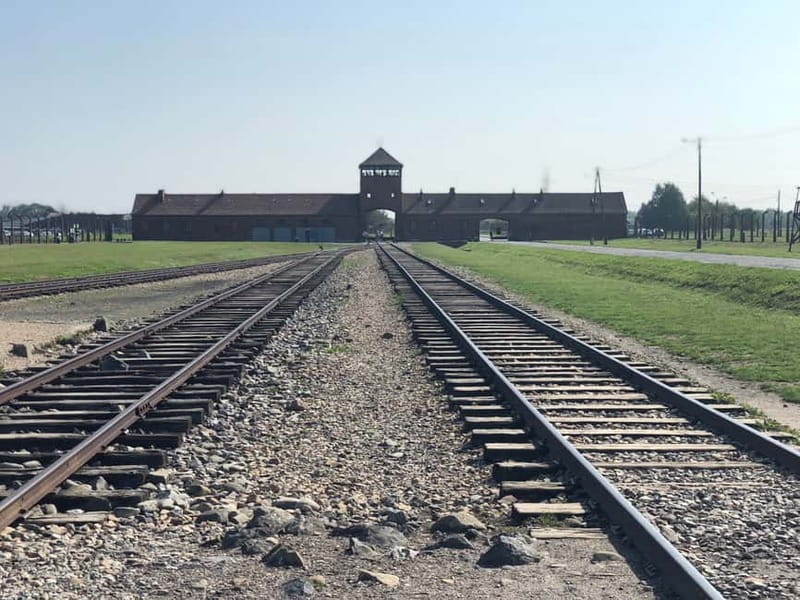
The first major camp-related moment is the Judenrampe stop, where you get about 30 minutes. This is where the story of transport becomes physical. Instead of jumping straight into exhibits, you start with the idea of arrival—how people were moved, processed, and funneled into the camp system.
This part of the day also includes seeing the original camp train car. That detail matters because it takes the history out of the abstract. You can look at the same kind of railcar survivors described and understand why the term “arrival” is loaded. Even if you choose a self-guided option, the time is short enough that you stay focused and don’t feel lost.
From a practical standpoint, early timing helps. You’re fresh enough to absorb the setting, and you’re not too exhausted before Auschwitz I begins. The flip side: 30 minutes goes quickly, so if you like to linger, you’ll have to keep moving or plan to ask questions with your guide (if you booked a guided option).
Auschwitz I: the first camp and the machinery behind executions
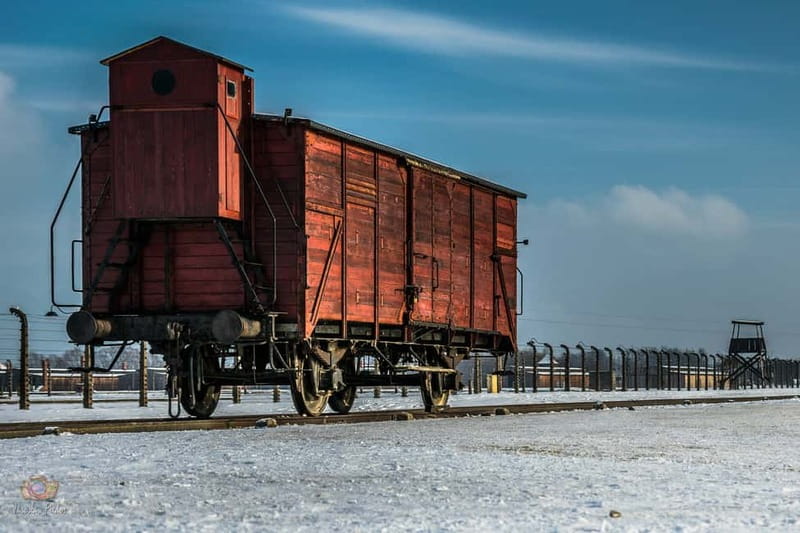
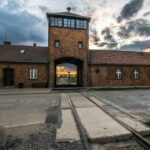
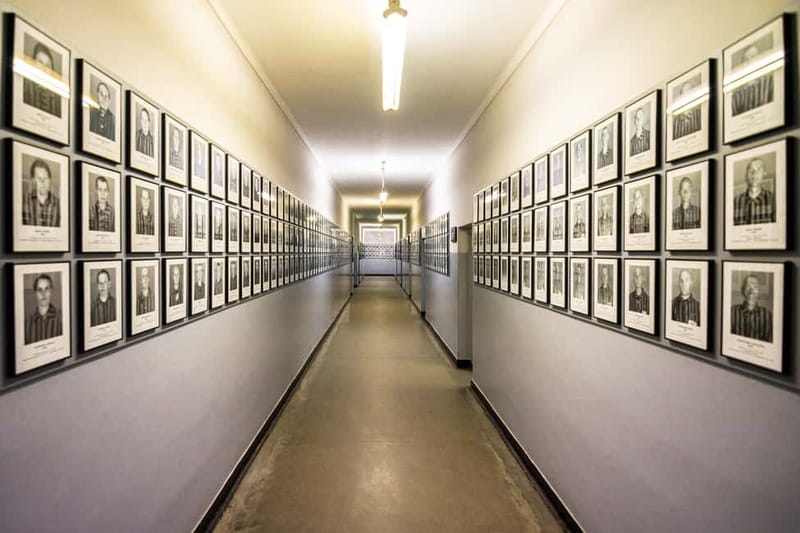
Auschwitz I is where the Nazis established the first camp for both men and women. It’s also where some early mass killings were carried out, including experiments using Zyklon B. The museum here includes the central prison, with Block 11 singled out as a key area—used for prisoners from across the camp complex—and it connects to the main command structures, including the commandant’s office and many SS offices.
If you’re doing the guided version, you’ll have a professional guide walking you through the meaning of the buildings and what you’re seeing as you go. If you’re on the self-guided route, you rely on the provided guide book (in booklet options) and the memorial’s own layout. Either way, the key value of Auschwitz I is that it shows the camp as an administrative and punitive system, not only a site of executions.
One drawback of Auschwitz I is also part of its power: it can feel dense. There’s a lot to understand in a short period, and you might feel pulled in multiple directions at once—buildings, documents, photos, and personal stories. That’s why the documentary and the early Judenrampe stop help. They give you a mental framework so Auschwitz I lands with more clarity.
Auschwitz II-Birkenau: walking through the scale of the killing system
Birkenau is the part most people imagine, but the scale is hard to grasp until you’re there. The Nazis built the larger infrastructure for mass extermination here. Approximately one million Jews were murdered, and in 1944 the camp held over 100,000 prisoners in nearly 300 mostly wooden barracks.
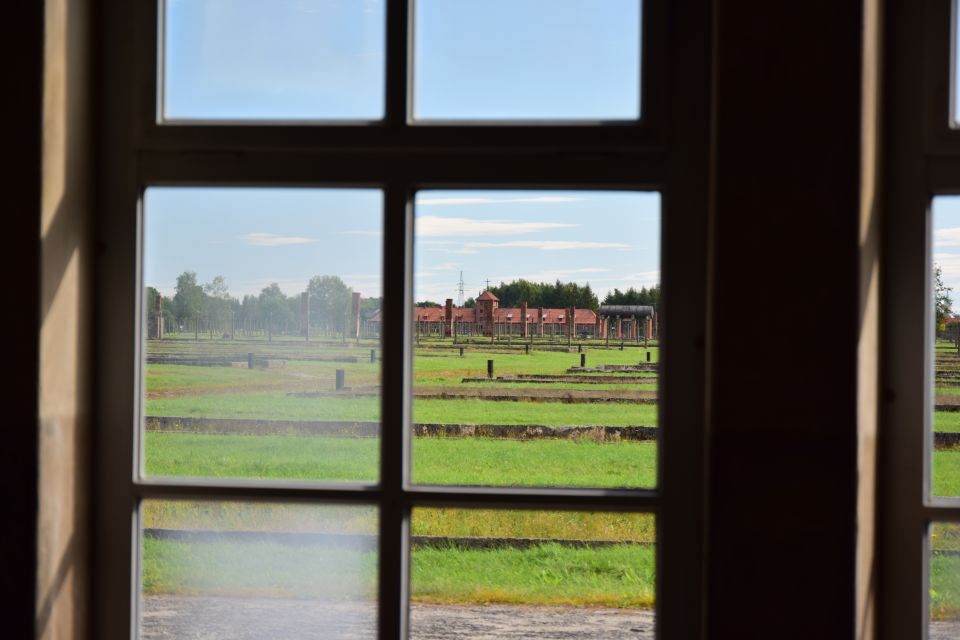
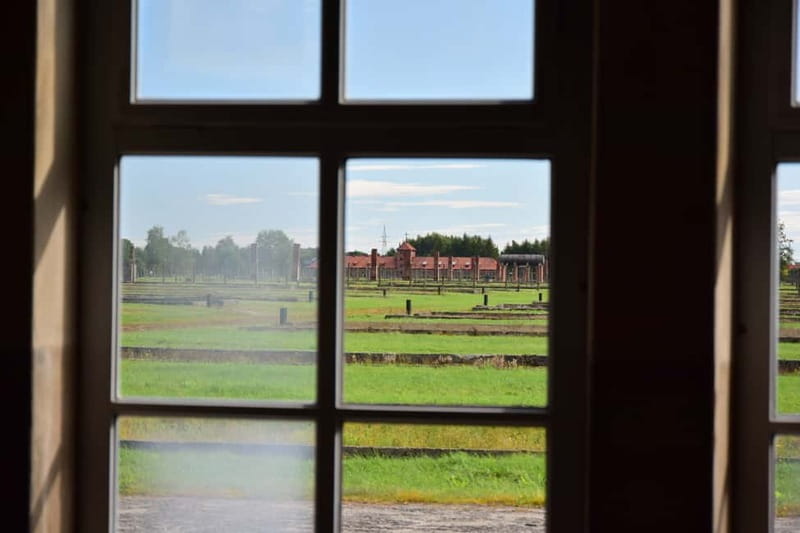
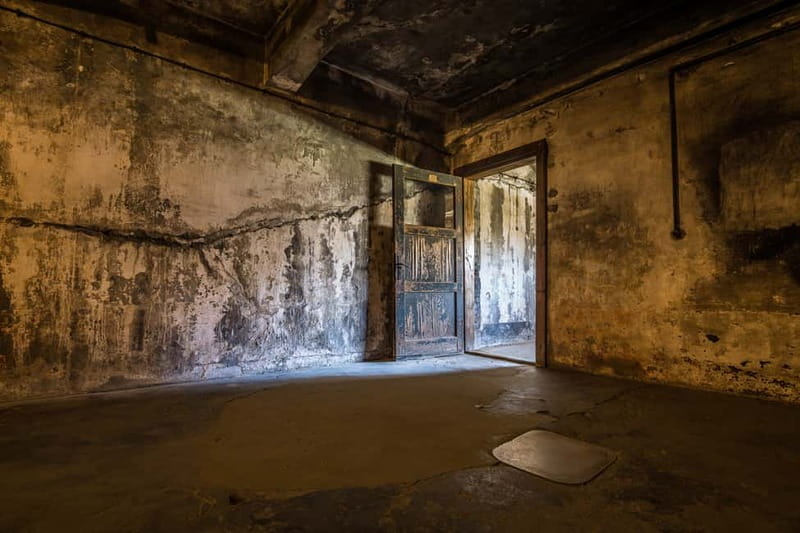
What I find most useful to remember while you walk is that Birkenau isn’t just a single building. It’s a landscape—around 200 hectares—with preserved ruins of gas chambers and sites filled with human ashes, plus kilometers of fencing and roads. Even if you don’t know the details ahead of time, you can sense the layout: where people were held, how movement happened, and how the camp was organized for maximum harm.
In the self-guided option, you’re typically allotted about 2.5 hours for the Auschwitz-Birkenau memorial and museum time after Auschwitz I. In guided options, there’s a 3.5-hour guided tour focused on Auschwitz-Birkenau. Either way, you’ll have a short break before being transferred back toward Krakow.
Here’s the practical consideration: the day involves walking on uneven ground and long stretches between preserved areas. Comfortable shoes are a must. And because the memorial sets the pacing, your time on-site should be treated as approximate, not something you can flex hour-by-hour.
Guided vs self-guided options: choose based on how you want to process
This is one of those tours where the choice between guided and self-guided isn’t about convenience. It’s about how you want the story explained.
If you pick a guided option, you can get a professional guide for a 3.5-hour Auschwitz-Birkenau tour. In some variants, skip-the-line tickets are included too, which matters because delays can cut into the limited hours you have at the memorial. A guided format can also help if you want answers while you’re looking at specific sites—especially at places like the train arrival area and Block 11-related areas where details can get technical.
If you choose a self-guided approach, you still have structure. You get a host on the trip, plus you may receive a brochure/guide book with maps, descriptions, and suggested routing in booklet options. This works well if you prefer quiet time and reading at your own pace.
My practical take: if you know you’ll have questions, go guided. If you like reading and moving slowly through exhibits, self-guided can work—just don’t assume you can do everything. The memorial schedule and the day’s travel time keep the visit focused, so you’ll likely want to pick what you pay attention to most.
Rules, ID matching, and what to pack (so you don’t lose time)
Auschwitz has strict requirements, and this trip handles you carefully—but you still need to comply. Bring a passport or ID card. You’re also required to provide your full name and contact details when booking. Entrance can be refused if the name on your booking doesn’t match the name on the ID you use at entry.
Packing is also limited: luggage or large bags aren’t allowed. Alcohol and drugs are also prohibited. This matters because it affects what you carry for the day—keep it light. Comfortable shoes matter because you’ll be on your feet for long sections.
One more timing reality: pickup time can change within the morning window (5:00 AM to 11:00 AM). You should plan your Krakow morning with a bit of slack, not a tight schedule where you can’t move anything.
Price and value for a 7-hour memorial trip
The price shown is $22 per person, and it’s worth judging it against what’s included. You’re not just buying entry to a museum. You’re paying for round-trip transport from Krakow, a short documentary on the ride, and an English-speaking tour host throughout the trip.
In guided versions, you may also get a professional guide and can get skip-the-line tickets depending on the option you select. In other variants (like “roundtrip transport + tour host assistance to get ticket”), the entry ticket itself may not be included. That detail can change the effective cost, so check the exact option carefully before you hit pay.
At $22, the value is strongest if your chosen option includes the elements that reduce friction: a guide, clear routing, and ideally skip-the-line entry. If your option is self-guided without ticket support, you may end up paying more later or spending longer navigating entry. If you want the smoother experience with the most structure, guiding and ticket handling are usually the smartest upgrades.
Also, the overall rating sits around 3.8 with a large number of ratings. That kind of number usually means the logistics are generally solid, but the quality can vary depending on group and guide. In this case, the repeated bright spot is the friendliness and clarity of hosts and drivers, plus guides who explain respectfully.
Who this tour suits best in real life
This works best for you if:
- You want a one-day Auschwitz plan from Krakow with transport handled.
- You prefer having an English-speaking host to keep the group together and answer practical questions.
- You’re okay following the memorial’s pacing and staying focused on the core sites.
It may not suit you if you:
- Need wheelchair access or have mobility impairments. The tour is listed as not suitable for people with mobility impairments and wheelchair users.
- Want a purely free-roaming visit. Even self-guided options are still tied to a structured day and museum regulations.
Given the subject and the pacing rules, I’d also say it suits first-timers in particular. The ride documentary, the Judenrampe stop, and the Auschwitz I then Birkenau structure give you an order that makes the day easier to process.
Should you book this Auschwitz-Birkenau tour from Krakow?
If you’re short on time in Krakow and you want a managed route to the camps, I’d book this kind of day trip. The big advantage is that you don’t have to plan transport, coordinate entry, or figure out a workable order for Auschwitz I and Birkenau. You also get the on-the-way documentary, which helps you arrive ready.
The smart decision rule is simple:
- Choose a guided option if you want context and answers while you’re standing in the places.
- Choose self-guided if you’re comfortable reading and moving at your own pace, and you’re okay with less interpretive structure.
If your schedule is tight or your mobility is limited, that’s where you should pause and consider other options. But if you can handle a long, structured day and you want Auschwitz covered with transport and support from Krakow, this is a solid way to do it.
FAQ
How long is the Auschwitz-Birkenau tour from Krakow?
The trip runs about 7 hours, but it can stretch longer depending on which option you pick (it’s listed as 7 hours up to roughly 11 hours).
Where is the pickup in Krakow?
You meet in front of the Radisson Blu Hotel (tourist bus stop), and you should arrive about 15 minutes early.
Is there a documentary on the way to the camps?
Yes. The tour includes a documentary film about Auschwitz on the way to Auschwitz-Birkenau.
Is the tour self-guided or guided?
It depends on your selected option. Some options include a self-guided visit, while guided options include a professional guide for the Auschwitz-Birkenau portion.
How much time do you spend at Judenrampe and at the museum?
Judenrampe is listed as about 30 minutes self-guided. Auschwitz-Birkenau museum time is listed as about 2.5 hours self-guided in self-guided options, while guided options include a 3.5-hour guided tour of Auschwitz-Birkenau.
Are skip-the-line tickets included?
Skip-the-line tickets are included only for options that combine guided service and skip-the-line. Other options may require you to get the entry ticket separately.
What should I bring, and what’s not allowed?
Bring a passport or ID card and wear comfortable shoes. Large bags or luggage aren’t allowed, and alcohol and drugs are not allowed.
Do I need to provide my real name for entry?
Yes. You must provide your full name and contact details as part of booking, and entrance may be refused if the name on your booking doesn’t match the name on your ID.
Is this tour suitable for wheelchair users or mobility impairments?
No. The tour is listed as not suitable for people with mobility impairments and wheelchair users.