REVIEW · KRAKOW
From Krakow: Auschwitz-Birkenau & Schindler’s Factory Tour
Book on GetYourGuide →Operated by Krakow Tours by Krakowdirect · Bookable on GetYourGuide
Auschwitz changes your internal compass. This day trip from Krakow is heavy, but it stays practical: you get headsets in Auschwitz-Birkenau and a guided route that keeps you oriented where you need to be. I also like that the plan pairs the camps with Krakow’s wartime story at Schindler’s Factory, instead of turning the day into a one-note history lesson.
Two things I like a lot are the English-speaking guides (with clear, structured routes) and the smooth, round-trip transportation that gets you there without stress. On the way, you’ll also watch a documentary film to set the stage before the first site.
One drawback to plan for: it’s a long day, and the later museum can feel rushed if your group is large. A few people also noted crowding inside Schindler’s Factory, which can limit time to read everything at your own pace.
In This Review
- Key highlights at a glance
- Auschwitz and Schindler’s Factory: why this combo works
- Getting started in Krakow: pickup, timing, and the long morning
- On the bus: documentary context and headsets ready to go
- Entering Auschwitz-Birkenau with a guide: what the 3.5 hours really gives you
- Birkenau’s scale: why “official routes” feel different here
- Podgórze break time: using the reset wisely
- Oskar Schindler’s Factory Museum: history of Krakow and the Schindler story
- Small-group promise vs real-world crowding
- Price and value: is $58 worth it for this kind of day?
- Practical tips that make the day easier
- Who should book—and who should skip the factory tour option
- FAQ
- How long is the Auschwitz-Birkenau and Schindler’s Factory tour from Krakow?
- Where does the tour start in Krakow?
- Are skip-the-line tickets included?
- What guided tour times are included?
- Do I get headsets at Auschwitz-Birkenau?
- Is there a documentary included on the way?
- Is lunch included?
- Can I bring luggage?
- What identification do I need?
- Where do I end the tour?
- Should you book this Auschwitz and Schindler day trip?
Key highlights at a glance
- Skip-the-line tickets so you lose less time before the first guided walkthrough
- Headsets in Auschwitz-Birkenau to hear your guide clearly in tough conditions
- Professional guided routes at both locations, not a loose wander
- Schindler’s wartime Krakow context in the former enamel factory
- Pickup and drop-off in Krakow, with a handy final drop at Schindler’s Factory
- A structured break in Podgórze so you can reset before the second museum
Auschwitz and Schindler’s Factory: why this combo works
If you’re visiting Krakow for the first time, you’ll notice something fast: World War II history is everywhere, but it’s not all the same kind of story. Auschwitz-Birkenau is the brutal machinery of the Holocaust—organized, systematic, and designed to eliminate. Schindler’s Factory gives you a human-scale counterpoint: the wartime city, the choices people made, and the narrow space where saving lives was possible.
I like that the day trip connects those dots for you. You see how terror operated at industrial scale, then you move into a museum that focuses on Krakow’s wartime reality and the story made famous by Schindler’s List. Even if you leave thinking hard (you will), the flow helps the day feel coherent instead of random stops.
One more reason this pairing makes sense: many people struggle to plan Auschwitz correctly. Having an official guided route and skip-the-line entry reduces decision fatigue—especially on a day when your emotions will do plenty of the work for you.
You can also read our reviews of more tours and experiences in Krakow.
Getting started in Krakow: pickup, timing, and the long morning
This tour is built around a very early start, because Auschwitz and Birkenau are not close enough for a relaxed timetable. You’ll meet at the entrance of the Radisson Blu Hotel Krakow at the Tourist Bus Stop, where you’ll link up with the van/minibus/coach. Some departures also offer optional hotel pickup, but you’ll still need to be ready at least 15 minutes early for your listed time.
You should expect a long travel stretch between Krakow and the camps, plus the fact that guided time is fixed. One traveler described a big early variation—pickup around 05:30—so don’t assume the day starts gently. If you’re the type who likes to ease into vacations, set a mental bookmark: today begins before sunrise.
Pack for comfort more than style. You’ll be standing, walking, and listening, often in cold air at Birkenau. Even in fair weather, you’ll feel it on your legs before you feel it in your heart.
On the bus: documentary context and headsets ready to go
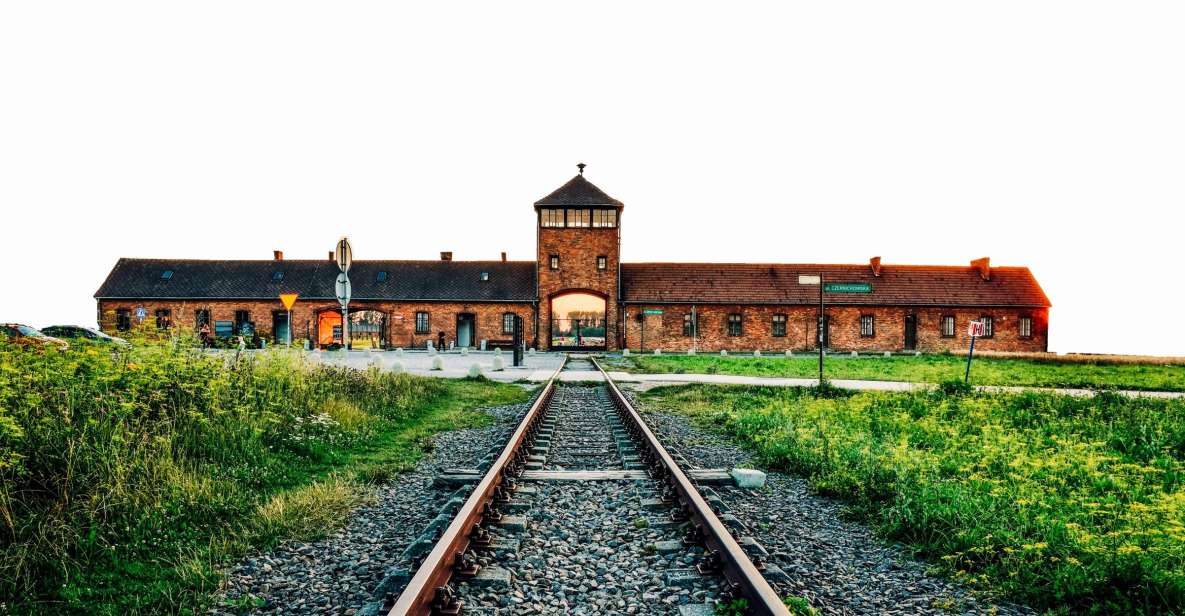
The plan includes a documentary film on the way to Auschwitz-Birkenau. That part matters. Before you see anything, your brain needs a framework—dates, purpose, geography—so the site doesn’t hit as pure shock with no structure.
Once you arrive, you’ll also use headsets in Auschwitz-Birkenau. This isn’t a small detail. The camps can be windy and crowded, and the rules and pathways can make it hard to hear a guide if you’re trying to keep your distance and look around.
One practical note: a couple of people mentioned missing the film or not having onboard Wi‑Fi. You can’t count on tech working perfectly everywhere, so I’d bring something low-stakes for the ride—like a book or downloaded offline reading—just in case.
Entering Auschwitz-Birkenau with a guide: what the 3.5 hours really gives you
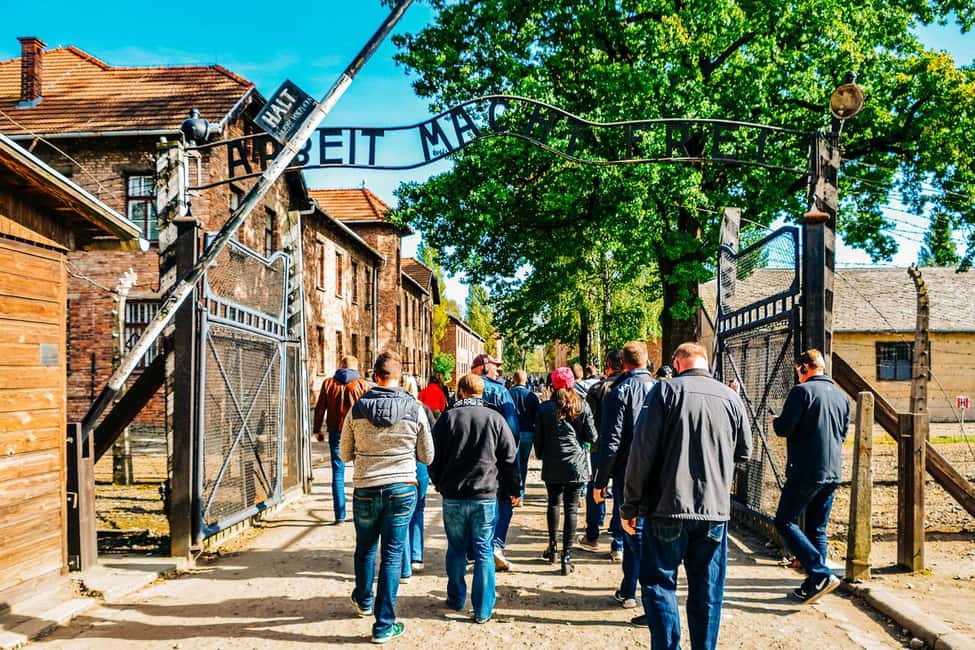
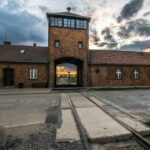
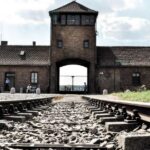
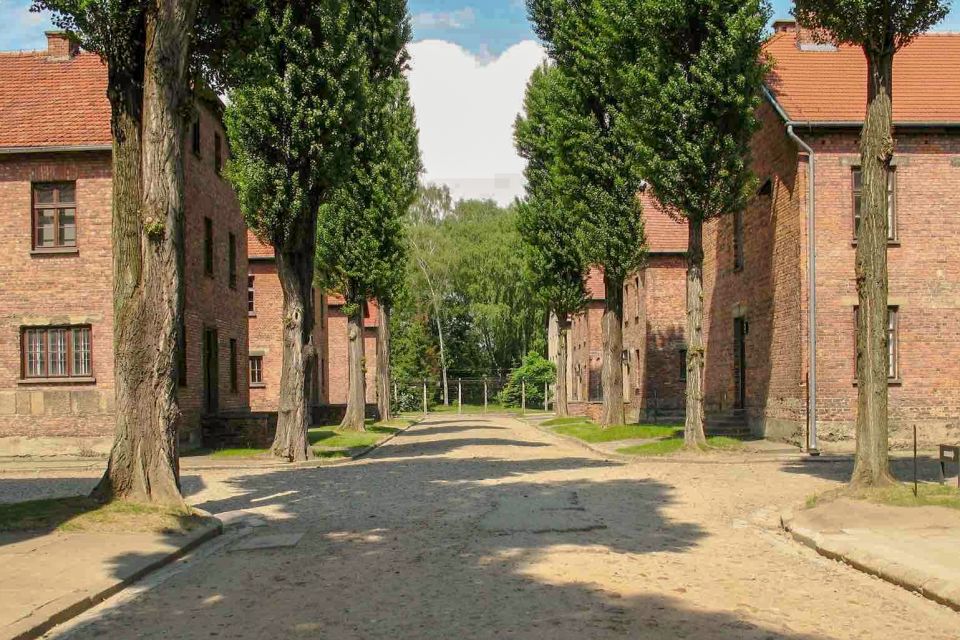
The Auschwitz portion is not about checking boxes. It’s about being guided along official routes through a place where context is everything. You’ll have a 3.5-hour guided tour at Auschwitz-Birkenau, so you’re not left to interpret alone while absorbing something overwhelming.
In multiple comments, people praised the guides for being calm, serious, and clear—names you may hear include Marta and Alexander. One guide was described as exceptionally passionate and another as difficult to understand because of accent or headset issues, so plan to stay flexible. If headsets are provided, use them properly from the start and don’t hesitate to tell the host if you can’t hear.
A guided route also helps you avoid a common mistake: trying to see everything at Auschwitz without understanding what you’re looking at. The best tours keep you focused on the big features—layout, purpose, prisoner experience—then give you enough time to process without rushing you into the next stop.
Also, it helps that the tour is organized enough to keep the day moving. That matters because your energy and attention are not infinite on this topic.
Birkenau’s scale: why “official routes” feel different here
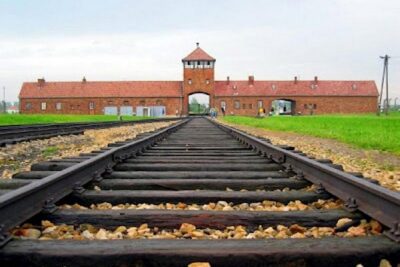
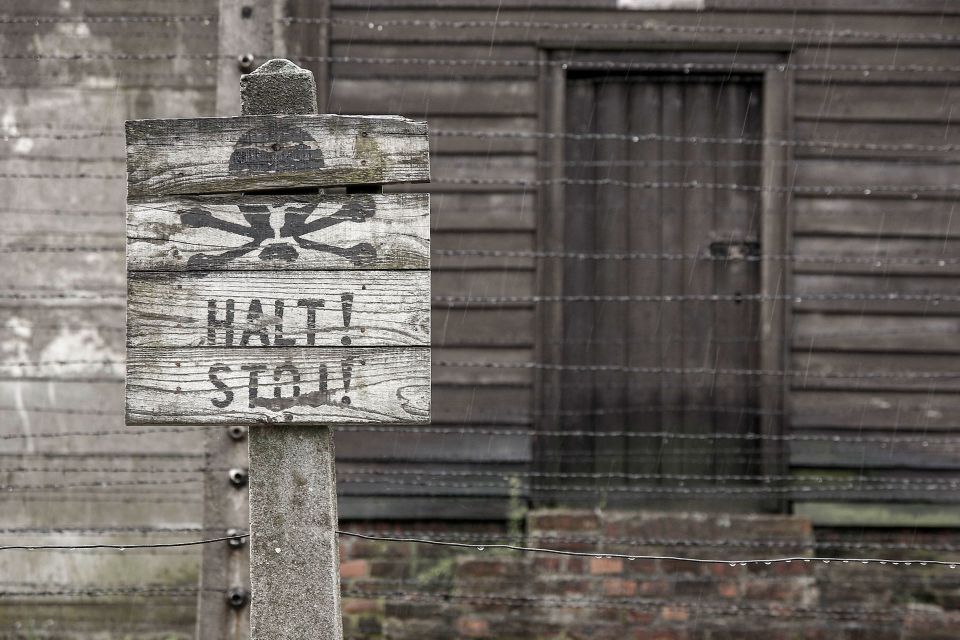
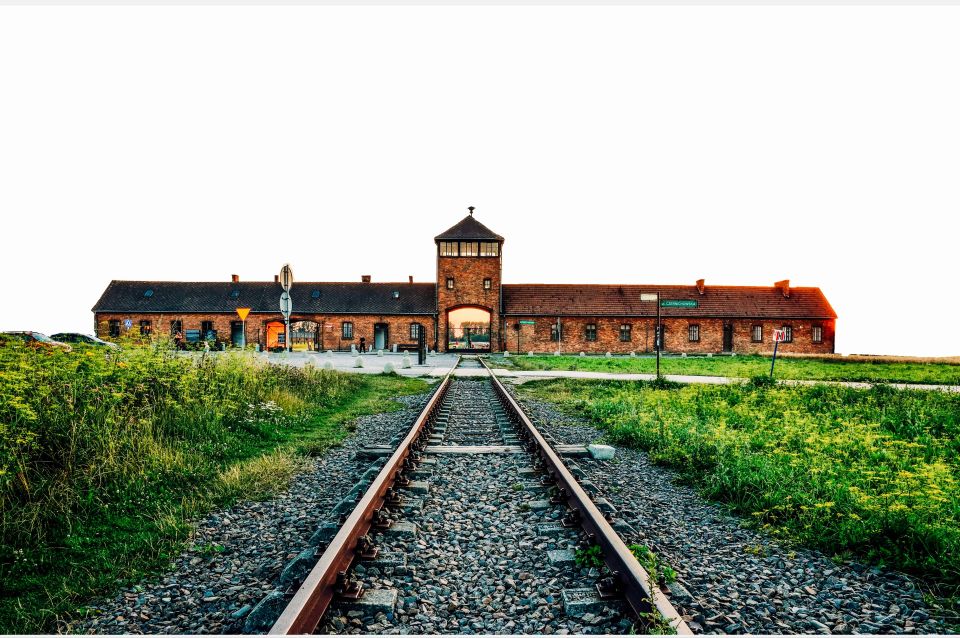
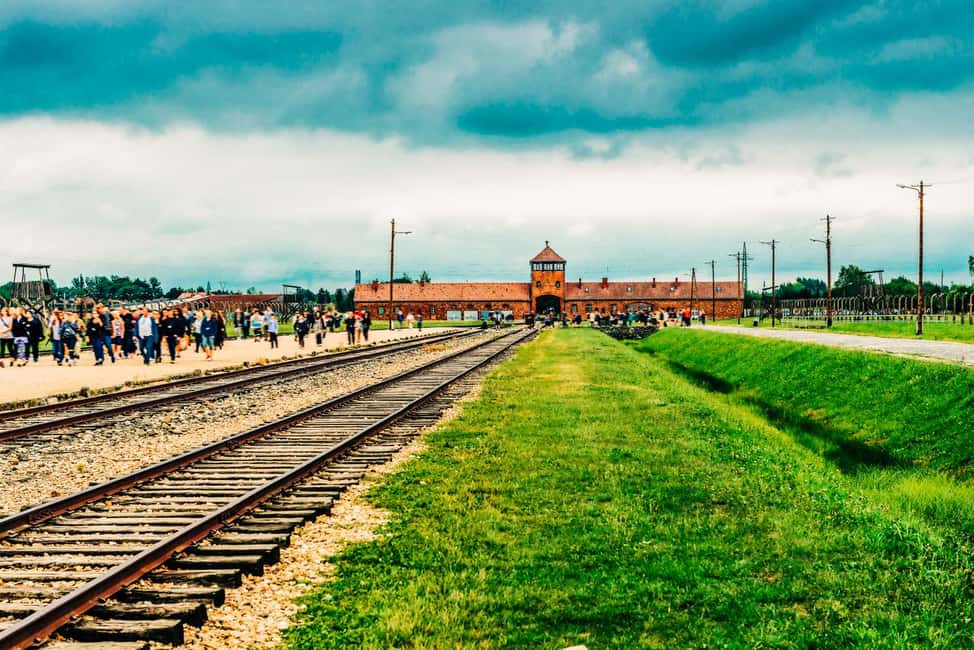
Birkenau is the bigger, more exposed site. It’s where you feel the vastness of what was built—and the industrial logic behind it. The camp was designed and expanded using forced labor, and it served as an extermination camp for prisoners arriving during the war years. By the end of the conflict, the numbers of those killed were catastrophic in scale.
The museum’s restoration after the war is part of why the site exists as it does today. Nazis tried to destroy evidence before liberation, and the Polish government chose to preserve and restore the memorial so the truth would survive.
Standing in places where so many people were processed and murdered is emotionally heavy. You’ll likely notice people moving slower in Birkenau, even within a group tour. That’s normal. The guide can’t remove the sadness, but a good one helps you read the site instead of just staring at it.
Because Birkenau is open, weather can hit hard. Several people mentioned cold, snow, and wind. Wear layers. Comfortable shoes matter more than you’d think until you’ve been standing for a while.
Podgórze break time: using the reset wisely
Between the two main sites, you’ll get a break in Podgórze with time for coffee/tea and lunch, plus free time. The break is listed as about 50 minutes, and road conditions and how the morning runs can shift it slightly.
I treat this as your mental breather. Auschwitz is intense. Before you go to Schindler’s Factory, you’ll want something in your stomach and a chance to step away for a moment so you don’t carry a fog of fatigue into the afternoon.
Also, plan simple choices. Food isn’t included, and you won’t have time for a long sit-down meal. If you know you get dizzy when you skip breakfast, eat early and keep your expectations realistic for quick lunch options.
Oskar Schindler’s Factory Museum: history of Krakow and the Schindler story
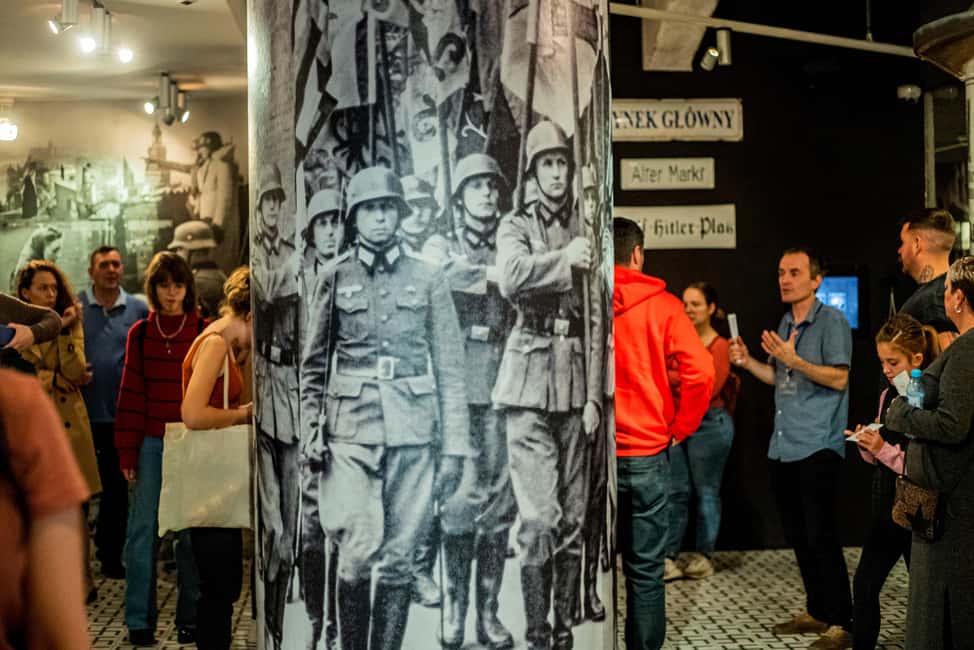
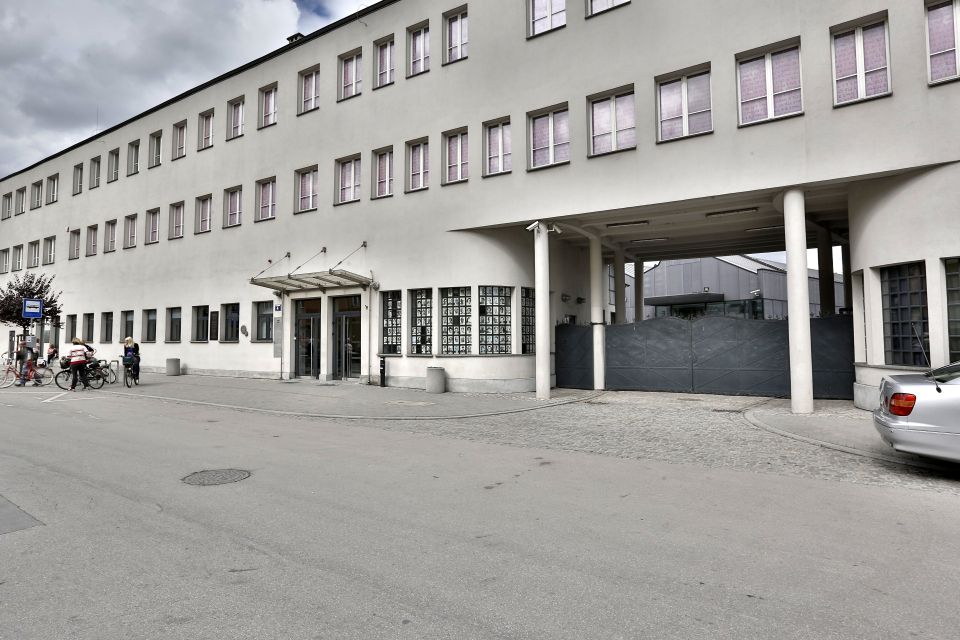
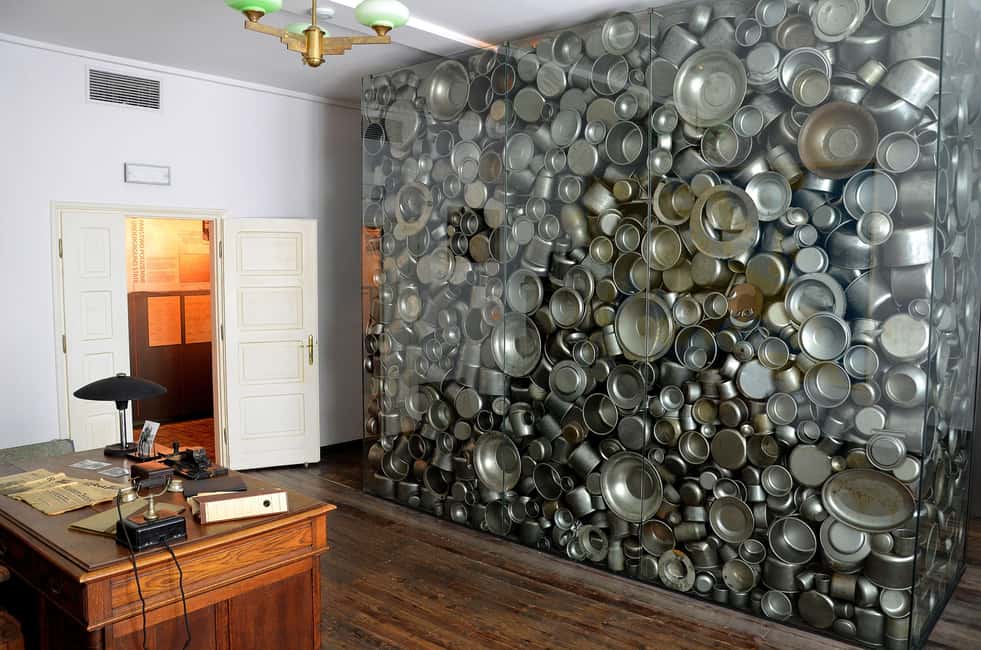
After Auschwitz, Schindler’s Factory can feel like a different world—same war, different scale. You’ll visit the former enamel factory with a 1.5-hour guided tour, plus an interactive exhibition.
The museum connects Krakow during the Holocaust to the story of Oskar Schindler, who famously saved more than 1,000 people. The narrative became internationally known through Steven Spielberg’s 1993 film, Schindler’s List. That matters because many visitors arrive already carrying movie memories, and the museum tries to separate story from setting.
Here’s the balanced truth: people don’t all feel the same about how much the tour focuses on Schindler himself. Several comments praised the Schindler portion as interesting and well guided, while others felt it leaned more toward Krakow’s wartime environment than Schindler’s personal role. If your main goal is a deep, character-focused biography of Schindler, you might want to allow extra time for independent wandering after the tour.
Crowding can also limit how much you absorb. A couple of reviews mentioned the group being too large for comfortable viewing in the museum space, which can make it hard to stop and read every panel. If you’re the kind of person who likes to read slowly, go into Schindler’s Factory prepared for a guided overview rather than a fully self-paced museum marathon.
On the bright side, many people found the factory museum compelling, especially when the guide’s explanations brought the context alive. One traveler described the Schindler guide turning flustered and then settling down into strong, knowledgeable storytelling.
Small-group promise vs real-world crowding
This tour offers a small group option, and pickup coordination is generally described as smooth. Still, museum capacity and tour schedules can create bottlenecks. In practice, you might get a group small enough for easy listening, or a group large enough to feel squeezed—especially in Schindler’s Factory.
A few travelers noted issues like a minibus feeling uncomfortable or being too tightly packed. Another theme was that the Auschwitz guide worked well even under pressure, while the Schindler experience suffered when the group size didn’t match the venue’s viewing rhythm.
So here’s my advice: treat the Auschwitz portion as the “must-listen” part and the Schindler portion as the “must-orient” part. If you want more slow reading at Schindler, plan to return after the tour ends and spend extra time there on your own.
Also, be patient with time. The day is paced by visitor services rules and site regulations. You won’t control it, and trying to will only add stress.
Price and value: is $58 worth it for this kind of day?
At about $58 per person, the value comes from what’s bundled, not the sightseeing itself. You’re getting round-trip transportation from Krakow, skip-the-line tickets, guided tours at both Auschwitz-Birkenau and Schindler’s Factory, and headsets in Auschwitz-Birkenau. You also have an English-speaking host for the day, plus insurance included.
Independently arranging transit and official museum entry would likely take more time and mental energy than most people want on a day that’s already intense. The “pay once and go” structure is what you’re really buying.
Two costs aren’t covered: food and drinks. Toilet fees can also come up, and one review mentioned a small cash cost for restrooms. Bring a little change just in case, and don’t assume a café stop will be convenient in exactly the way you want.
If you’re a first-time visitor who prefers not to manage logistics, this price can feel like a deal. If you’re the type who loves independent pacing and already knows how to plan Auschwitz tickets and transport, you might find a DIY approach can stretch further—but you’ll trade convenience for control.
Practical tips that make the day easier
Auschwitz is not a place for fashion choices. It’s a place for foot comfort and clear focus.
Here’s what helps most based on the day’s setup:
- Bring your passport or ID card. Auschwitz entrance can be refused if the name doesn’t match exactly. Provide full name and contact details when booking.
- Wear comfortable shoes. Birkenau can be windy and cold, and you’ll stand more than you expect.
- Don’t bring luggage or large bags.
- Bring a camera only if you follow the site rules. Camera is listed as allowed.
- Plan for quick meals. Food isn’t included, and the break is short.
- Know that the final drop-off is at Schindler’s Factory, so you can grab a taxi back to your hotel after.
Also, if you get motion sickness, bring what you need. You’ll be on the road a while, and the morning starts early. This isn’t the tour for a late-sleep experiment.
Who should book—and who should skip the factory tour option
This tour is ideal if:
- You want official guided structure for Auschwitz-Birkenau.
- You’re visiting Krakow with limited time and want maximum historical coverage in one day.
- You prefer transport plus skip-the-line so you aren’t juggling schedules.
- You’d like Schindler’s Factory as context, even if you don’t expect it to be a purely biographical deep dive.
You might reconsider if:
- You need long, quiet, independent time for reading and absorbing at every stop.
- You really want Schindler’s story in maximum depth and don’t like the idea of a fixed 1.5-hour guided visit.
- You’re sensitive to crowds in museum spaces.
In other words: book this if you want a well-organized moral history day. If you’re trying to customize every minute of museum time, a more independent plan might suit better.
FAQ
How long is the Auschwitz-Birkenau and Schindler’s Factory tour from Krakow?
The total duration is listed as 510 minutes, which is about 8.5 hours.
Where does the tour start in Krakow?
The meeting point is the entrance of the Radisson Blu Hotel Krakow at the Tourist Bus Stop.
Are skip-the-line tickets included?
Yes. Skip-the-line tickets are included.
What guided tour times are included?
You get a 3.5-hour guided tour at Auschwitz-Birkenau and a 1.5-hour guided tour at Oskar Schindler’s Factory.
Do I get headsets at Auschwitz-Birkenau?
Yes. Headsets are included for Auschwitz-Birkenau.
Is there a documentary included on the way?
Yes. A documentary film is included en route to Auschwitz-Birkenau.
Is lunch included?
No. Food and drinks are not included.
Can I bring luggage?
No. Luggage or large bags are not allowed.
What identification do I need?
Bring a passport or ID card. You’ll also be required to provide your full name and contact details when booking for Auschwitz entry.
Where do I end the tour?
The last drop-off is provided at Schindler’s Factory.
Should you book this Auschwitz and Schindler day trip?
If you want an organized, English-guided day that handles transport and entry for two major sites, I’d book it. The combination of skip-the-line access, Auschwitz headsets, and professional guiding removes a lot of friction from a very emotionally demanding day.
Just go in with the right expectations. Auschwitz is the core of the experience. Schindler’s Factory is the context and Krakow wartime story—often excellent, but you may not get slow, detailed reading if your group is crowded or if the pacing feels tight.
If that sounds like your style, this is a strong value at around $58 and an efficient way to experience the essential parts of both sites from Krakow.