REVIEW · KRAKOW
Cracow: Jewish Quarter and Ghetto Sightseeing Golf Cart Tour
Book on GetYourGuide →Operated by MyRide · Bookable on GetYourGuide
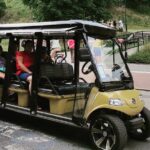
A ride on an electric golf cart cuts your walking time fast. This tour is a practical way to see Kazimierz and the former Jewish ghetto area in about 90 minutes, while an audio guide fills in the context as you go. I like that the vehicles are heated, so the experience stays comfortable even when Krakow weather is doing its thing.
Two things I really appreciate: the eco-friendly electric transport lets you cover more ground without feeling rushed, and the audio guide is available in a huge set of languages, including English and Hebrew. You also get to notice art along the route, including paintings and sculptures, which adds texture beyond just street names and dates.
One drawback to plan for: it’s a group tour with an audio guide rather than a live guide, and entrance tickets and food are not included. So if you want a slower pace or hands-on explanations, you’ll need to complement this with some extra time on your own.
In This Review
- Key takeaways before you ride
- Why Kazimierz on a golf cart feels like fast, meaningful sightseeing
- Getting oriented: meeting point, start time, and group pace
- Kazimierz streets and the art you’re meant to notice
- The former Jewish ghetto area: wall fragments and displaced homes
- Pod Orłem pharmacy: why one historic building can carry a lot
- What about the paintings, sculptures, and monuments count?
- Lunch-time Polish cuisine: what’s included and what you may pay
- Price and value: is $34 fair for 90 minutes?
- Who this tour suits best (and who should think twice)
- Booking sense-check: should you book this Cracow golf cart tour?
- FAQ
- Where is the meeting point for the tour?
- How long is the Cracow Jewish Quarter and Ghetto sightseeing golf cart tour?
- How much does the tour cost?
- Is there an audio guide included?
- Are entrance tickets included?
- Is a live guide included?
- Is food or drink included?
- Is hotel pickup or drop-off included?
- What languages is the audio guide available in?
- Can I bring luggage or large bags?
- What is the policy for kids?
Key takeaways before you ride
- Heated, electric golf carts help you move through Kazimierz without the usual walking grind
- Audio guide in many languages means you can match your preferred language on the spot
- 20+ monuments in 90 minutes keeps the day efficient
- Former ghetto traces include a fragment of wall, displaced-housing sites, and Ghetto Heroes Square
- Pod Orłem pharmacy is a standout historical stop on the route
- Food and drink aren’t included, even though a lunch-time taste is part of the experience design
Why Kazimierz on a golf cart feels like fast, meaningful sightseeing
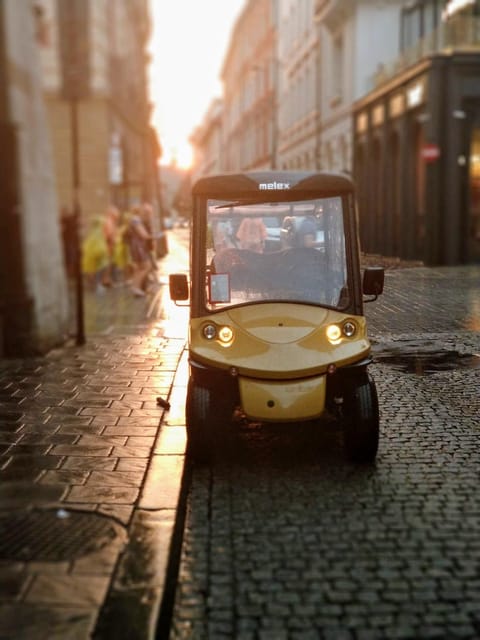
Kazimierz is Krakow’s old Jewish Quarter, and it used to be its own separate city. That matters, because the streets and buildings give you a different rhythm than central Krakow. Instead of hopping randomly between a few stops, this tour keeps you moving along the same area that shaped Jewish communal life for centuries, then shifts into the ghetto period when World War II changed everything.
I like that the format is built around efficiency without turning it into a blur. The electric cart means you can actually see the details—street layout, building facades, and the points of interest—without your legs doing all the work first. That’s a real value in a city where stone streets can add up quickly.
You’ll also get cultural layering. Kazimierz is described as a place of peaceful coexistence where Christian and Jewish cultures intertwine. Even with an audio guide, you can feel that contrast as you move from monuments and art to the more somber ghetto-area sites.
You can also read our reviews of more tours and experiences in Krakow.
Getting oriented: meeting point, start time, and group pace
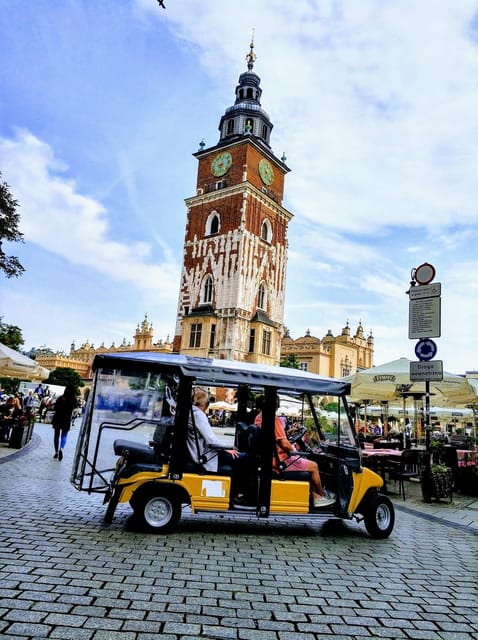
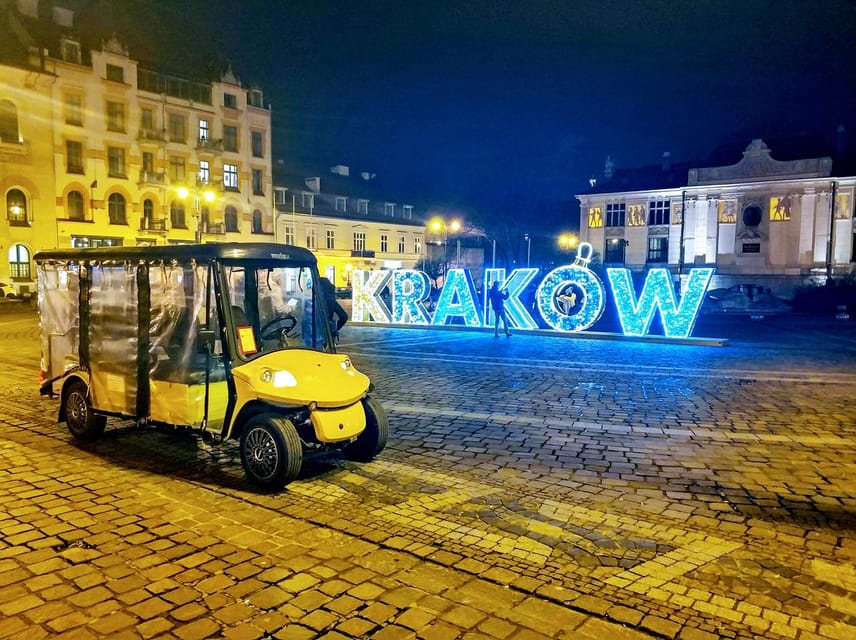
This tour starts at the scheduled time, so show up a bit early. The meeting point is Parking Kiss&Ride at 2 Mikołaja Zyblikiewicza street, in front of the Zabka store. Look for a golf cart labeled excursions.city.
Because this is a group tour, you won’t have a private cart with a one-on-one guide. The upside is that you’re usually moving steadily with everyone else. The downside is you’ll follow the group timing, and you can’t pause whenever a single photo moment grabs you.
One other practical note: luggage or large bags aren’t allowed. If you’re traveling light (day bag size), you’ll be fine. If you’re carrying big items, plan to store them elsewhere before you head to Kazimierz.
Kazimierz streets and the art you’re meant to notice
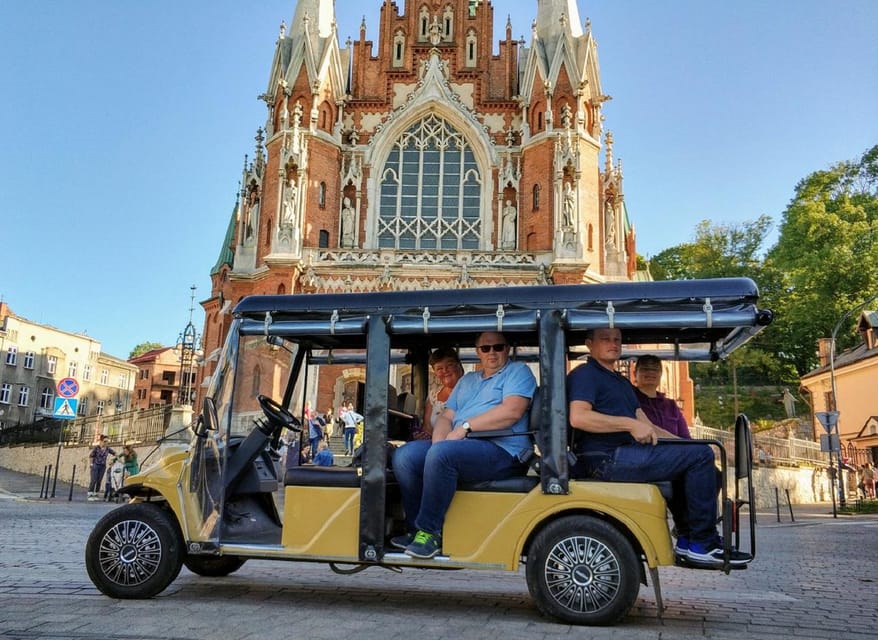
Kazimierz isn’t only a history stop. It’s also a place of art, and this tour is designed to point that out while you ride. You’ll admire works of art, including paintings and sculptures, as part of the route. Even if you’re not a museum person, I like this approach because it trains your eye.
What makes that useful is simple: art and sculpture often sit where you’d otherwise just see a building. With an audio guide, the route turns into a guided sightline. You get to understand what you’re looking at instead of guessing.
The tour also sets you up with the basics of the neighborhood’s character—how it developed and who lived there. That way, when you arrive at the more difficult ghetto-area scenes, you’re not learning history on the fly. You’ll have already built some sense of place.
In other words: you’re not only moving through Kazimierz—you’re learning how to read it.
The former Jewish ghetto area: wall fragments and displaced homes
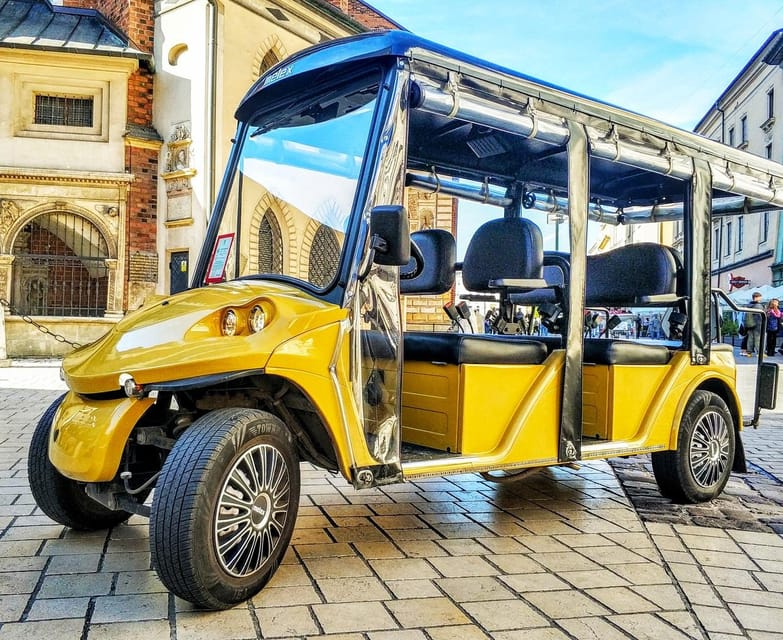
The emotional center of the tour is the former Jewish ghetto area, which existed during the war. You’ll see traces of those events, including a fragment of the ghetto wall and houses where displaced Jews lived. These aren’t just background details; they’re the kind of physical remnants that make the history feel close.
A tour like this works best if you give it your full attention for these sections. You’re riding, so you can still look away briefly—but don’t let the speed pull you past the meaning. The power here comes from seeing specific locations tied to what happened.
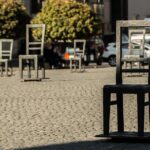
You’ll also visit Ghetto Heroes Square, where there’s a monument connected to the ghetto story. Even if monuments aren’t your usual thing, this stop gives a focal point. It’s the moment where the experience shifts from scattered sites into a shared remembrance space.
Pod Orłem pharmacy: why one historic building can carry a lot
One of the most concrete stops on the route is the historic Pod Orłem pharmacy. The audio guide highlights it as part of what remains from the ghetto period.
Why does a pharmacy matter in a tour like this? Because it turns “history” into a lived setting. Buildings like this were part of day-to-day life, even under extreme conditions. Seeing a specific institution on the route helps you picture routine—care, supplies, and the systems people relied on, even when life was being forcibly dismantled.
This is also the kind of stop that can help you control your own pace. If you feel like lingering for photos, you can usually do it at stops like this more easily than when you’re simply walking through a neighborhood at random.
What about the paintings, sculptures, and monuments count?
The tour notes that you’ll see over 20 monuments. That number is the point: the cart route is meant to pack a lot of major sights into a single, manageable session.
The practical benefit is obvious. If you try to DIY Kazimierz and the ghetto area, you can end up zigzagging and missing pieces. With this setup, you follow a planned line that connects the key story beats: Kazimierz’s identity, the Christian-Jewish coexistence theme, then the wartime ghetto reality.
The art elements—paintings and sculptures—fit in because they help you slow your eye down. Instead of treating everything as a checklist, you’re encouraged to look for expression in the streets.
It’s sightseeing with structure.
Lunch-time Polish cuisine: what’s included and what you may pay
The highlights say you’ll get a taste of traditional Polish cuisine during lunch. At the same time, food and drink are listed as not included.
So here’s the practical way to handle it: treat the tour as transporting you and providing the audio guide, with the cuisine tasting framed as part of the overall experience. If you’re expecting lunch to be fully covered, that expectation isn’t supported by the details provided. Bring some spending money and stay flexible about what you’ll actually receive.
That approach keeps you from getting stuck at lunchtime when you’re hungry and your bill isn’t on your plan.
Price and value: is $34 fair for 90 minutes?
At $34 per person for 90 minutes, you’re paying for three key things: golf cart transport, a multilingual audio guide, and an efficient route that hits Kazimierz and the ghetto sites in one go.
This price can feel very reasonable if you value time and comfort. Electric carts reduce fatigue, and they help you fit the Jewish Quarter and ghetto area into a day that might also include other Krakow sights.
It can feel less like a bargain if you’re hoping for a live guide’s deeper storytelling or if you plan to buy lots of timed tickets. Entrance tickets aren’t included, and there’s no live guide included. You’ll also need to budget for food if the lunch element isn’t covered.
Still, as a first pass through Kazimierz and the ghetto area, the value is strong: you get the big landmarks and a guided context in a single, controlled session.
Who this tour suits best (and who should think twice)
I think this tour is a great fit if you want:
- a structured overview of Kazimierz and the ghetto area without doing nonstop walking
- an audio guide you can match to your language (the list is extensive)
- a fast way to hit major monuments, including the ghetto wall fragment and Ghetto Heroes Square
It may be less ideal if you:
- expect a live historian or interactive Q&A (the guide is audio only)
- want free hands to stop for long periods at each site
- are traveling with large luggage (it’s not allowed)
If you’re sensitive to the heavier wartime subject matter, this cart format can actually help. You’re still taking it in, but you’re not exhausted from walking, so you can give the important parts your attention.
Booking sense-check: should you book this Cracow golf cart tour?
If your goal is to see Kazimierz plus the former ghetto area with 20+ monuments in a short window, I’d book it. The $34 price lines up well with what you’re getting: heated, electric transport and a multilingual audio guide that keeps you oriented.
I’d also book it if you want an efficient way to build context before spending extra hours exploring on your own. You’ll come away with the key names and locations, like Pod Orłem pharmacy and Ghetto Heroes Square, and you’ll know where to return if something really grabs you.
If you want a live guide, included meals, or fully covered tickets, then you should think twice and plan to add those pieces separately.
FAQ
Where is the meeting point for the tour?
Meet at Parking Kiss&Ride at 2 Mikołaja Zyblikiewicza street, in front of the Zabka store. Look for a golf cart labeled excursions.city.
How long is the Cracow Jewish Quarter and Ghetto sightseeing golf cart tour?
The duration is 90 minutes.
How much does the tour cost?
The price is $34 per person.
Is there an audio guide included?
Yes. The tour includes an audio guide with multilingual support.
Are entrance tickets included?
No. Entrance tickets are not included.
Is a live guide included?
No. A live guide is not included.
Is food or drink included?
Food and drink are not included.
Is hotel pickup or drop-off included?
No. Hotel pickup and drop-off are not included.
What languages is the audio guide available in?
The audio guide is available in many languages, including English, Hebrew, Polish, French, German, Spanish, Italian, and several others listed for the tour.
Can I bring luggage or large bags?
No. Luggage or large bags are not allowed.
What is the policy for kids?
Children 0–6 years can ride for free on their parent’s lap.