REVIEW · KRAKOW
Auschwitz Birkenau Guided Tour
Book on Viator →Operated by CRACOW LOCAL TOURS · Bookable on Viator
A somber day, planned down to the minute. This Auschwitz-Birkenau guided tour is built for travelers who want a clear schedule, priority admission, and expert storytelling without wrestling ticket lines on your own. I also like that the whole day runs with a real “get to Krakow, get to the camps, get back” structure.
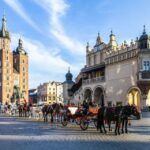
First big win: the pickup and drop-off. You can start from a central meeting point near the Old Town, or arrange hotel pickup from a long list of addresses around Krakow. Either way, it removes the stress of figuring out transport to Oświęcim and keeps the day focused on the memorials, not logistics.
Second big win: the official museum guidance inside. The visit is designed in timed blocks at both Auschwitz I and Auschwitz II-Birkenau (with a break built in between), and the tour keeps groups to a maximum of 30. One thing to think about: the pacing is tight, and a few people feel it leaves limited space for silent reflection—so if you need lots of unstructured time, plan your expectations ahead of entering.
In This Review
- Key highlights worth knowing before you go
- Getting from Krakow to Auschwitz: pickup, timing, and what to expect
- Panstwowe Muzeum Auschwitz-Birkenau: the entry process and why the group size matters
- Auschwitz I: the guided walkthrough that sets the context
- The short break: regrouping before Birkenau
- Auschwitz II-Birkenau: open-air memorial time and your best way to pace it
- Price and value: is $79.81 a good deal?
- Transport comfort and walking reality: plan like you’ll move a lot
- Tips that make the day smoother (and less stressful)
- Who this Auschwitz-Birkenau guided tour is best for
- Should you book this Auschwitz-Birkenau day trip from Krakow?
- FAQ
- How long is the Auschwitz-Birkenau guided tour from Krakow?
- Is the tour guided in English?
- How big is the group?
- What’s included in the $79.81 price?
- Are meals included?
- What are the rules for bags and backpacks?
- Can I get a refund if I cancel?
Key highlights worth knowing before you go
- Skip the tickets line so you spend more time inside the memorials and less time waiting
- Official museum guide + English delivery for clearer context as you move site to site
- Timed sections: about 2 hours at Auschwitz I, then about 1 hour at Birkenau
- Up to 30 people per group, which helps keep the tour manageable
- Hotel pickup and drop-off options make this easier than DIY public transport
- Luggage rules on-site: backpacks over 30x20x10 cm aren’t allowed, but you can store items in the vehicle
Getting from Krakow to Auschwitz: pickup, timing, and what to expect
This is a full-day outing—about 7 to 8 hours total—with travel time of roughly 1.5 hours each way depending on the day’s traffic. You’ll meet either at the central start point in Krakow (Kiss&Ride Zyblikiewicza/Mikołaja Zyblikiewicza 2) or at a hotel/apartment/hostel address that fits their pickup zone. At the end, the drop-off returns you to the same area where you were picked up or to a spot you’re comfortable with within the pickup zone (up to about 2.5 km from Rynek Główny).
The operator sends your exact departure time around 14 to 7 days before the tour. Plan to be outside and ready; the driver waits no longer than 15 minutes after the scheduled time. I’d treat the notice as firm, because a late move can mean you’re running to catch the bus with everyone else already loaded.
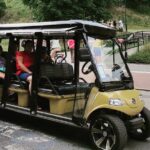
Inside the vehicle, you get air-conditioning and WiFi listed as part of the experience. Still, I’d keep your phone charged and ready for offline use; I’ve also seen real-world reports that WiFi can be inconsistent in the vehicle. If you want water or a snack, bring it with you unless you’re ordering the optional lunch-box.
You can also read our reviews of more guided tours in Krakow
Panstwowe Muzeum Auschwitz-Birkenau: the entry process and why the group size matters
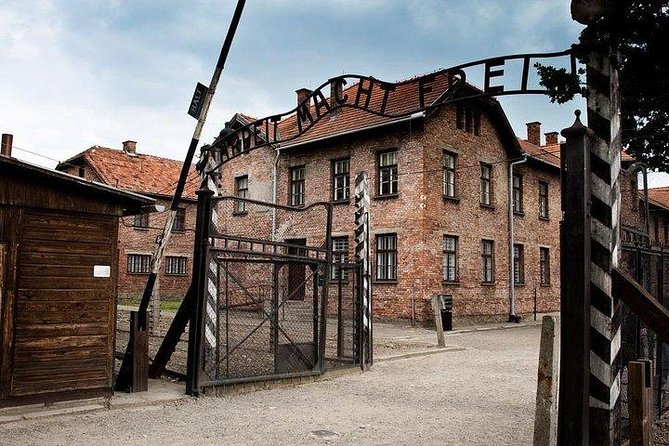
Once you arrive at the museum complex (Panstwowe Muzeum Auschwitz-Birkenau), the day follows a structured flow. The timed museum portion is split into two main sites: Auschwitz I first, then Auschwitz II-Birkenau. Your group can be up to 30 people, which is large enough to make it feel like a crowd at times, but small enough that a guide can still answer questions and keep the story coherent.
There’s usually a break before entering the museum galleries. After that, you’re in Auschwitz I for about 2 hours, then there’s a second break (around 15 minutes) before moving to Auschwitz II-Birkenau for about 1 hour. These breaks are helpful, but don’t expect long gaps. If you like to read every label slowly and absorb everything line by line, this kind of structure can feel fast.
One practical tip: the museum limits baggage. Backpacks larger than 30x20x10 cm aren’t allowed on the grounds. The good news is you can store luggage in the vehicle free of charge, so pack light for the day.
Auschwitz I: the guided walkthrough that sets the context
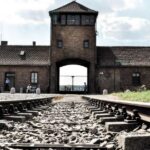
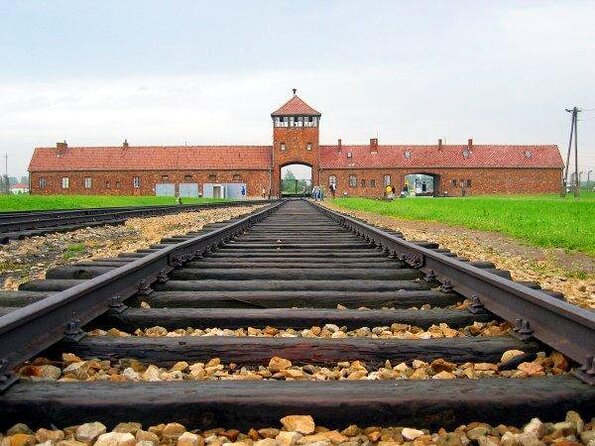
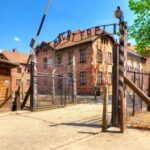
Auschwitz I is where the tour builds the timeline and the system. You’ll see the areas that function as the core administrative and prison parts of the camp. The guide’s job here is big: you’re not just looking at buildings—you’re trying to understand what the camp was designed to do, how prisoners were processed, and how control was enforced.
Because the tour is paired with official museum guidance in English, you’ll get clear explanations as you move through the key areas. In my view, this is where a guide matters most. Even if you already know the basics, hearing the context spoken clearly while standing in front of the relevant spaces helps you avoid turning the visit into a “photo stops only” experience.
The tour pacing at Auschwitz I is about 2 hours with a scheduled break. That means you should show up mentally ready for a lot of information in a short span. I recommend saving your deepest questions for the guide—don’t try to solve everything alone while people are moving ahead.
The short break: regrouping before Birkenau
Between Auschwitz I and Auschwitz II-Birkenau, you’ll get a brief pause. In the structure of this tour, that break is about 15 minutes. That’s just long enough to use restrooms, check your footing, and reset your head for the shift from built structures to the broader, open layout of Birkenau.
This is also where you can decide how you want to experience the second site. Some people need to keep moving and listen the whole way. Others will benefit from using the guide’s first explanations, then taking a calmer, slower walk afterward (within the time the group has).
If you ordered the optional lunch-box, this short window may feel tight. One review-style lesson I’d take seriously: don’t count on a long lunch moment between the two sites. If you’re sensitive to hunger mid-day, consider grabbing a small bite earlier in the day or bringing something simple you can eat quickly.
Auschwitz II-Birkenau: open-air memorial time and your best way to pace it
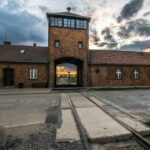
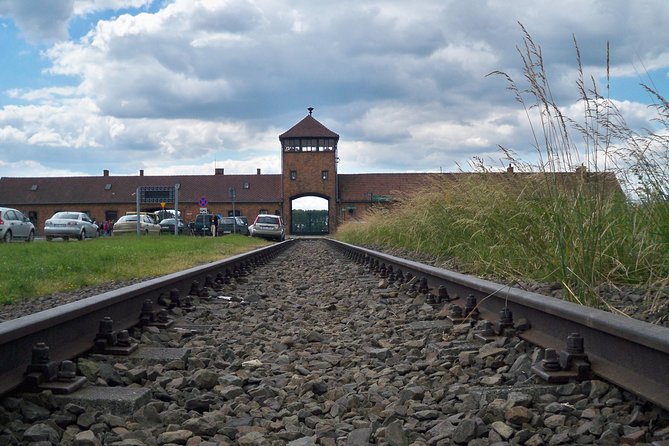
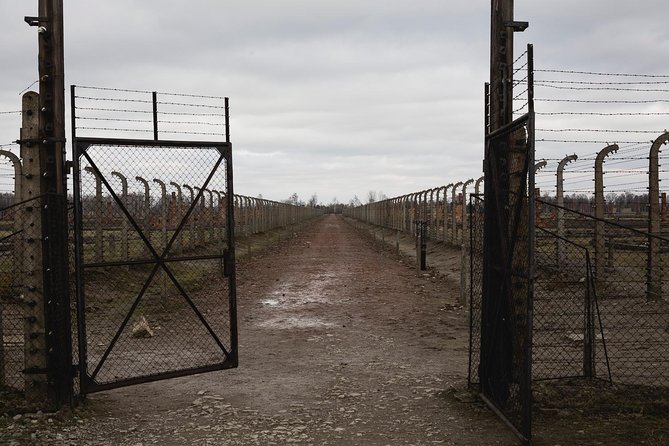
Birkenau is the larger, more open site—and it can hit you differently than Auschwitz I. Your guided portion here is about 1 hour, which is not much considering how much there is to see and how much meaning is attached to every part of the grounds.
This is the stage where the tour can feel emotionally heavy. The value of the guided format shows up again: the guide helps you understand what you’re looking at without turning the walk into pure guesswork. I’ve seen guides deliver this part with real care, including a camp guide named Andrew in one set of experiences, and museum guides named Kasia and Anna in other cases. You might not get the same names, but you can expect the role to be similarly respectful and detail-driven.
Because the time is limited, you’ll want a strategy before you go in:
- Pick one or two areas to focus on visually, not everywhere at once.
- Let the guide’s explanation land first, then use your remaining moments for your own reading and silence.
One important consideration: some people feel rushed on this kind of schedule. If you know you need time to process on your own, you may want to look for an option that offers a longer visit—or at least accept that this one gives you a clear path rather than a slow, free-form walk.
Price and value: is $79.81 a good deal?
At $79.81 per person, this tour is priced like a structured day trip rather than a bare-bones transfer. What you’re really paying for is a package that includes:
- Hotel pickup and drop-off
- Priority entry (skip the ticket line)
- An official museum guide
- An air-conditioned vehicle and WiFi on board
- Fees and taxes included
The two biggest “value drivers” are skip-the-line entry and the official guide. Auschwitz-Birkenau can mean long waits if you DIY it, and once you’re inside, having a guide who can interpret what you’re seeing is what turns the visit from sightseeing into understanding.
What’s not included matters too. Lunch is available for an extra fee (including an optional lunch-box you can order). If you want to eat calmly, plan that food may not fit neatly into the tight pacing between the two sites. Also note that the tour does not include private transportation—this is a group day trip.
In short: if you want a guided, timed, low-hassle format that still respects the memorials, this price usually feels fair.
Transport comfort and walking reality: plan like you’ll move a lot
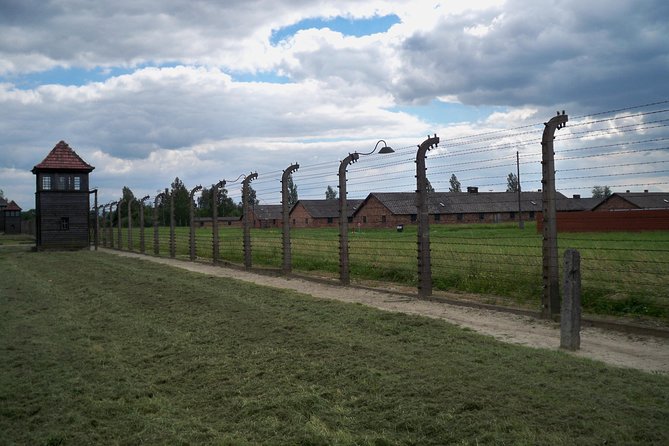
This is not a sit-down museum tour. You’ll do a considerable amount of walking across both sites, and the memorial grounds can mean uneven surfaces and long stretches outdoors. The experience runs in all weather, so dress for rain, wind, or cold even if Krakow looks mild.
I’d also think about the size and weight of your day bag. The museum’s bag rule is straightforward, and it’s worth following so you’re not dealing with frustration at the entrance while others are already moving.
If you’re traveling with mobility concerns, do take extra care. While the tour operates in all weather and is organized, the walking load is real—and some reviews explicitly call out how much walking there is.
Tips that make the day smoother (and less stressful)
A few small decisions can save you from big annoyances:
- Double-check the departure time message you get before you go. Times can be shared in a way that differs from what you initially see online, so rely on the confirmed message you receive.
- Arrive early to your pickup point. The driver won’t wait long after the scheduled time.
- Bring a document confirming your name and surname as listed on your passport/ID. Tickets are personal, and names must match.
- If you’re between 18 and 26, bring a valid student ID.
- Use the vehicle for storage: large bags aren’t allowed on-site, but luggage can be stored in the vehicle free of charge.
One more practical note from real-world experience patterns: security checks can add time. Even with priority admission, expect controlled entry and the need to be patient.
Who this Auschwitz-Birkenau guided tour is best for
This works well for you if you want:
- A guided day trip from Krakow that handles the hard parts (transport coordination and priority entry)
- An English-speaking official guide who can explain what you’re seeing
- A clear time structure that lets you visit both Auschwitz I and Auschwitz II-Birkenau in one go
It may be less ideal if you:
- Need lots of unhurried, independent time for reflection and reading
- Are very sensitive to group pacing and crowd movement
- Have difficulty with long walks outdoors
If you’re visiting Krakow with limited days and want to make sure you see both sites with context, this tour is the kind that fits a busy schedule without cutting out the guided piece.
Should you book this Auschwitz-Birkenau day trip from Krakow?
Yes, if your priority is a straightforward, guided, low-stress visit with priority entry and pickup included. The price buys you time and reduces friction at the start of the day, and the official museum guidance helps you understand what you’re seeing rather than just walking through it.
I’d still go in with realistic expectations. This is a structured schedule and can feel a bit rushed. If you want a slower pace, you may need a different format. But for most first-time visitors coming from Krakow, the combination of transport, group size, and museum-level guidance makes this an efficient way to do something important with care.
FAQ
How long is the Auschwitz-Birkenau guided tour from Krakow?
The full experience runs about 7 to 8 hours, including transfers. The visit at the museum sites is about 4 hours.
Is the tour guided in English?
Yes. The tour is offered in English.
How big is the group?
The visit is in groups of up to 30 travelers.
What’s included in the $79.81 price?
Hotel pick-up and drop-off, air-conditioned vehicle with WiFi on board, skip the ticket line, an official museum guide, and all fees and taxes.
Are meals included?
Lunch isn’t included. You can order an extra paid lunch-box from the driver.
What are the rules for bags and backpacks?
Backpacks larger than 30x20x10 cm aren’t allowed on the museum grounds. You may store luggage in the vehicles free of charge.
Can I get a refund if I cancel?
Free cancellation is available up to 24 hours in advance for a full refund. If you cancel less than 24 hours before the experience starts, the amount paid isn’t refunded.