REVIEW · KRAKOW
Private Guided Tour to Auschwitz & Birkenau from Krakow
Book on Viator →Operated by Your Krakow Journey - Transfers & Tours · Bookable on Viator
Auschwitz is hard, but this trip is organized. You get a smooth private transfer from Krakow, plus time inside Auschwitz I and Birkenau with museum admission handled for you. It’s a heavy subject, yet the day runs with clear stop times and the right kind of guidance.
I like two big things right away. First, hotel pickup means you’re not wrestling buses or taxi math with a deadline. Second, the visit plan is built around the key areas: Auschwitz I, Birkenau, and a short stop at the Judenrampe arrival point.
One drawback to weigh: it’s not a slow, leisurely tour. With hours set aside for the sites, you can feel time-pressed—especially if you’re a slower reader or you want extra minutes in one exhibit hall.
In This Review
- Key Highlights of This Auschwitz & Birkenau Day Trip
- A Practical Way to Do Auschwitz From Krakow
- Hotel Pickup and How the 6–7 Hour Schedule Works
- Wawel Hill Castle Stop: Polish Pride Before the Hard Part
- Auschwitz I: The Camp That Laid Out the System
- Judenrampe Stop: Where Arrivals Were Sorted
- Rudolf Höss Residence Building: How the Machinery Was Run
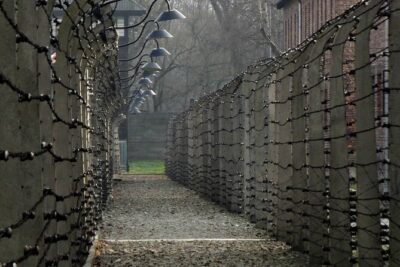
- Auschwitz II-Birkenau: The Scale of the Death Camp
- When the Guide Is a Museum Guide (And Why That Matters)
- Price and Value for a Private Group Up to 3
- What to Expect in Real Life: Efficient, But Not Slow
- Who This Tour Suits Best
- Should You Book This Auschwitz & Birkenau Tour?
- FAQ
- How long is the Auschwitz & Birkenau tour from Krakow?
- Do you offer hotel pickup in Krakow?
- Are admission tickets included?
- Is the tour offered in English?
- Is this a private tour or shared with other people?
- Can I get a full refund if I cancel?
Key Highlights of This Auschwitz & Birkenau Day Trip
- Private hotel pickup in Krakow so you start the day already settled.
- Official museum guiding on-site at the camps, not just general commentary from the driver.
- Admission tickets included for Auschwitz I and Birkenau (Judenrampe stop is free).
- Time allocation that covers the essentials: about 2 hours Auschwitz I and about 1.5 hours Birkenau.
- Judenrampe arrival context with the famous selection process described where arrivals happened.
- A real local-driver touch: clean car, efficient ticket-line handling, and flexibility on the ride back (including the chance for a Polish food stop on some schedules).
A Practical Way to Do Auschwitz From Krakow
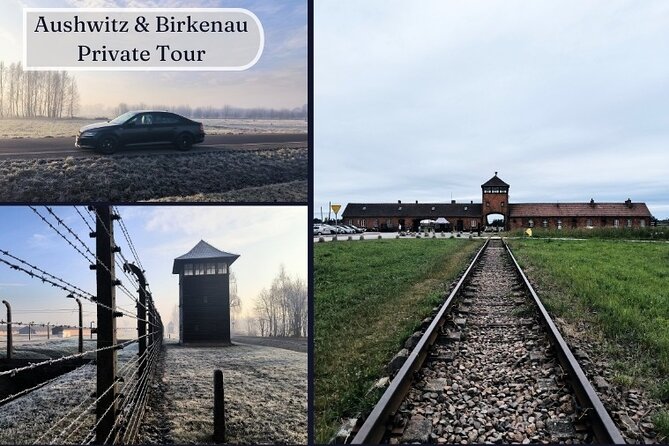
If you’re visiting Krakow, Auschwitz is the day trip that makes history feel uncomfortably close. This tour helps because it removes the logistics stress: you get picked up directly from your hotel or another location, and the tickets for the major museum parts are taken care of. That matters, because when you’re dealing with crowds and timed entry, “I’ll figure it out later” can turn into wasted hours.
The other smart piece is the pacing. You’re not just driving up and getting dumped at the gate. You’ll have a clear structure for what to see, including the full Auschwitz complex approach—Auschwitz I plus Auschwitz II-Birkenau—so you don’t end up with only a partial picture.
You can also read our reviews of more guided tours in Krakow
Hotel Pickup and How the 6–7 Hour Schedule Works
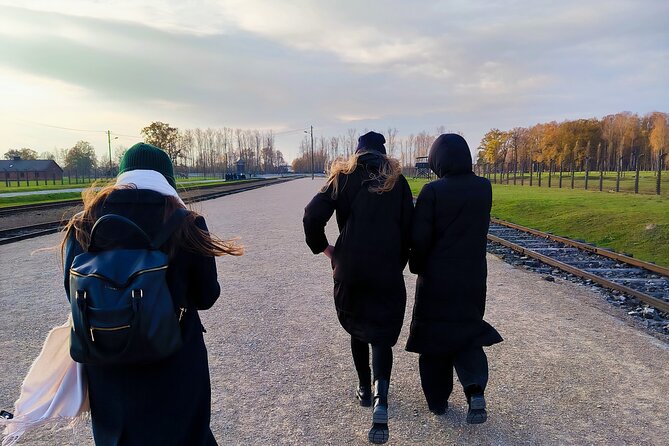
This experience runs about 6 to 7 hours, including transfer time plus time at the sites. It’s private, so your group moves together, and only your party participates. That lets you stay on track without sharing your ride or schedule with strangers.
In practice, you’ll want to think of the day as split into three chunks:
- The drive out of Krakow (where your driver can help set the tone)
- Museum time inside Auschwitz and Birkenau
- The return trip, which can include quick stops if you need a break
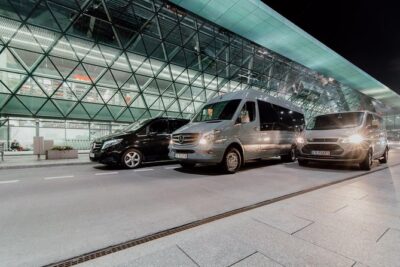
From real on-the-road experiences tied to this service, the driver role tends to be strong: one driver named Oskar handled the transfer smoothly and got guests through lines efficiently. Another detail that can make a long day easier is basic comfort—clean car, and even beverages provided on the way.
Wawel Hill Castle Stop: Polish Pride Before the Hard Part
Before you go to Auschwitz, the itinerary includes a stop at the historic Wawel Castle complex on Wawel Hill, overlooking the Vistula River. This isn’t a random add-on. It’s a chance to see how Poland presents its cultural identity—architecture, national symbolism, and a landmark that sits in the country’s self-image.
Why I like this kind of opening stop: it gives your brain something familiar before it gets hit with something crushing. You’re reminded that this is a country with deep historical layers—modern and medieval—long before the Nazi machinery appears on the horizon.
Also, Wawel’s position above the river typically means you’ll catch big views of Krakow’s geography. Even if you don’t spend ages here, it can reset your mindset for what’s next.
Auschwitz I: The Camp That Laid Out the System
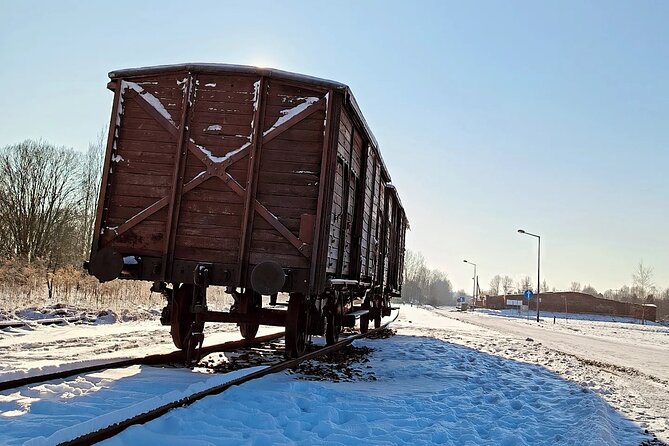
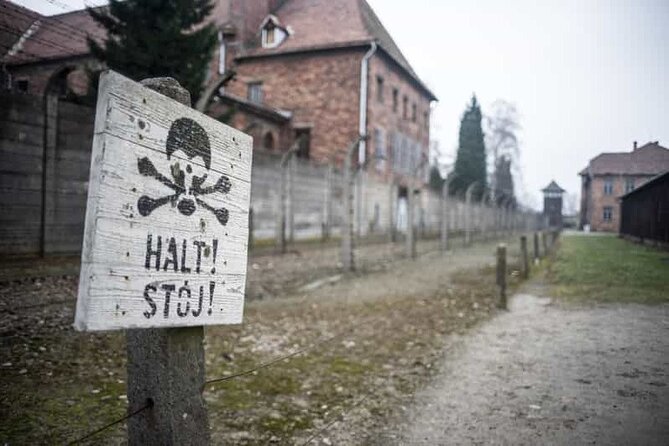
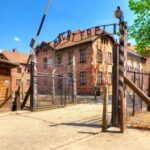
The tour includes about 2 hours in Auschwitz I with the Auschwitz-Birkenau museum ticket included. This is the “main camp” portion of the complex, and it’s where the concentration camp story becomes fully visible.
You can expect to see why Auschwitz became the central site of the Nazi Final Solution policy—starting as a concentration camp for Poles under German occupation and later expanding to include other groups. The exhibits and building stories here aren’t just facts in a timeline; they show the way the camp’s structure supported exploitation, imprisonment, and murder.
One thing to keep in mind: Auschwitz I is emotionally intense. You’ll do best if you plan to move at a steady pace and accept that reading everything at museum tempo can take longer than the allotted time.
Judenrampe Stop: Where Arrivals Were Sorted
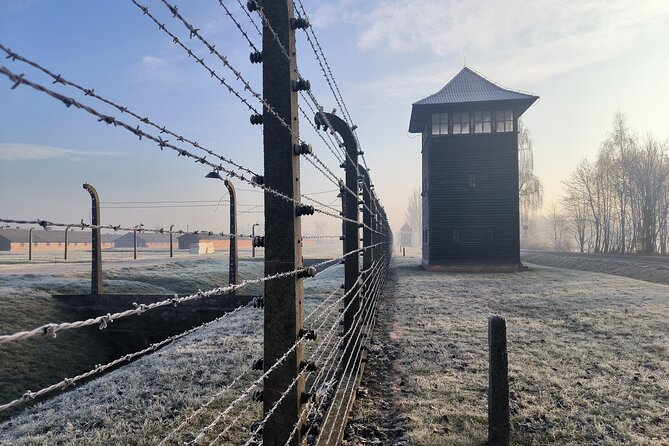
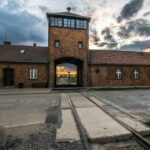
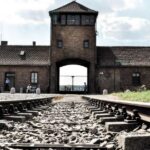
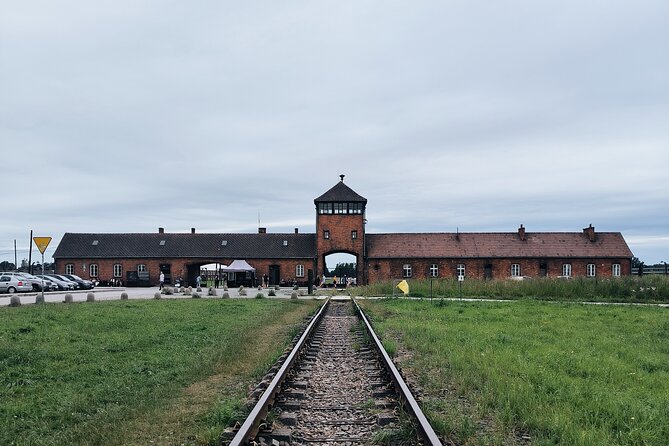
Next comes the brief stop at Auschwitz-Birkenau’s Judenrampe, the arrival point used from 1942 until May 1944. The itinerary notes this is a very short stop—about 3 minutes—and it’s free.
Even in a few minutes, this stop can hit hard because it’s tied to the moment when arriving prisoners were subjected to the infamous selection process. The SS officers divided people into those deemed fit for forced labor versus those sent directly to the gas chambers.
Quick stops can be frustrating if you want more time. But as a context marker inside the larger route, it works: it helps you connect what you see later in Auschwitz II to the moment people were processed on arrival.
You can also read our reviews of more private tours in Krakow



Rudolf Höss Residence Building: How the Machinery Was Run
Between Auschwitz I and the rest of the complex, the itinerary also includes time at the building that served as the residence of camp commandant Rudolf Höss and his family from 1940–1944. It matters because it puts a human face on administration—Höss wasn’t just a background name. The information provided ties him directly to how the mass murder system was implemented and expanded.
This stop is not “morbid trivia.” It’s part of understanding how the Holocaust wasn’t only violence—it was organized logistics: gas methods developed with Zyklon B, then facilities like gas chambers and crematoria refined and expanded.
After the war, Höss was captured by the Allies, tried for war crimes, sentenced to death by a Polish court in 1947, and executed in Auschwitz. That closing of the timeline is usually built into how the site is interpreted, and it helps viewers grasp the historical arc from implementation to accountability.
Auschwitz II-Birkenau: The Scale of the Death Camp
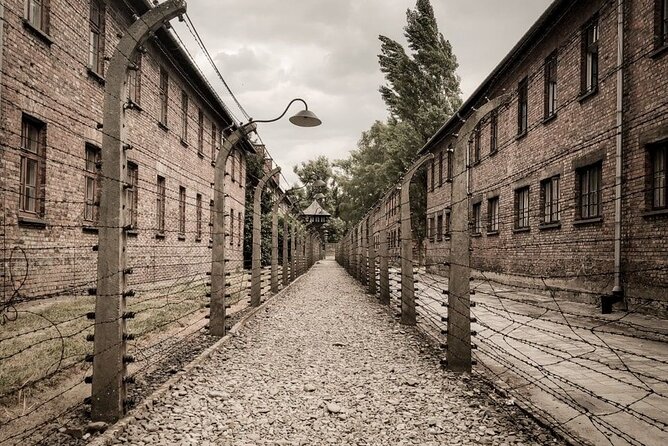
Your Birkenau visit is built into the day with about 1 hour 30 minutes at Auschwitz II-Birkenau, and the museum ticket is included there too. Birkenau is the larger, better-known camp section—primarily a death camp where mass extermination took place.
What you’ll focus on here is scale and structure:
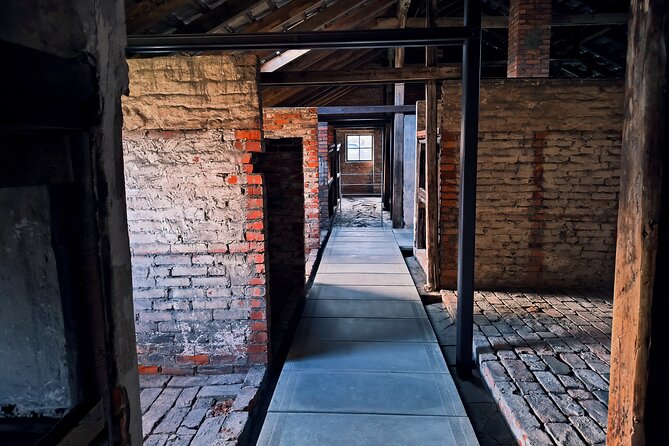
- Barracks layouts and the camp’s organization
- The presence of gas chambers and crematoria in the system
- The fact that victims arrived from across Europe
The provided context notes that an estimated 1 million people died in Birkenau, mainly Jews, and also Roma, Poles, prisoners of war, and other persecuted groups. That number sits in your head while you walk, because the camp’s layout makes it clear this was designed for mass processing—not an improvised crime.
Birkenau also tends to involve more open-air walking than some museum interiors, so dress smart and keep water in mind. If you have any mobility limits, this is the part where you might want to plan carefully.
When the Guide Is a Museum Guide (And Why That Matters)
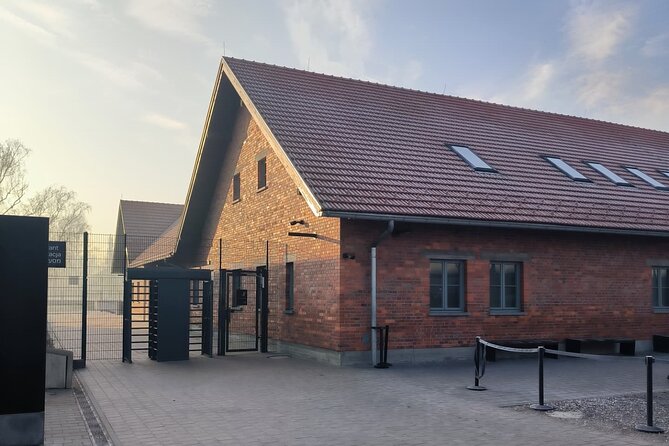
A key detail in how this tour functions is the split between roles. Your driver handles pickup, transport, and ticket-line efficiency. The guided narrative at Auschwitz and Birkenau is done by official museum guides assigned by the Auschwitz State Museum.
That’s a plus, because official guides know how to explain the exhibits accurately and consistently. And it’s also a practical reason the overall experience works: you’re not juggling a driver who’s also trying to be a lecturer.
There’s also a real-world consideration. One experience review noted difficulty hearing the guide at times and feeling a bit rushed. That can happen on any site where group size, layout, and crowding vary. If you care about audio clarity, pick a position where you can clearly see and hear the guide—usually closer to the front or slightly off to the side rather than tucked far behind.
Price and Value for a Private Group Up to 3
The price is $461.96 per group (up to 3) for a 6–7 hour private day trip. On paper, that’s not “budget.” But you’re buying several things at once:
- Private pickup from your hotel (less time stress)
- Private transport with an experienced driver
- Ticket handling for the main museum entries at Auschwitz I and Birkenau
- A structured route across the key areas, plus museum guiding
If you split the group cost three ways, it can work out to about $154 per person. That’s often competitive compared with paying for separate day-trip tickets plus multiple transfers—especially if you’re doing this from Krakow and want one coherent plan.
The best value is for small groups who don’t want to spend the day solving logistics. If you’re traveling solo, it can still be worth it when you value time, comfort, and minimizing the chance of ticket-entry headaches.
What to Expect in Real Life: Efficient, But Not Slow
A theme from real experiences connected to this service is “efficient transfer.” Drivers like Oskar have been praised for handling ticket lines effectively and keeping the ride organized. People also liked the added human touch—conversation during the drive, flexibility with small stops, and even food suggestions on the return.
One specific anecdote involved a Polish sausage stop in the woods on the way back. That’s not something you should assume is guaranteed, but it reflects the broader pattern: your driver may try to make the ride feel less like a waiting room.
Still, remember: Auschwitz and Birkenau aren’t places you “speed through” emotionally. They’re places you’ll need to process. If you’re sensitive, plan for breaks, move slowly in your own way, and don’t force yourself to read every label.
Who This Tour Suits Best
This is a great fit if:
- You want a private day with pickup and transport handled
- You’d rather have official museum guidance on-site
- You’re traveling in a small group (up to 3) and want to split the cost
- You want a structured route that covers both camps
It may feel less ideal if you want a long, unhurried free-form visit where you can wander for extra hours. The schedule includes specific time blocks for Auschwitz I and Birkenau, and the day still has to return you to Krakow within the stated duration.
Should You Book This Auschwitz & Birkenau Tour?
I’d book it if your priority is getting there smoothly and spending your attention where it counts—inside Auschwitz I and Birkenau with proper museum interpretation. The private pickup and included tickets remove the biggest practical headaches, and the structure helps you see the full complex rather than only one section.
If you’re the type who needs a lot of quiet time in each exhibit space, you might feel the pacing. In that case, consider going in mentally prepared for a tight plan—and use the guide’s explanations as your backbone rather than trying to absorb every detail on your own.
Bottom line: for most people visiting Krakow, this is a smart, time-efficient way to do one of the most important historical visits in Europe—without turning the trip into a logistics project.
FAQ
How long is the Auschwitz & Birkenau tour from Krakow?
The experience lasts about 6 to 7 hours.
Do you offer hotel pickup in Krakow?
Yes. Pickup is offered directly from your hotel or another place you choose. You coordinate through your booking or the WhatsApp app.
Are admission tickets included?
Yes. The tour includes admission tickets for Auschwitz I (about 1 hour 30 minutes) and Auschwitz II-Birkenau (about 1 hour 30 minutes). The Judenrampe stop is free.
Is the tour offered in English?
Yes, it is offered in English.
Is this a private tour or shared with other people?
It’s a private tour/activity. Only your group participates.
Can I get a full refund if I cancel?
Yes. You can cancel for a full refund up to 24 hours in advance of the experience start time. If you cancel less than 24 hours before, the amount paid is not refunded.