REVIEW · KRAKOW
Krakow: Wawel Hill Audioguide Tour
Book on GetYourGuide →Operated by Krakowbooking · Bookable on GetYourGuide
Wawel Hill teaches you Polish history fast. This audioguide route is one of the easiest ways to get oriented on the hilltop royal complex, and I really liked the map-style audio with helpful visuals at each stop plus the clear, easy-to-control sound. The main trade-off: this tour stays outside, so if you want the Cathedral or paid castle interiors, you’ll need extra tickets.
You start at the Tourist Information point on Bracka 15, get set up with the equipment, then walk up along Kanonicza Street toward the Royal Route and Wawel Hill. In about two hours, you’ll hear what each building is and why it matters, finishing at the famous Dragon’s Den.
In This Review
- Key things I’d focus on before you go
- Getting set up on Bracka 15 (and not fumbling the gear)
- The walk up Kanonicza Street and the Royal Route feel
- Wawel as a royal stage: what the audio teaches before you even enter
- Main Courtyard: where the setting becomes the lesson
- Arcaded Courtyard: read the architecture instead of just admiring it
- Crown Treasury and Armory: seeing the roles without extra ticketing
- Dragon’s Den finale: legends you can locate in real space
- Price and value: why $8 can still feel like a full win
- Languages, group size, and why the setup matters
- Who should book this Wawel Hill audioguide (and who might prefer something else)
- Book it or skip it? My decision guide
- FAQ
- What is the duration of the Krakow Wawel Hill audioguide tour?
- Where does the tour start?
- Does the tour include a visit inside Wawel Castle Cathedral or paid exhibitions?
- Is this a live guided tour?
- Can I listen at my own pace?
- What languages are available for the audioguide?
- How big is the group?
- Do I need to bring anything?
- Is the tour wheelchair accessible?
- Is it worth $8?
Key things I’d focus on before you go

- Audio that feels like a guided route: a step-by-step trail with cues that make it hard to get lost.
- You control the pace: pause or replay any segment when you want more time on a particular courtyard.
- Courtyard architecture is the star: Main Courtyard and the Arcaded Courtyard are explained in a practical, visual way.
- Legends meet real sites: the tour ties stories (including dragons) to the physical places you can see.
- Small group feel, no crowd stress: limited to 10 participants, and it’s designed for walking.
- Outside viewing only: you’ll see a lot from the outside, but building interiors aren’t included.
Getting set up on Bracka 15 (and not fumbling the gear)

The experience begins at the Tourist Information center at Bracka 15. Plan to arrive with a little buffer so you can handle the tech calmly. You’ll get an instructor who shows you how to use the equipment—so you’re not stuck “figuring it out” while you’re standing in front of a major monument.
From there, the route quickly becomes walk-and-listen. You don’t need to hunt for a live guide telling you what to do at each moment, because the audio is designed to lead you point to point. If your goal is to learn while walking, this setup is a good match.
Bring a passport or ID card. It’s a small thing, but it’s the kind of thing you’ll be happy you remembered when you’re already on your walking shoes.
You can also read our reviews of more tours and experiences in Krakow.


The walk up Kanonicza Street and the Royal Route feel
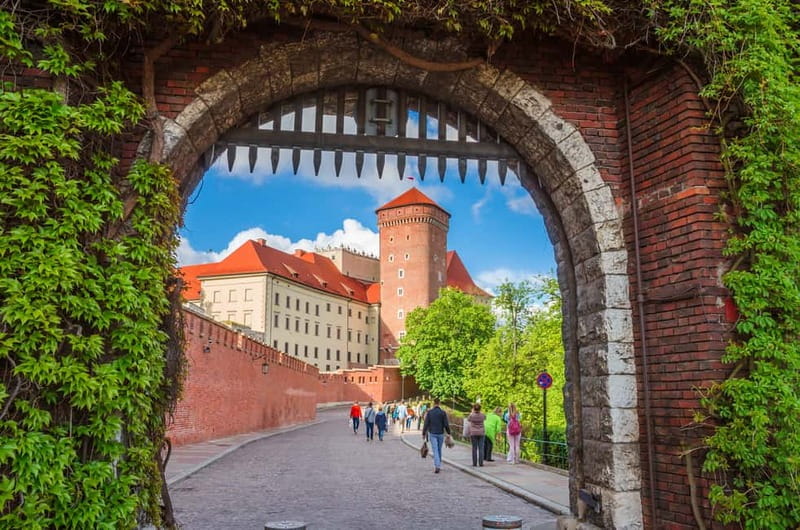
After you pick up the audio equipment, you follow Kanonicza Street toward Wawel Hill. I like that this part gives you the “you are getting higher” feeling without making you commit to a long hike. You’ll be strolling up the Royal Route as part of the experience, which matters because Wawel isn’t just a building—it’s a hilltop complex with views and arrival drama.
Your audio narration kicks in as you go, so you’re not waiting until you reach the courtyards to start learning. That’s an advantage for short time windows. In two hours, you want your time to count, and this walking-first approach does that.
One practical note: the tour duration is listed as about 2 hours, but you’ll likely spend more or less time depending on how often you stop to replay a track. If the weather turns cold or wet, you’ll want to keep an eye on footing and don’t rush just to “finish on time.”
Wawel as a royal stage: what the audio teaches before you even enter

Wawel has been the monarch’s residency since the 11th century, and the audio does a good job connecting that long timeline to what you can actually see. It also frames Wawel as the place where Polish royals were crowned and buried. That context changes how you look at the courtyards—you stop seeing them as just pretty stone spaces and start seeing them as a royal workflow.
When you reach the Royal Castle area, the narration shifts from big-picture history to building-by-building roles. I like this structure because it keeps you from getting lost in general facts. You’re guided to specific stops, so the story has landmarks.
And even though you’re not going inside the paid sites, you’re still getting a real sense of what each area was meant to do. That matters if you don’t want to spend your whole day buying multiple tickets just to learn a few basics.
Main Courtyard: where the setting becomes the lesson

The first big architectural stop is the Main Courtyard. The audio explains what you’re looking at and why it belongs to the royal complex. Courtyards can feel like “in-between space” to some visitors, but here they’re treated like key rooms of power.
The way the narration works is simple: it helps you identify elements you might otherwise miss from a casual glance. That’s a real value on a site this size, because you’re not just staring at walls—you’re building a mental map while you walk.
This is one of the parts I’d recommend taking slightly slower. If you only rush through, you might lose the value of the architecture-focused commentary. If you pause and listen closely, you’ll come away with a clearer understanding of how the Royal Castle functioned.
Arcaded Courtyard: read the architecture instead of just admiring it
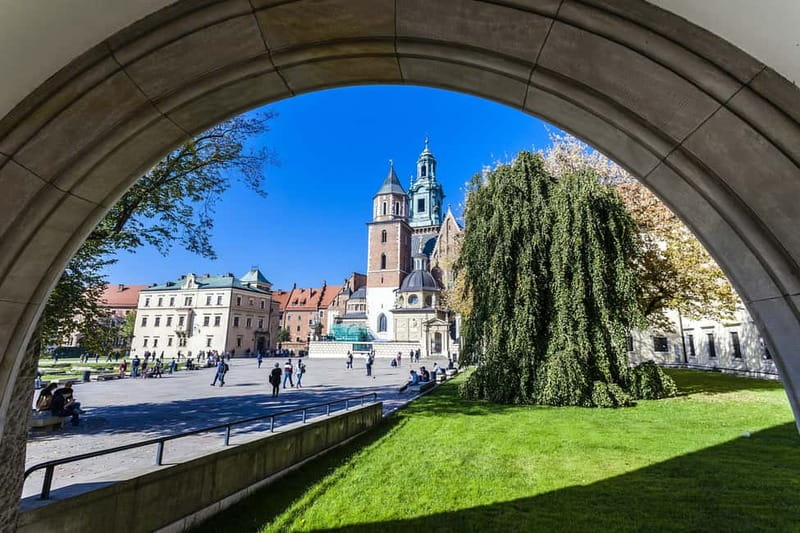
Next up is the Arcaded Courtyard. The audio continues the “what is this and why was it built” theme, turning the arcades into something you can interpret rather than just admire. The arches, the rhythm of openings, and the relationship to surrounding structures become part of the story.
I like arcaded spaces because they teach you how people moved through the site. You can often imagine walking routes, gatherings, and daily routines better when the environment is explained. Here, the narration helps you connect those ideas to the physical layout.
If you like architecture, this is a strong payoff section. And if you don’t, the clear track-by-track guidance still keeps you from drifting.

Crown Treasury and Armory: seeing the roles without extra ticketing

You’ll also hear about the Crown Treasury and Armory. Even though the tour doesn’t include entry into paid exhibitions inside, the commentary gives you the point of those sections, so you’re not just passing by them wondering what you’re supposed to care about.
This is where the value of an audioguide can really show. Instead of paying for every interior, you learn what those places are, why they were important, and how they fit the larger complex. Then—if you decide you want more—you can choose which paid interiors are worth your money.
The key limitation is also the key decision point. If your priority is Cathedral interiors and museum-style rooms, plan extra time and additional tickets. If your priority is learning the overall structure and legends from the outside, this tour gets you a lot for the money.
Dragon’s Den finale: legends you can locate in real space

The tour ends at the Dragon’s Den. This is the part people remember, because it ties the legend to a specific place you can actually stand in front of. The audio helps you connect the mythic feel to Wawel’s real-world role as a royal power center.
There’s one practical caution. If your final audio seems a bit off near the Dragon’s Den, it may be because entrances can change temporarily or you’re reaching a slightly different approach point than the track assumes. When that happens, I’d calmly step around to find the correct access area and then restart the audio for the last few points.
Even with that minor “keep your eyes open” possibility, ending here works well for most people. You finish with a memorable payoff rather than just looping back after courtyards.
Price and value: why $8 can still feel like a full win

At $8 per person, this audioguide is priced like a quick add-on, but it isn’t just a short “taste.” You get a structured two-hour walking route, instructor setup for the equipment, and guided audio that covers multiple major stops on Wawel Hill.
The value comes from three things:
- You can control the pace, so you’re not trapped in group timing.
- The route is point-by-point, which helps you learn rather than wander.
- The narration focuses on key areas, including the courtyards and the treasury/armory context.
You’ll still need extra tickets if you want to go inside the Cathedral or other paid exhibitions, but that’s true for many Wawel experiences. This one is best seen as a strong outside orientation that helps you decide what, if anything, is worth paying to enter later.
In other words: you’re not paying to walk into rooms. You’re paying to understand the place you’re walking through.
Languages, group size, and why the setup matters

The audioguide is available in Russian, Italian, Polish, Spanish, German, English, and French. That’s a big practical benefit at a tourist-heavy site—choosing your language means you can actually absorb the details without straining.
The group is kept small, limited to 10 participants. That helps the experience feel calm, especially because you’re walking. Also, the tour is wheelchair accessible, which makes it a helpful option for travelers who can manage the terrain with support.
One more thing I appreciate: the audio can be turned off and on at any time. You can listen fully when you want, then silence it when you want to just enjoy the space. And if you missed a point, you can return and listen again. That flexibility makes the route feel less rigid than typical guided tours.
Who should book this Wawel Hill audioguide (and who might prefer something else)
This tour fits you if you want:
- A self-paced way to understand Wawel’s royal complex
- A structured route that keeps you oriented as you walk
- Courtyard-focused architecture and legend-to-place storytelling
- A budget-friendly start before deciding on Cathedral or museum interiors
I’d steer you toward a different option if your main goal is indoor access to Wawel Castle Cathedral or paid exhibitions. Since building interiors are not included, you’d likely feel slightly limited if you planned for mostly indoor sightseeing. The outside viewing is still impressive, but it’s not a replacement for entry tickets.
It also works well for people who dislike large groups. With a small group size and audio-led pacing, it’s easier to keep your own rhythm while still following a plan.
Book it or skip it? My decision guide
Book this tour if you want to get your bearings fast on Wawel Hill and learn what you’re looking at while you walk. The combination of clear guidance, the ability to replay tracks, and the strong courtyard focus gives you a lot of meaning per minute.
Skip it only if your time and money are both limited and your top priority is indoor ticketed spaces like the Cathedral. In that case, you may prefer a ticketed route that includes those interiors so you’re not paying twice for different layers of the experience.
FAQ
What is the duration of the Krakow Wawel Hill audioguide tour?
It’s listed as 2 hours. Starting times vary, so you’ll want to check availability for the slot you want.
Where does the tour start?
The meeting point is the Tourist Information center at Bracka 15.
Does the tour include a visit inside Wawel Castle Cathedral or paid exhibitions?
No. Entry into buildings inside at Wawel Hill is not included, so you’ll need additional tickets if you want to go into the Cathedral or other paid exhibitions.
Is this a live guided tour?
No. It’s an audio-guided tour. You may have an instructor to show you how to use the equipment, but there’s no live guide during the walking segments.
Can I listen at my own pace?
Yes. The audio can be turned off and on at any time, and you can replay segments if you missed something.
What languages are available for the audioguide?
The audio is available in Russian, Italian, Polish, Spanish, German, English, and French.
How big is the group?
It’s a small group limited to 10 participants.
Do I need to bring anything?
You should bring a passport or ID card.
Is the tour wheelchair accessible?
Yes, it’s listed as wheelchair accessible.
Is it worth $8?
For what you get—an instructor setup plus a structured audio route covering major areas on Wawel Hill—it’s a good value, especially if you’re happy with outside sightseeing and want to learn before choosing any paid interiors.