REVIEW · KRAKOW
Krakow: Nowa Huta Guided Tour in Vintage Car
Book on GetYourGuide →Operated by eNHa Trip Nowa Huta tour · Bookable on GetYourGuide
Nowa Huta feels like a time machine. You get Soviet-era architecture on the streets plus an old-car ride that makes the history physical. I especially like the way the route links propaganda landmarks (Central Square, Roses Avenue) with the steelworks logic behind the whole neighborhood. One thing to plan for: this is in vintage vehicles, so don’t expect modern comfort or safety features.
I’ve found Krakow’s Old Town can fill your days fast, and this tour is a smart counterweight. You’ll learn why Nowa Huta was designed like a utopian city tied to one massive industry, and you’ll also get the heavier side of Cold War planning underground. Guides like Mateusz (often the one with long blond hair) bring the place alive with stories you can’t really read off a plaque.
The total experience runs about 150 to 270 minutes, depending on the option you pick. The extended format adds a bigger look at either the steelworks management rooms or the Cold War HQ bomb shelter—so you choose your flavor: power rooms or survival rooms.
In This Review
- Key things to know before you go
- Riding a classic car through Nowa Huta’s communist blueprint
- Pickup points and what the vintage-car ride feels like
- Central Square and Roses Avenue: Socialist Realism up close
- Ujastek 1: the “new steelworks” idea made into streets
- Churches, photos, and the story behind the edges
- Soviet WWII tank and the meaning of Cold War spaces
- Steelworks director’s offices vs. the bunker: choosing your extended stop
- Director’s offices (if you choose that option)
- Cold War HQ bomb shelter (if you choose that option)
- Time on the route: how the day is paced
- Price and value: is $75 fair for what you get?
- Language and guide style: what to expect from the narration
- Who should book this Nowa Huta vintage-car tour?
- Should you book this Nowa Huta tour?
- FAQ
- How long is the Nowa Huta guided tour in a vintage car?
- What does the tour cost?
- Where does pickup happen?
- Can I meet the guide directly instead of getting pickup?
- What languages is the tour available in?
- What classic cars might I ride in?
- What’s included in the price?
- Is lunch included?
- Is there a private group option?
- Is there free cancellation?
Key things to know before you go
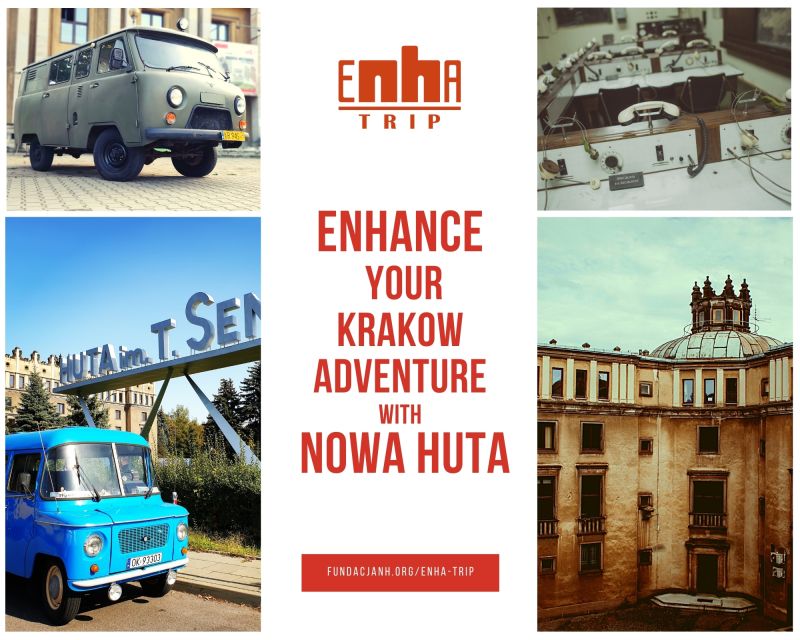
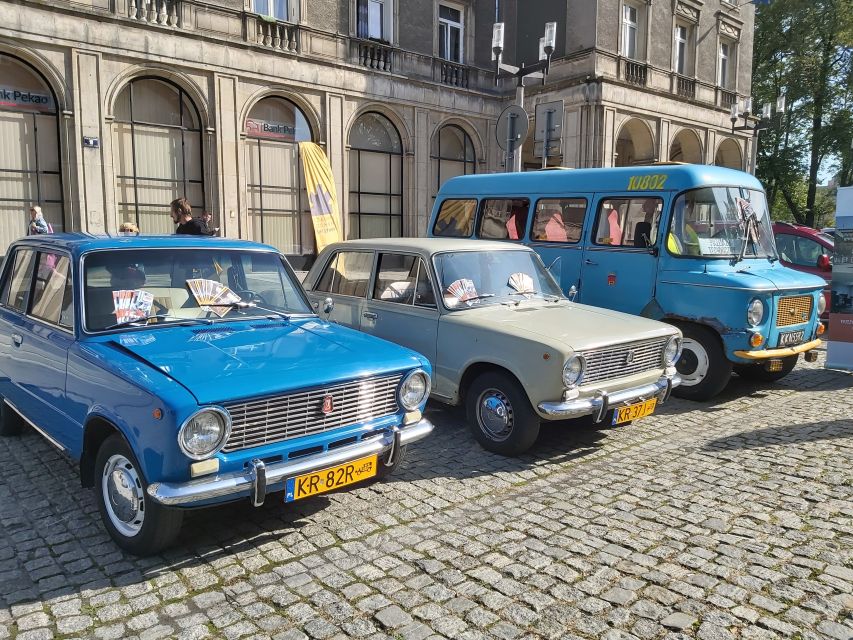
- Vintage cars, real streets: you might ride a Polski Fiat 126, Lada, Syrena, Nysa, or even a Soviet UAZ van, not a modern bus.
- Central Square and Aleja Róż: you’ll walk the space where Socialist Realism was meant to impress people—and learn where Lenin stood.
- A “city built for steel” story: Nowa Huta’s layout makes sense only when you understand the steelworks project driving it.
- Steelworks access options: depending on your booking, you may visit the director’s offices in the management building.
- Cold War shelters: you can go down to underground spaces built for nuclear-war preparation.
- See Soviet WWII hardware up close: the tour includes a close view of a Soviet tank from World War II.
Riding a classic car through Nowa Huta’s communist blueprint
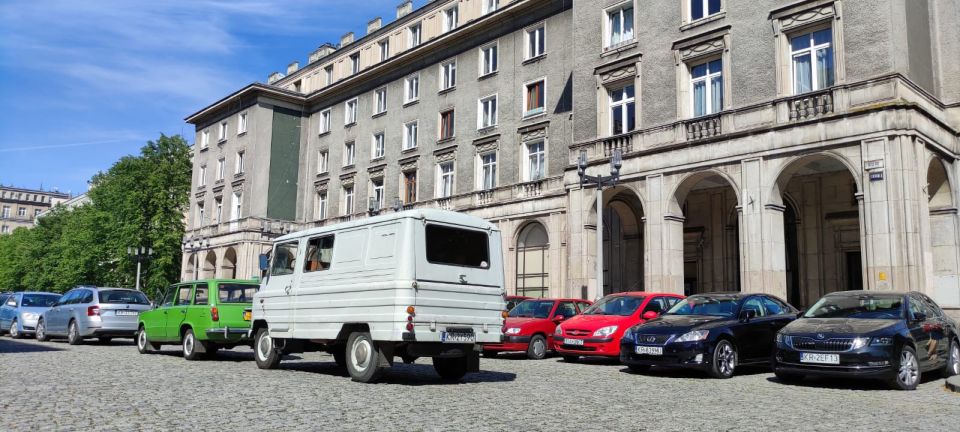
The big reason this tour works is simple: Nowa Huta was planned to look and feel like an idea. When you’re moving through the neighborhood in a classic Fiat or Lada, those wide avenues and dramatic buildings don’t just become “old architecture.” They become a design choice—made to steer how you think, how you walk, and how you imagine the future.
The tour is run by a local NGO, the Foundation of Positive Promotion of Nowa Huta, and that matters. The guides aren’t just reciting dates; they frame the neighborhood as something Polish people have had to live with, react to, adapt to, and eventually reshape. That’s why you’ll hear details tied to real places: Central Square, Roses Avenue, specific buildings, and the steelworks-driven urban plan.
Also, you’ll learn the “propaganda geography” piece: where symbols were set, how they were placed for maximum impact, and what happened when that message lost its power. One standout example is the Lenin statue site on Aleja Róż (Avenue of Roses). You’ll get the location and context, not just the headline.
You can also read our reviews of more guided tours in Krakow
Pickup points and what the vintage-car ride feels like
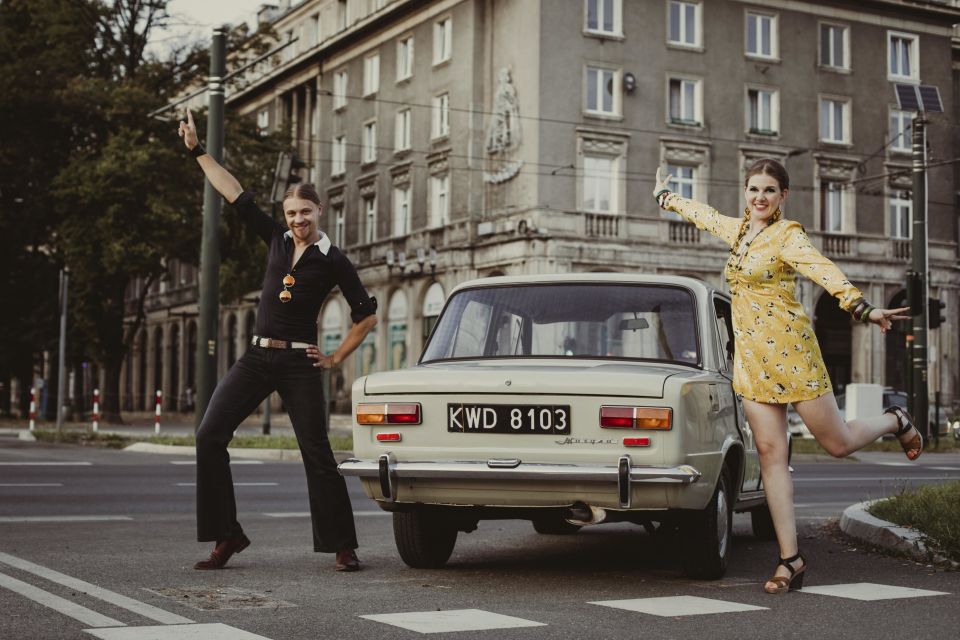
Pickup is designed for convenience, but it’s not a guarantee that they can reach your exact door in Krakow’s tight historical center. If you’re staying outside that area, they’ll pick you up near your accommodation. If you’re in the center, you’ll likely meet at a selected point such as Plac Matejki or a pickup near Mikołaja Zyblikiewicza from Mikołaja Kopernika street. If you stay in Kazimierz, there’s a pickup point at Dajwór street.
If you prefer, you can also meet directly in Nowa Huta (your guide will confirm the plan). A quick note: you can message on WhatsApp using the number on your voucher. That’s helpful if you want to know what car you’ll get and where you should meet.
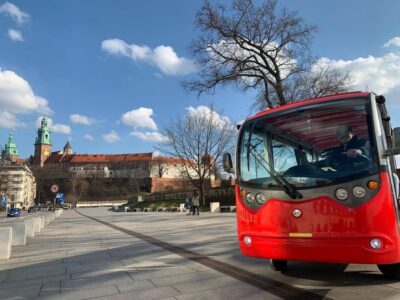
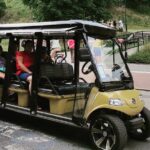
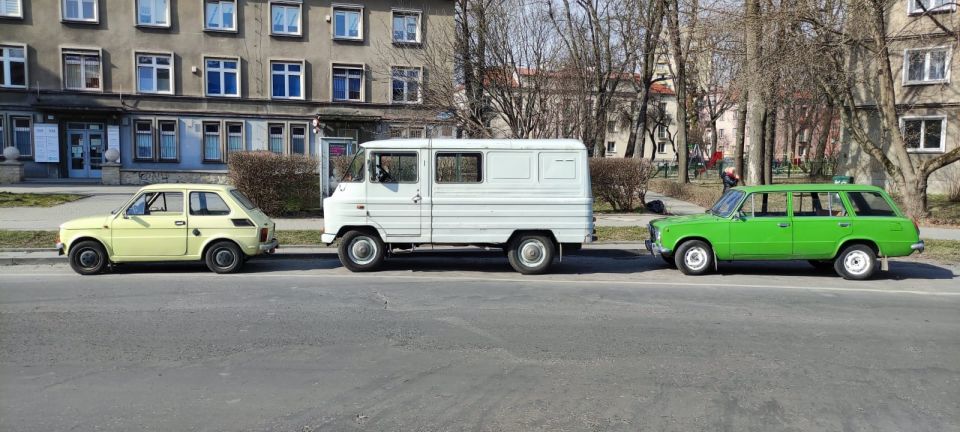
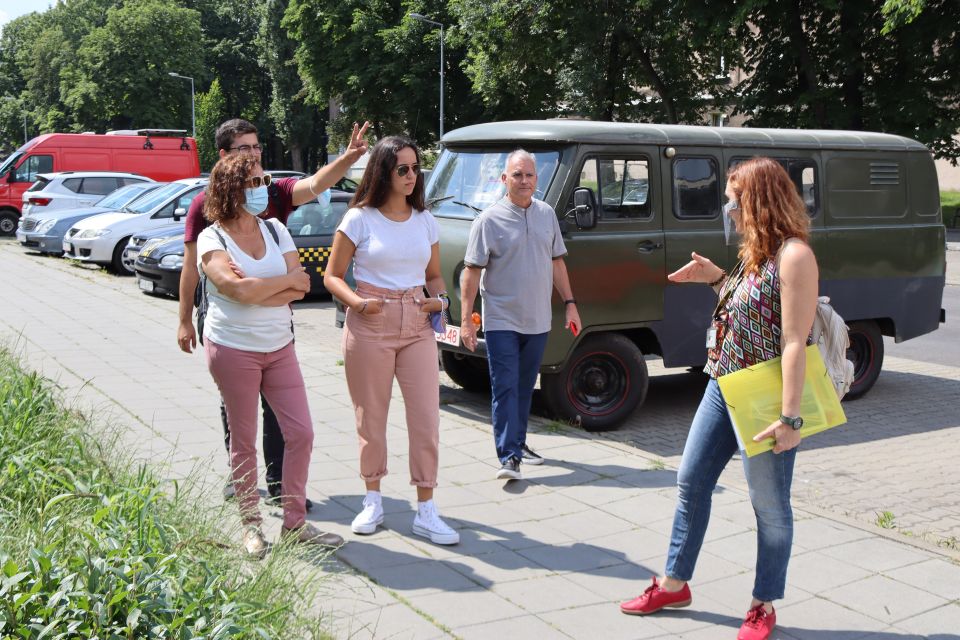
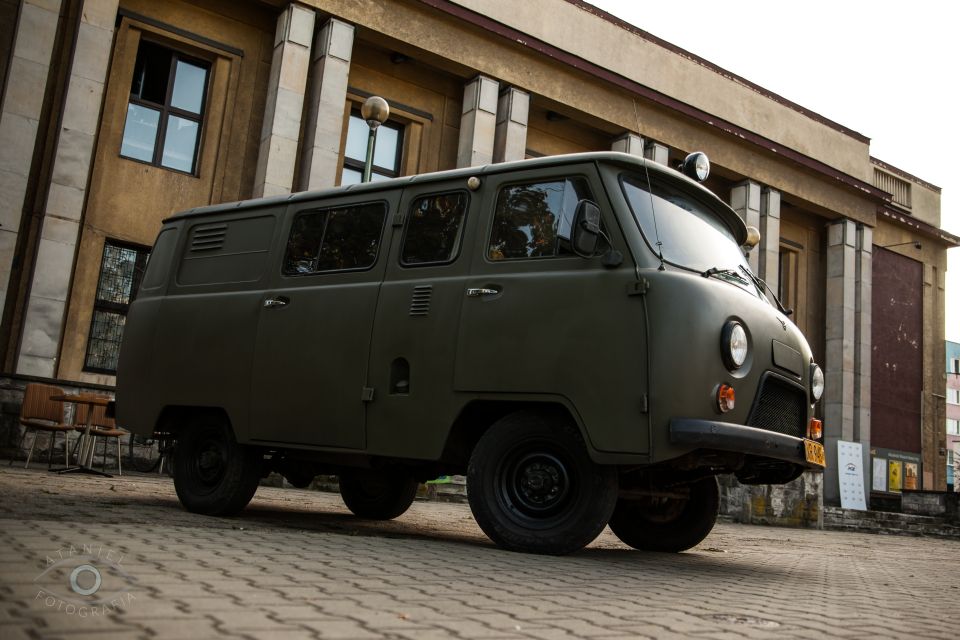
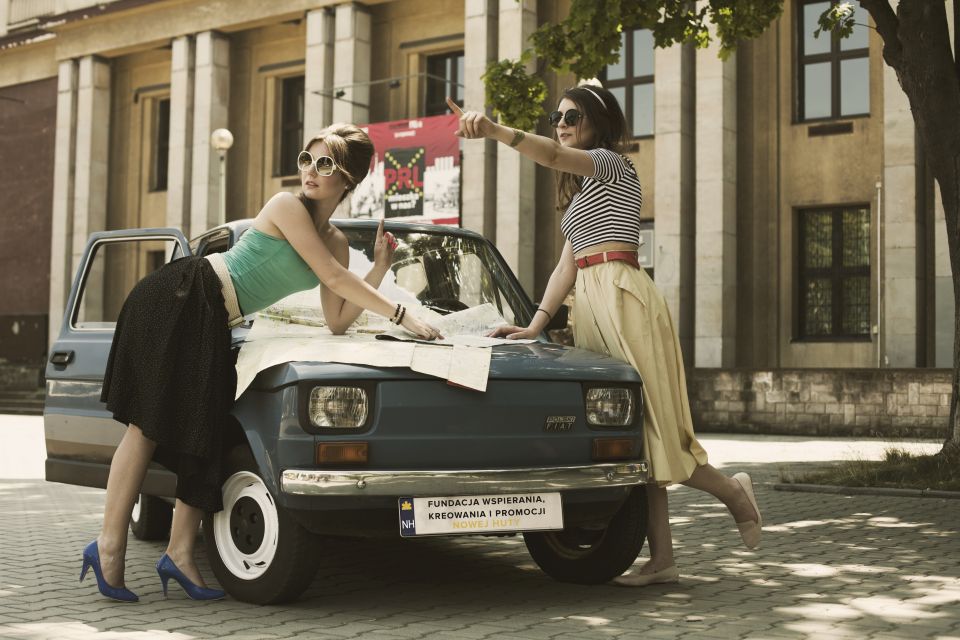
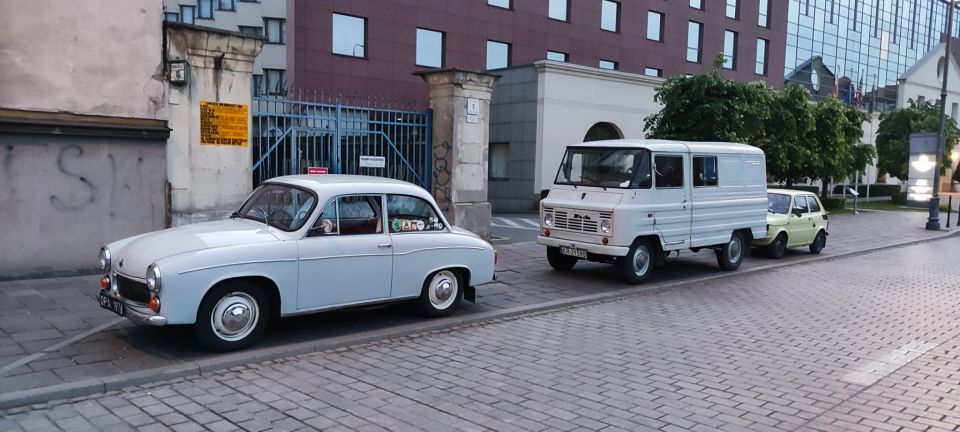
As for the ride itself: the cars are the show. This isn’t a staged prop. You may start in a 1970s-style Polski Fiat 126 (the Maluch), a Lada 2101, or another classic like Nysa or Żuk. Some guests have ridden in a green Lada; others have gotten the yellow Fiat 126P. Expect a “mechanical” feel—sounds, smells, and the basic simplicity of older vehicles. It’s part of the point.
Practical consideration: older cars don’t always have working modern seatbelts. If that’s a concern for you, it’s worth asking when you message the team before pickup. And if you’re sensitive to motion in cars, take the same precautions you would on any bumpy, older-vehicle ride.
Central Square and Roses Avenue: Socialist Realism up close
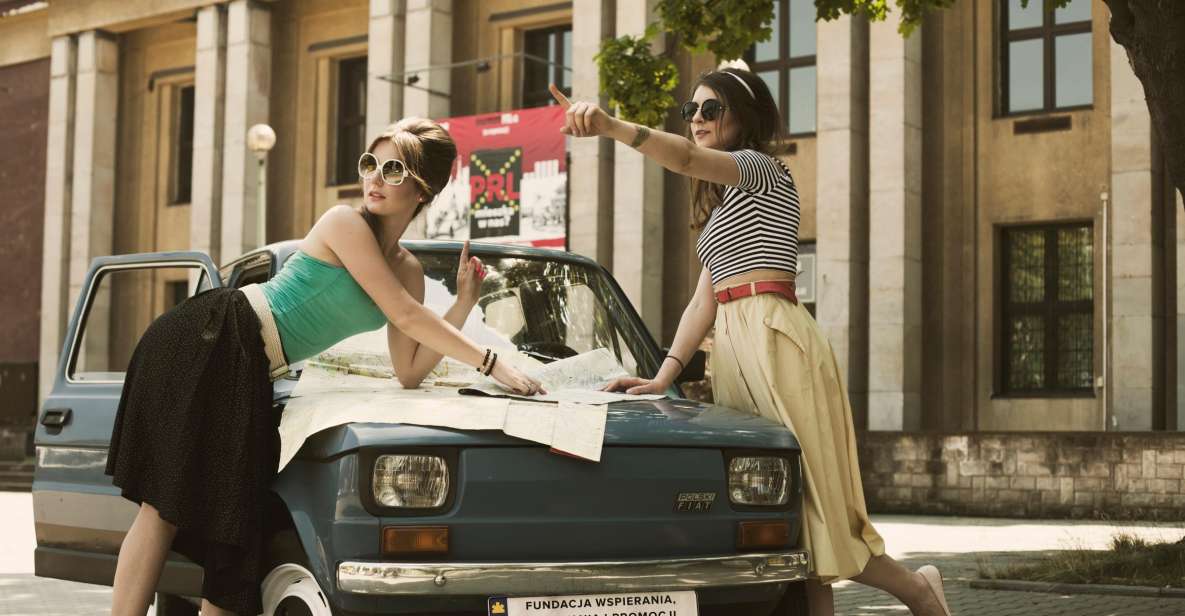
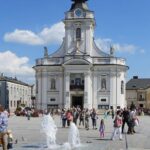
The tour doesn’t rush past the heart of the story. You’ll visit Central Square and then walk through the area tied to Aleja Róż (Roses Avenue). This is where the neighborhood tries hardest to be impressive.
Here’s what to pay attention to while you’re there:
- The scale of the space: Socialist Realism in city planning often wanted you to feel small inside a planned “greater idea.”
- The symmetry and monumentality: the geometry isn’t accidental; it’s meant to broadcast power.
- The symbol trail: you’ll learn where Lenin’s large statue stood once, and how that emblem fit into the whole message.
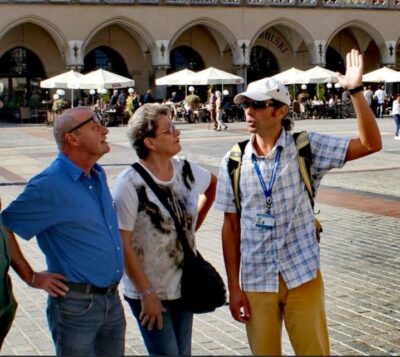
You’ll also get the rhythm of a guided walk: enough time to look, enough time for photos, and enough narration to connect what you’re seeing to why it was built that way. One practical plus is that the tour schedules photo stops rather than making everything a blur. If you’re into architecture and urban planning, this part earns its time.
And yes, the Lenin piece isn’t just a museum fact. The guide shares the story of the statue—how locals responded, and what happened later when the symbol was no longer in place. (One interesting detail you might hear: the statue’s later relocation to a theme destination in Sweden.)
Ujastek 1: the “new steelworks” idea made into streets
Nowa Huta is often described as a communist-era project, but the best way to understand it is through the steelworks. In the tour, the steelworks logic is treated like the core engine behind the neighborhood’s foundation and layout.
A long stop here—Ujastek 1—gives you the chance to connect dots. You don’t just pass buildings. You get a guided visit that explains how the plan functioned, why certain areas were arranged the way they were, and how the whole place was designed around the factory.
What makes this valuable for you is that it turns the neighborhood from “a set of gray buildings” into an actual system. The layout starts to feel like it has rules:
- where people lived in relation to production,
- how daily life fit a planned industrial rhythm,
- and how propaganda and practicality were built into the same blueprint.
If you’re the type who likes walking away with a mental map, this stop helps. It’s also a good moment to ask questions. When the guide explains the planning logic, even small architectural details start to mean something.
Churches, photos, and the story behind the edges
The tour also includes stops tied to community and identity. You’ll have a photo stop and guided visit at the Church of Our Lady Queen of Poland. Even if you’re not a hardcore church-goer, it’s worth using your eyes here.
Why? Because a communist “planned city” doesn’t eliminate local identity. This church stop is a way to see the mismatch and the overlap: official ideology versus lived culture. The guide will help you connect those dots without turning it into a lecture.
There’s also a museum-related photo stop connected to the Armed Act. Think of it as an orientation point—something to frame what you’re about to see next, not a long museum commitment.
Between these stops, you’ll move by vintage car and get occasional photo moments. That keeps the day from feeling like a single long walk, while still giving you enough street time to actually register the neighborhood’s design.
Soviet WWII tank and the meaning of Cold War spaces
One of the most memorable inclusions is getting up close to a Soviet tank from World War II. That’s not just “cool history.” It’s a reminder that the region lived under major powers and major military pressure long before the bunker era.
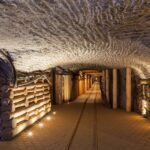
Then the tour goes where many people don’t expect to go: underground shelters built for nuclear-war preparation. You’ll see the logic of survival planning—spaces designed for a worst-case scenario that never should have had to feel real.
If you book the extended option, you may get additional access tied to Cold War-era planning in one of two directions:
- the Cold War HQ bomb shelter visit, or
- the steelworks director’s offices visit (with ticket).
Which one should you choose? Here’s a simple way to decide:
- If you want tension and fear-of-the-future energy, pick the shelter-focused route.
- If you want “who ran the system” energy and the administrative side of industrial power, pick the director’s offices.
Either way, the underground portion shifts the day’s mood fast. Above ground, you’re reading propaganda and urban planning. Below ground, you’re reading preparedness.
Steelworks director’s offices vs. the bunker: choosing your extended stop
The extended format is a smart upsell because it changes the story from “the city on the surface” to “the machinery underneath.”
Director’s offices (if you choose that option)
This route takes you into management rooms tied to the steelworks initiative. It’s fascinating because you see the human control layer: the place where decisions got made, where planning translated into schedules and operations, and where power sat in offices while workers carried out the work.
If you like how architecture reflects authority, this stop will land. It’s also a good match if you’ve ever wondered how large industrial systems actually operated day-to-day.
Cold War HQ bomb shelter (if you choose that option)
This is the survival side of the narrative. You’re looking at a city’s preparation for catastrophe, built into the ground. The bunker visit makes the Cold War feel immediate, not abstract.
If you prefer history that hits your body—space, scale, and atmosphere—this is the one.
Either choice is likely to feel like the “real finish” of the day. The key is that you’re not just collecting sights. You’re collecting contexts.
Time on the route: how the day is paced
The tour lasts 150 to 270 minutes, so it sits in the sweet spot between a half-day and a short excursion. Expect:
- time in transit in the classic car,
- a guided stop at Central Square,
- a guided, longer visit at Ujastek 1,
- a church stop with time for photos and explanation,
- and, for the extended option, extra time for either the steelworks director’s offices or bunker areas.
If you’re planning your Krakow days, treat it like a cornerstone activity. It’s the kind of tour that changes how you see the rest of the city, not just how you fill your calendar.
Price and value: is $75 fair for what you get?
At $75 per person, this isn’t a cheap “watch-and-go” tour. But it also isn’t overpriced for what you’re being handed.
You’re getting:
- an English NGO-experienced Nowa Huta local guide,
- transportation by classic car,
- and key access elements that depend on your chosen option (steelworks director’s office visit with ticket, and/or cold war HQ bomb shelter with ticket).
That access is the value driver. Many Krakow experiences show you the outside of places. This one tries to show you rooms and spaces tied to how the neighborhood worked and how people planned for extreme risk.
If you’re purely chasing the photo-perfect version of Krakow, you might not feel the value. If you like history connected to real physical sites, you’ll probably feel like this price makes sense.
Language and guide style: what to expect from the narration
The tour runs in English, and it can also be organized in Polish or Russian if you book at least 48 hours in advance (subject to availability). That’s useful if you want a deeper discussion and the guide can match your comfort level.
What really stands out is the guide delivery. Names you may hear include Mateusz, and the tone often mixes firm facts with real enthusiasm for the place and its details. In practice, you should plan on a lot of explanation, frequent answers to questions, and plenty of photo opportunities rather than a rushed checklist.
Who should book this Nowa Huta vintage-car tour?
This is a great fit if:
- you want to understand why a neighborhood looks the way it does,
- you’re interested in communist urban planning and Socialist Realism architecture,
- you like history that includes both public symbolism and private survival planning,
- and you enjoy quirky transport that turns the tour into an experience, not just a ride.
It may be less ideal if:
- you dislike older vehicles or have strict comfort/safety expectations,
- you want a major museum-style day with lots of indoor time and curated exhibits,
- or you’d rather stay focused on Krakow’s historic center only.
Should you book this Nowa Huta tour?
If you’re the kind of person who likes history with location-specific details—symbols, architecture, and the industrial story behind it—I think this is a strong yes. The vintage car doesn’t feel like gimmick theater; it helps you “read” the neighborhood as something planned, not accidental.
My recommendation: if you can, choose the extended option so you get either the steelworks offices or the bunker. That extra access is where the day turns from interesting sightseeing into a memorable, grounded understanding of how Nowa Huta was built—and how people prepared for what came next.
FAQ
How long is the Nowa Huta guided tour in a vintage car?
The tour duration ranges from 150 to 270 minutes, depending on the option and starting time.
What does the tour cost?
The price is listed as $75 per person.
Where does pickup happen?
Pickup is included in Krakow. The exact meeting point depends on how close your accommodation is to routes the car can reach. Pickup points may include places like Plac Matejki or near Mikołaja Zyblikiewicza from Mikołaja Kopernika street, and if you stay in Kazimierz there can be pickup from Dajwór street. If the car can’t reach your exact area, you’ll meet at a convenient point.
Can I meet the guide directly instead of getting pickup?
Yes. Pickup is the default, but you can also meet the guide directly in Nowa Huta.
What languages is the tour available in?
The tour is available in English, and it can also be arranged in Polish or Russian if booked at least 48 hours in advance (subject to availability).
What classic cars might I ride in?
You could ride in classic cars such as a Fiat 126 model Maluch, Lada 2101, Syrena, Nysa, or a Soviet UAZ 452 (and other similar vintage options).
What’s included in the price?
Included are the local English-guided tour, classic car transportation, and option-dependent tickets such as the steelworks director’s offices visit and ticket, and/or the Cold War HQ bomb shelter visit and ticket. Hotel pickup/drop-off is included if you book the private option.
Is lunch included?
Food and drinks are not included unless you choose a lunch option when booking.
Is there a private group option?
Yes. A private group option is available.
Is there free cancellation?
Yes. You can cancel up to 24 hours in advance for a full refund.