REVIEW · MEMORIAL AND MUSEUM AUSCHWITZ BIRKENAU
Auschwitz-Birkenau Museum Tour from Krakow
Book on GetYourGuide →Operated by Amazing Krakow Tours · Bookable on GetYourGuide
Severe history, carefully guided, in one day. This Auschwitz-Birkenau trip from Krakow pairs round-trip transport with a licensed guide and timed entry to one of the world’s most sobering sites near Oswiecim, built by Nazis in 1940. You’ll see what happened, and you’ll understand what you’re looking at—without needing to guess.
I like that you get direct access to key remains, including the gas chambers and the barracks, explained with care and clarity. I also like that the visit includes Birkenau, the largest of the former Nazi concentration camps, so the scale of the Holocaust lands in your mind as you walk.
The main drawback is timing. A 7-hour day with a group means you should expect a structured flow, not a slow, private wander—and the dress code and bag limits are strict, so you’ll want to pack accordingly.
In This Review
- Key highlights to know before you go
- Auschwitz-Birkenau in 7 Hours: What You Really Get
- The Krakow Transfer: Show Up Early, Pack Light
- Auschwitz I: Gas Chambers and Barracks With Context
- Birkenau’s Largest-Camp Reality Check
- What the Guide and Group Format Means for Your Day
- Dress Code and Entry Rules: The Stuff That Can Trip You Up
- Price and Value: Is $92 a Fair Deal?
- Who This Tour Fits (and Who Should Reconsider)
- Should You Book This Auschwitz-Birkenau Tour?
- FAQ
- How long is the Auschwitz-Birkenau Museum tour from Krakow?
- What is included in the tour price?
- Is food included?
- What languages are available for the live tour guide?
- What time should I be ready for pickup?
- What ID do I need to bring?
- What happens if my booking name doesn’t match my ID?
- Are there restrictions on clothing and bags?
- Can a child seat be arranged?
- Is this tour suitable for children and for mobility impairments?
Key highlights to know before you go
- Round-trip transport from Krakow: no stress about getting there and back on your own
- Licensed live guide: explanations in English (and also Polish), not just audio
- Auschwitz I remains: former gas chambers and barracks are part of what you’ll see
- Birkenau’s massive scale: you visit the largest former Nazi concentration camp
- Entrance tickets included: you’re covered for admission to the Memorial
- Strict entry rules: ID match, clothing limits, and a tight bag size cap
Auschwitz-Birkenau in 7 Hours: What You Really Get
This is a long, heavy day. You’re traveling from Krakow to one of the most important Holocaust sites in the world, and you’re spending most of those 7 hours inside the Auschwitz-Birkenau Memorial and Museum.
The value here is in the combination: you get entrance tickets, round-trip transport, and a guided group tour with a live guide. That means you spend less time organizing logistics and more time focusing on what matters—understanding the history behind what you’re seeing.
It also helps that water is included. When you’re on your feet for hours, small things like that can keep you from getting derailed by basic comfort.
You can also read our reviews of more tours and experiences in Memorial And Museum Auschwitz Birkenau.

The Krakow Transfer: Show Up Early, Pack Light
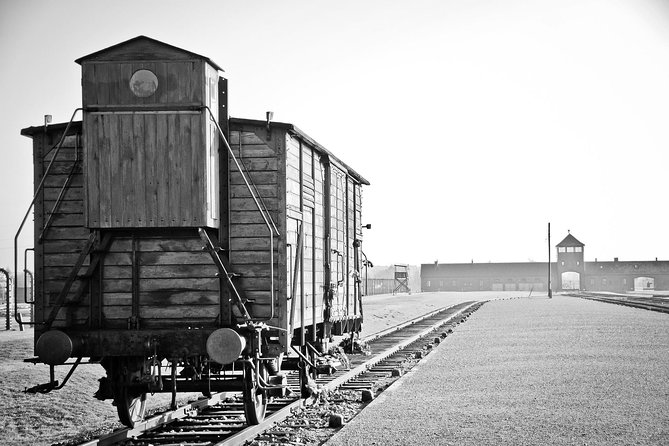
Pickup is included, and you’ll need to be ready about 5 minutes before departure. When you meet the driver, you’ll show your ticket—simple, but don’t show up late and hope for the best.
Because Auschwitz-Birkenau has strict access requirements, the day works best if you treat it like a “minimal carry” trip. There’s a maximum luggage/bag/purse/backpack size of 30x20x10cm, and large bags are not allowed.
Plan to bring only what you truly need: your ID/passport, a small day bag, a bottle of water if you like (water is included anyway), and weather protection. It’s one of those trips where “I’ll just bring everything” turns into stress.
Auschwitz I: Gas Chambers and Barracks With Context
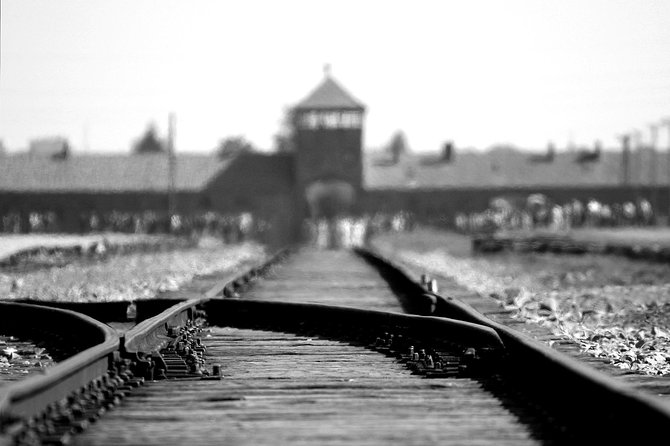
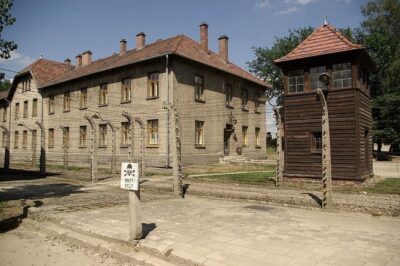
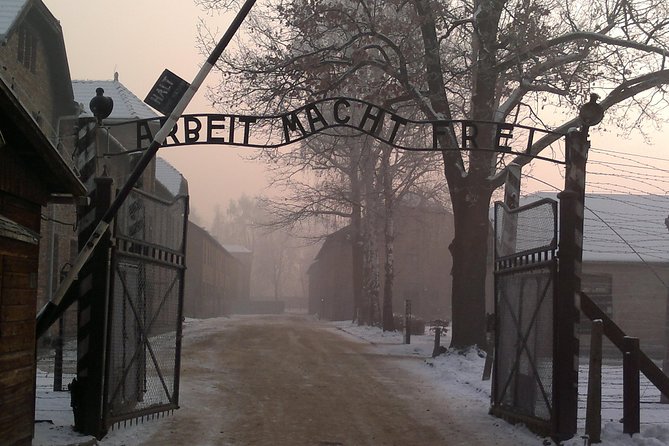
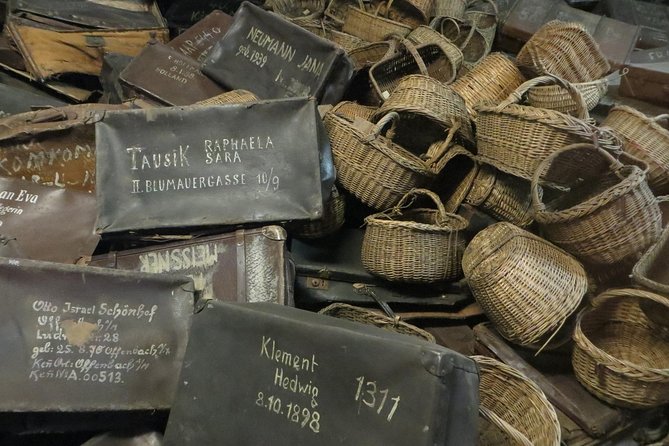
You’ll spend time at Auschwitz I, where you can see the remains that made the camp infamous. The big draw is the former gas chambers and the barracks—places people often feel they understand from photos, but only truly grasp when you see scale and details in person.
What makes this stop valuable is the guided explanation. A licensed guide helps you connect what you’re seeing with what it meant during World War II, instead of treating it like a checklist of ruins.
You’ll also get the kind of context that’s impossible to pick up from signage alone. The camp was built by the Nazis in 1940 in the suburbs of Oswiecim, and the overall death toll is estimated at over 1.1 million people across 28 nationalities, with nearly 90% of those killed being Jews.
That context matters because it turns the site from tragedy-as-a-concept into tragedy-as-a-system. You’re not just looking at history; you’re learning how the Holocaust worked on the ground.
Birkenau’s Largest-Camp Reality Check
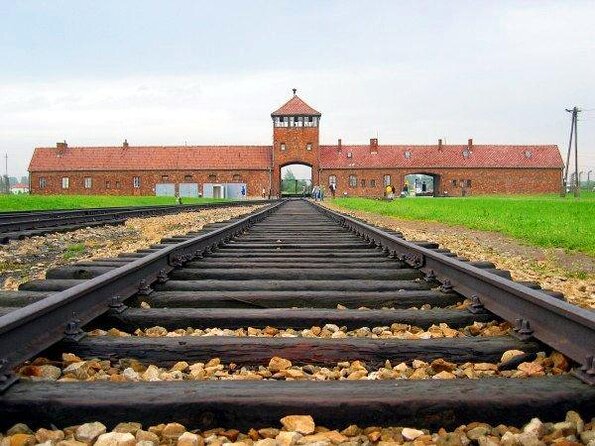
Then you move to Birkenau, the larger of the two main Auschwitz sites you’ll visit on this trip. Birkenau is described as the largest former Nazi concentration camp, and walking it is often what makes the day “click.”
This is where the scale can overwhelm you. The site’s size forces your brain to confront how many people were processed and controlled here, and why this camp has become a symbol for industrialized genocide.
With a live guide, you’re less likely to get lost in the size of everything. The explanations help you keep your footing: what each part was used for, why certain areas exist where they do, and how Auschwitz evolved over time.
It’s also worth noting the museum’s standing in global memory. Since 1979, Auschwitz-Birkenau has been listed by UNESCO as a Cultural and Natural World Heritage site. That status doesn’t make the experience “nicer,” but it does mean the visit is designed to educate and preserve, not just memorialize.
What the Guide and Group Format Means for Your Day
This is a guided group tour with a live guide. That format is usually a plus for first-timers, because you can ask questions and get answers that match what you’re seeing right then.
You’ll also notice the tour runs like a day plan, not a free roaming experience. Some people find that the pacing can feel like a “mass tour.” If you’re the kind of traveler who needs silence to absorb big emotions, consider choosing the private or small group option if it’s offered for your dates.
I’d treat this like a serious appointment with your own attention. The best way to make it meaningful is to wear comfortable walking shoes, keep your bag tiny, and accept that the schedule exists for access and flow inside the museum complex.
If you do get a particularly prepared guide, it can make an enormous difference. One person praised a guide named Ediwina for being especially strong, and another highlighted a smooth taxi/transfer service involving a driver named Viktor—good signs that the operator aims to put real professionals behind the wheel and behind the microphone.


Dress Code and Entry Rules: The Stuff That Can Trip You Up
Auschwitz-Birkenau isn’t picky in a random way. The restrictions are specific, and if you ignore them, you can lose your chance to enter.
Bring your passport or ID card, and make sure the name you provide during booking matches what’s printed on your ID. The Memorial requires full name and contact details as part of the booking, and entry can be refused if the name doesn’t match exactly.
Clothing rules are also real:
- No shorts
- No sleeveless shirts
Bag limits are tight:
- Maximum bag/purse/backpack size is 30x20x10cm
- Luggage or large bags are not allowed
If you’re traveling with kids, there’s one more item to understand. The tour notes that if your child is less than 150 cm tall, you should inform the supplier so a child seat can be arranged. That said, the tour is listed as not suitable for children under 14, so the child-seat note likely applies to older kids who still meet the height requirement.
You can also buy an information booklet on site (optional). If you like to read while you’re there, it can be a helpful companion—just don’t treat it as your main source of guidance.
Price and Value: Is $92 a Fair Deal?
At $92 per person for a 7-hour day, the value mostly comes from what’s included. You’re not just paying for a bus ride. The package covers:
- entrance tickets to the Auschwitz-Birkenau Memorial
- round-trip transportation
- a professional English-speaking driver
- a guided group tour with a live guide
- water
If you try to DIY, you’d still need tickets plus reliable transportation plus enough planning to match museum access rules. Those pieces add up fast, and they come with uncertainty, especially because Auschwitz-Birkenau visitation depends on advance planning.
The tour also flags that new guidelines took effect in March 2020, and booking well in advance is the only way to ensure you can visit. That’s the kind of operational reality that makes a bundled tour feel like less of a “convenience fee” and more like basic risk control.
The balance point: if you want maximum flexibility or quiet time, the group format may not be your ideal fit. But if you want a guided, organized visit that reduces stress and gets you through the day smoothly, $92 starts to look reasonable.
Who This Tour Fits (and Who Should Reconsider)
This trip is best for adults and older teens who can handle a difficult subject with respect. It’s listed as not suitable for children under 14, and it’s also not suitable for people with mobility impairments.
It’s also a good fit if you appreciate structure. A guided tour helps you keep the story straight as you move between Auschwitz and Birkenau, and it prevents the common “I saw things, but I’m not sure why” feeling.
If you’re sensitive to group pacing, consider the private or small groups available option. You’ll still visit the same historical site, but smaller groups can give you a bit more space for your own reactions.
Also, because the visit is deeply emotional, I recommend you plan your day so you’re not rushing afterward. You’ll likely need time to decompress once you’re back in Krakow.
Should You Book This Auschwitz-Birkenau Tour?
I’d book it if you want a guided, respectful way to visit Auschwitz-Birkenau from Krakow without juggling tickets and transport. The combination of entrance tickets, round-trip transport, and a licensed guide is exactly what you want when the subject is heavy and the rules are strict.
I’d think twice if you need a slow, quiet, highly personalized experience, because the group format and timed nature of museum access can feel rushed. If that’s you, choose the private or small group version if possible.
Final practical tip: make the day easy on yourself. Wear clothes that fit the entry rules, keep your bag under 30x20x10cm, and bring your ID/passport with the same name you used to book. Those small steps help you focus on the purpose of the visit—learning, remembering, and understanding.
FAQ
How long is the Auschwitz-Birkenau Museum tour from Krakow?
The tour duration is 7 hours.
What is included in the tour price?
Included are entrance tickets to Auschwitz-Birkenau Memorial, a professional English-speaking driver, round trip transportation, a guided group tour with a live guide, and water.
Is food included?
No. Food or drinks are not included.
What languages are available for the live tour guide?
The live tour guide is available in English and Polish.
What time should I be ready for pickup?
You should be ready about 5 minutes before the departure and show your ticket to the driver.
What ID do I need to bring?
Bring a passport or ID card. All participants must provide their full name and contact details as part of the booking.
What happens if my booking name doesn’t match my ID?
Entrance may be refused if the name provided on the booking is not identical to the name on the ID you use when entering.
Are there restrictions on clothing and bags?
Yes. Shorts and sleeveless shirts are not allowed, and luggage or large bags are not allowed. The maximum bag size is 30x20x10cm.
Can a child seat be arranged?
If your child is less than 150 cm tall, you should inform the supplier so a child seat can be arranged.
Is this tour suitable for children and for mobility impairments?
No. It is not suitable for children under 14, and it is also not suitable for people with mobility impairments.