REVIEW · OSWIECIM
Auschwitz-Birkenau: Guided Tour and Skip-The-Line Ticket
Book on GetYourGuide →Operated by Poland Booking S.C. · Bookable on GetYourGuide
One hard place, thoughtfully organized. This guided Auschwitz-Birkenau visit is interesting because you get Auschwitz I context with a licensed guide, then you move on to Auschwitz II Birkenau to see how the killing system worked in real time. I especially love having a guide explain what you’re looking at, not just pointing and letting you guess.
I also like the practical flow: you enter with a pre-booked skip-the-line ticket, go through security, and then you’re guided through the museum in two main chunks instead of trying to manage it on your own. One useful human detail I picked up from real-world experiences is that local staff sometimes step in with extra help when plans are a bit off; for example, Joanna was described as very kind when someone needed help getting between sites.
The main thing to consider is pacing. The memorial sets the tempo, and with the short breaks and strict visitor service timing, you won’t have the luxury of lingering as long as you might want at every single stop—especially if you need a slower, more flexible experience.
In This Review
- Key highlights to know before you go
- Auschwitz-Birkenau in one day: how the timing actually works
- Meeting point, security, and why the skip-the-line matters
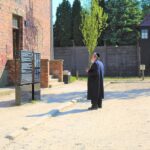
- Auschwitz I museum: what a licensed guide helps you see
- The break for lunch and the short move to Brzezinka
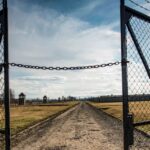
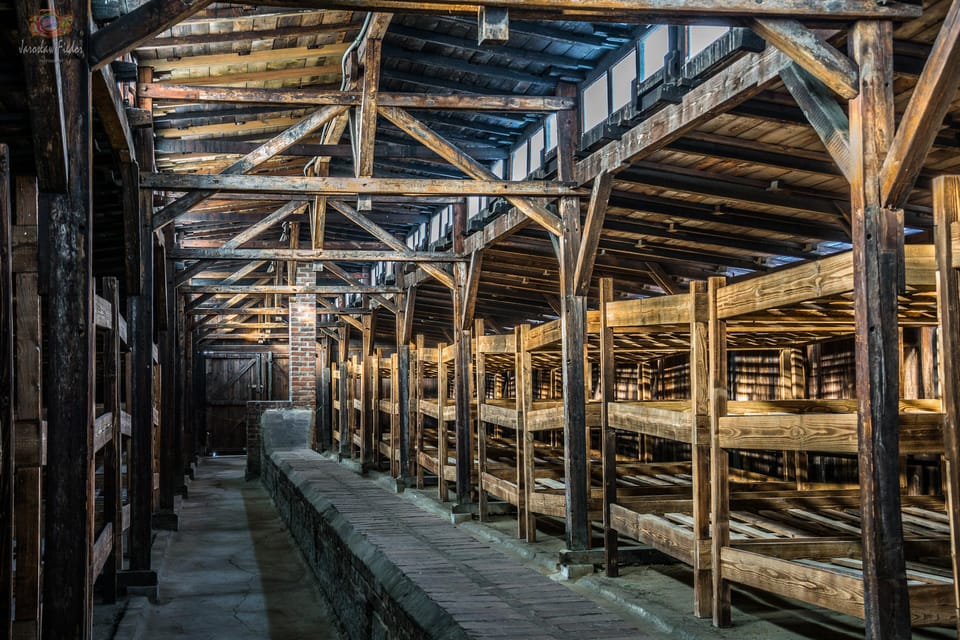
- Auschwitz II Birkenau: barracks, gas chambers, and crematoriums
- Price and value: what $10 buys you (and what it doesn’t)
- What to bring, what to leave behind, and how not to sabotage your day
- Who should book this tour, and who should pause
- One real-world lesson: service is mostly smooth, but don’t assume pickup
- Should you book this Auschwitz-Birkenau guided tour?
- FAQ
- Where do I meet the guide for this tour?
- What ID do I need to bring?
- How long is the tour?
- What time of day does the tour run?
- What happens between Auschwitz I and Birkenau?
- Is food included?
- What’s allowed in terms of bags and photography?
- What languages are the tours offered in?
- Is this tour suitable for children or people with mobility issues?
Key highlights to know before you go
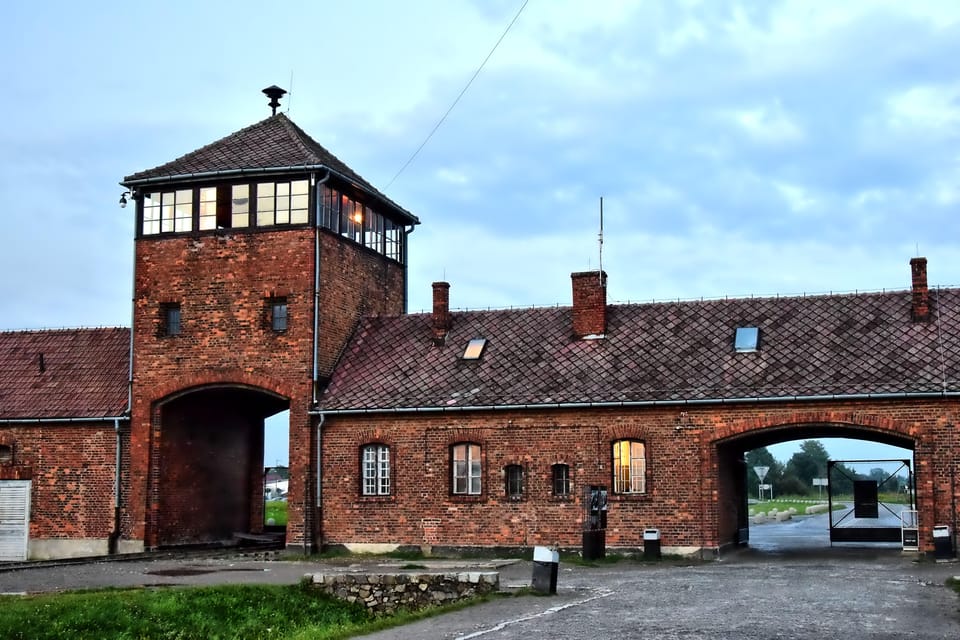
- Licensed guide who leads both Auschwitz I and Auschwitz II, keeping the story clear and grounded.
- Skip-the-line entry via a pre-booked ticket, so you spend less time waiting in security queues.
- Two-part visit: Auschwitz I museum (about 1h20–1h50) plus about 1h at Birkenau.
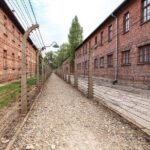
- Gas chambers, crematoriums, and barracks are included in what you see on-site.
- Short break built in for lunch, plus a brief gap where you handle the short move toward Birkenau.
Auschwitz-Birkenau in one day: how the timing actually works
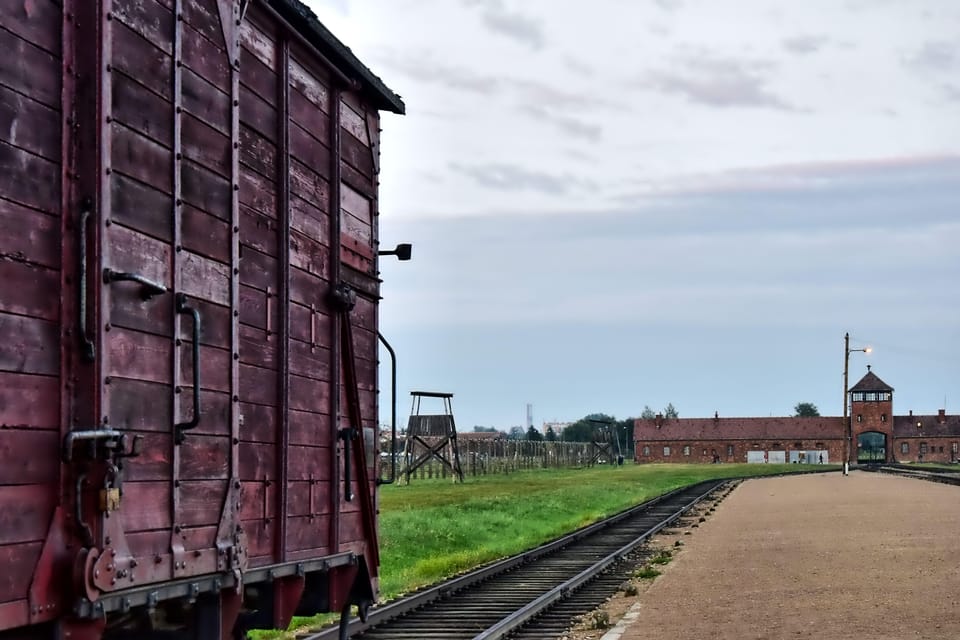
This is not a casual sightseeing day. The value of this tour is that it gives you enough time to do both major parts of the memorial site with one guide, without turning the day into a logistics puzzle.
You start at the Auschwitz I museum area with your guide. The first museum segment runs roughly 1 hour 20 minutes to 1 hour 50 minutes, which is a solid window for understanding the basics: how the camp system functioned, what the exhibits and preserved spaces mean, and how to read the site without getting lost. After that, there’s a short 10–15 minute break where you can eat lunch. Then the group moves on to Auschwitz II Birkenau for about one hour with the same guide.
There’s one timing wrinkle to understand up front: between Auschwitz I and Birkenau there’s a short transfer gap. You’ll have a 15-minute break after finishing Auschwitz I, and during that time you need to go to the car parking area in Brzezinka on your own transport (about 2 km). If you arrived by public transport, you should tell your tour leader before starting, so you can coordinate how you’ll reach Birkenau smoothly.
You can also read our reviews of more tours and experiences in Oswiecim

Meeting point, security, and why the skip-the-line matters
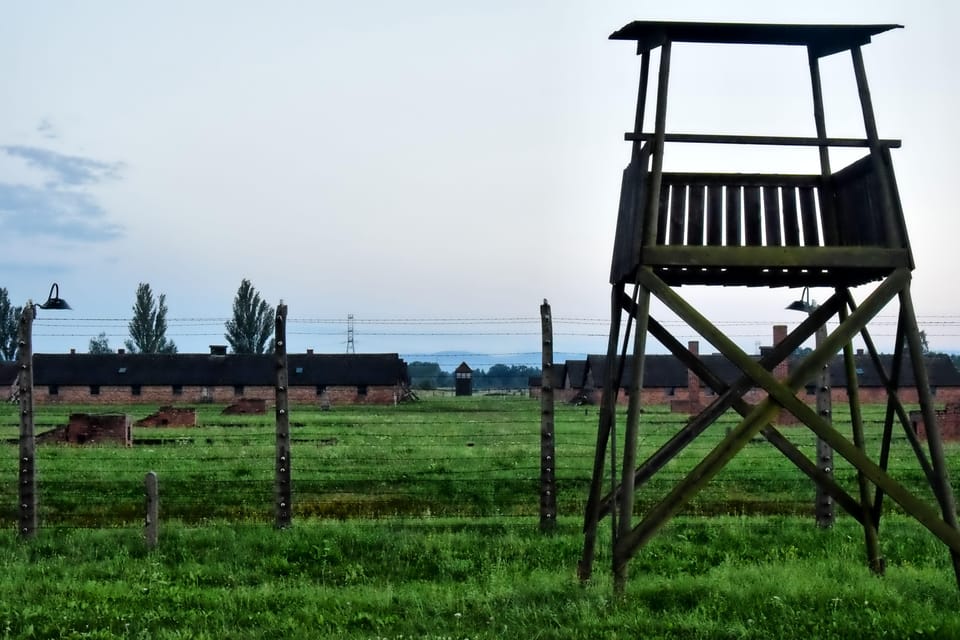
Meet your host outside the Auschwitz I entrance. You’ll pass through security first, then enter the museum area using your pre-booked ticket. The skip-the-line part isn’t just a comfort perk; it protects your day. On a site like this, waiting around adds up fast—especially if you’re already managing nerves and emotions.
This tour is also clear about what you must carry for entry: bring passport or ID card. And be ready for strict rules on bags and electronics. You can’t bring large luggage or backpacks, and the maximum permitted size is 20 x 30 cm. Flash photography is not allowed either.
One practical tip: if you’re hoping for pickup from your accommodation, don’t build your plan around it. Transportation to and from your lodging is not included. That sounds obvious, but it’s the kind of mismatch that can create stress when you’re already trying to stay on schedule. The meeting point outside Auschwitz I is where you want your mental checklist to start.
Auschwitz I museum: what a licensed guide helps you see
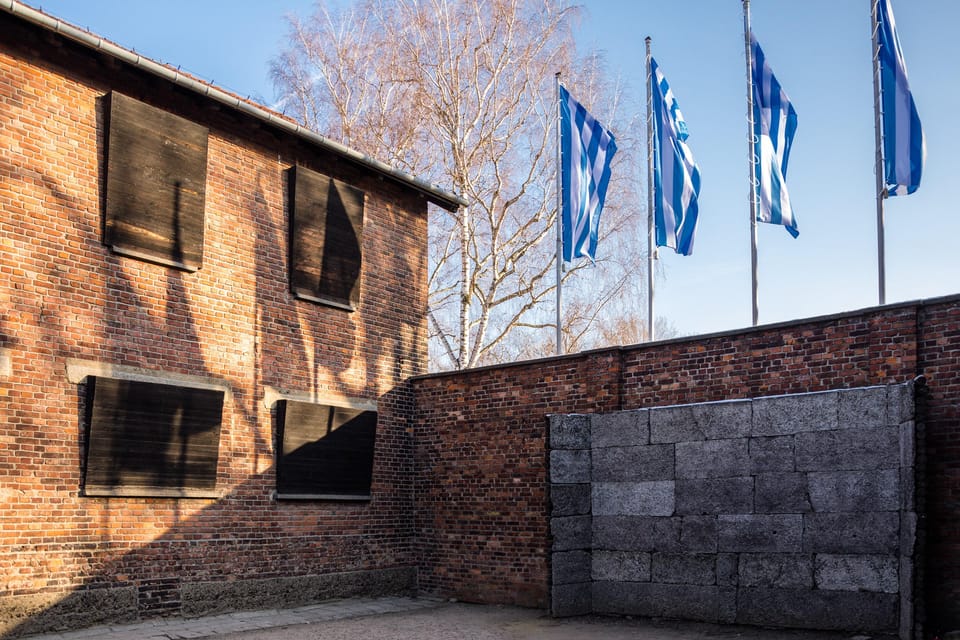
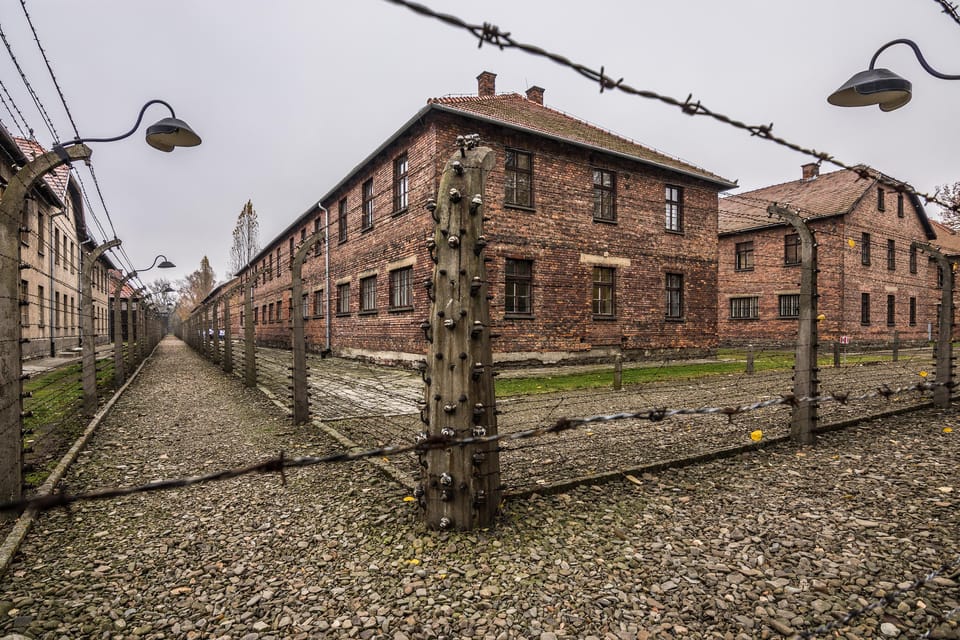
Auschwitz I is where you’ll spend your first big chunk of time. The memorial is huge in its meaning, but the site is also very physical—buildings, rails, rooms, documents, and preserved structures. On your own, it’s easy to get overwhelmed by details and then miss the story that ties them together.
A strong licensed guide changes that. What I like about this tour setup is that you’re not just moving from photo spot to photo spot. You’re guided through what you’re seeing, and the guide helps you connect the exhibits and preserved spaces to the larger system behind the camp.
Expect the guide to help you understand:
- what these spaces were used for
- how the camp operated
- what the museum materials are trying to communicate
- what you’re looking at when you stand in front of preserved structures
This matters because Auschwitz isn’t designed for casual scanning. You’ll get more out of the time when someone gives you a map for understanding what you’re seeing in the moment.
The break for lunch and the short move to Brzezinka
Between the two main parts, you get a 10–15 minute break to eat lunch. If you don’t plan for this, you’ll feel rushed. The tour doesn’t include food or drinks, so you’ll want lunch ready to go. I recommend keeping it simple and easy to eat, then use the time to reset before Birkenau.
Then comes the transfer piece. After Auschwitz I, there’s a 15-minute break during which you must get to the car parking area in Brzezinka by your own transport (about 2 km). This is where you should stay mentally flexible. If you arrived by public transport, mention that before starting, so your tour leader can help you navigate the move.
One thing I appreciate about having a guide is that even though you’re moving on your own for that short segment, you’re not doing it blind. You still have the tour context in place, and you arrive at Birkenau with the story already in your head.
Auschwitz II Birkenau: barracks, gas chambers, and crematoriums
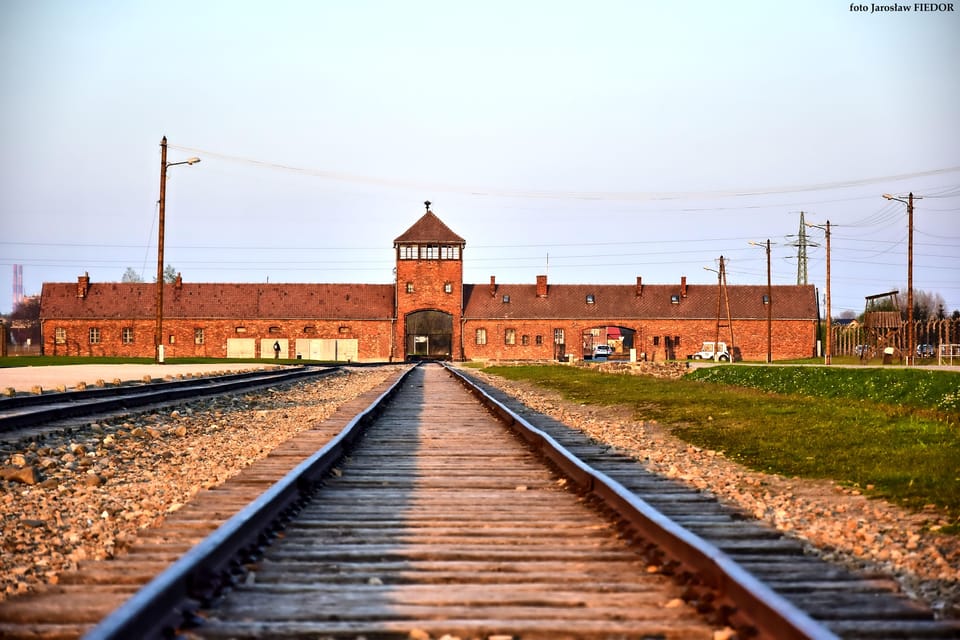
Birkenau is the part that hits hardest for most people, because the scale is so clear. This tour gives you about one hour there with the same guide, which is enough time to see the key preserved areas without turning your day into a blur.
What’s included in what you’ll see:
- the gas chambers
- the crematoriums
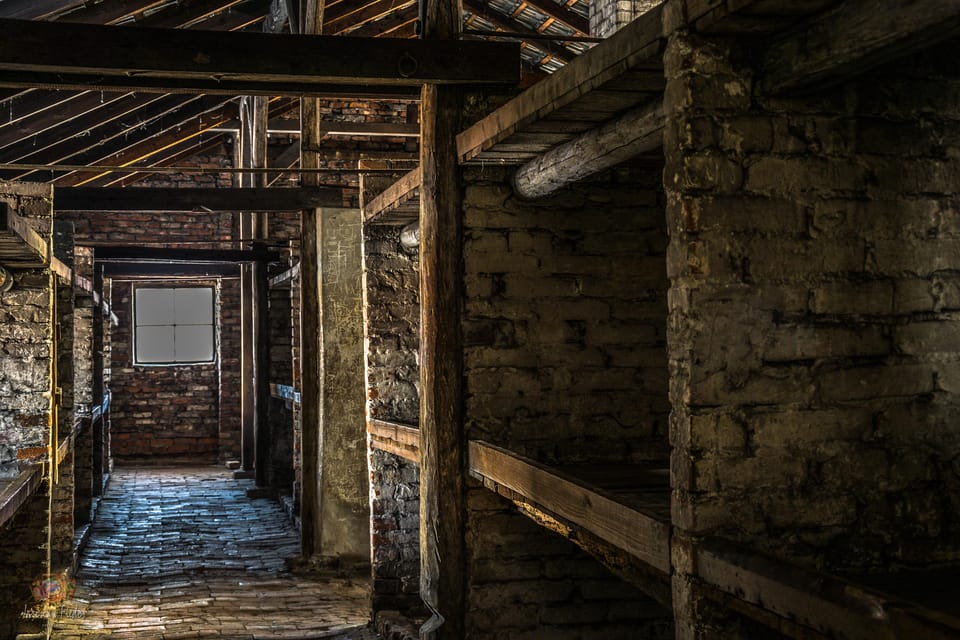
- the barracks
Even if you’ve read about Auschwitz before, seeing these elements on-site is different from learning from a book or video. A guide matters here too. You’re walking through a place where the layout itself is part of the explanation, and your guide helps you understand why these buildings and pathways mattered to the camp’s function.
One reality check: because the memorial manages visitor flow, you may not get the stillness you’d like at each structure. There’s a constant “next group is coming” pressure. That doesn’t make the experience less meaningful—it just means you should accept that the tour is structured, not open-ended. If you’re the type who processes slowly, plan to give yourself a moment of quiet after the tour, not just during it.
You can also read our reviews of more guided tours in Oswiecim

Price and value: what $10 buys you (and what it doesn’t)
At $10 per person, this tour is priced low for the amount of guided time and the fact that it includes both the entry ticket and a professional licensed guide. You also get the time-saving advantage of skip-the-line entry, which can be the difference between feeling rushed and feeling in control on a high-demand day.
Where value can be misunderstood: the tour price doesn’t cover your lunch or drinks, and it doesn’t include transportation from your accommodation. You’re also responsible for the short 2 km move toward Brzezinka during the short break window. So the total day cost isn’t just the tour ticket—it’s also food, local transit or a car/ride for that transfer, and any parking fees (parking fees are listed as not included).
If you budget for those realities, the core tour value still holds up: you’re buying a guided interpretation plus entry for two major parts of the memorial in one visit window.
What to bring, what to leave behind, and how not to sabotage your day
You’ll have a smoother experience if you pack with the rules in mind. Here’s what matters most:
Bring:
- Passport or ID card
- Lunch and drinks, since food isn’t included
- A bag that fits the limits (no big backpacks; maximum size permitted is 20 x 30 cm)
Leave behind:
- Large bags, luggage, and backpacks
- Anything you’ll want to keep swapping in and out once you’re inside
Also note:
- Flash photography isn’t allowed
- The pace and duration are set by the memorial’s visitor service, not your guide’s personal preference
My practical suggestion is to travel light enough that you don’t spend energy fiddling with your bag during transitions. On this kind of visit, your focus should stay where it belongs: on understanding the site and honoring the victims.
Who should book this tour, and who should pause
This experience is not meant for every schedule or body.
It’s listed as not suitable for:
- children under 12
- pregnant women
- people with mobility impairments
Beyond that medical/physical fit, consider emotional readiness. This is a Holocaust memorial and a site of mass murder. The value of a guide is exactly that it helps you process the place with structure. Still, you should go in knowing it’s heavy, and it asks for attention.
If you want a guided day with clear coverage—Auschwitz I museum plus Birkenau’s major preserved areas—this tour makes sense. If you need unlimited time at every stop or you dislike moving with a group, you may find the schedule tight.
One real-world lesson: service is mostly smooth, but don’t assume pickup
A small but important pattern to keep in mind: meeting point clarity matters. The standard plan is to meet outside the Auschwitz I entrance, and transportation to/from your accommodation isn’t included. If your expectation is hotel pickup, you could end up dealing with confusion on the spot.
That said, there are also positive stories of guides coordinating practical help when someone’s plan needed adjustment—like getting someone from Auschwitz I to Birkenau and then helping them return toward central Kraków. Those situations aren’t guaranteed, but they show that staff can be willing to help when you communicate early and you’re flexible.
So your best strategy: follow the meeting point instructions, communicate your arrival method (especially if you’re using public transport), and keep your transfer expectations realistic.
Should you book this Auschwitz-Birkenau guided tour?
You should book if you want:
- a licensed guide to explain what you’re seeing
- skip-the-line entry to protect your day
- one organized trip that covers both Auschwitz I museum and Auschwitz II Birkenau
You might skip this specific format if:
- you need a more flexible, slow pace than a memorial-guided group visit allows
- you’re relying on accommodation pickup (since transportation isn’t included)
- you fall into one of the listed groups for whom the tour isn’t suitable
If you do book, plan your day like you’re going to a serious appointment: ID ready, bag within limits, lunch packed, and your expectations set for a guided route with short breaks.
FAQ
Where do I meet the guide for this tour?
You meet your host outside the Auschwitz I entrance. After meeting, you go through security and enter with your pre-booked ticket.
What ID do I need to bring?
Bring a passport or an ID card.
How long is the tour?
The duration is about 210 minutes.
What time of day does the tour run?
The tour can take place between 7:30 AM and 3:00 PM. You can choose a preferred start time, and the exact starting time is sent to you the day before.
What happens between Auschwitz I and Birkenau?
After finishing Auschwitz I, there is a 15-minute break. During that time you need to go to the car parking area in Brzezinka by your own transport (about 2 km).
Is food included?
No. Food and drinks are not included, and it’s recommended that you bring lunch and drinks.
What’s allowed in terms of bags and photography?
Luggage or large bags and backpacks are not allowed. The maximum size permitted is 20 x 30 cm. Flash photography is not allowed.
What languages are the tours offered in?
The live tour guide is available in English, Italian, French, Spanish, and German.
Is this tour suitable for children or people with mobility issues?
No. It is not suitable for children under 12, pregnant women, or people with mobility impairments.