REVIEW · ETHNOGRAPHIC MUSEUM KRAKOW
Krakow: The Ethnographic Museum ticket
Book on GetYourGuide →Operated by Discover Cracow · Bookable on GetYourGuide
Folk art shows Krakow in a new light. I love the Town Hall exhibition for how clearly it connects Polish folk culture to real objects, and I also love how the museum is organized across multiple levels—especially the last rooms with paintings and sculptures. One thing to think about: this ticket is for self-guided entry (no guide included), so you’ll get the most if you’re willing to read labels and spend time wandering.
The museum was created in 1911 by Seweryn Udziela, a teacher and amateur-ethnographer who collected folk culture for its own sake. You’ll see about 80,000 showpieces, mostly from the late 1800s and early 1900s, which makes this feel less like a short stop and more like a slow, rewarding cultural check-in. If you’re looking for someone to interpret everything for you, plan to bring a little curiosity—or pair this with another guided activity on your trip.
In This Review
- Key things I’d prioritize in the Krakow Ethnographic Museum ticket
- A Krakow folk-art stop inside the Town Hall
- Seweryn Udziela’s 1911 mission is still the museum’s engine
- Inside the Town Hall exhibition: peasant culture made specific
- Esterka’s House and the vaulted cellar for temporary displays
- 80,000 showpieces: how to pace your 1–2 day ticket
- What you’ll miss without a guide (and how to fix it fast)
- Ticket value: $4.81 for two museum locations and a real cultural purpose
- Practicalities you should plan for before you go
- Who this Krakow Ethnographic Museum ticket suits best
- Should you book the Krakow Ethnographic Museum ticket?
- FAQ
- FAQ
- Where is the Ethnographic Museum ticket valid?
- How much does the Krakow Ethnographic Museum ticket cost?
- How long is the ticket valid?
- What’s included with this ticket?
- What’s not included?
- Where does the experience start and end?
- Can I cancel for a refund?
- Is there a reserve now and pay later option?
- Are there any photography rules?
- Do I need to choose a specific time slot?
Key things I’d prioritize in the Krakow Ethnographic Museum ticket
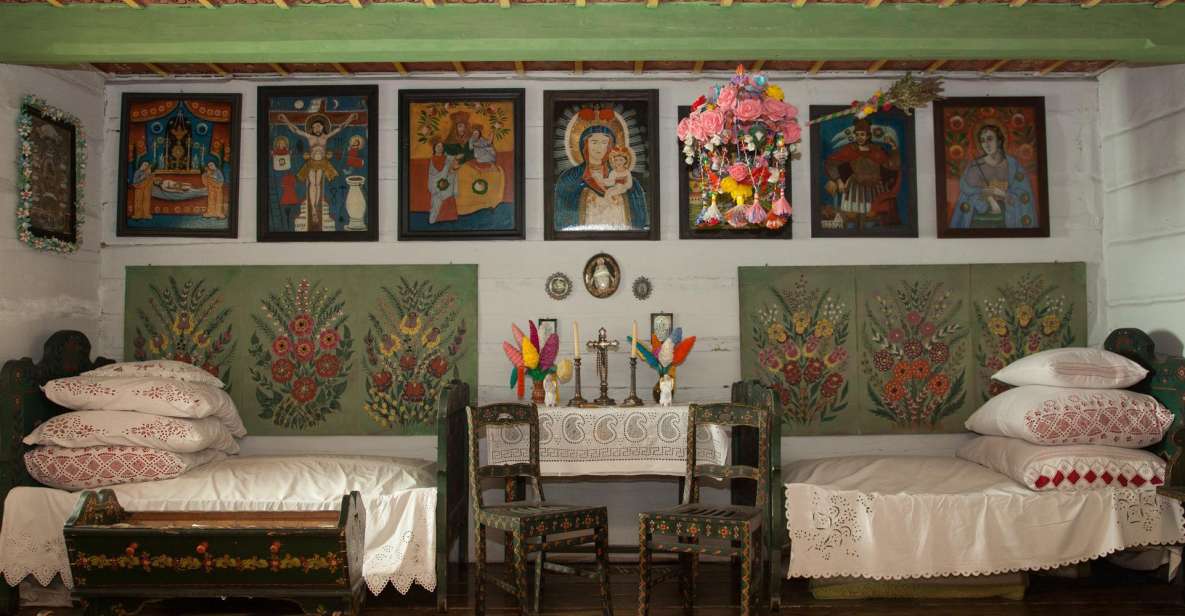
- Town Hall exhibition with a strong focus on Polish folk culture, not generic museum fluff
- Seweryn Udziela’s 1911 origin story, which helps explain why the collection exists in the first place
- Esterka’s House and its temporary displays, including the museum’s vaulted cellar setting
- A big collection size: around 80,000 objects, mostly from the turn of the century
- Multiple floors and a memorable ending in the last rooms with paintings and sculptures
A Krakow folk-art stop inside the Town Hall
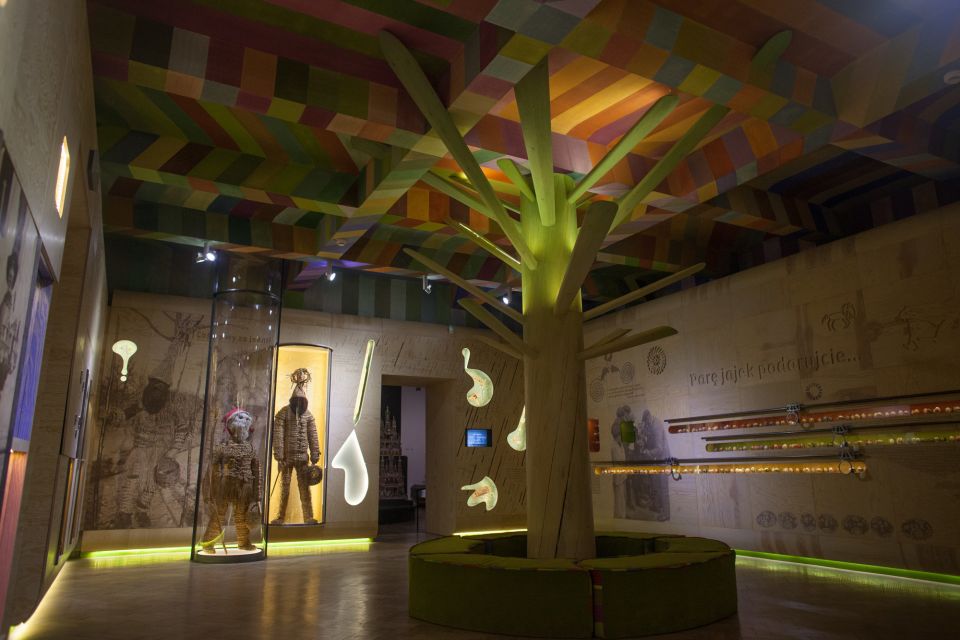
This ticket is a smart way to see a side of Krakow that isn’t only about castles, churches, and postcard streets. The museum’s Town Hall portion is where the visit really starts to feel like a focused theme: Polish folk culture presented through artifacts and art from the early 20th century. If you like when a museum has a clear point of view, you’ll probably enjoy how this one stays on-track.
I also liked that the Town Hall section gives you an easy mental framework: start with what folk culture means, then keep moving until you see the details that bring it to life. It’s not just about costumes or objects. It’s about the way people expressed identity through craft, ornament, and everyday creativity.
Seweryn Udziela’s 1911 mission is still the museum’s engine

The Ethnographic Museum didn’t start as a polished tourist complex. It began as a collection Udziela built from a small base—turning his interest into a real public cultural project. He was a teacher and amateur-ethnographer, which matters because it explains why the museum feels grounded. It doesn’t feel like it was designed only for display; it feels like it was designed to preserve meaning.
Why that history hits in the present: around the turn of the 20th century, Polish intelligentsia faced cultural stagnation and a crisis, and folklore was seen as an antidote. In other words, the museum isn’t only collecting things from the countryside. It’s tied to a moment when people felt culture needed saving and re-energizing.
Inside the Town Hall exhibition: peasant culture made specific

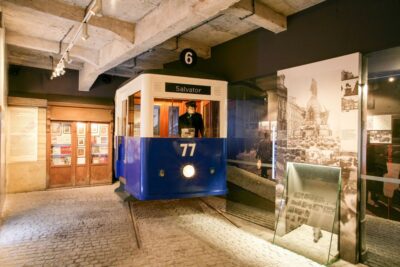
The Town Hall portion is built around Polish folk culture, and you’ll feel that focus as you move through the spaces. Instead of a random mix, you get a sense of how folk art reflects daily life—how people made, decorated, and valued objects tied to community traditions.
Here’s the practical takeaway: if you only rush the first rooms, you’ll miss the museum’s real payoff. I’d treat the Town Hall section like your orientation act. Let it set the tone, then use it as a reference point when you reach the next building.
Esterka’s House and the vaulted cellar for temporary displays
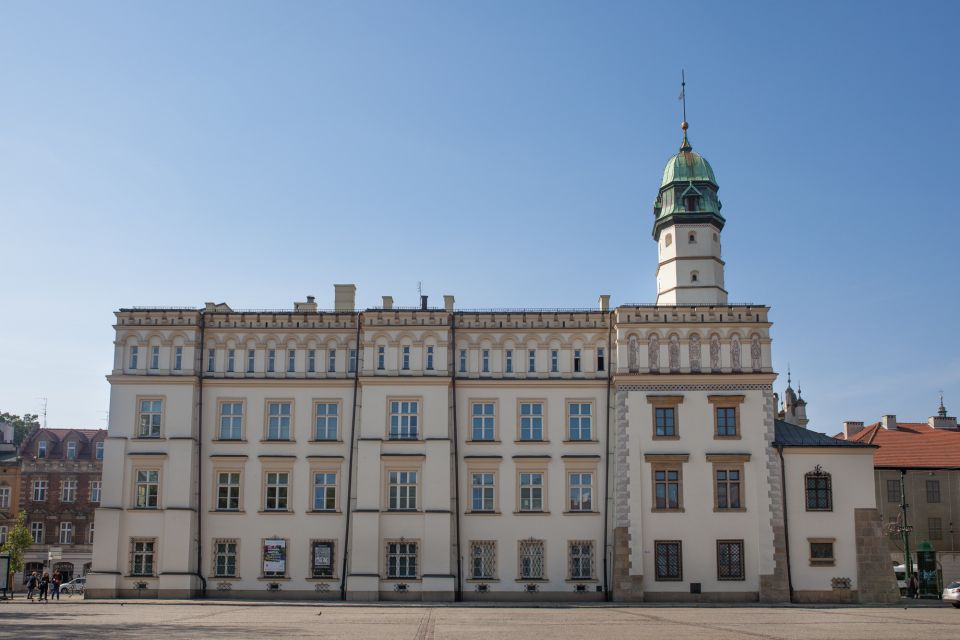
The museum’s second location, called Esterka’s House, adds variety without losing the theme. It houses temporary displays, and those shows can make your visit feel less predictable and more alive. The setting is also part of the experience: there’s a beautifully-vaulted cellar where these displays are shown.
That “place” detail matters. A cellar space naturally changes how you experience objects—how you notice textures, how you slow down, and how you read small details. If you like museums that use architecture to support the story, you’ll appreciate this contrast from the Town Hall rooms.
80,000 showpieces: how to pace your 1–2 day ticket
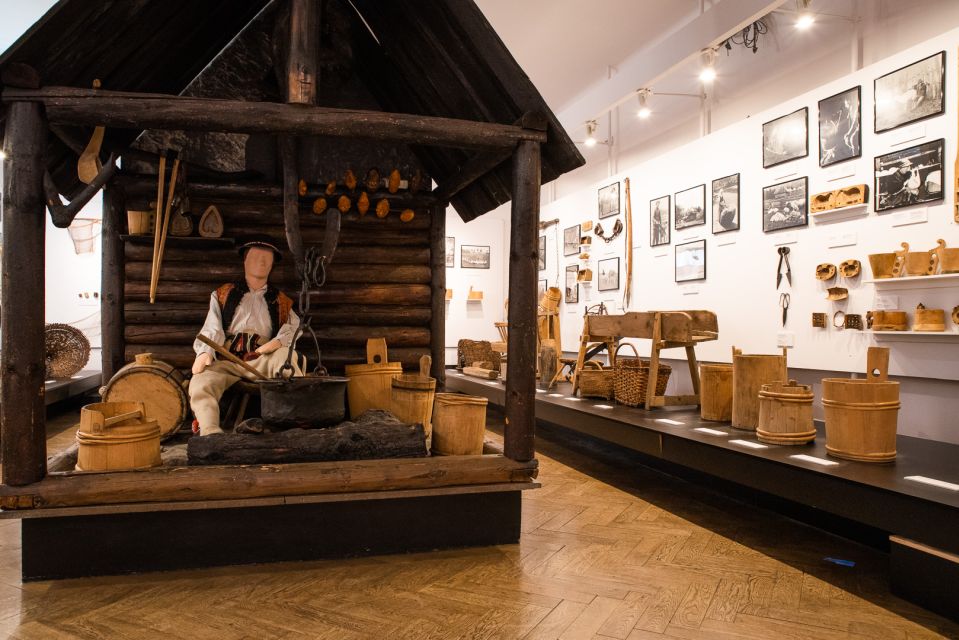
Your ticket is valid for 1–2 days, depending on what you pick and what’s available. That’s the rare museum advantage: you don’t have to squeeze everything into one anxious sprint. With a collection size around 80,000 items, pacing is everything.
Here’s a simple way to plan:
- On your first pass, focus on the big story: Polish folk culture in the Town Hall section.
- On your second pass (or later in the same day if you move fast), slow down in the rooms where you can see paintings and sculptures.
I’ll be honest: the museum tends to reward attention as you go. One review I really took seriously noted that the last part of the visit—paintings and sculptures—was a real discovery. That matches what you should expect from a collection built to show both tradition and artistic interpretation. Don’t burn your energy on the first rooms alone.
Also, think in terms of “themes” instead of “checklist.” Even without a guide, you can connect ideas like craft, symbolism, and folk aesthetics across multiple displays.
What you’ll miss without a guide (and how to fix it fast)
A guide isn’t included. That’s not a deal-breaker, but it changes how you’ll experience the museum. You won’t get spoken context about why specific objects matter or how folk art fit into the cultural crisis of the time. Instead, your best tool is the signage and your own pattern recognition.
My workaround: when you see a section that feels especially interesting, give yourself permission to read carefully. Then look for the same kinds of details repeating across rooms: styles, motifs, and how objects are presented. If you enjoy interpretive reading, you’ll do fine. If you want someone to explain every step, you might feel like you’re doing homework.
And one more practical note: flash photography isn’t allowed, so you’ll be relying on your eyes and the available lighting. Bring patience for slower looking.
Ticket value: $4.81 for two museum locations and a real cultural purpose
At about $4.81 per person, this is strong value—mainly because you’re not paying for a tiny exhibit. You’re paying for access to a museum concept with deep roots, including two different buildings and a collection on the scale of tens of thousands of pieces.
Here’s the value logic I use for tickets like this:
- You’re getting more than one venue (Town Hall plus Esterka’s House).
- You’re getting permanent displays plus temporary shows in the second building.
- You’re getting a themed collection tied to a specific historical moment, not random displays.
Food and drinks aren’t included, so budget a little time to grab a snack or plan a stop outside the museum. But the ticket price itself leaves you breathing room to spend elsewhere on your day in Krakow.
Practicalities you should plan for before you go
Meeting point can vary by option, and the visit ends back at the meeting point. That’s helpful: you aren’t committing to a long guided route that might pull you away from the rest of your day.
Because it’s self-guided entry, you should show up ready to move at your own pace. Bring comfortable shoes. You’ll likely be climbing stairs and moving across levels; one of the highest-praise points was exactly that the museum is well organized across multiple floors.
If you’re traveling with someone who prefers “just one quick stop,” you may need to agree on a plan. This museum works best when you’re willing to spend time. Think of it as a cultural visit, not a 30-minute box to tick.
Who this Krakow Ethnographic Museum ticket suits best
This ticket fits best if you like:
- Polish folk culture and early 20th century art
- museums where the objects come with meaning, not just aesthetics
- taking time to browse through artwork and craft-related collections
It’s also a good match if you’re visiting Krakow and want a counterpoint to the usual focus on royal sites. This museum adds context for what people valued, created, and carried into everyday life.
If you’re the type who hates reading interpretive signs, you might feel under-served by the lack of a guide. On the other hand, if you enjoy slower looking and you like seeing how a collection builds a point of view over time, you’ll probably have a satisfying visit.
Should you book the Krakow Ethnographic Museum ticket?
I’d book it if you want a meaningful, low-cost museum day that feels distinctly Krakow but not the most obvious Krakow. The combination of the Town Hall focus, the Esterka’s House cellar setting, and a huge collection makes the ticket feel like a real cultural experience rather than a quick stop.
Skip it only if you’re demanding a spoken guide to provide context, or if you’re on a strict schedule where you can’t afford to wander and read. Otherwise, this is the kind of ticket you can stretch across a day—or even spread into two—so you don’t rush past the best parts like the paintings and sculptures at the end.
FAQ
FAQ
Where is the Ethnographic Museum ticket valid?
It’s for the Ethnographic Museum in Krakow, in Lesser Poland, Poland.
How much does the Krakow Ethnographic Museum ticket cost?
The price listed is $4.81 per person.
How long is the ticket valid?
The ticket is valid for 1–2 days. Starting times depend on availability.
What’s included with this ticket?
The entry ticket is included.
What’s not included?
Food and drinks are not included, and a guide is not included.
Where does the experience start and end?
It starts at a meeting point that may vary by option booked and ends back at the meeting point.
Can I cancel for a refund?
Yes. Free cancellation is available up to 24 hours in advance for a full refund.
Is there a reserve now and pay later option?
Yes. You can reserve now and pay later, keeping your travel plans flexible.
Are there any photography rules?
Flash photography is not allowed.
Do I need to choose a specific time slot?
You’ll need to check availability for starting times, since the ticket is valid for 1–2 days and timing depends on what’s available.